Lamont in the Media
Earth & Climate Science News
Take a look back at historic discoveries from the past seven-and-a-half decades at Lamont.
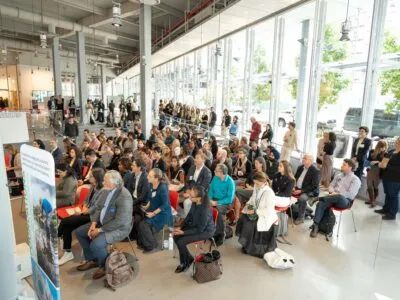
The Climate School's first-ever showcase highlighted the school's mission to partner with organizations outside of Columbia to build climate solutions.
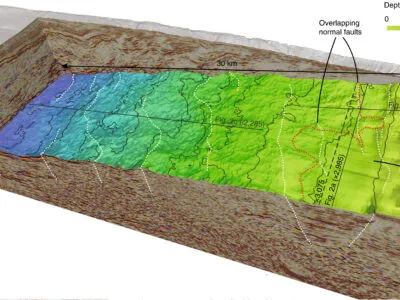
An introduction to seismic imaging and how the R/V Marcus G. Langseth uses it to make detailed maps of the seafloor.
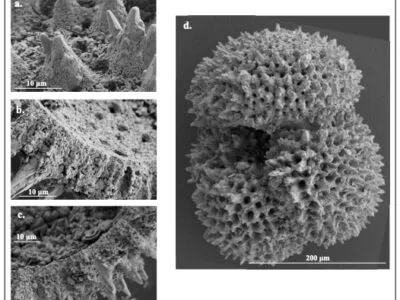
Analyses of tiny shelled creatures from the distant past allow scientists to understand what might happen to the climate today.
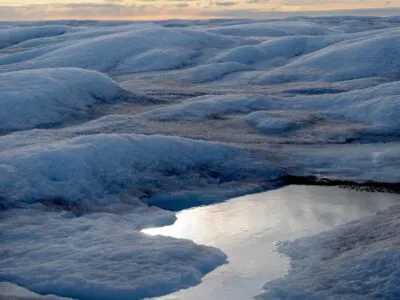
Greenland is melting—but why and how quickly is the subject of research by polar climate scientist Marco Tedesco.
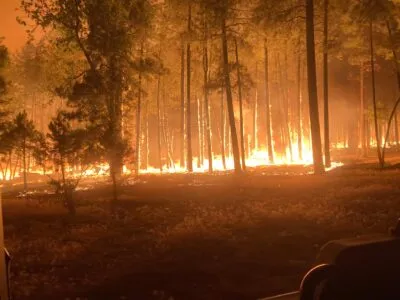
This Climate School summer class teaches students that climate impacts do not impact the environment or society in isolation.
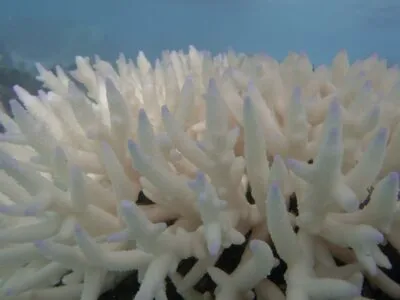
The six hottest years faced by the world's largest reef system have occurred since 2004, with corresponding mass bleaching events.
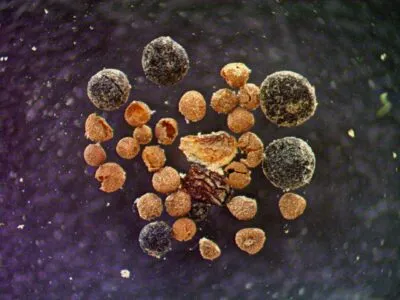
Bits of plants and insects under thousands of meters of ice at the center of Greenland show that tundra existed there within the last million years.
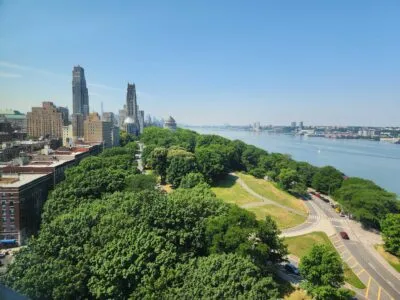
New York is planting large numbers of trees in order to improve the city's livability. But emissions from some species interact with tailpipe and building pollutants to form smog.
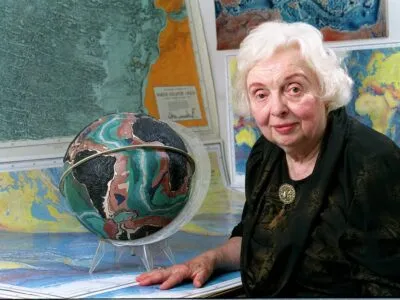
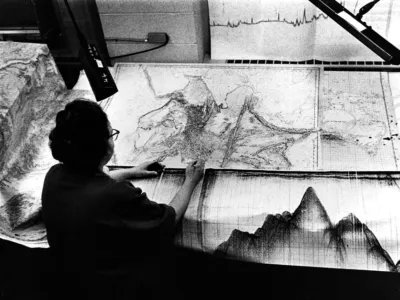
State of the Planet celebrates the pioneering cartographer's legacy on what would be her 104th birthday.