
Lamont in the Media
Earth & Climate Science News
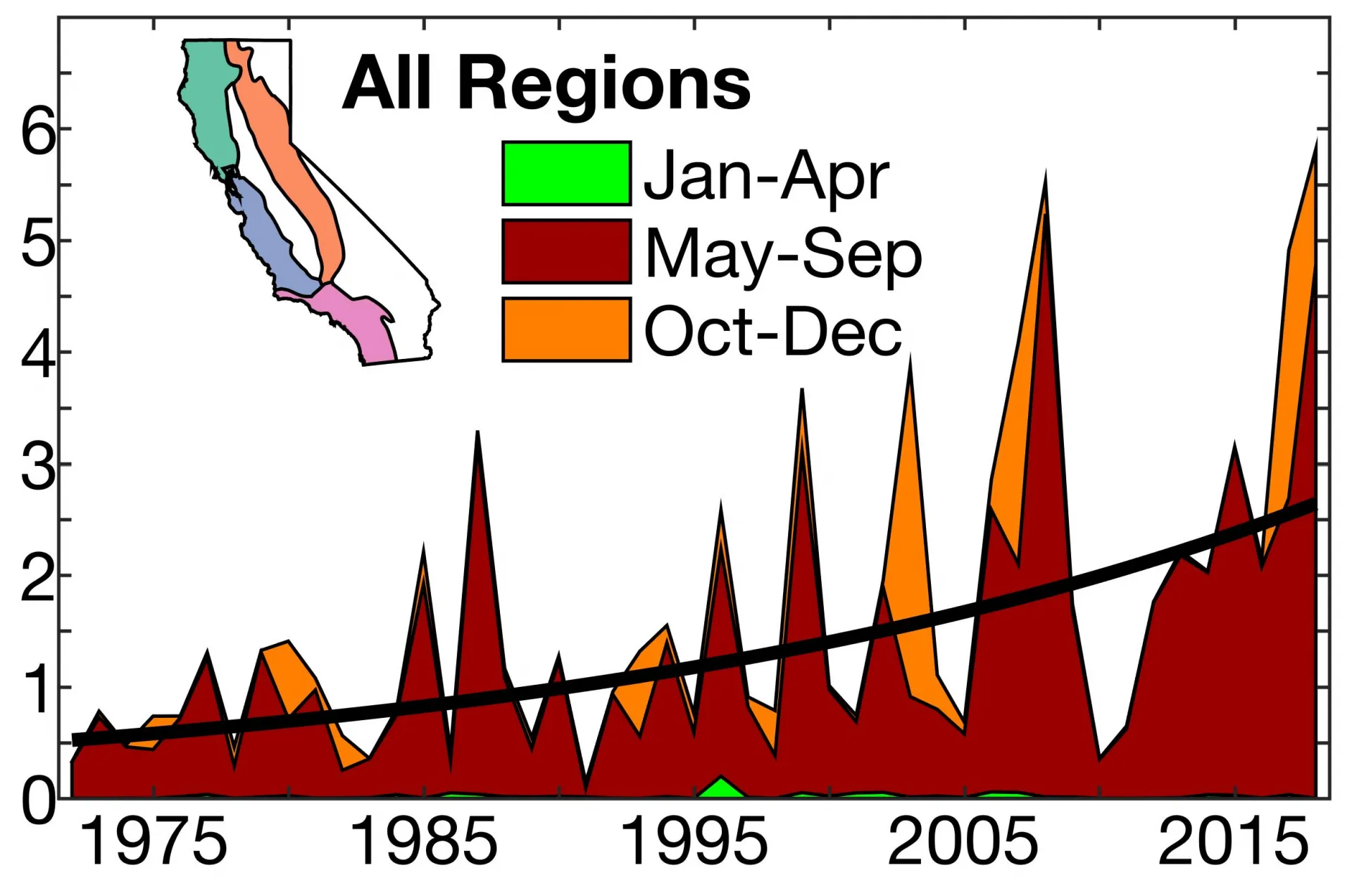
A new study combs through the factors that can promote wildfires in California, and concludes that in many cases, warming climate is the decisive driver.
At a hearing of the House Science Committee on Thursday, she’ll explain her research and why changing polar ice matters to everyone in America and around the world.

It took six days to sail to Point Nemo, the most inaccessible point of the ocean on this planet, to drill a sample from the ocean floor.
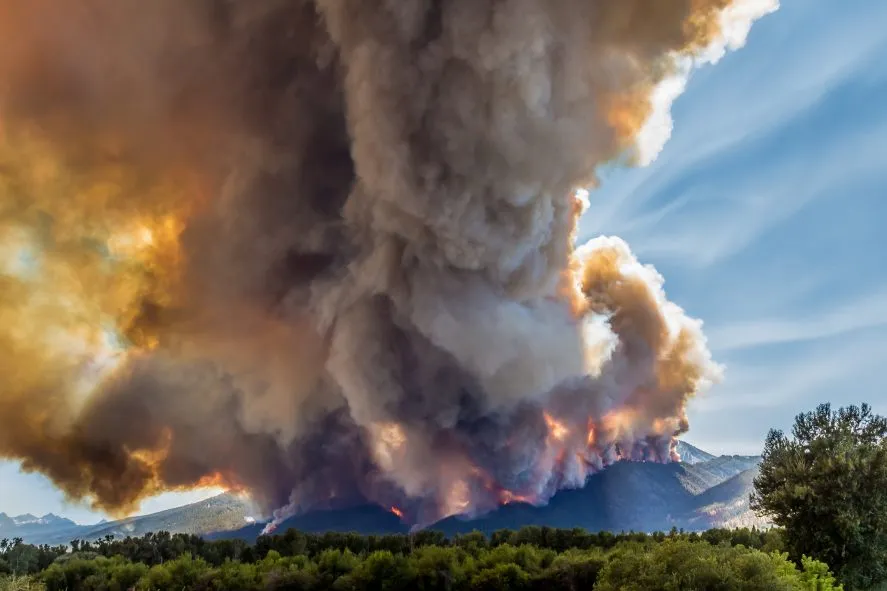
New research will advance understanding of how wildfires may evolve in the future, and how we can most effectively respond to them.
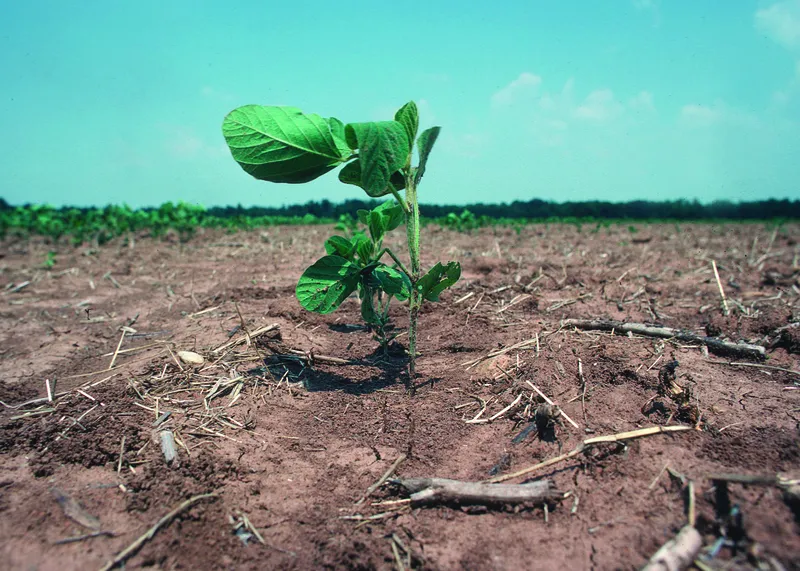
A new study finds that ENSO has caused widespread, simultaneous crop failures in recent history, running counter to the long-held assumption that crop failures in geographically distant breadbasket regions are unrelated.
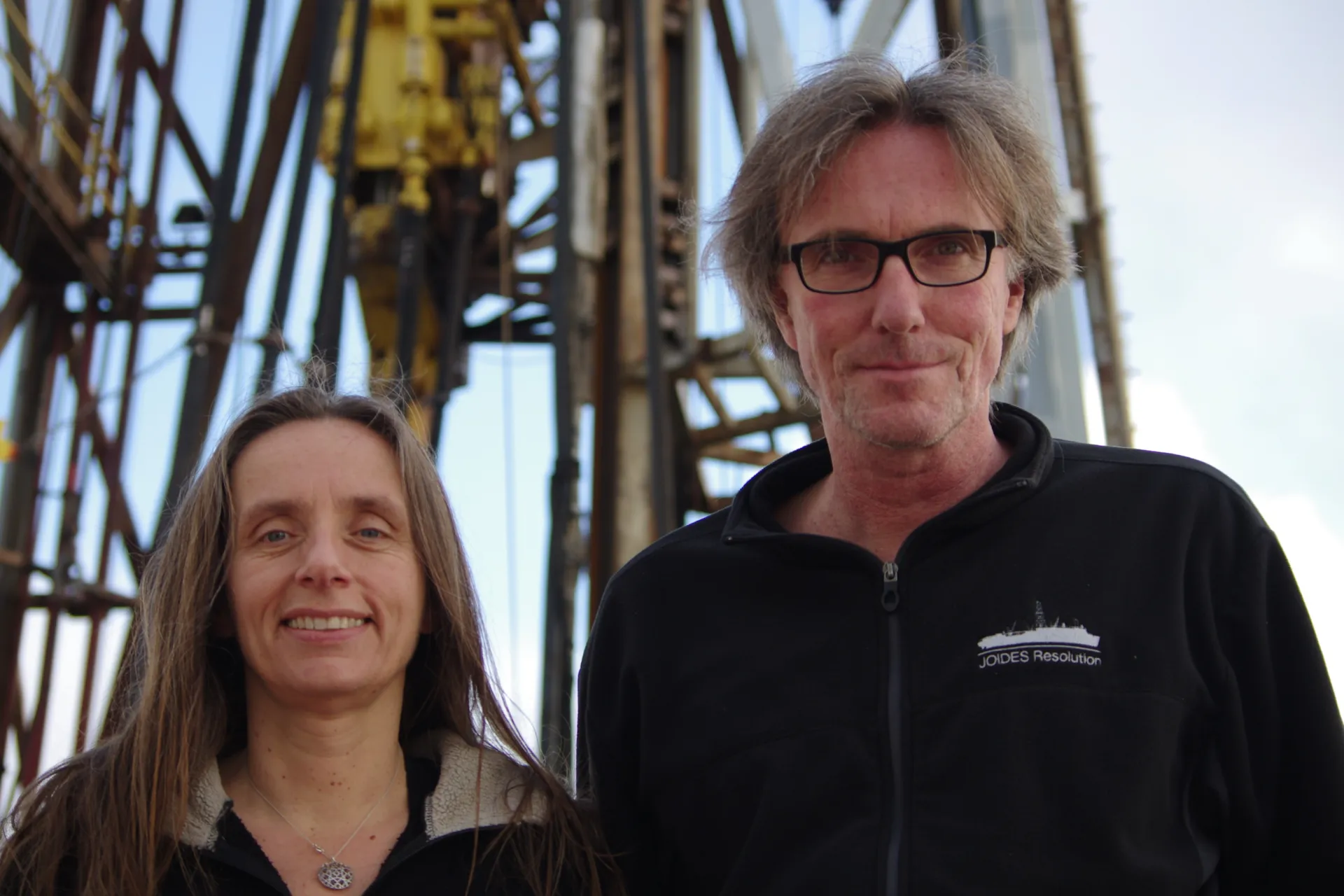
Scientists aboard the R/V Joides Resolution prepare to set sail into the Southern Ocean.
Between 2016 and 2018, the Center for Climate and Life awarded $2.1 million to 10 leading scientists who are bringing a fresh perspective to one of the most pressing issues of our times.
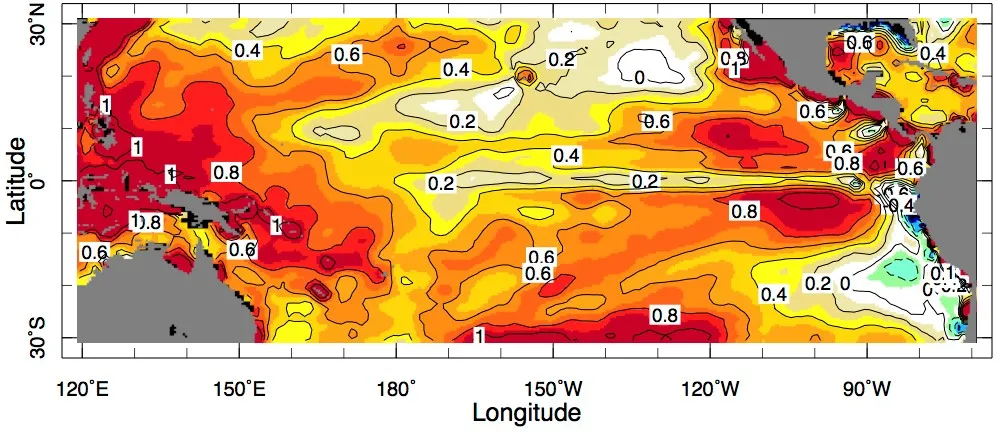
Climate models predict that as a result of human-induced climate change, the surface of the Pacific Ocean should be warming. But one key part is not.
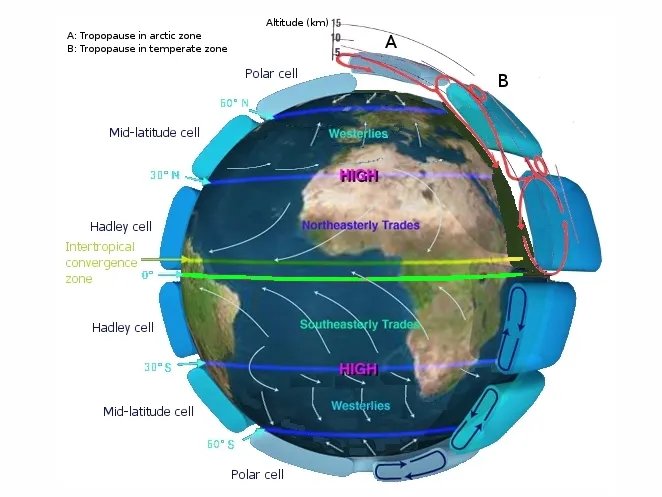
Observational data confirms that Hadley cell circulation is weakening, which has important consequences for future rainfall in the subtropics.
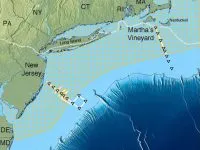
In a new survey of the sub-seafloor off the U.S. Northeast coast, scientists have made a surprising discovery: a gigantic aquifer of relatively fresh water trapped in porous sediments lying below the salty ocean.
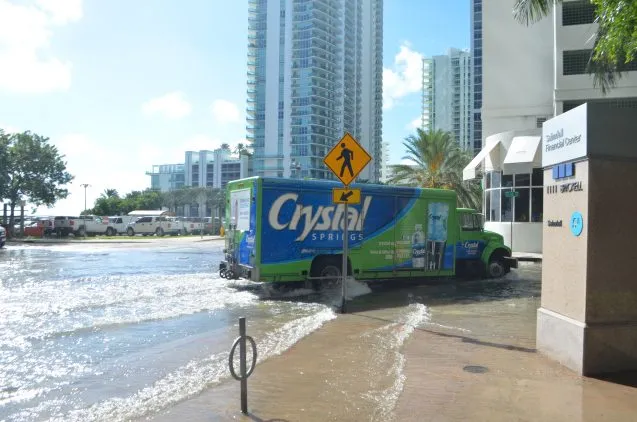
Warming temperatures, rising seas, and more extreme weather are going to cost us. But they’ll create new business opportunities, too.
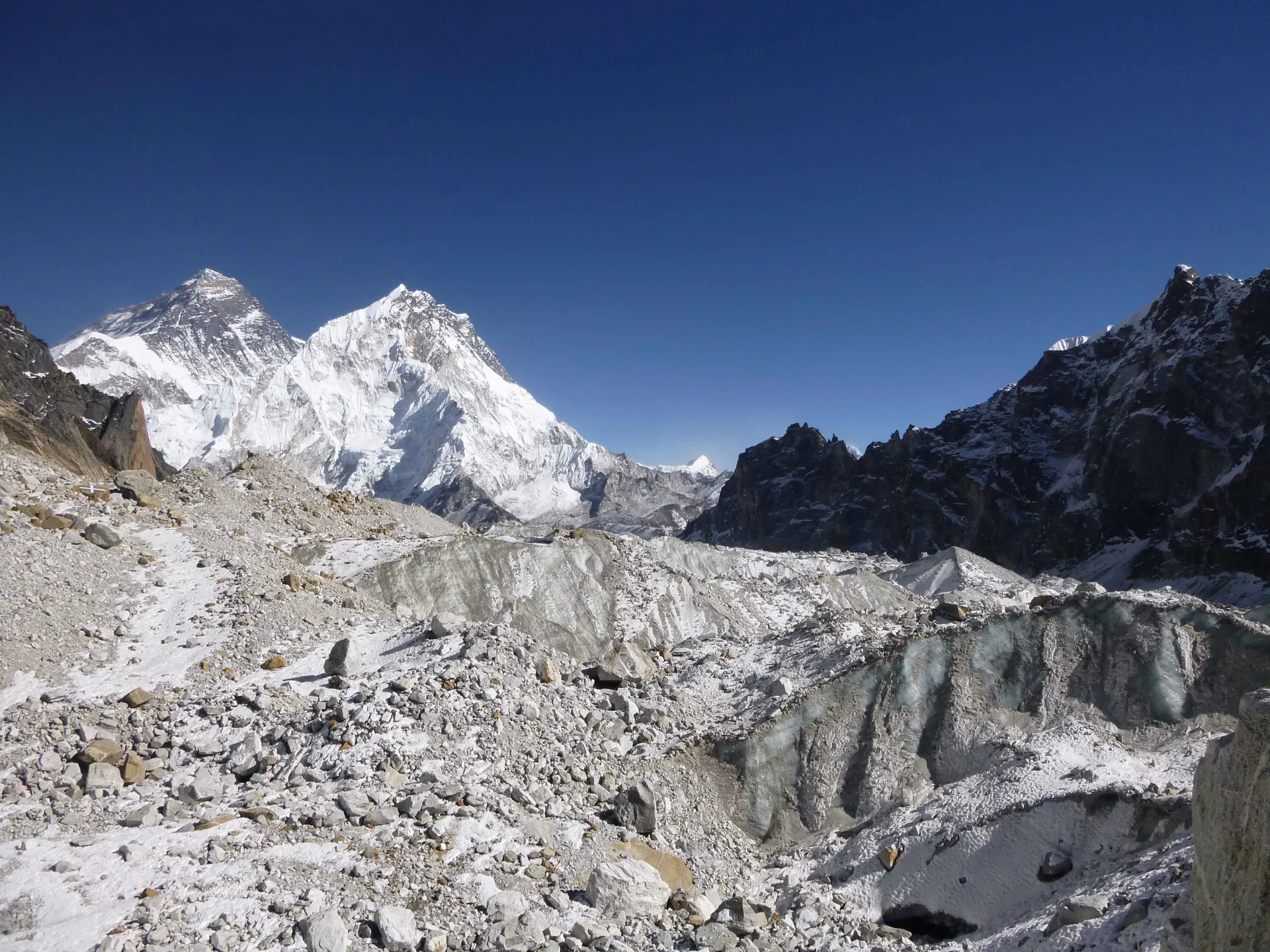
A new study is the latest and perhaps most convincing indication that climate change is eating the Himalayas’ glaciers, potentially threatening water supplies for hundreds of millions of people across much of Asia.