
Lamont in the Media
Earth & Climate Science News
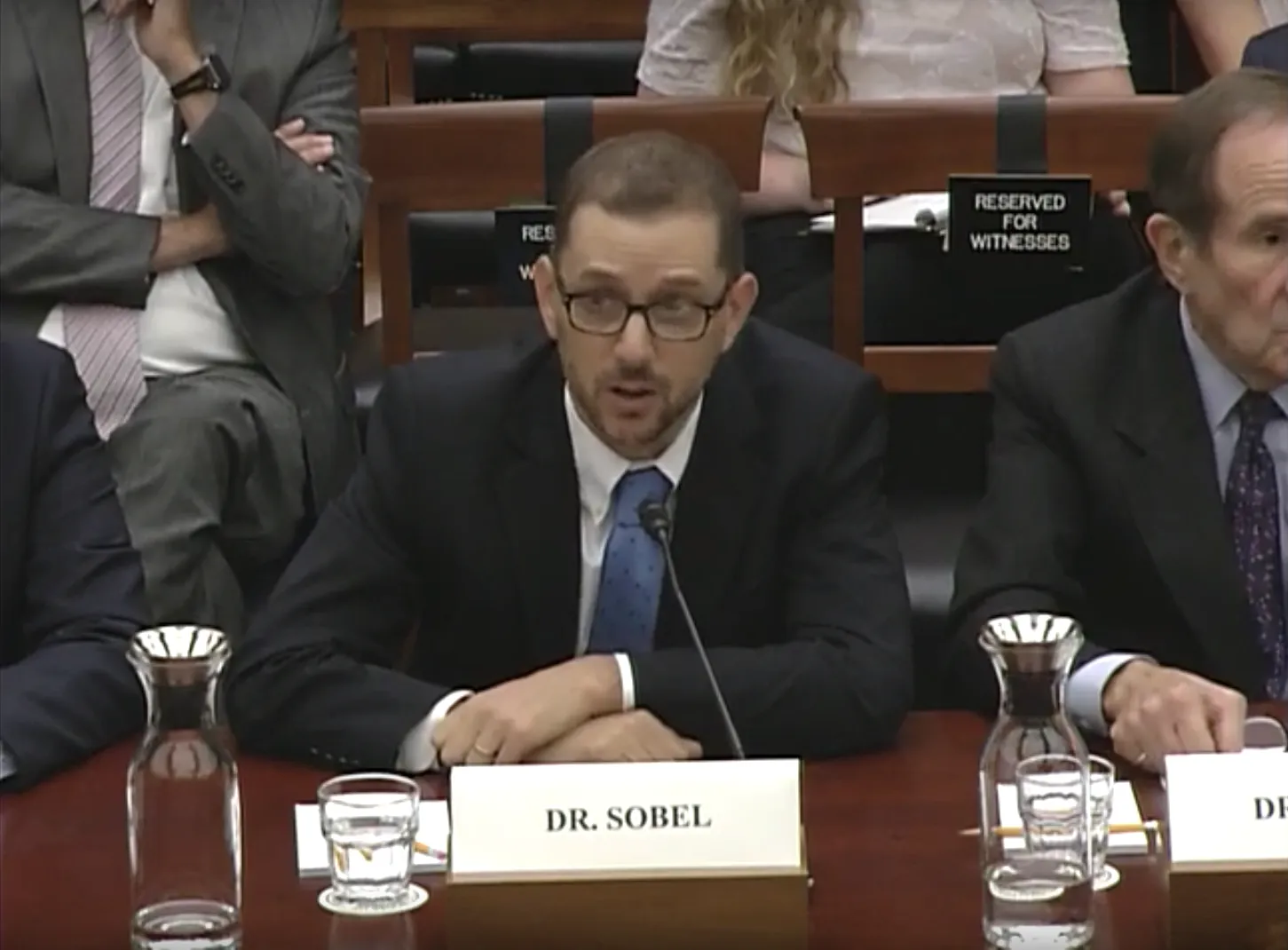
In a hearing of the House Science Committee, the meteorologist weighed in on heatwaves and hurricanes, and underscored the need for action.
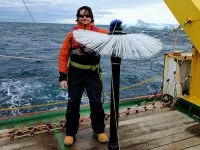
Pierre Dutrieux, a Lamont-Doherty oceanographer and 2019 Climate and Life Fellow, discusses his Antarctic research and what the new IPCC report says about sea level rise.

With help from local tv station Univision 41, Earth Institute scientists tested how well Newark’s lead filters are working. The results support new findings from city officials.
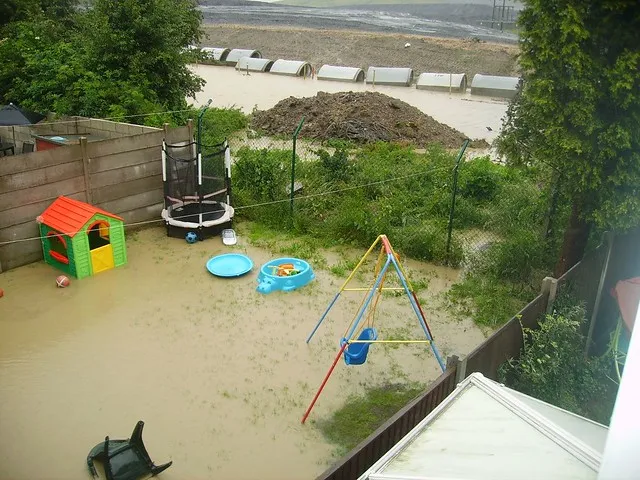
Climate change disrupts the water cycle in ways that could profoundly alter how we live our lives.
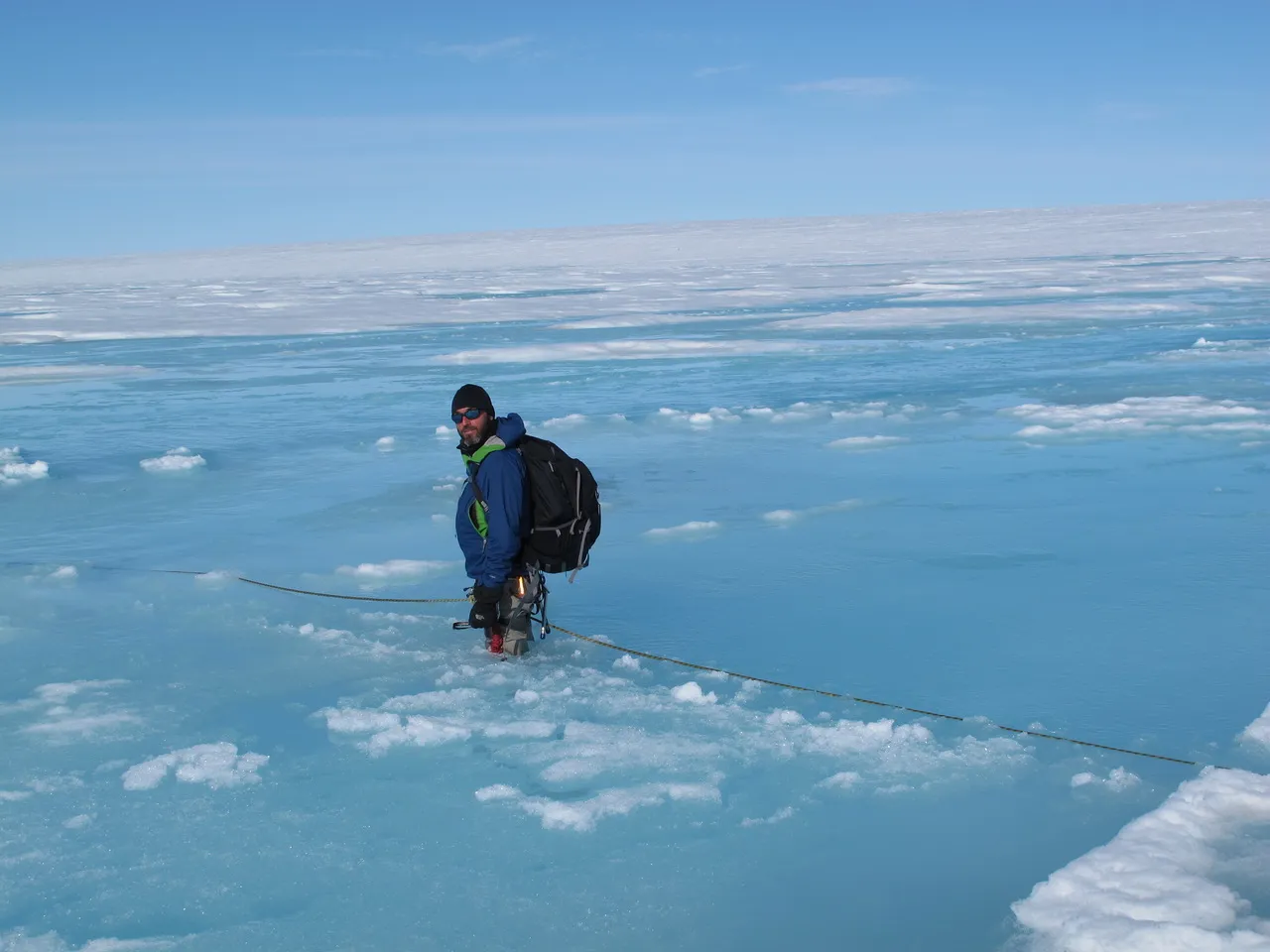
Researchers warn that world leaders are being misled by economic assessments of future climate-change impacts.
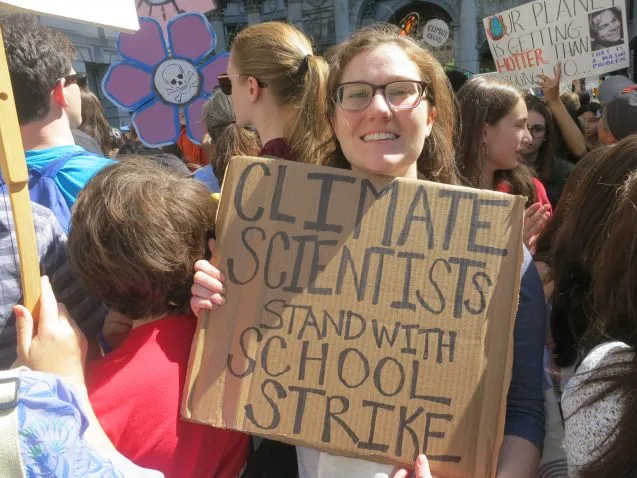
Dozens of Earth Institute staff and students took part in New York City’s Climate Strike march.
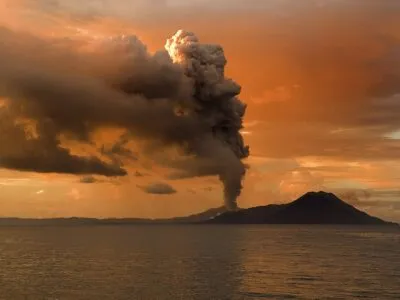
A paleoclimatologist walks us through some of the natural causes of climate change — and why it’s important to take action on human-caused warming.

Climatologist Radley Horton's impactful research is matched by his commitment to communicating the under-appreciated threats associated with global warming.
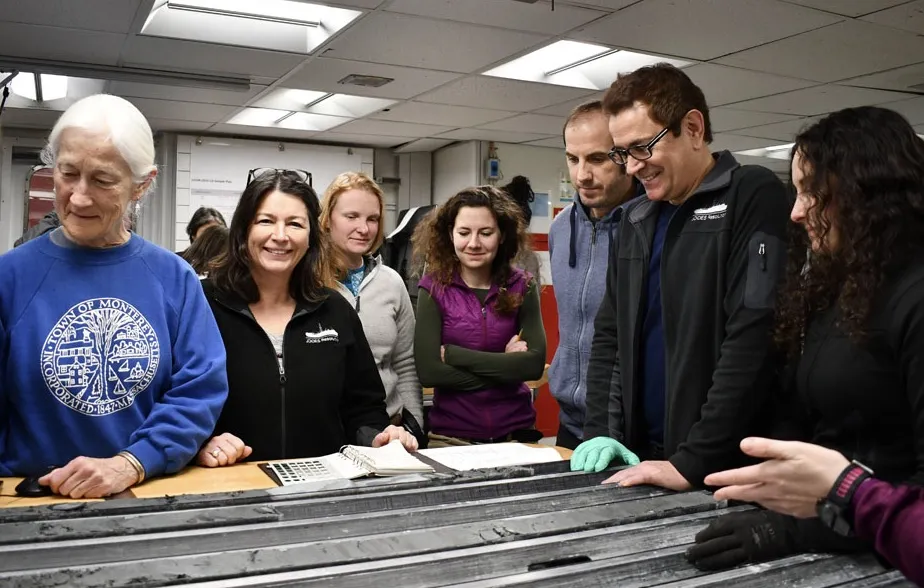
Under the leadership of Lamont-Doherty Earth Observatory scientists, two different expeditions sailed to the stormy Southern Ocean to learn more about Earth’s climate history.

A team of researchers taught social science students to test for high fluoride levels in their own villages, and experimented with creative ways to get the word out about the dangers of fluorosis.
Join us at ‘Our Future Festival NYC’ on September 21. This groundbreaking climate event is designed to inform and inspire.
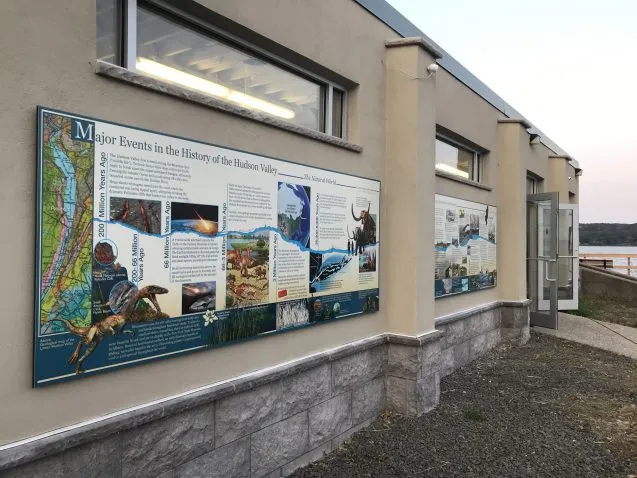
The newly renovated research facility will host an educational mural that combines art and science.