

Lamont in the Media
Earth & Climate Science News

Sources and story ideas for journalists covering all aspects of climate change.

A new study reveals a surprising way in which lava influences marine ecology.
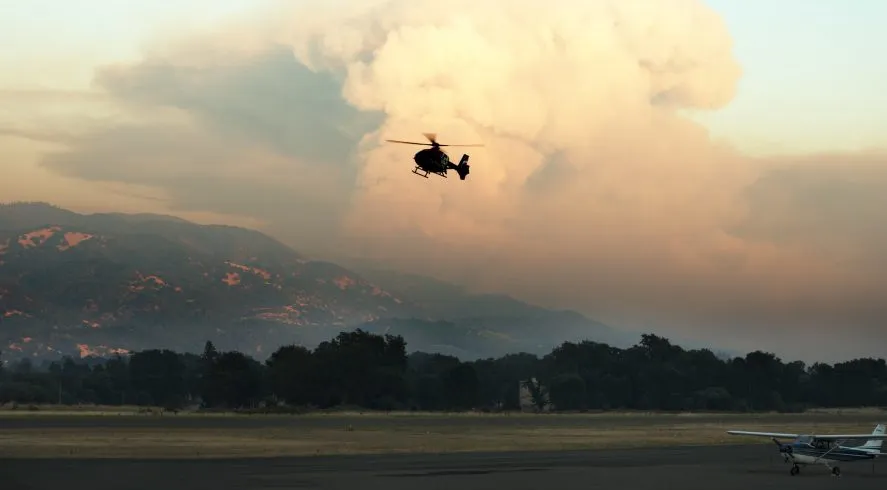
Park Williams and Richard Seager, climate experts at Lamont-Doherty Earth Observatory, discuss why California wildfires are expected to expand and intensify with climate change.

In a coastal cave off Spain, scientists have found evidence showing that more than 3 million years ago, when temperatures were similar to those projected for the end of this century, sea levels were as much as 16 meters higher than they are now.
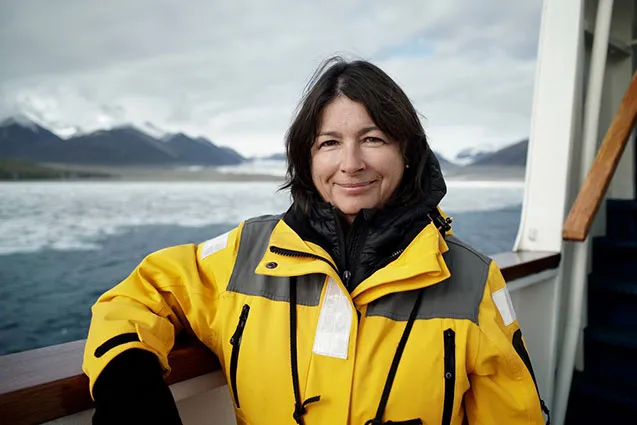
Lamont scientists representing a range of research disciplines and career stages are to receive honors from the internationally influential earth and space science organization.

A student research project unveils that tiny plastics in laundry detergents and fabrics could potentially have a big impact on ocean health.
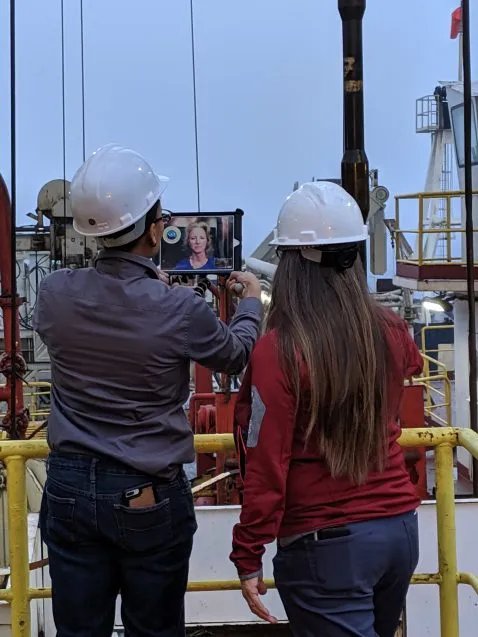
Two months at sea, collecting drill cores in the stormiest ocean on the planet, can feel both extremely epic and fairly routine.

A variety of undergraduate research assistant positions are available. Apply by September 11, 2019.

The changes could affect health, agriculture and ecosystems, the study suggests.

A variety of undergraduate, graduate and PhD positions are available in various departments and research centers. Apply by September 11, 2019.
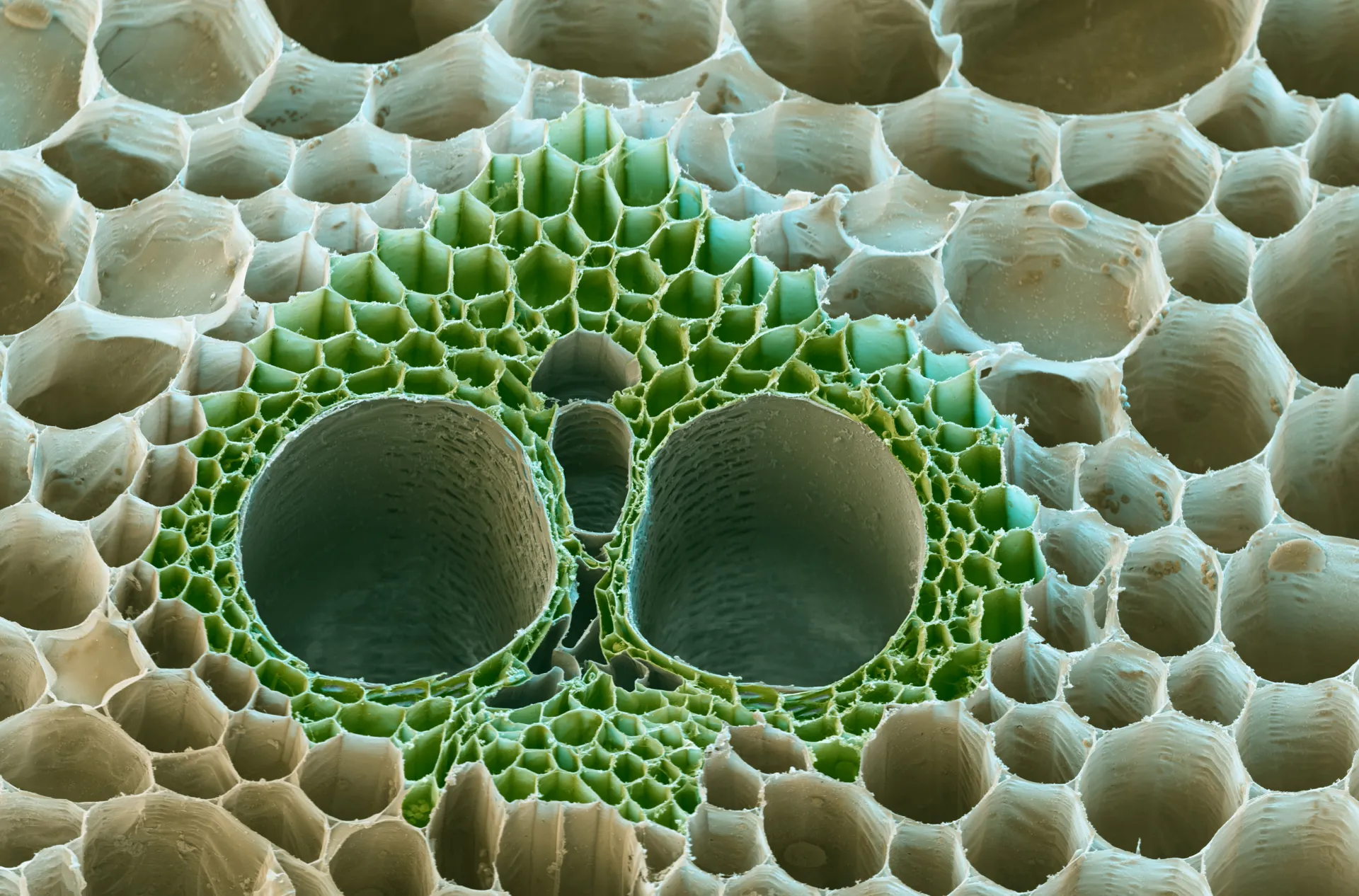
Artificial and modified organisms could become essential tools to fight climate change, clean up pollution, protect biodiversity, and more.
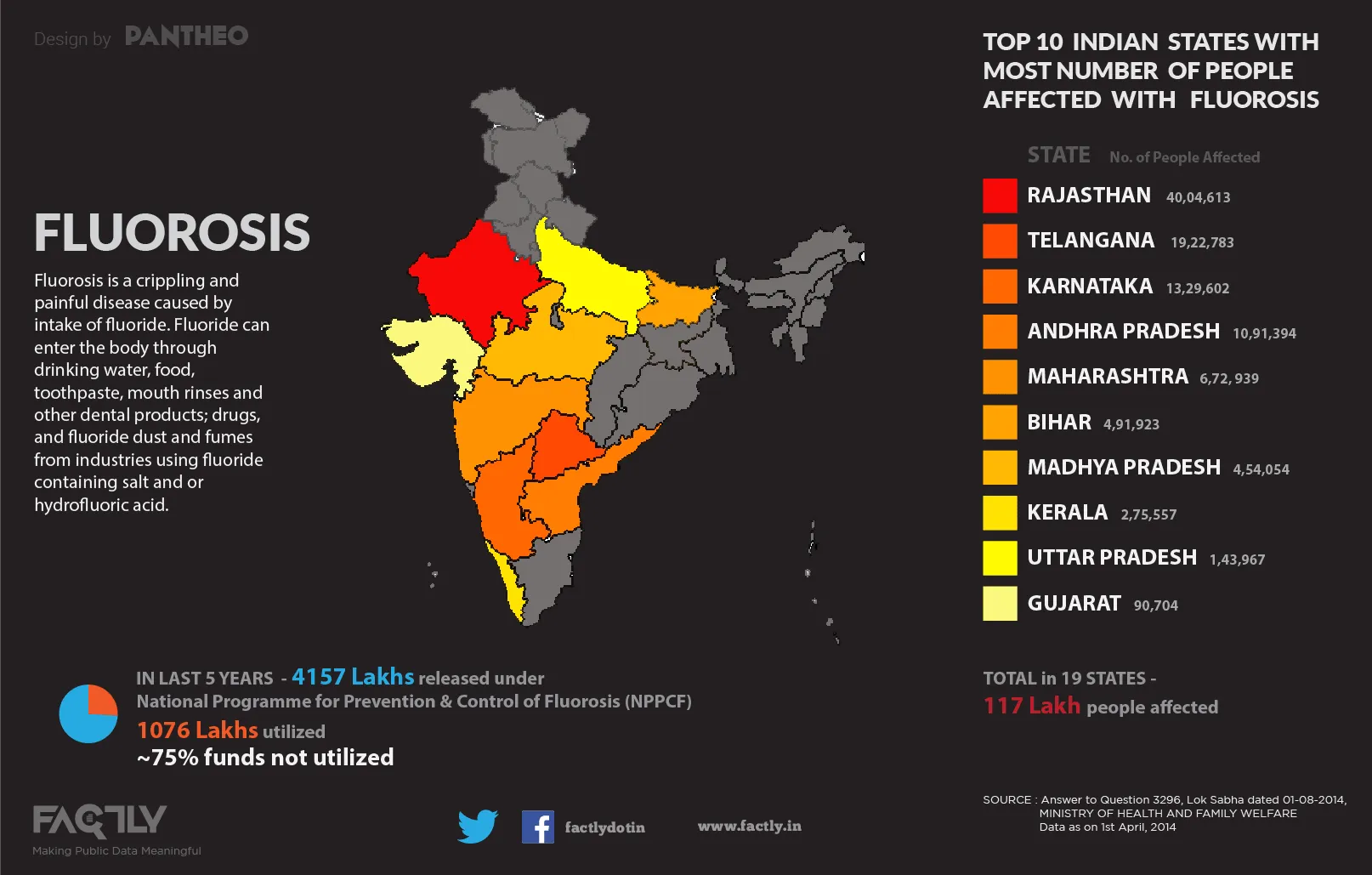
A new project from the Center for Sustainable Development and Lamont-Doherty Earth Observatory will use education interventions to try to curb fluorosis, caused by high fluoride levels in drinking water, in Alirajpur, India.