
Lamont in the Media
Earth & Climate Science News
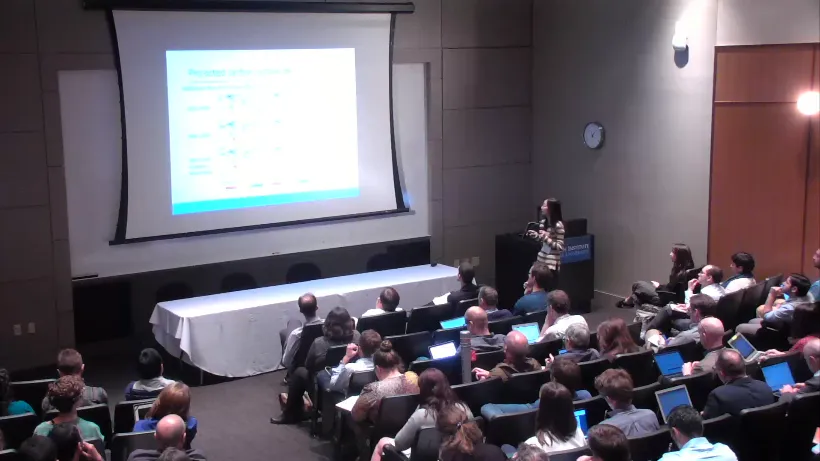
The impacts of climate change don’t always come one at a time. A recent workshop focused on what’s needed to predict and adapt when multiple climate-related disasters happen simultaneously.
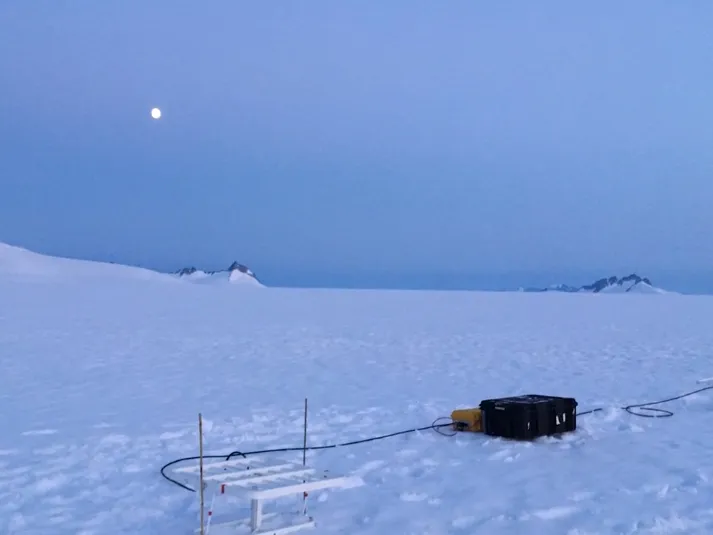
Research by Lamont’s Johnny Kingslake and Elizabeth Case advances understanding of ice sheet dynamics and how our world may change in the coming centuries.
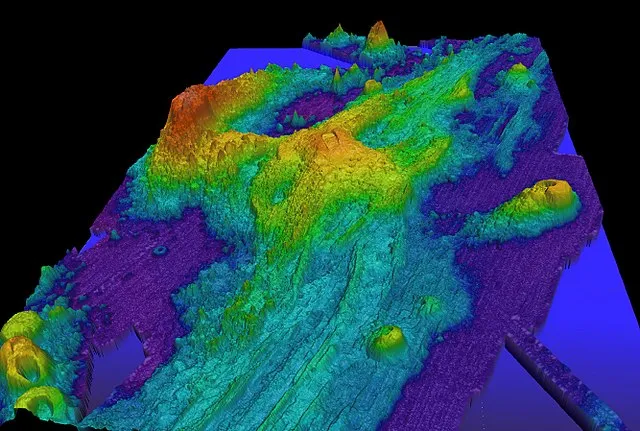
A new study reveals the inner workings of tidally triggered earthquakes, and finds that even the slightest stress can set off a tremor.
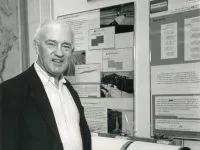
Lynn Sykes, a pivotal figure in the development of plate tectonics, discusses a new memoir of his career.
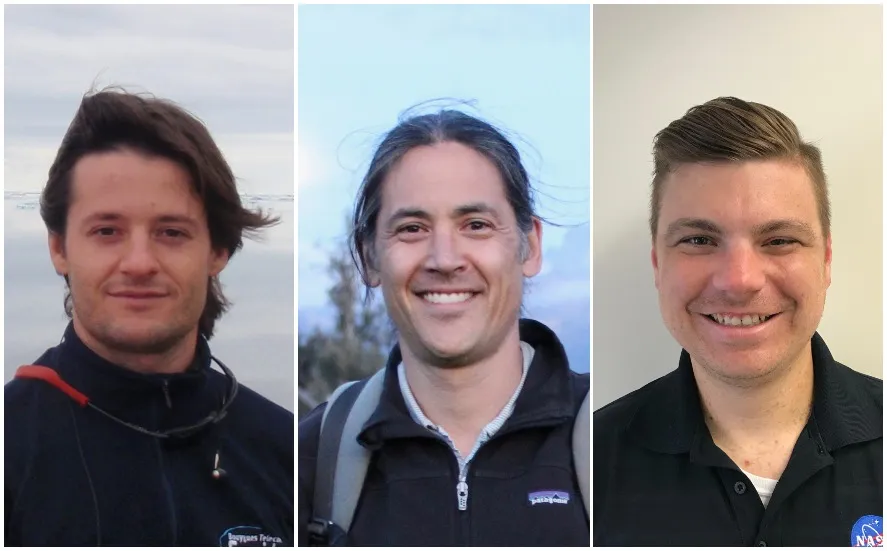
The three new Fellows, all scientists at Lamont-Doherty Earth Observatory, will pursue high-risk, high-reward research that furthers understanding of how climate change impacts human sustainability.
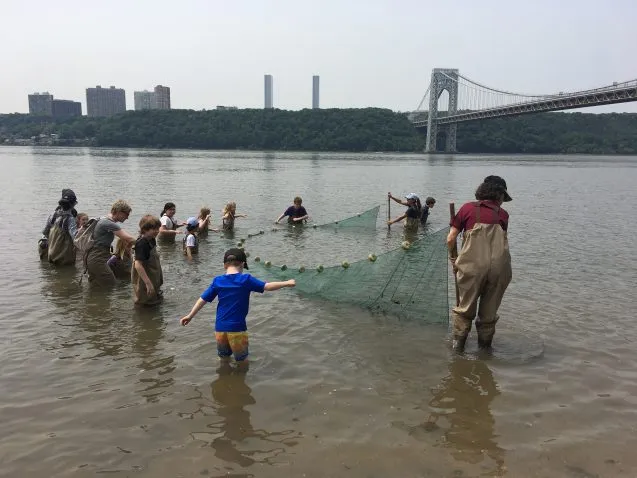
The annual survey of biodiversity in New York City’s waterways had a great turnout on Saturday.
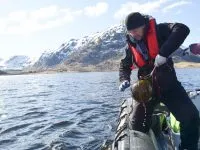
William D’Andrea studies past climates to see how societies such as the Vikings and the Rapanui of Easter Island dealt with environmental change. His work may help us adapt to a hotter future.
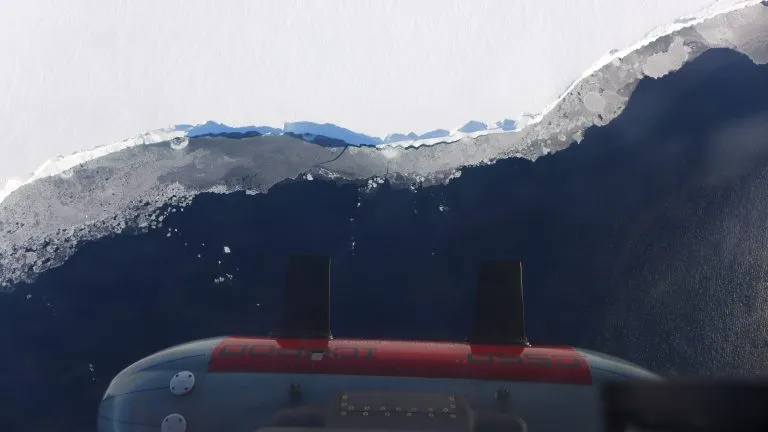
ROSETTA-Ice project reveals that local ocean currents may play a critical role in the ice shelf’s future retreat.
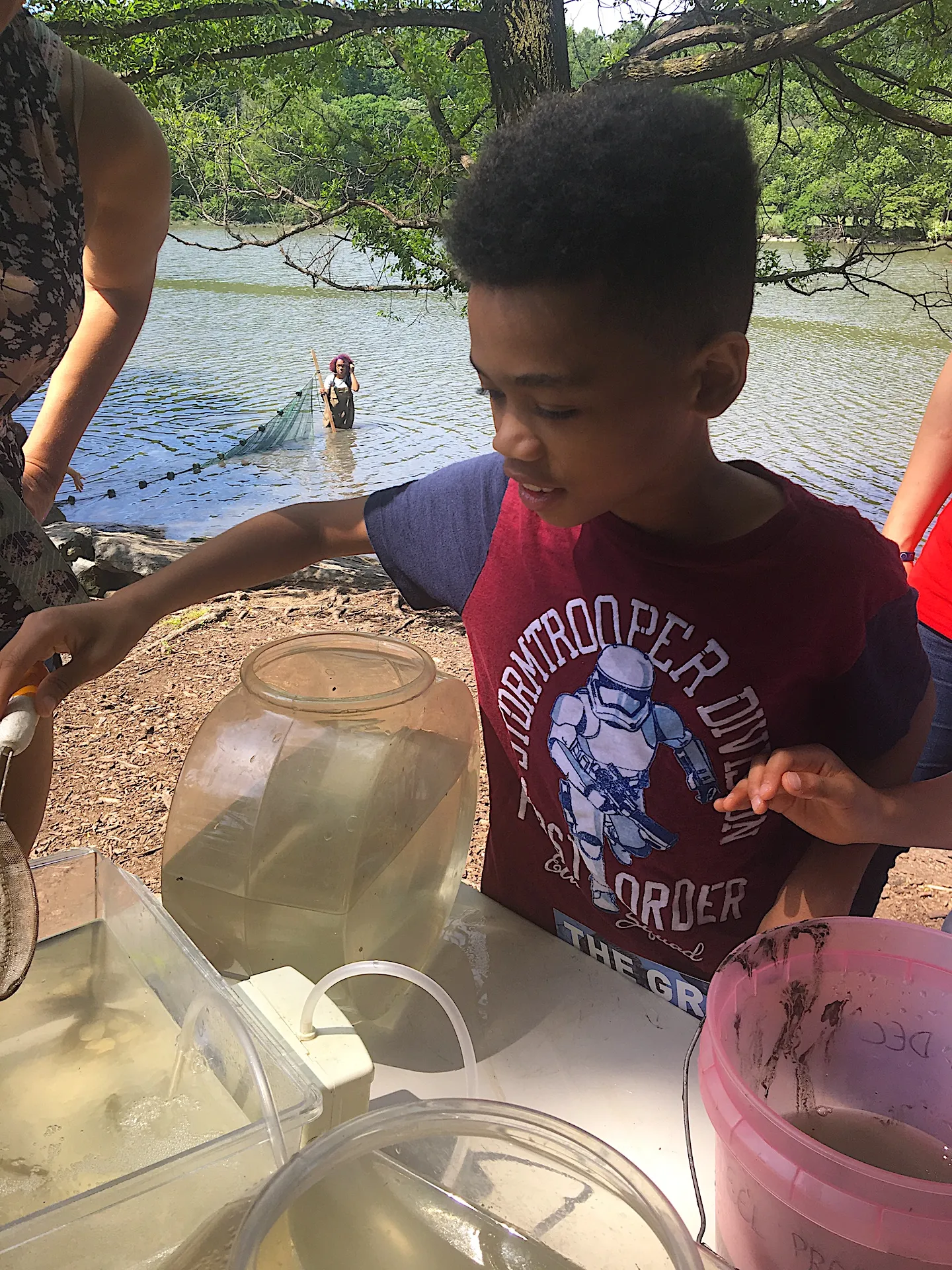
Join us on Saturday, June 1st to explore one of New York’s most underrated treasures: our productive waterways!
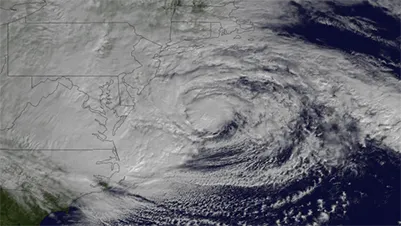
A new study finds that as air circulation patterns change with the climate, coastal states could get hit with stronger hurricanes.
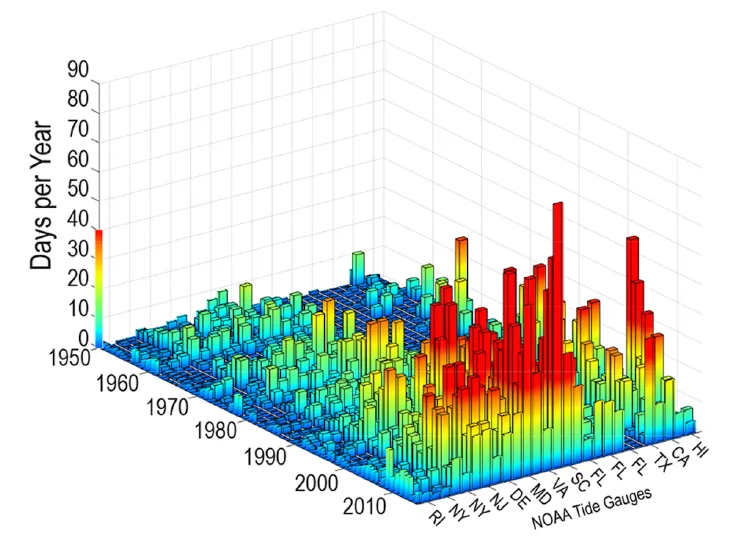
Lamont’s Radley Horton explains that enhanced forecasts and better communication can reduce climate risks and create new economic opportunities.
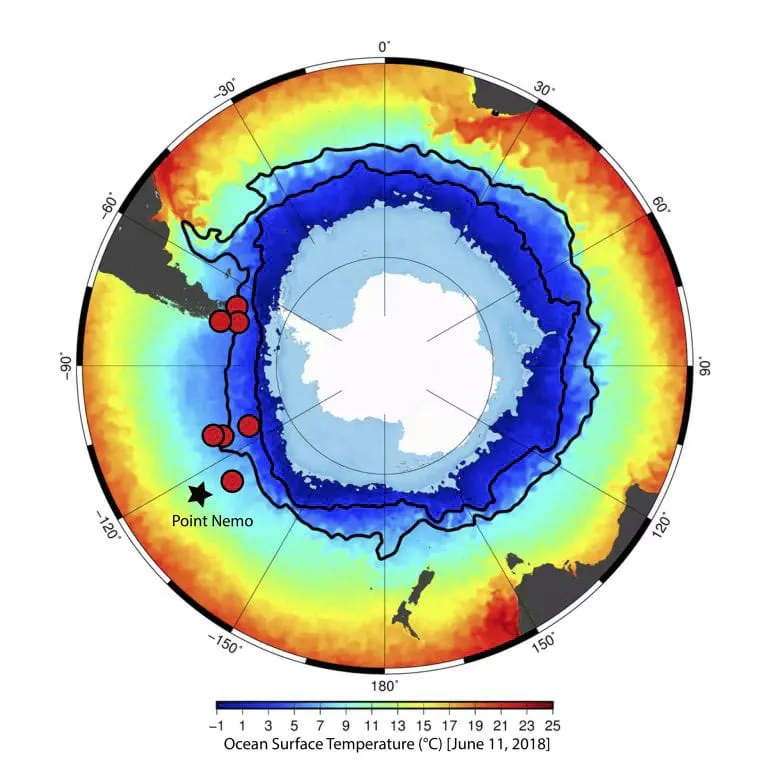
Starting this month, scientists aim to study the Antarctic Circumpolar Current’s past dynamics by drilling into the seabed in some of the planet’s remotest marine regions.