

Lamont in the Media

Earth & Climate Science News
Study picks apart factors that caused severe, long-lasting droughts and suggests increased risk for future.
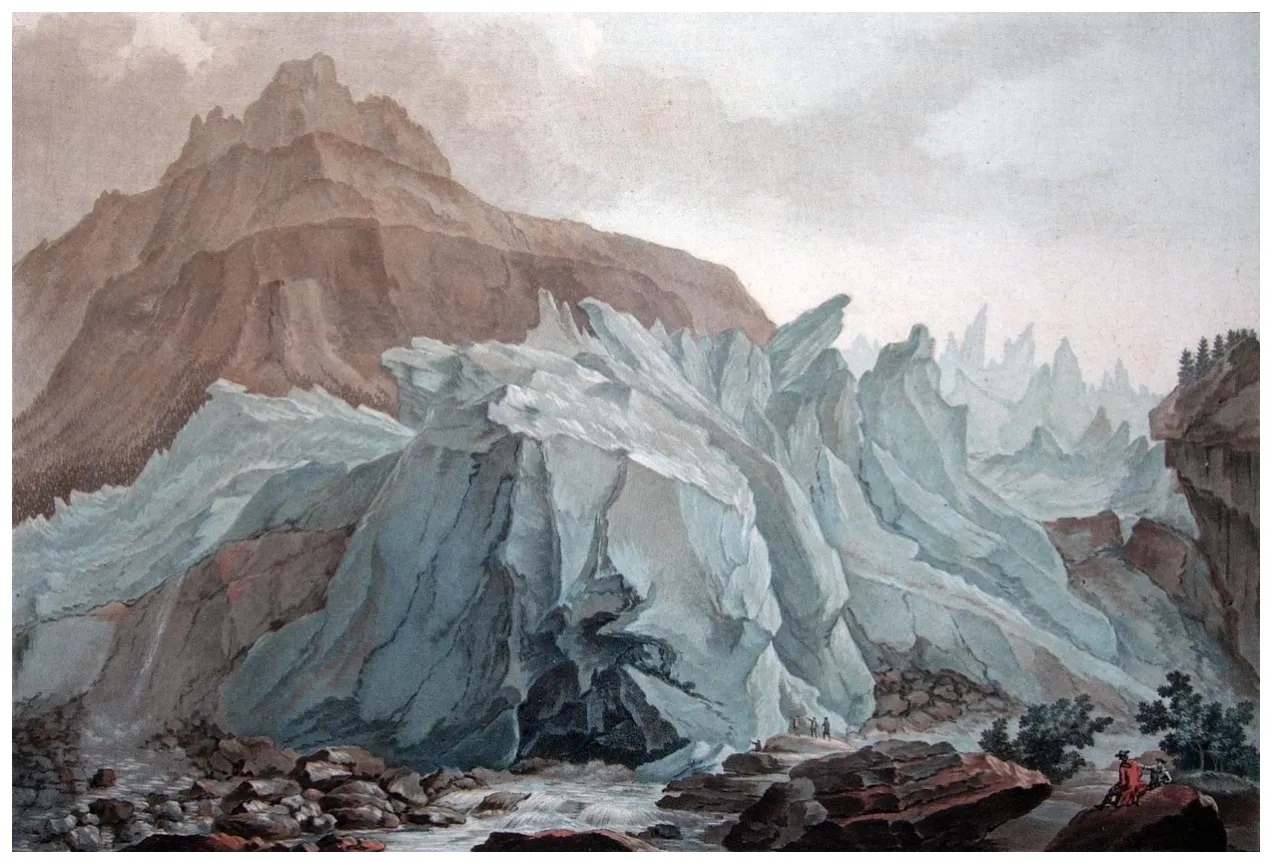
Climate scientists often invoke the Medieval Warm Period and the Little Ice Age as natural worldwide climate swings predating human influences. They may not have worked the way we think.
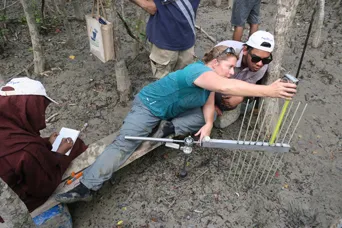
By working a 16-hour day, we managed to get both GPS and SETs completed at our first field site. We then sailed into the Sundarban Mangrove Forest, the world’s largest, to visit an existing site and make measurements.

I am back in Bangladesh for a new project examining the balance between sea level rise, land subsidence and sedimentation. We will be installing, repairing or upgrading equipment to measure changes to the landscape.
Millions of years ago, vegetation across much of the world underwent a transformation as grasses with a new way of doing photosynthesis displaced previously dominant plants, shrubs and trees. A new study examines what got these plants started, and why they spread so far and wide.

A new study reveals how local factors influence the Ross Ice Shelf’s stability, refining predictions of how it will change and influence sea rise in the future.
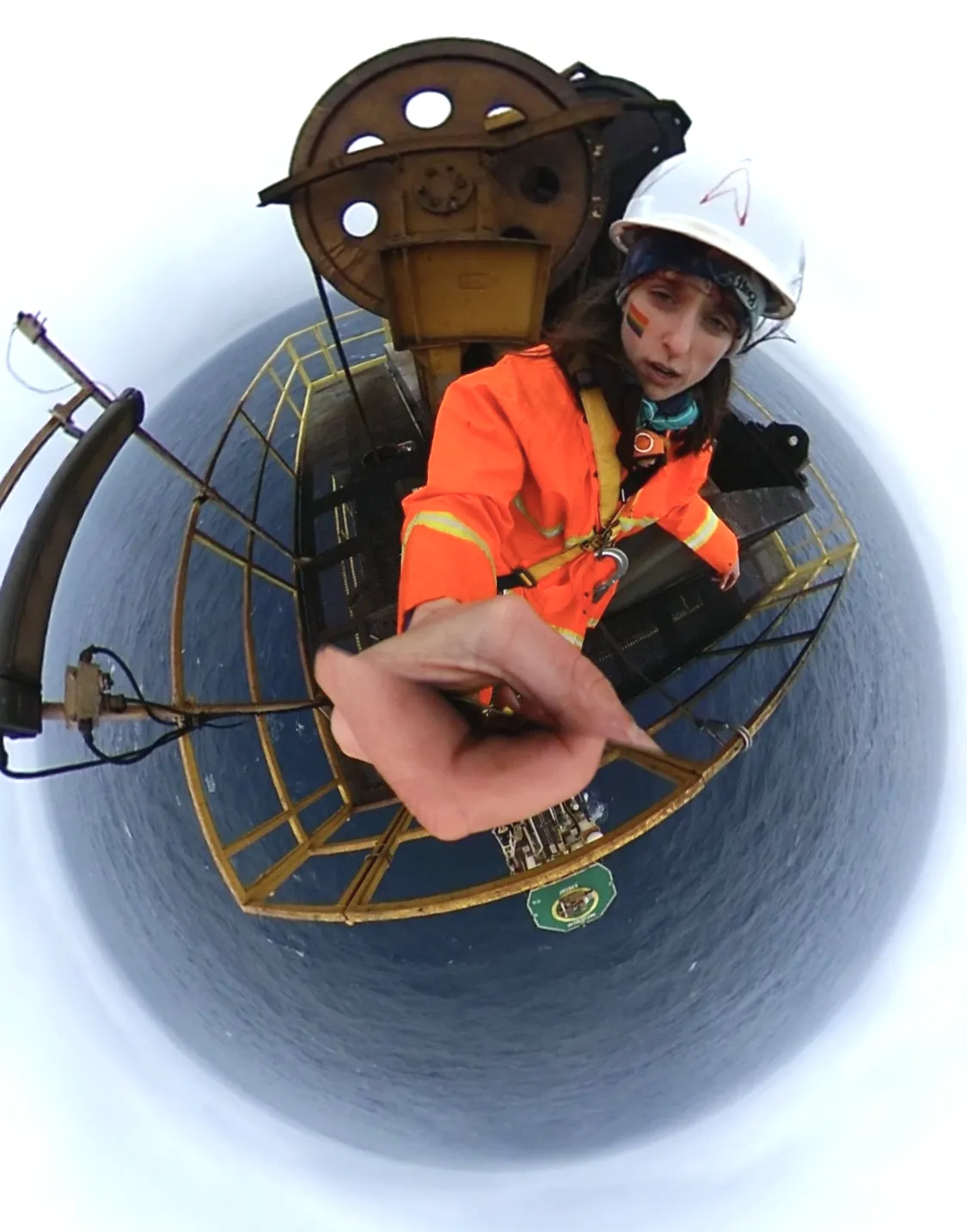
Recovering ancient seafloor sediments requires complicated machinery and a skilled crew.
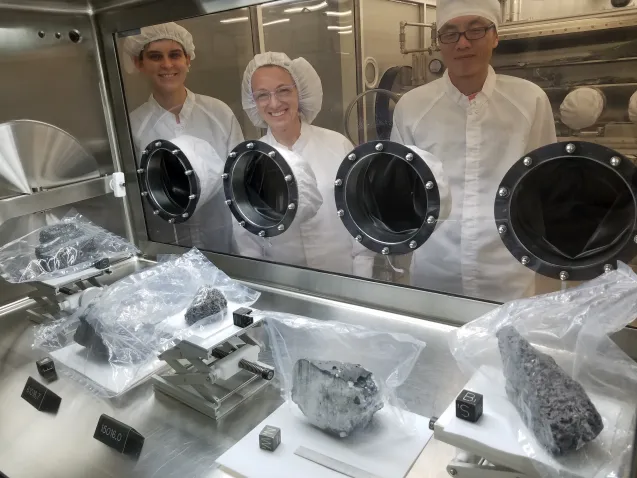
The Apollo missions brought back unique samples from the moon that have been analyzed by researchers around the world. This data is getting lost and forgotten. A new database collects it and makes it easy to find and use.

Hundreds of experts gathered on campus to discuss possibilities for protecting coastal communities and withdrawing when we can no longer safely inhabit our coastlines.
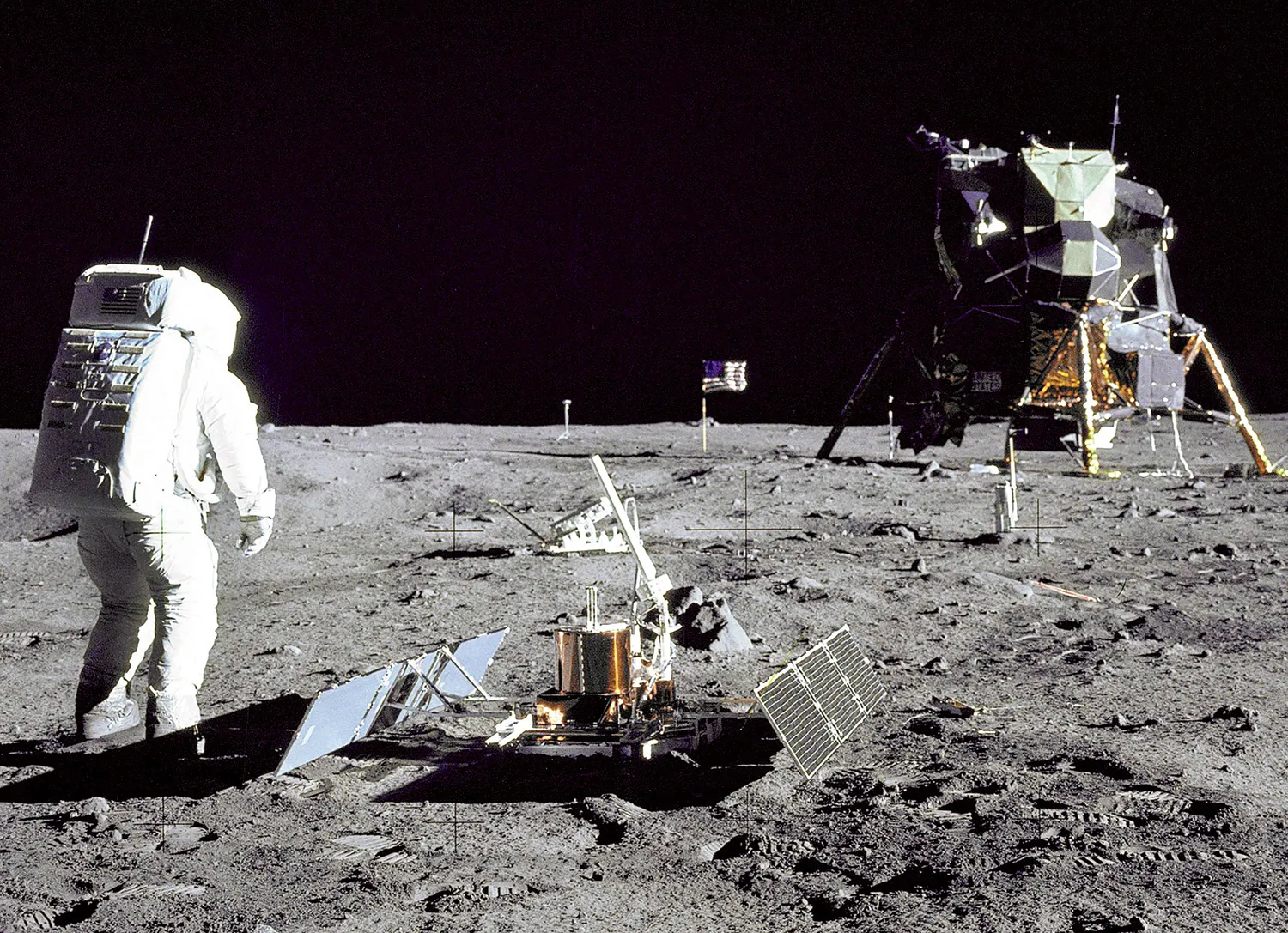
Lamont-Doherty Earth Observatory director Sean Solomon discusses how Apollo 11 affected the scientific community, how Lamont was involved, and what comes next for lunar exploration.
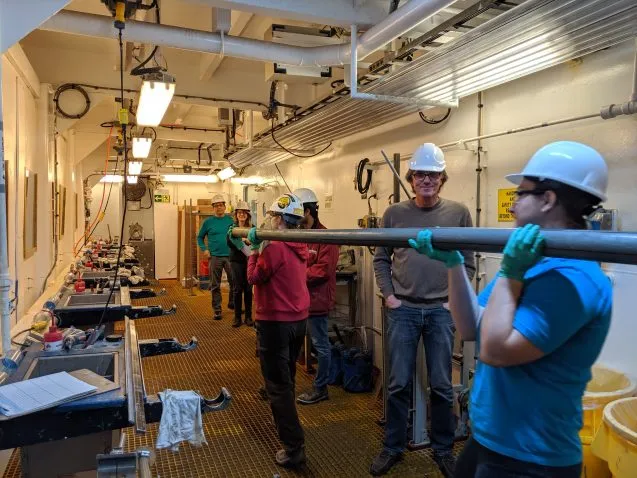
A scientist explains how she lines up wiggles on a screen to recover the missing layers in cores drilled from the bottom of the ocean.
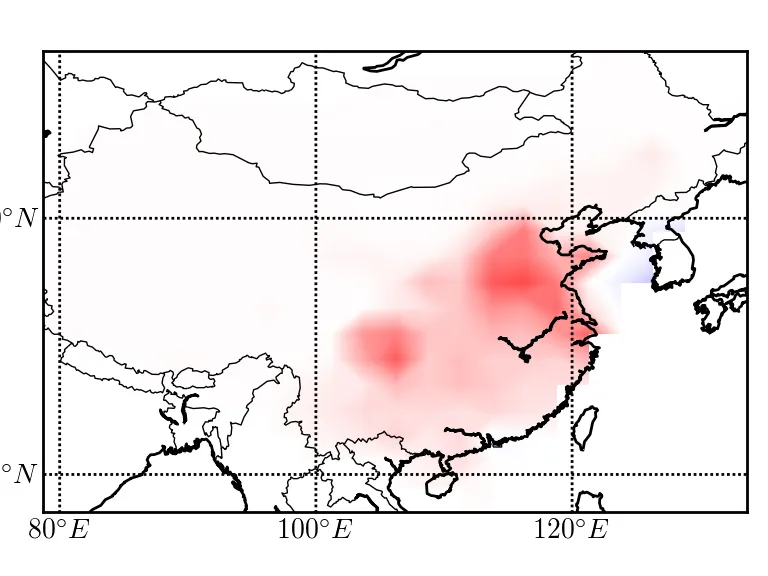
Climate change could worsen China’s already bad ozone pollution problem — but a new study shows that it doesn’t have to be that way.