
Lamont in the Media
Earth & Climate Science News
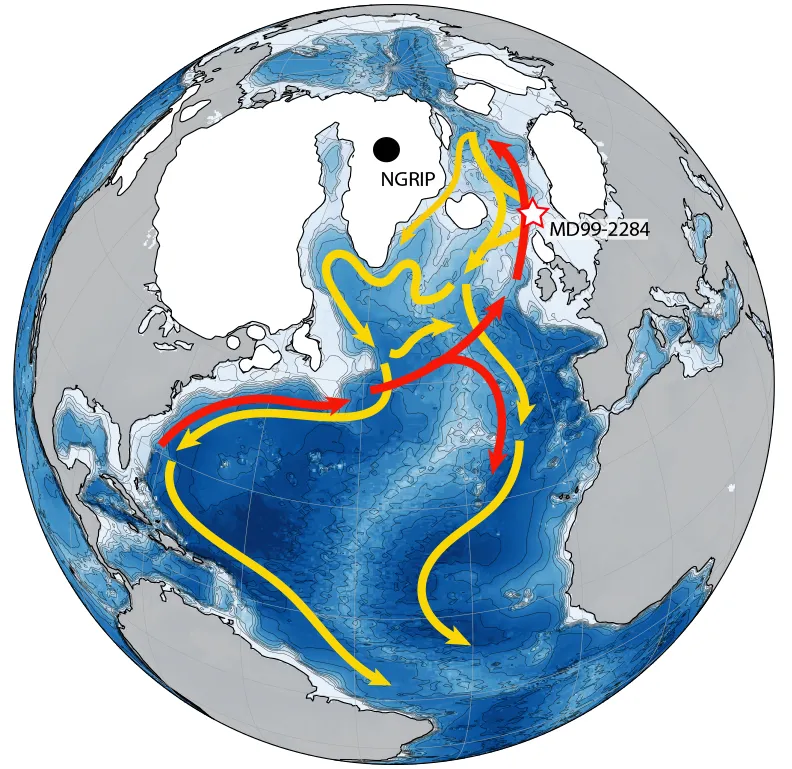
Led by Lamont-Doherty researchers, a new study is the first to measure the time lags between changing ocean currents and major climate shifts.

A variety of undergraduate, graduate and PhD positions are available in various departments and research centers. Apply by April 14, 2019.
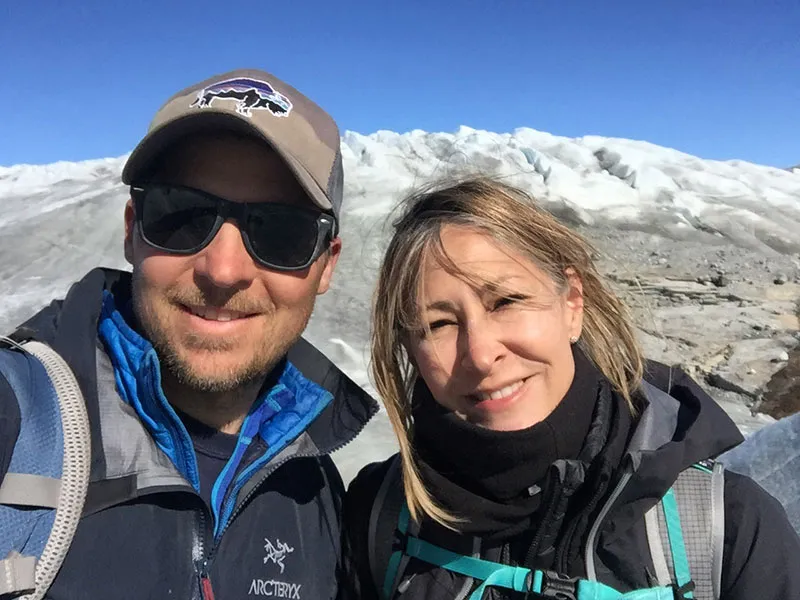
From polar bears to budget cuts, a climate reporter’s job is never easy. But for some, it’s worth the struggle.

A discussion on the challenges women scientists often face, and what we can all do to help.
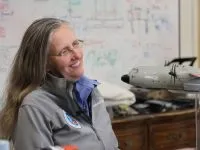
The world’s leading earth scientist is not allowing collective inaction to absolve her of personal responsibility.
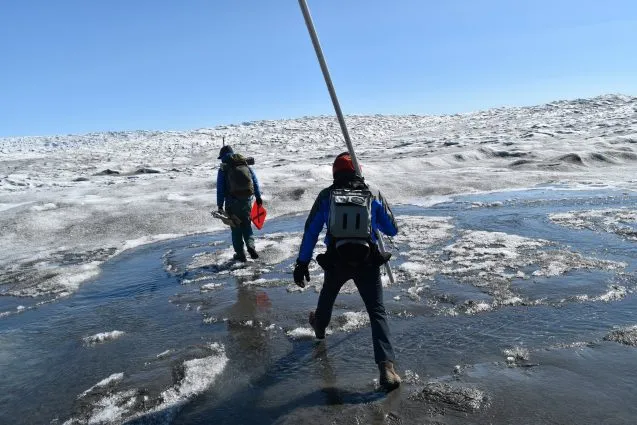
Rainy weather is becoming increasingly common over parts of the Greenland ice sheet, triggering sudden melting events that are eating at the ice and priming the surface for more widespread future melting, says a new study.
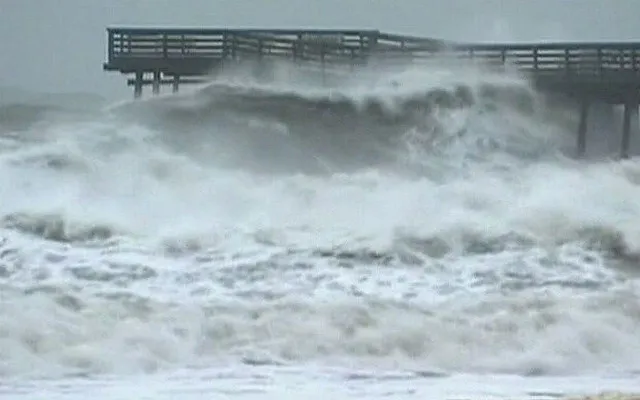
A new project is looking for the fingerprints of climate change in the hurricanes of today, so we’ll know what to expect in the near future.
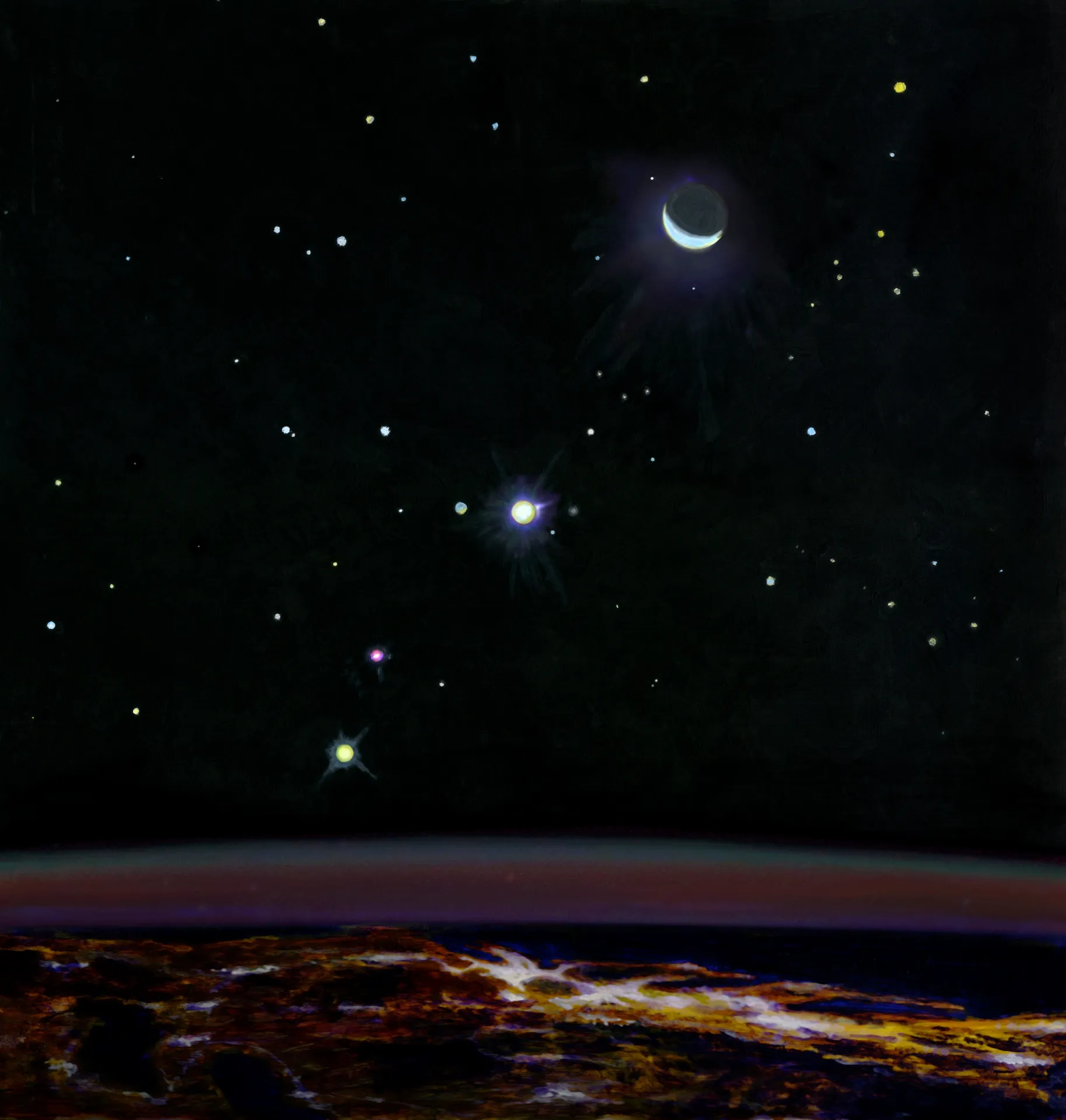
Scientists are developing a geologic record of how other planets have influenced the orbit of Earth, and thus its climate, over the last 200 million-plus years.

Newly analyzed drill cores taken from the bottom of Greece’s Gulf of Corinth show that sediment flow into the basin has varied dramatically over the past 500,000-plus years, as the earth passed in and out of ice ages, and humans later dominated the surrounding landscape.
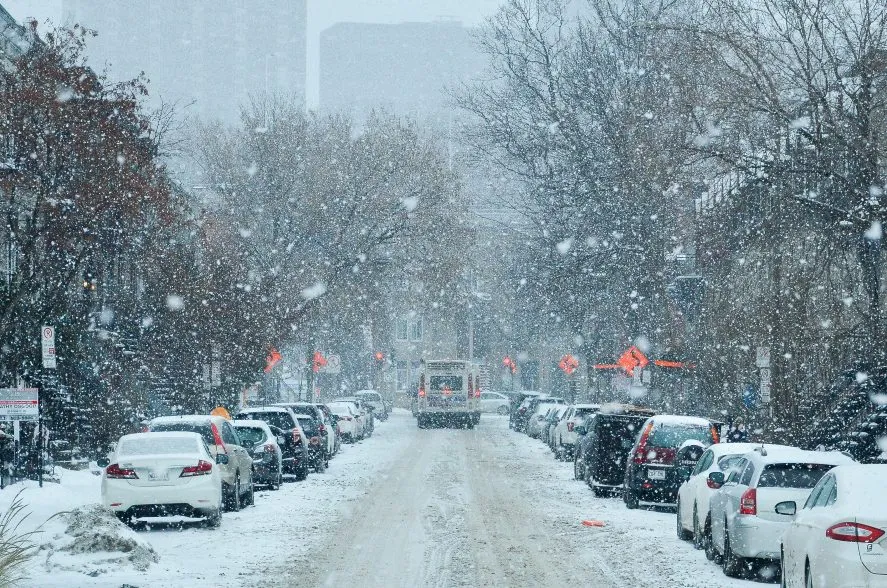
New developments in climate research led by atmospheric scientist Yutian Wu are adding to our understanding of the “polar vortex” and other extreme events.
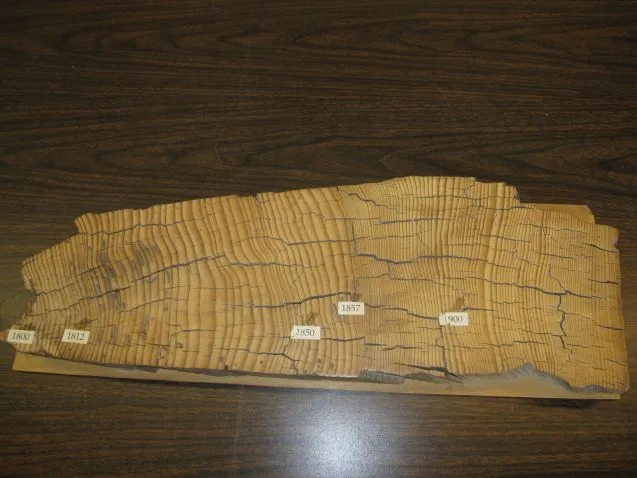
Measurements of stable isotopes in tree rings may expand the climate information that scientists can get from old trees.
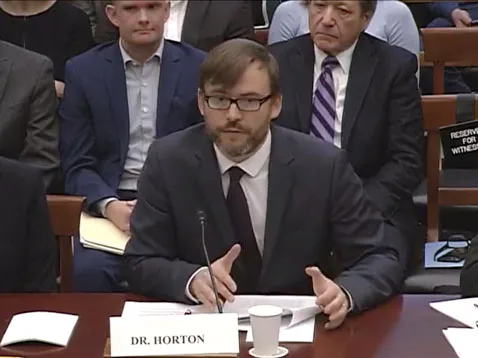
In a hearing before the House Subcommittee on Environment, Radley Horton delivered sobering remarks about how climate change will impact our coastlines, economy, and society at large.