
Lamont in the Media
Earth & Climate Science News

In addition to studying climate-related hazards, Juang is a talented artist who helps make STEM fields more accessible for underrepresented minorities. Somehow, she also finds time to sleep.
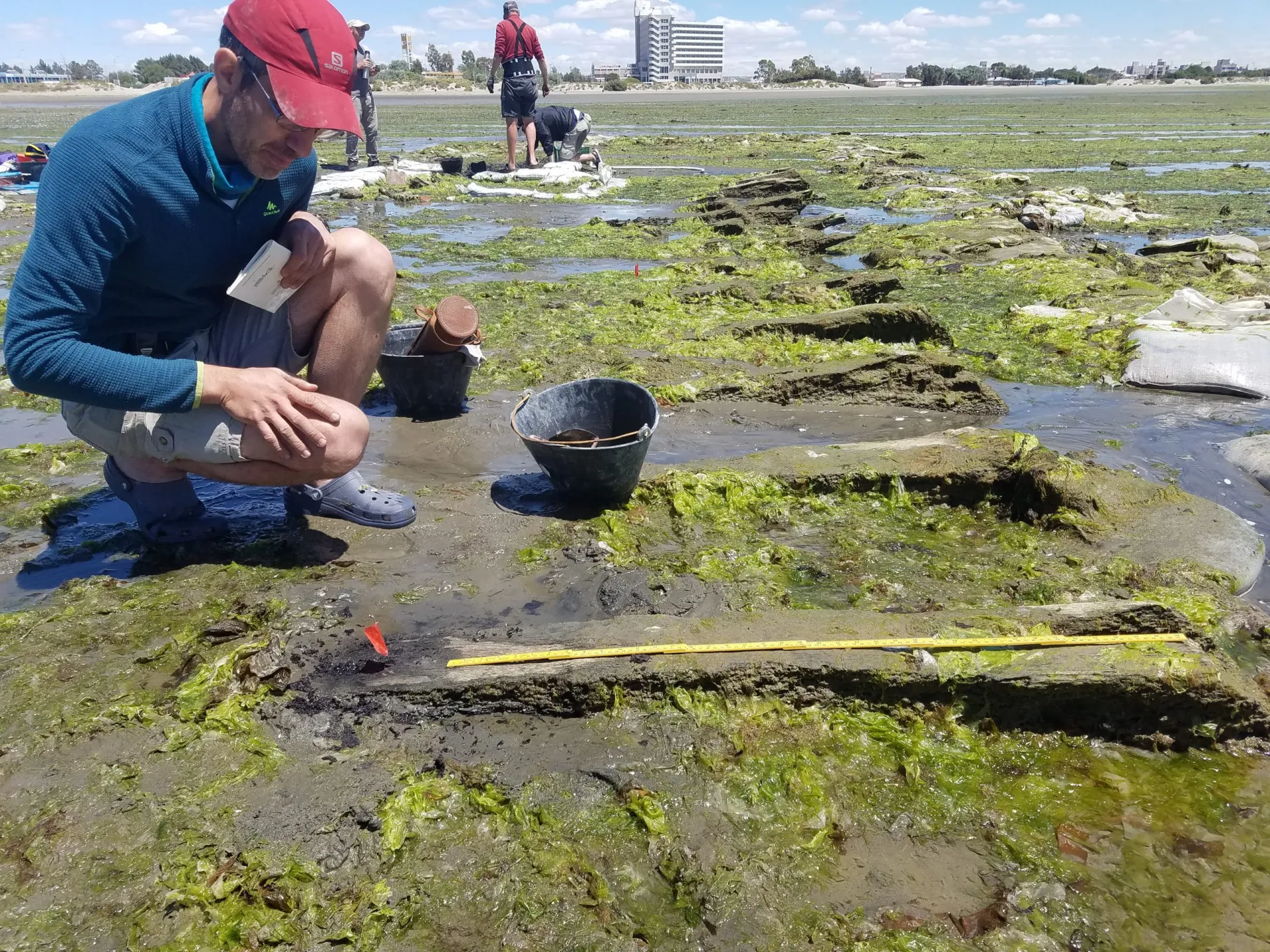
In 1858, a sailing ship left Warren, R.I., to hunt the globe for whales, and never returned. Where did it end up? Researchers from the southern and northern hemispheres joined to investigate.
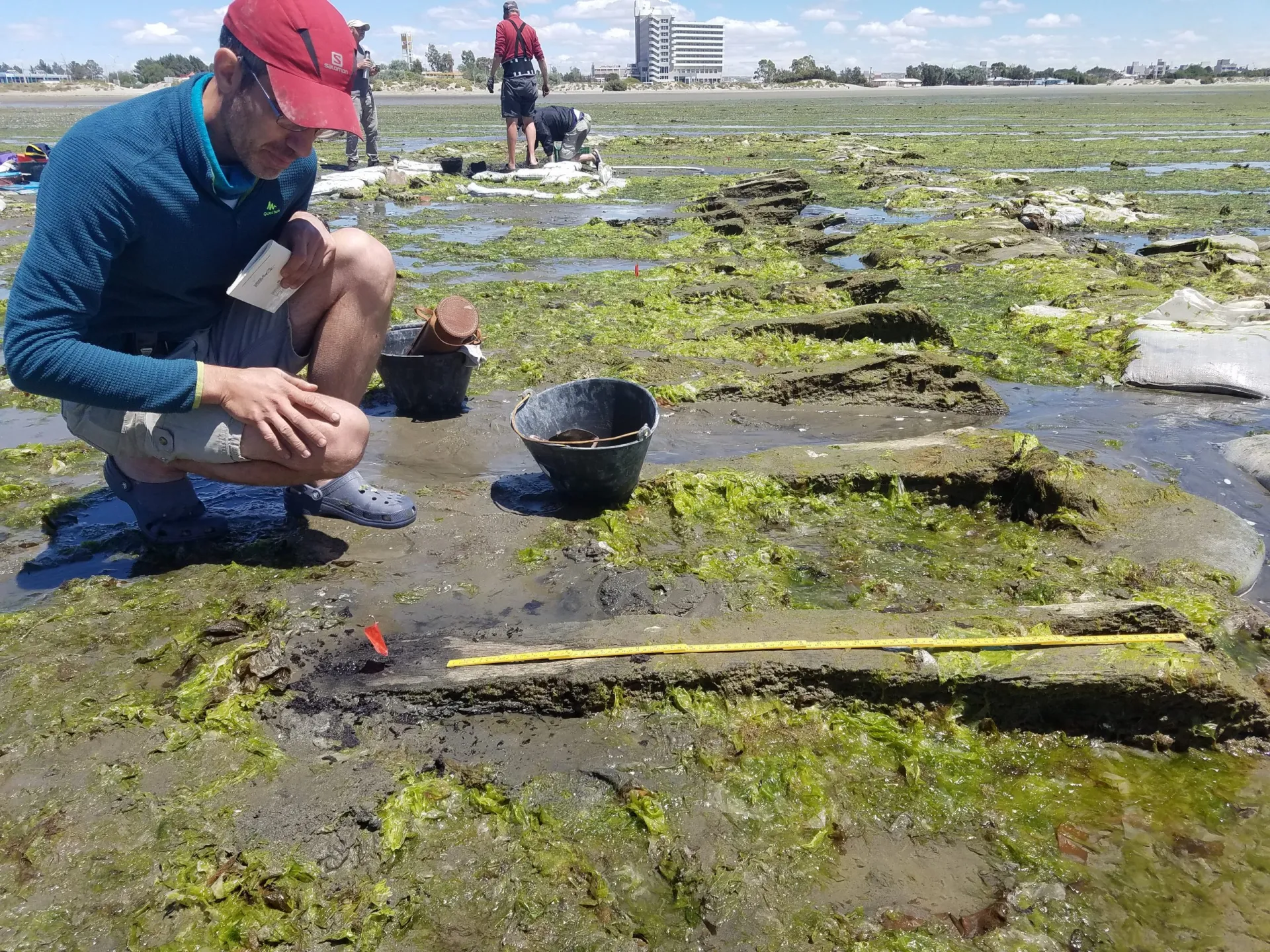
En 1858, un velero partió de una ciudad costera del noreste de Estados Unidos para cazar ballenas alrededor del mundo y nunca regresó. ¿Dónde terminó? Investigadores de los hemisferios sur y norte se unieron para dar respuesta a este misterio.
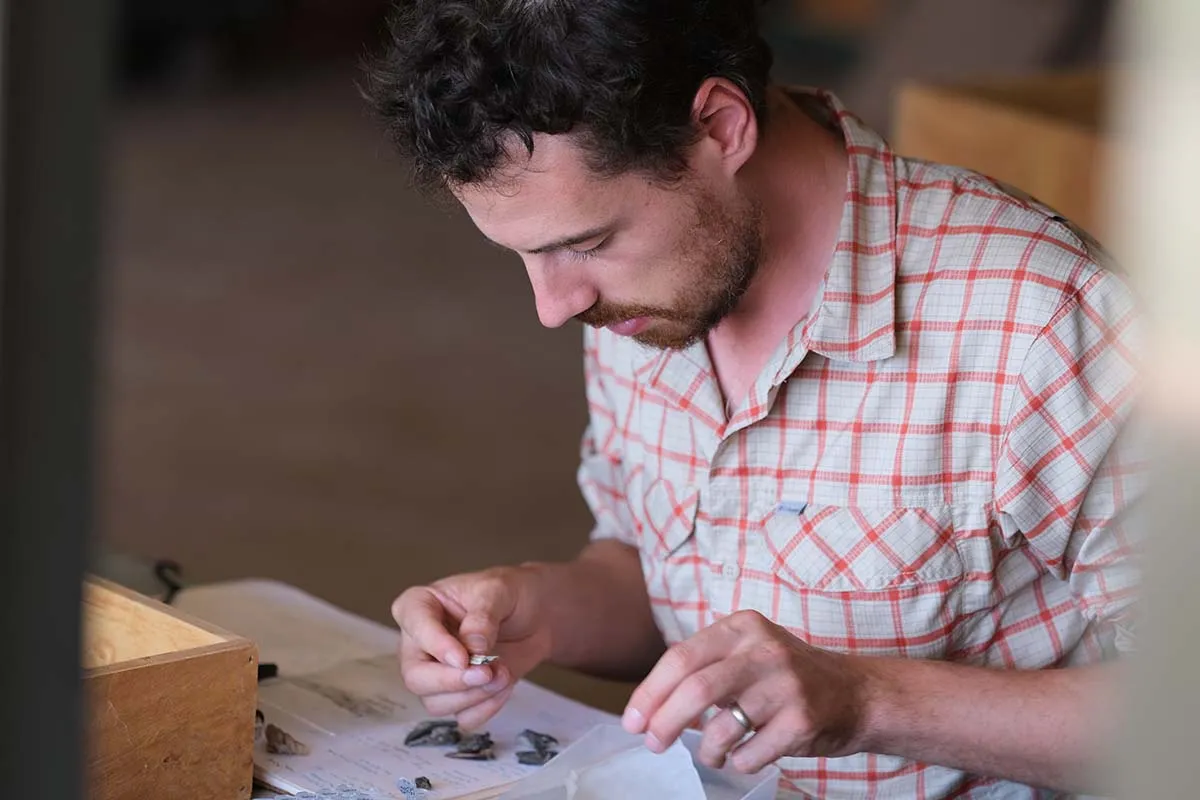
A new study shows that natural variants of oxygen within ancient animal teeth recorded details of seasonal rainfall, environmental conditions and animal behavior.
Opportunities related to climate, sustainable development, and the environment are available with distinguished faculty and researchers.
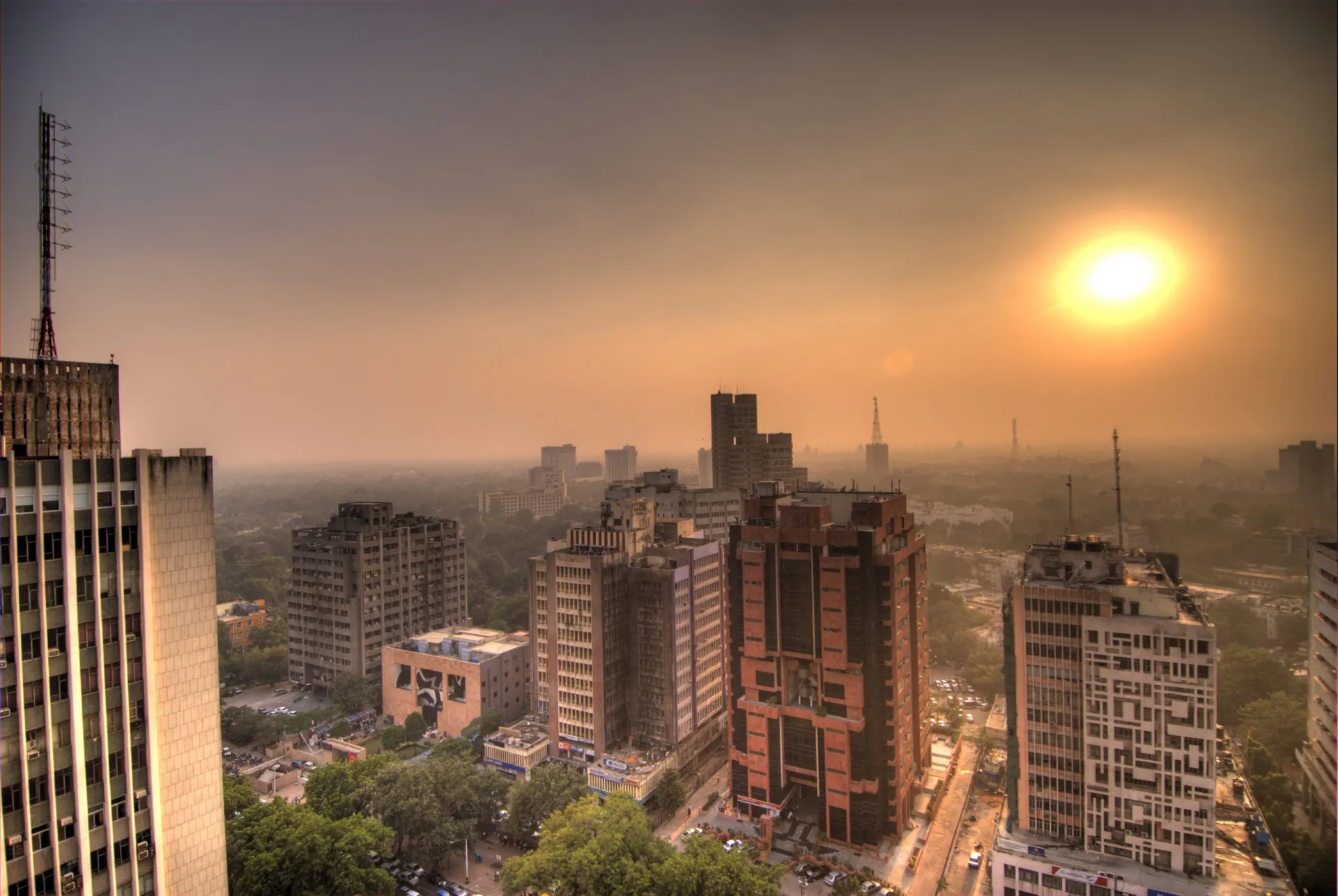
Getting rid of some air pollutants might aggravate global warming. Here’s how.
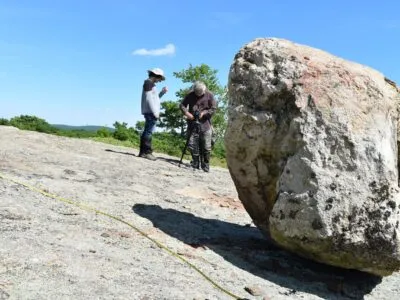
Long ago, melting glaciers dropped giant boulders onto surfaces in the New York City exurbs, and many seem to remain in their original, delicately balanced positions. Can they be used to judge the maximum sizes of past earthquakes?
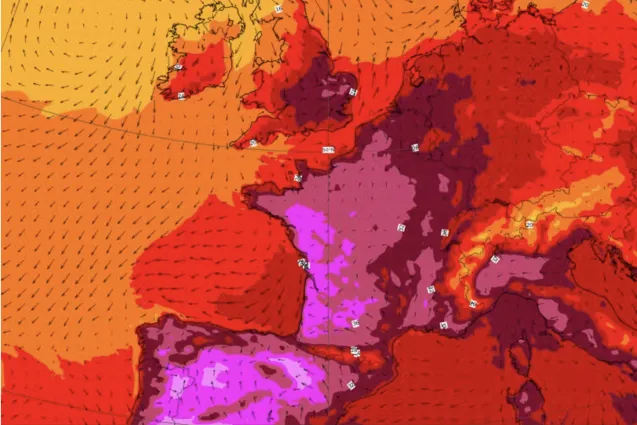
Hundreds of people have lost their lives in Spain and Portugal due to a heat wave that is moving north and east.
A new study shows that weather systems that normally cool part of the continent are being diverted northward. This is combining with overall warming to produce long-lived heat waves.
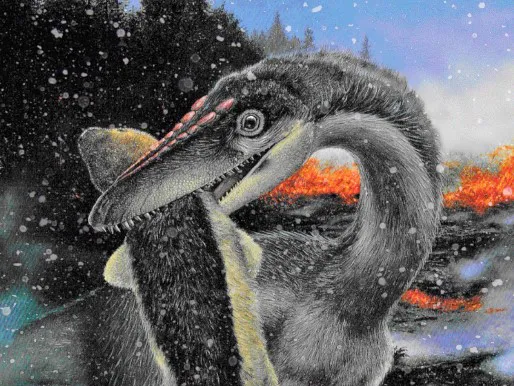
There is new evidence that ancient high latitudes, to which early dinosaurs were largely relegated, regularly froze over, and that the creatures adapted—an apparent key to their later dominance.
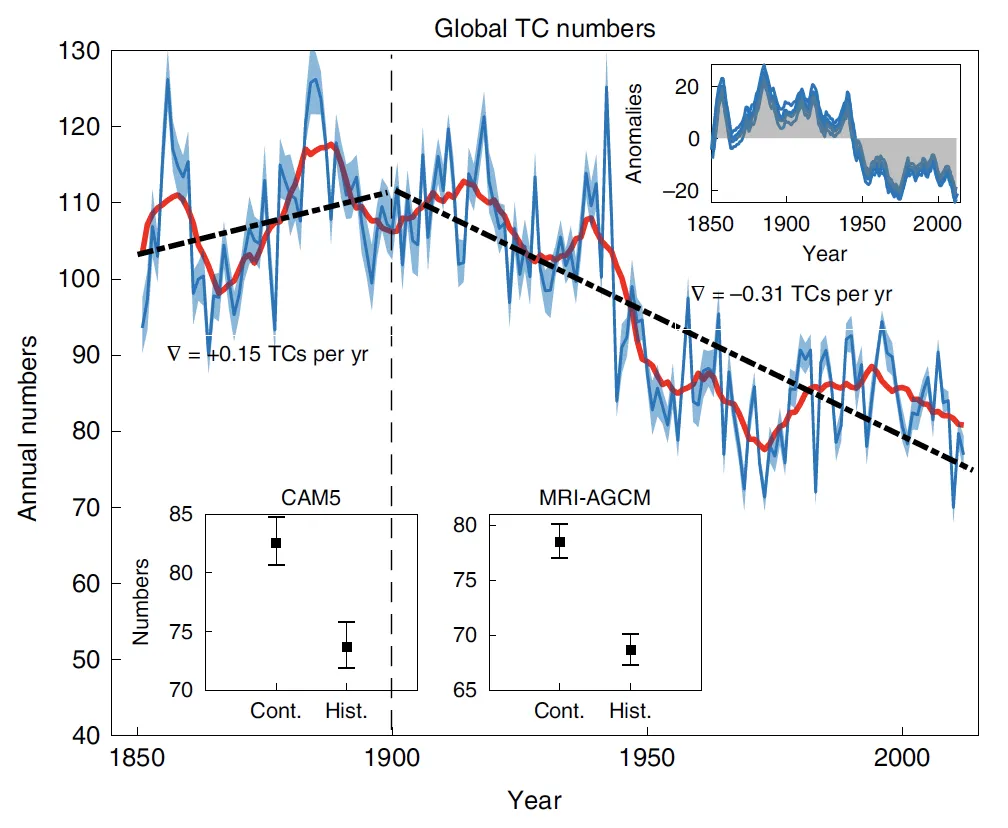
Using historical records and model data, researchers have for the first time shown that the annual number of tropical cyclones dropped during the 20th century compared with the late 19th century.
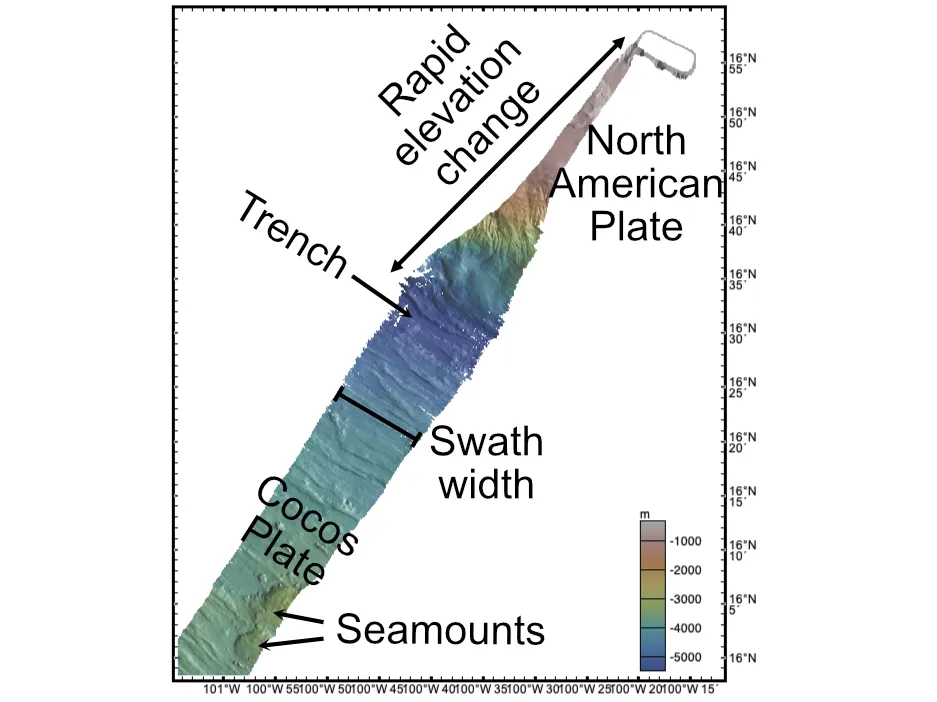
How researchers are plumbing the seafloor during a quest to understand ‘silent’ earthquakes off the Mexican coast.