
Lamont in the Media
Earth & Climate Science News
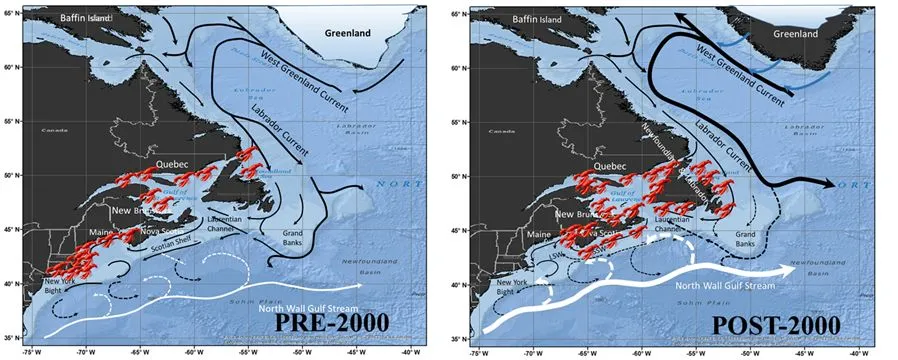
Changes in water temperature and circulation could have big impacts for a major fishery.
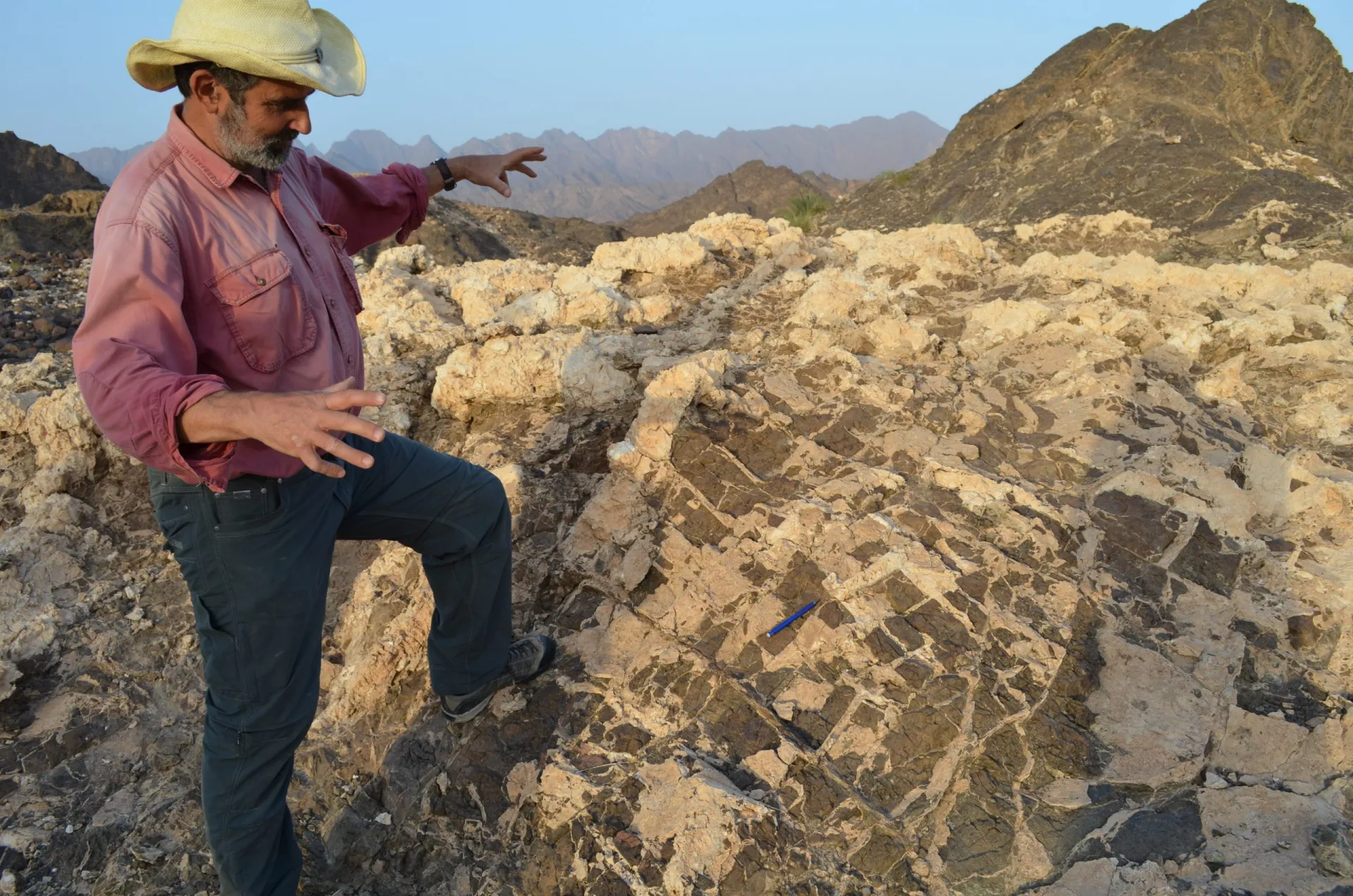
With the award of a 2022 Earthshot prize, new technology to remove carbon from the air by speeding up natural underground chemical reactions moves closer to reality.
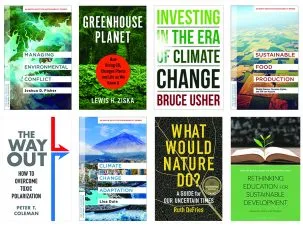
Give the gift of deeper knowledge with these new books written by Columbia University scholars.
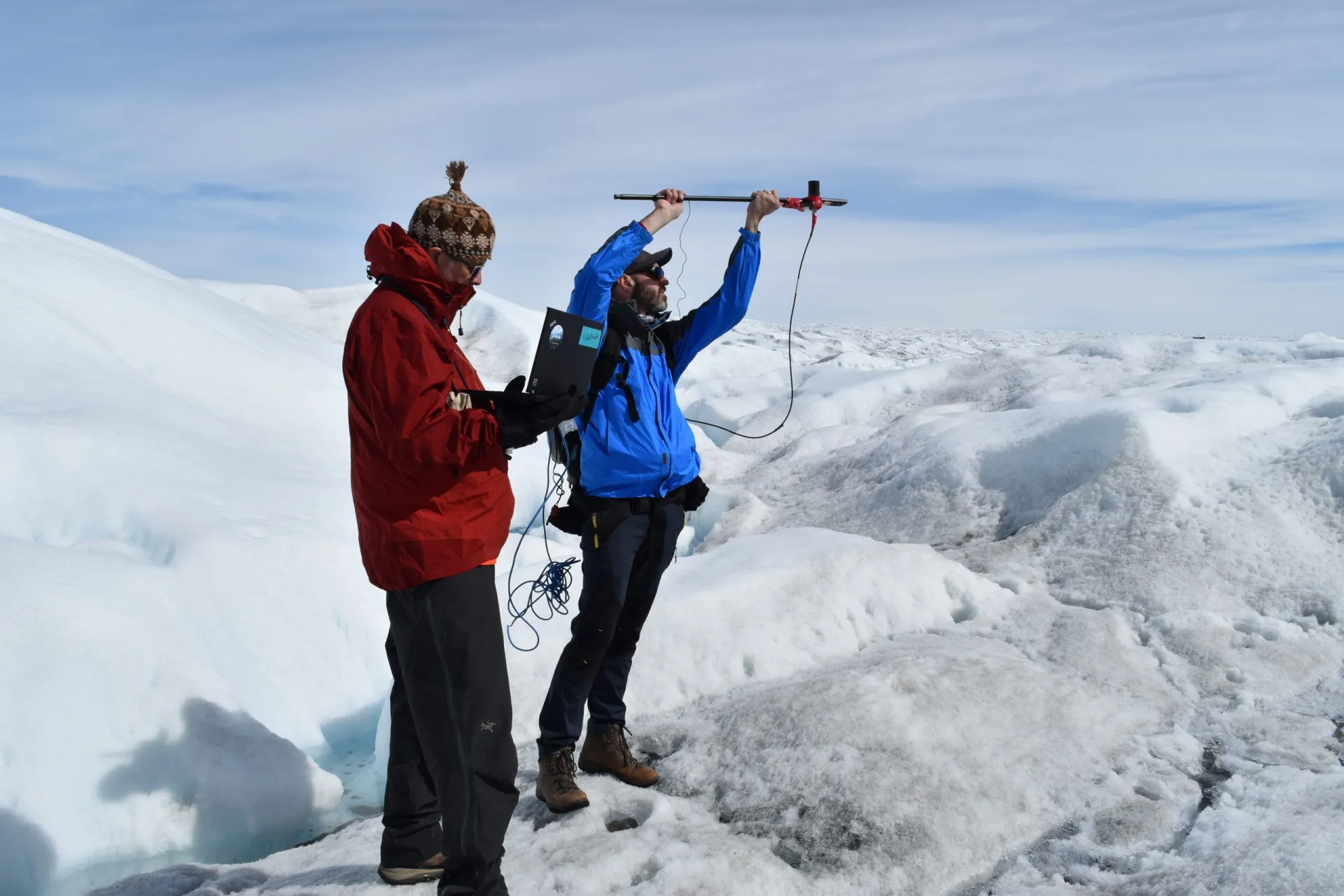
A guide to some of the most provocative and groundbreaking talks at the world’s largest gathering of earth and space scientists.
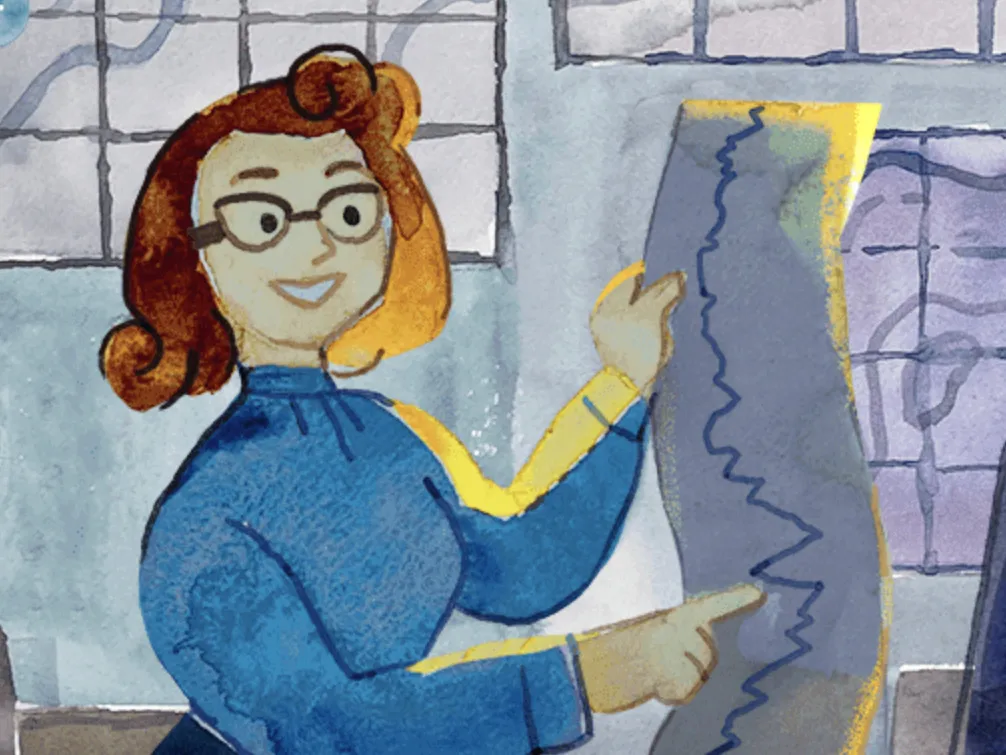
Tharp co-published the first world map of the ocean floors and helped prove the theory of continental drift.

Several weeks during summer 2021 saw heat records in the western United States and Canada broken not just by increments, but by tens of degrees, an event of unprecedented extremity. To what degree was it climate change, bad luck, or a combination?
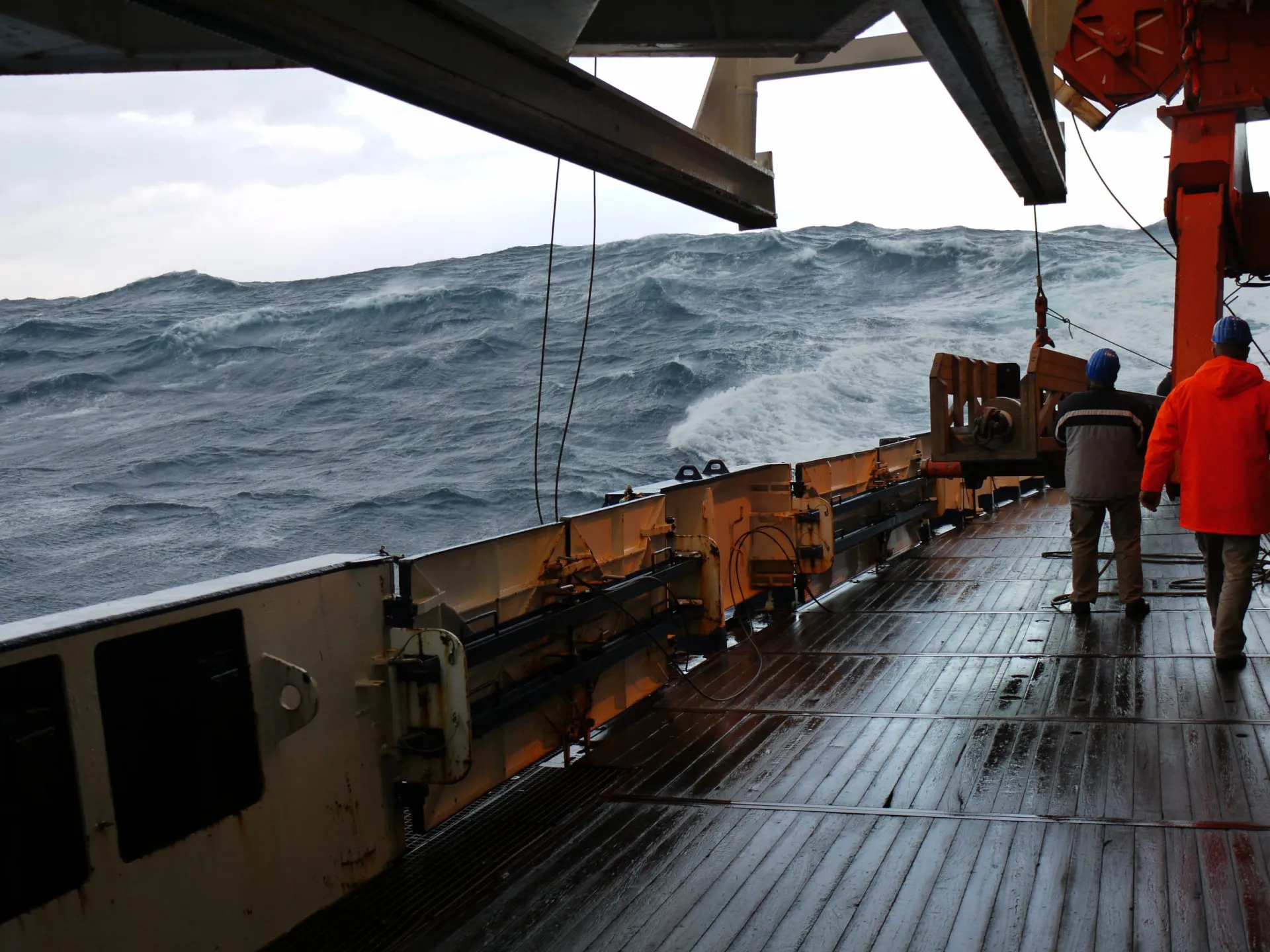
Dust from the land that gets blown into the ocean appears to influence natural climate swings. A new study looks into where much of that dust came from in the past 260,000 years.
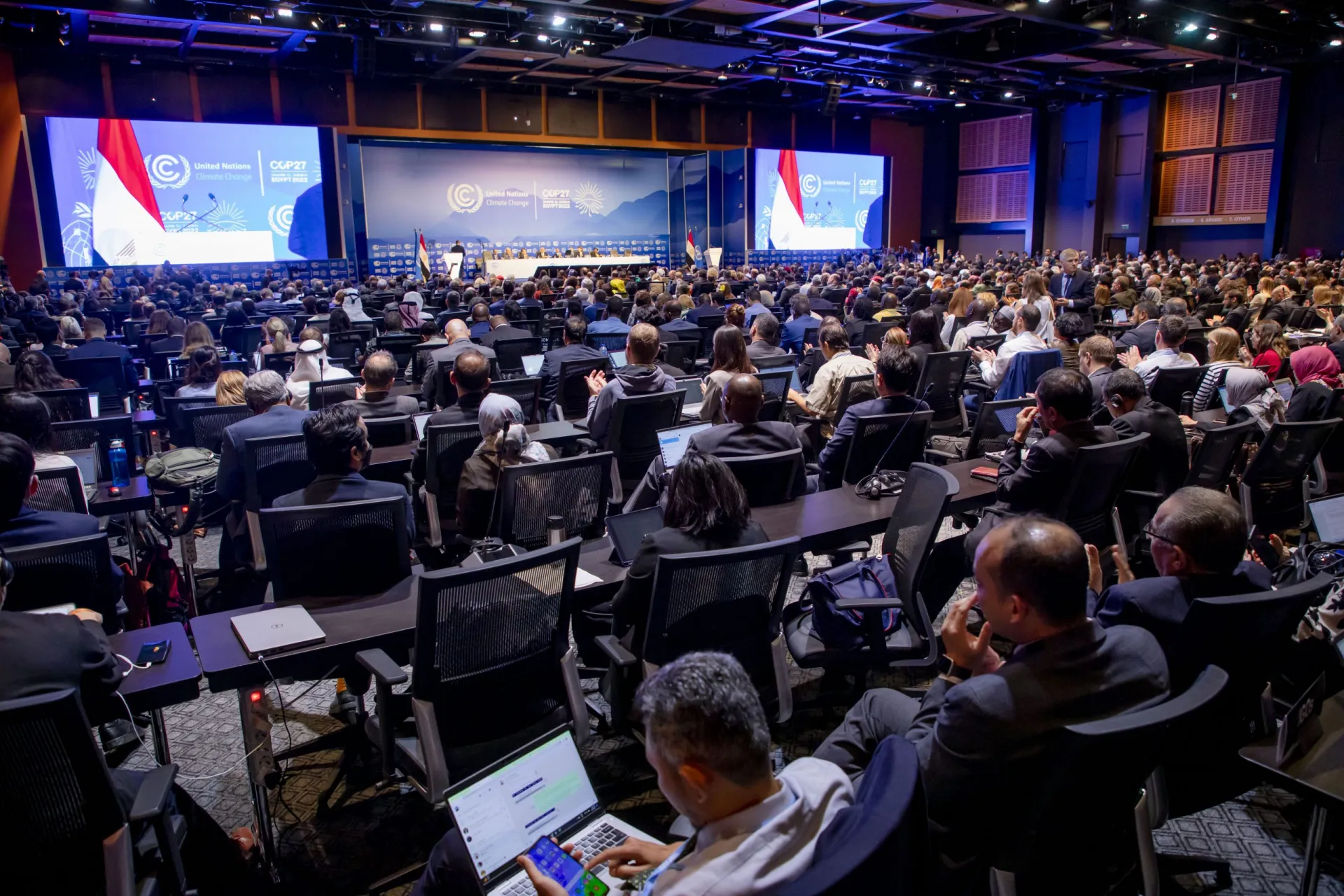
Delegates from Columbia Climate School discuss the achievements and shortfalls of COP27, as well as what took place outside the negotiation room.

Moving from fossil fuels to solar panels, wind turbines and other renewable energy sources will by itself create a new stream of carbon emissions with the construction so much new infrastructure. The good news: Speeding the transition would greatly reduce this effect.
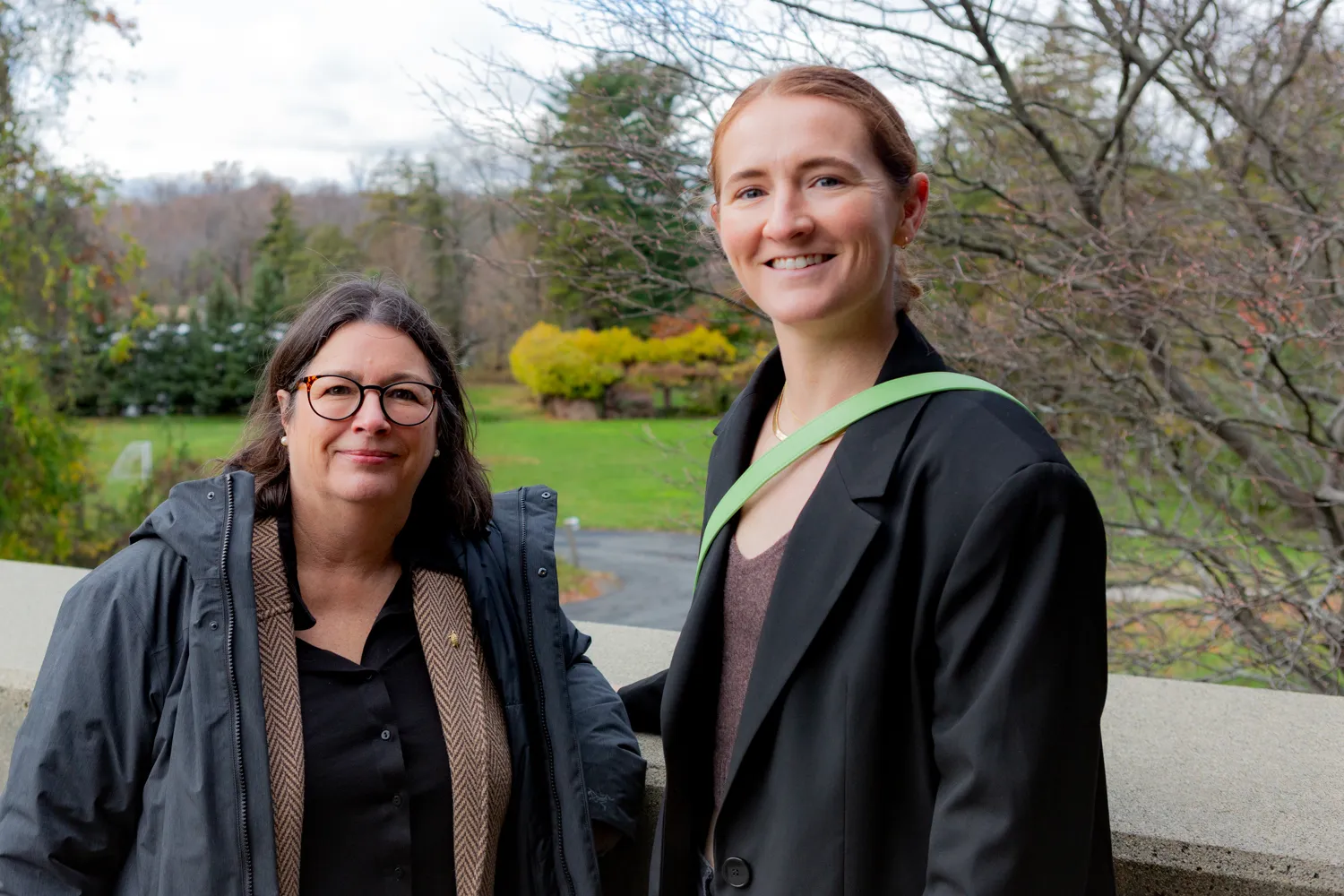
With the World Cup nearly upon us, professional soccer player Samantha Mewis spoke with Climate School experts in an event focusing on how climate change is impacting sports.
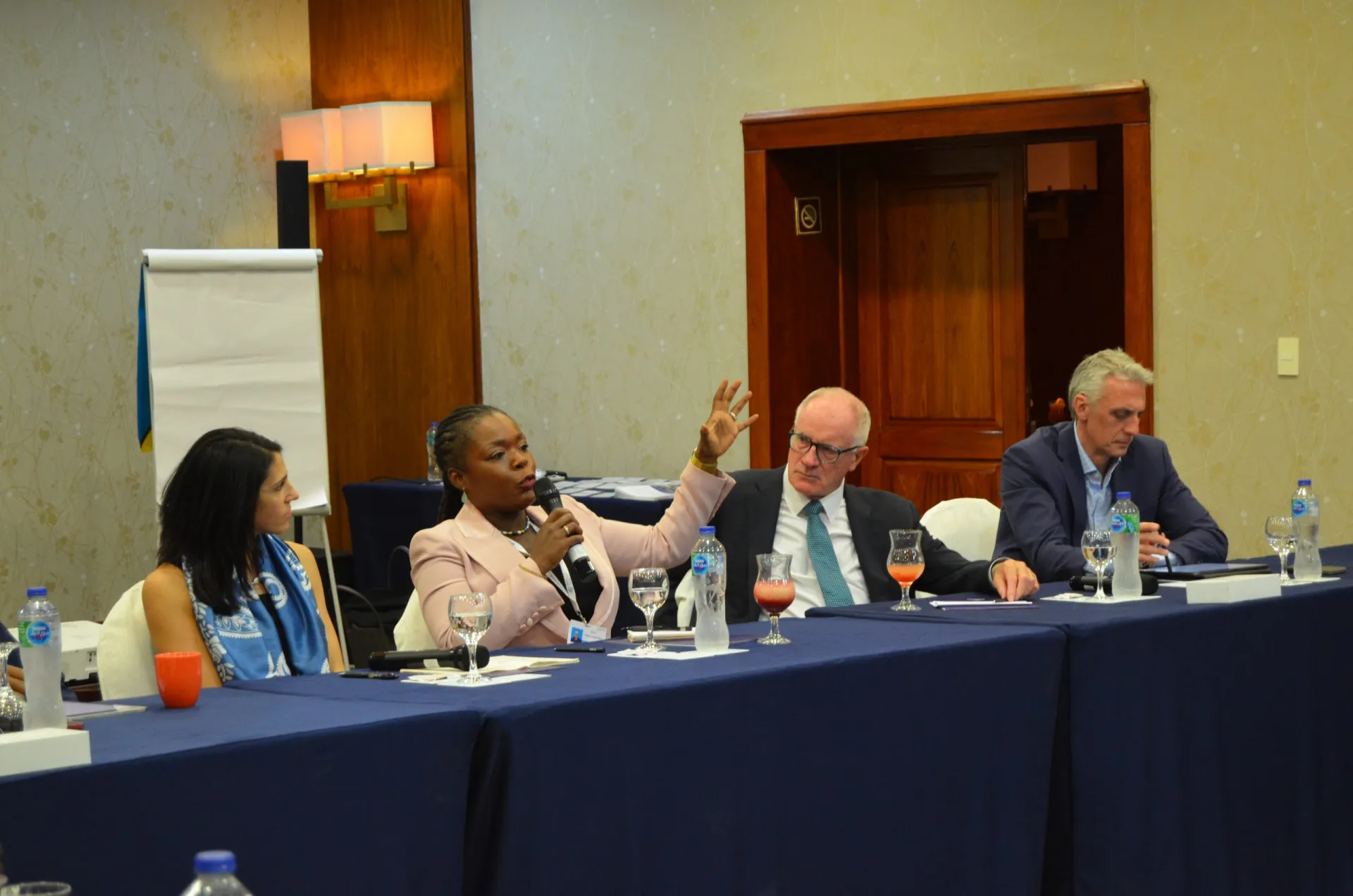
Learn more about how Columbia Climate School has been advancing the conversation at the world’s most important climate change summit.
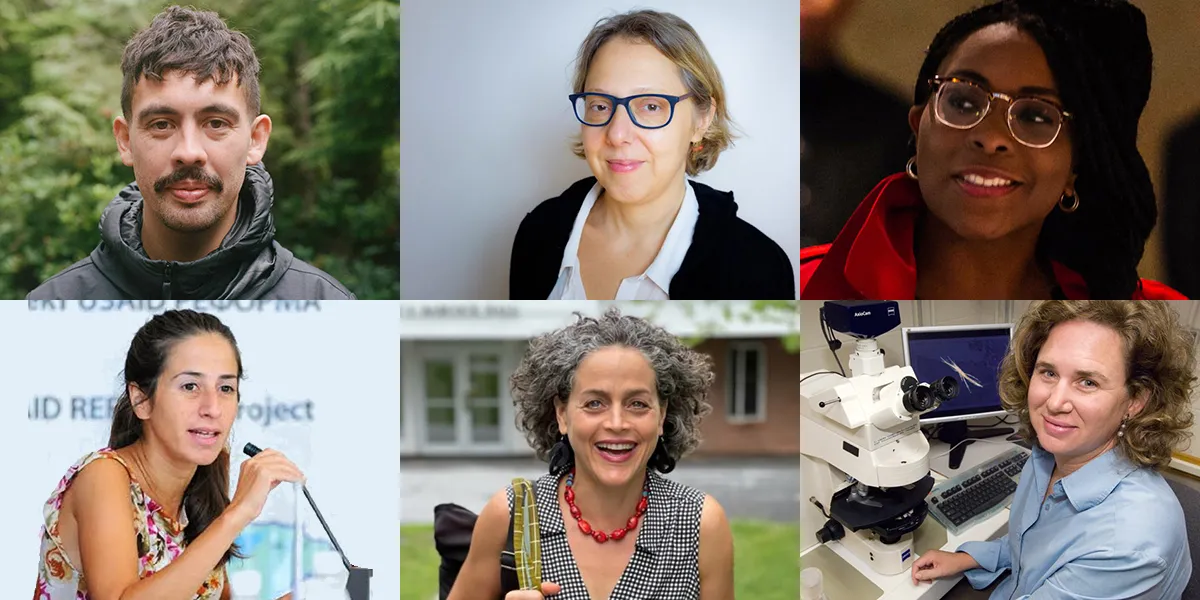
A number of representatives from the Columbia Climate School will be attending the global climate summit in Egypt. Here’s what they’ll be up to, and what they hope to achieve.