
Lamont in the Media
Earth & Climate Science News
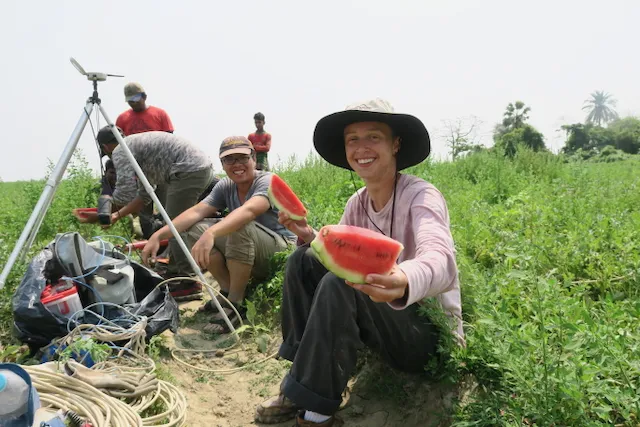
Continuing our electromagnetic survey of fresh and saline groundwater, we saw the landscape change from lush watermelon fields to fallow rice fields as the salinity increased towards the sea.
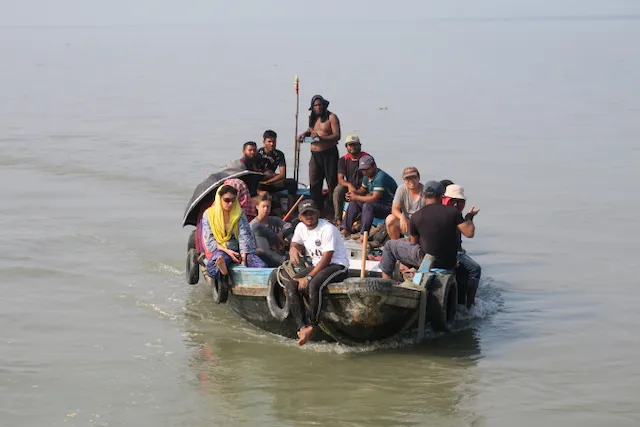
We are continuing our measurements of fresh and saline groundwater in Bangladesh using electromagnetic instruments. We finished our first set of measurements and have now shifted farther east near Barisal where groundwater is fresher.
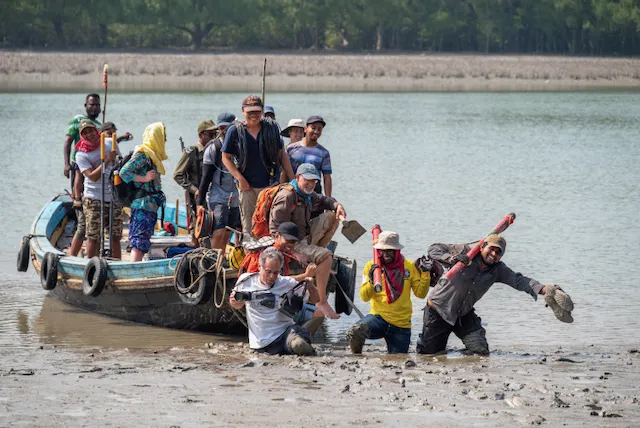
We continued our electromagnetic expedition to image fresh and saline groundwater into the Sundarbans Mangrove Forest, the world’s largest. While guards protected us from tigers, it was a wild boar that dug up some of our equipment.
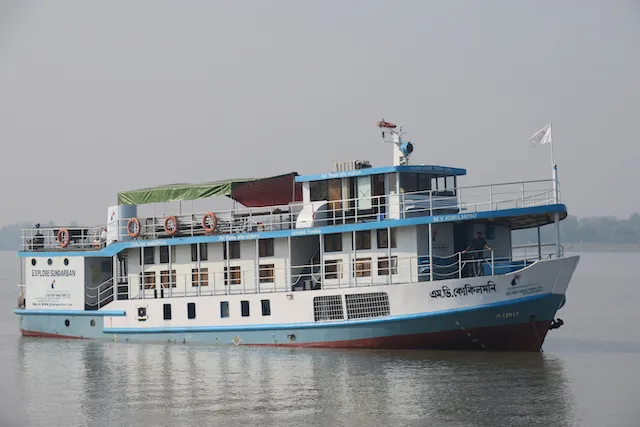
I am back in Bangladesh to explore the distribution of fresh and saline groundwater in the coastal zone, needed for drinking in the dry season.
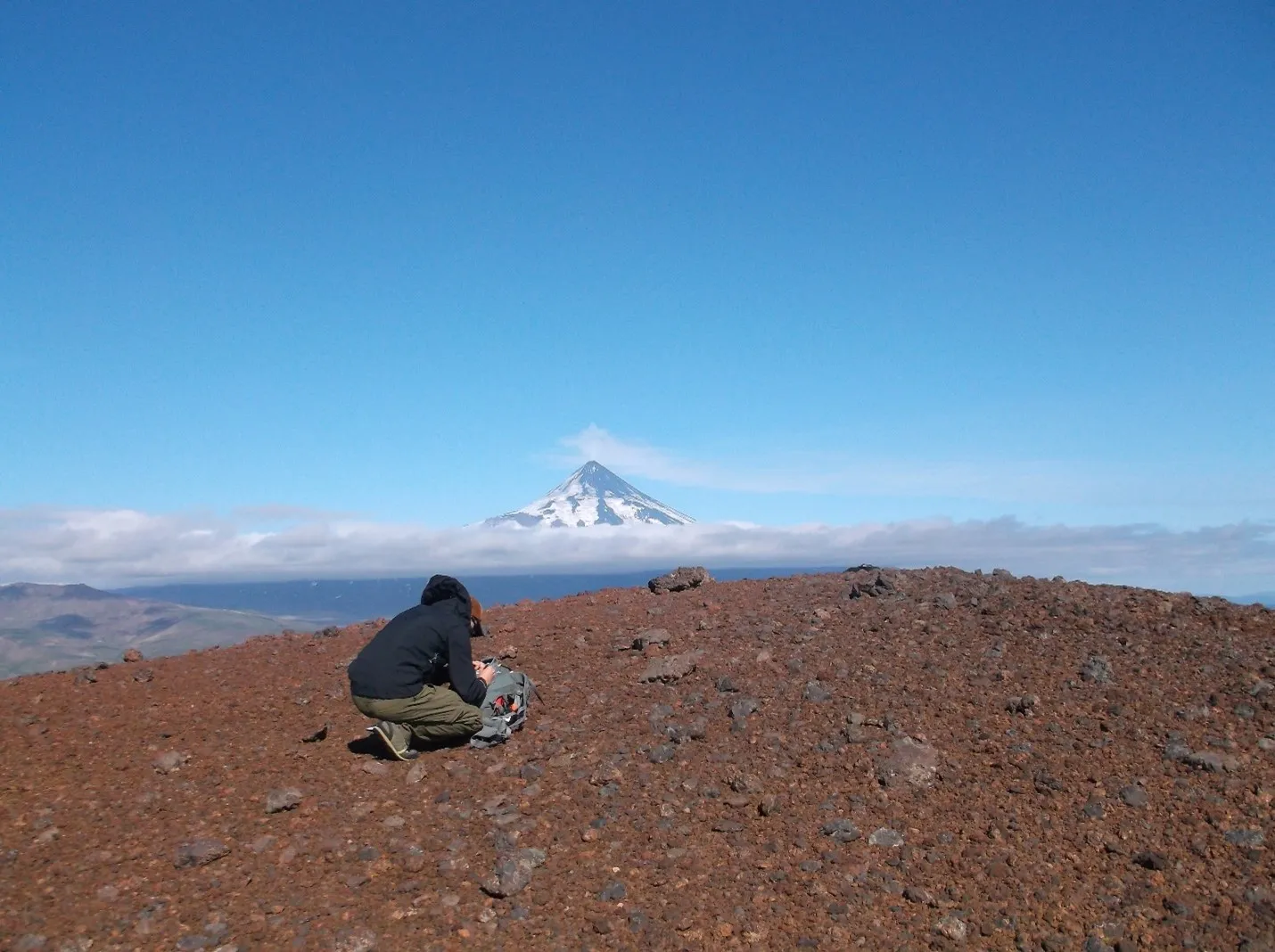
Research into volcanoes in the Aleutian Islands and elsewhere overturns the conventional understanding of what controls the depth at which rising magma is stored.

A dendrochronologist explains how tree rings can teach us about our past, present, and future.
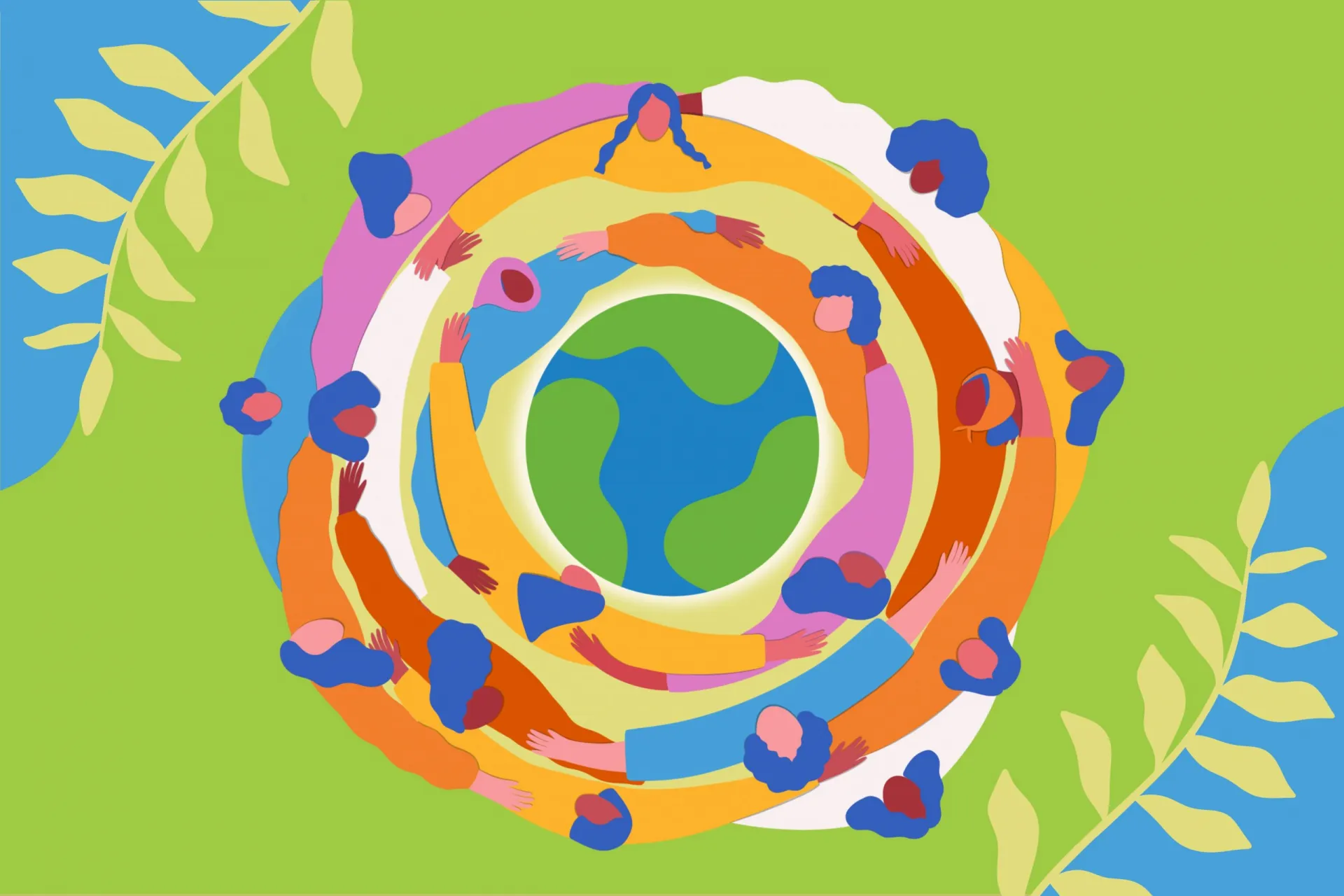
For International Women’s Day, we highlight a few women in the Columbia Climate School who are leading on climate science and adaptation, and helping to promote equity, sustainability, and resilience.
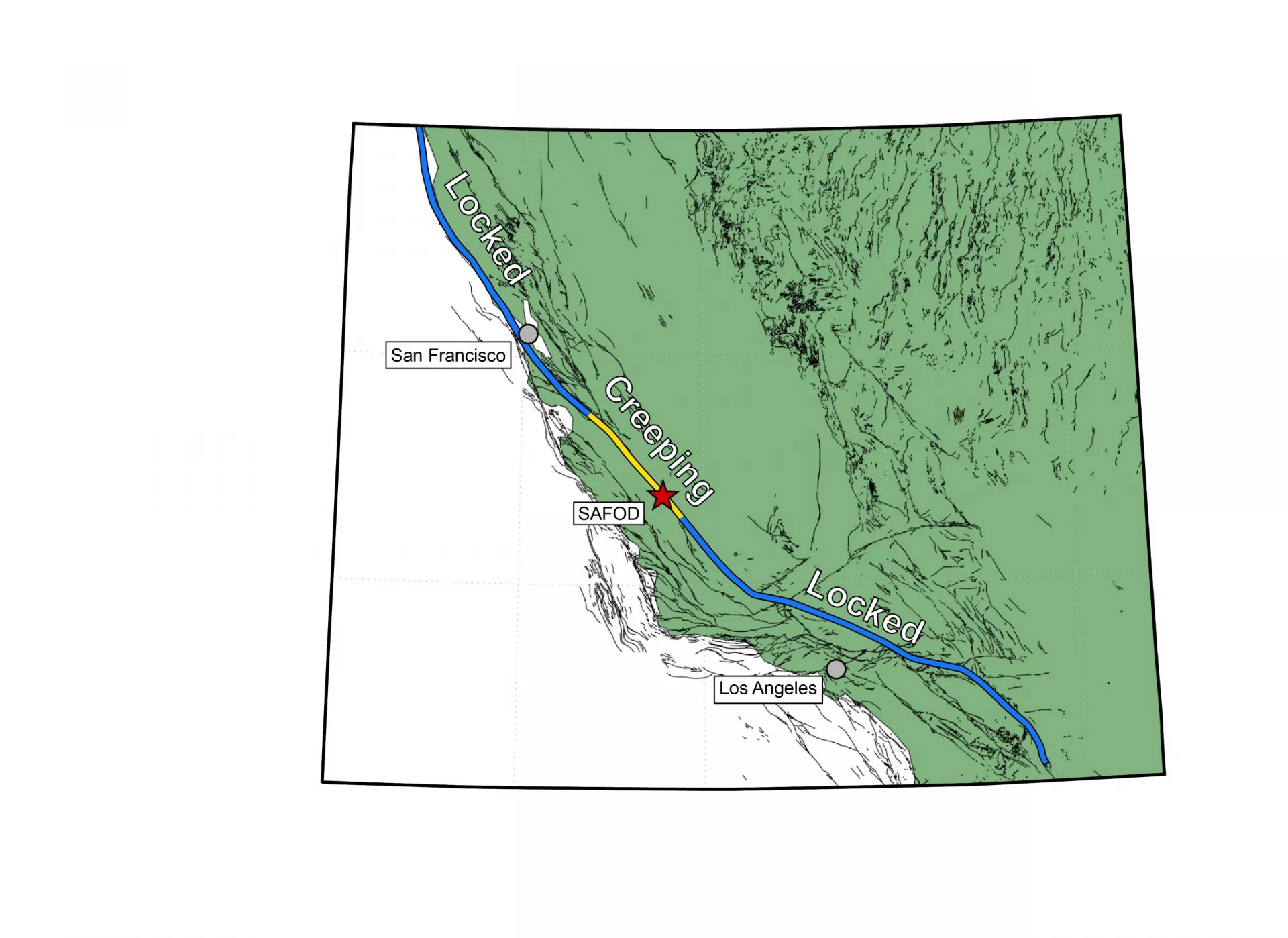
The central section of the great fault spanning California, thought to be creeping along harmlessly at the moment, has experienced big quakes in the past, says a new study.
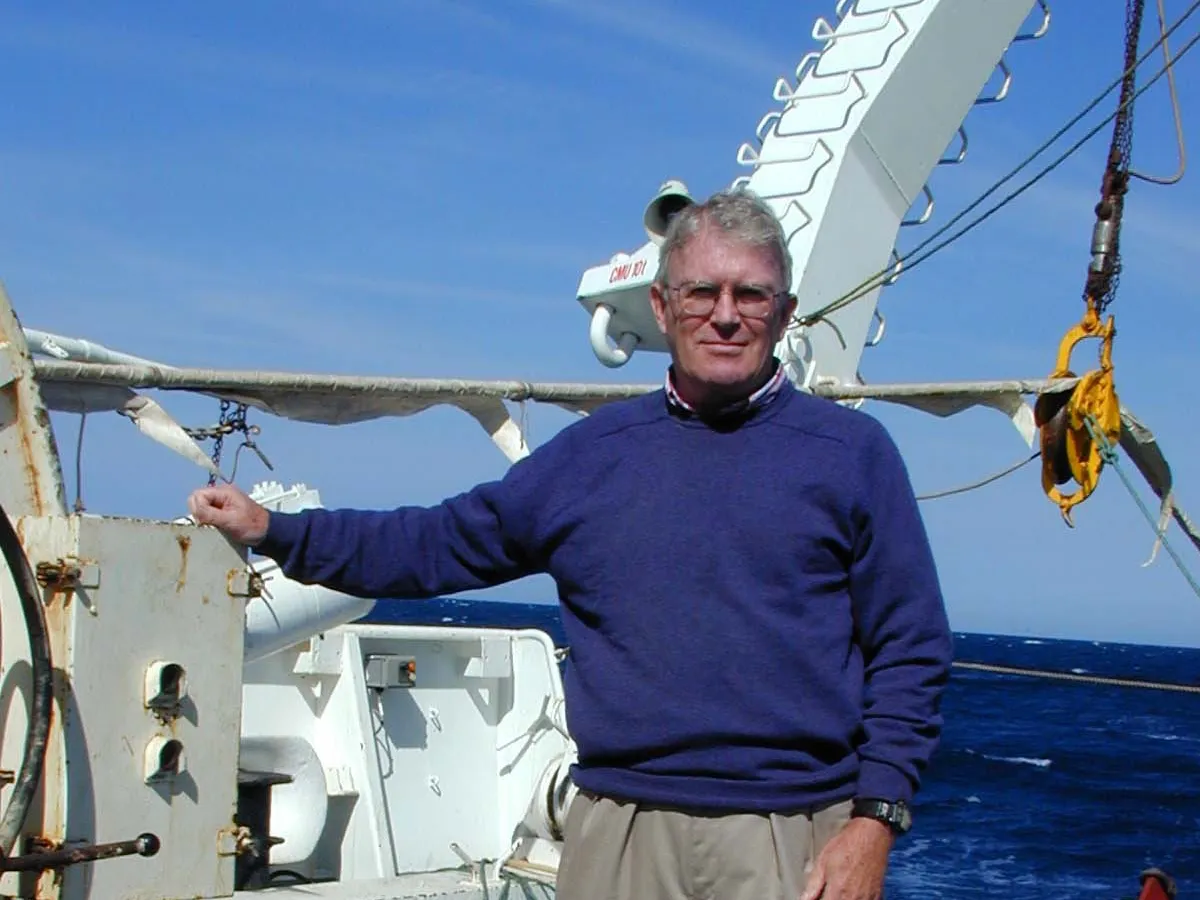
Marine geologist William B.F. Ryan discusses once seemingly unlikely theories about the evolution of oceans and seas, the hunt for the wreck of the Titanic, the Biblical Flood, and more.
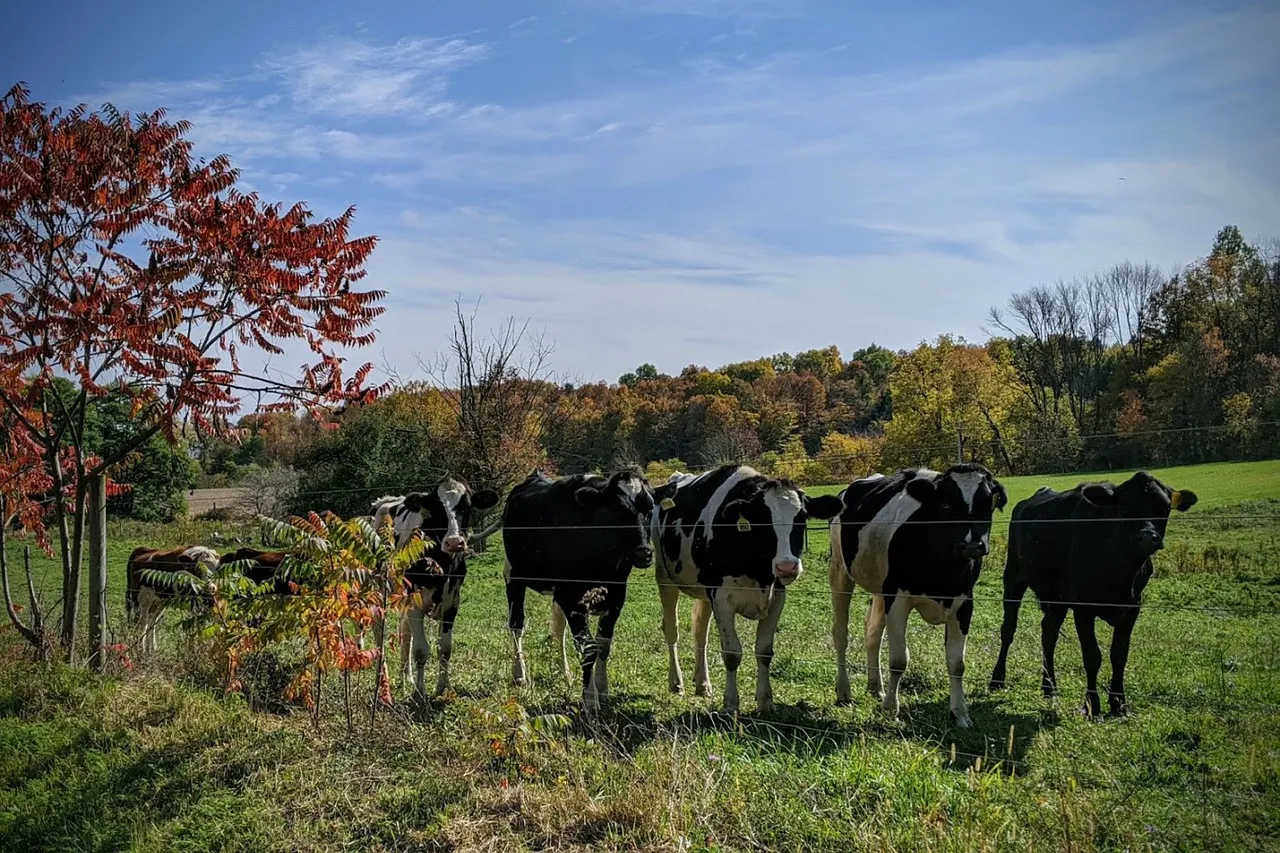
Scientists are using mobile instruments to measure and hopefully help reduce emissions from landfills, cities, farms, waste treatment plants and other sources where mitigation measures could be put in place.
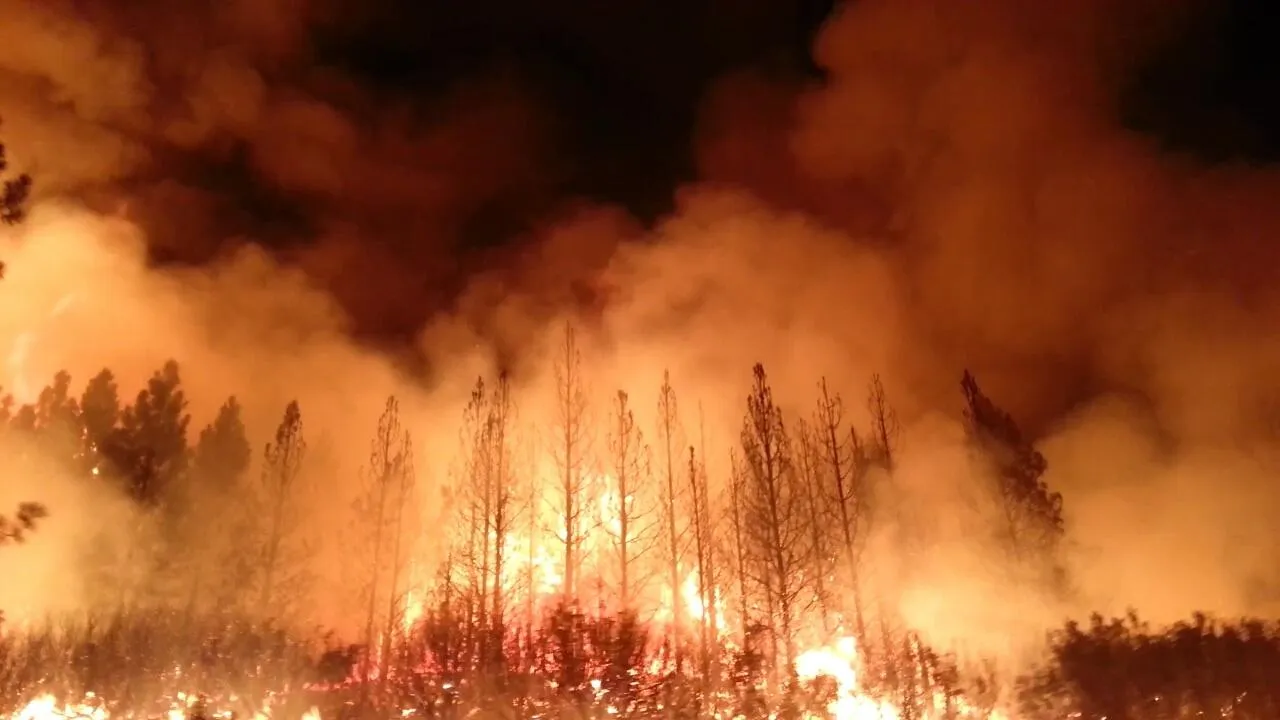
Fires may increase stream flow for years after sweeping the surface, and temporarily increase downstream water supplies. But they may also increase the risks of landslides and floods in affected areas.
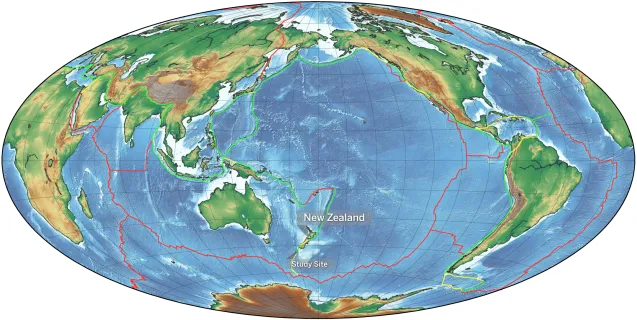
A study of an emerging zone off New Zealand suggests that the process, vital for life on Earth, may at first be localized and then develop into something much larger.