
Lamont in the Media
Earth & Climate Science News
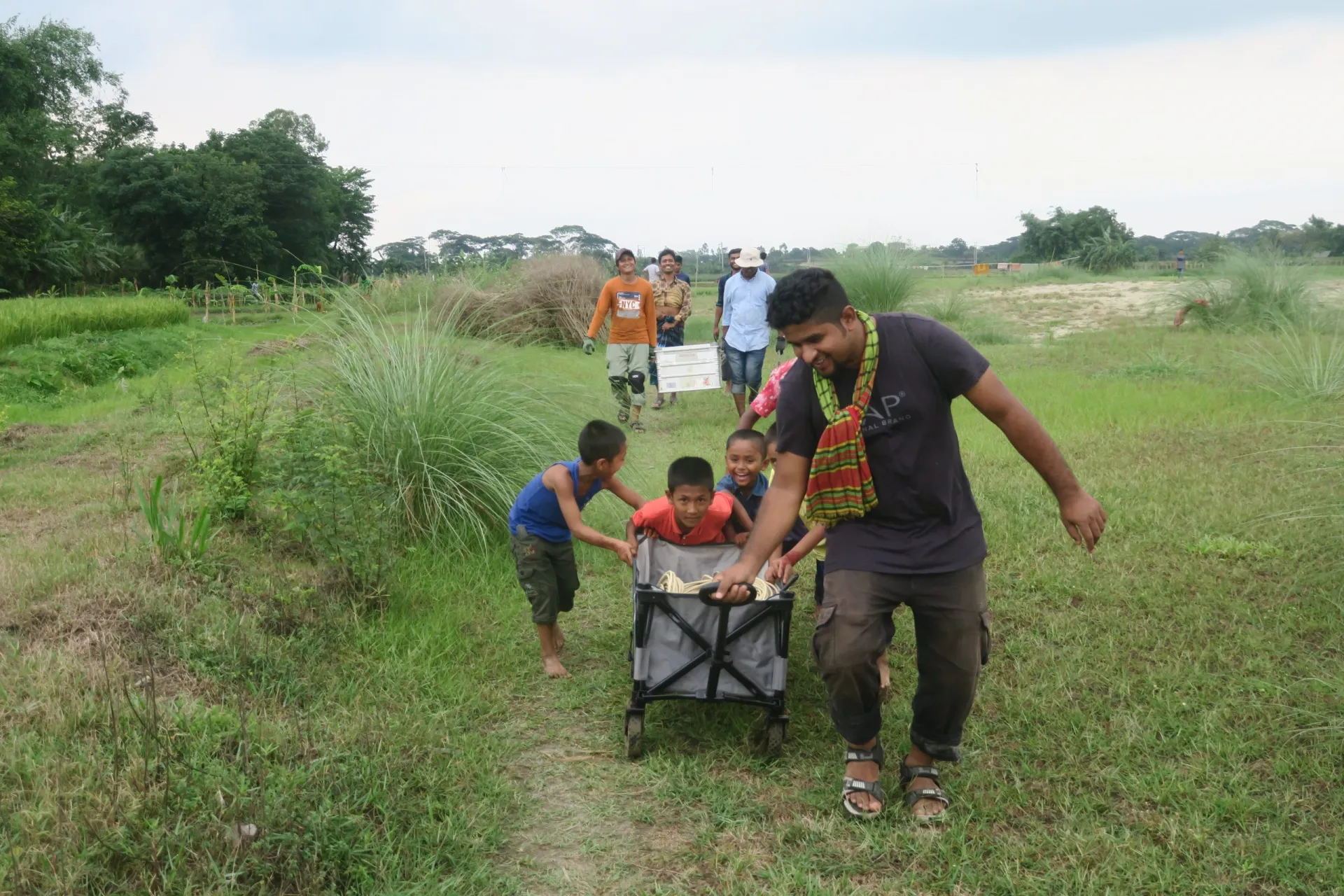
As we continued our geophysical measurements, we had to deal with heavy rains, flooding fields, and rats and foxes biting our cables. Many cables were broken soon after sunset, ruining the measurements.
For the first time, scientists have mapped in detail water locked in a deep basin far under the Antarctic ice. The discovery could have implications for how the continent reacts to, or even contributes to, climate change.
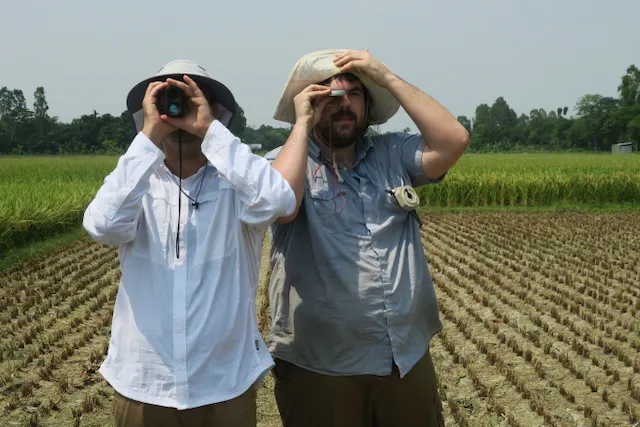
We have come to in Bangladesh in the pre-monsoon heat to better image the active faults beneath the surface using electromagnetic instruments. We are using the fallow fields from the just-harvested rice crop for our sites.
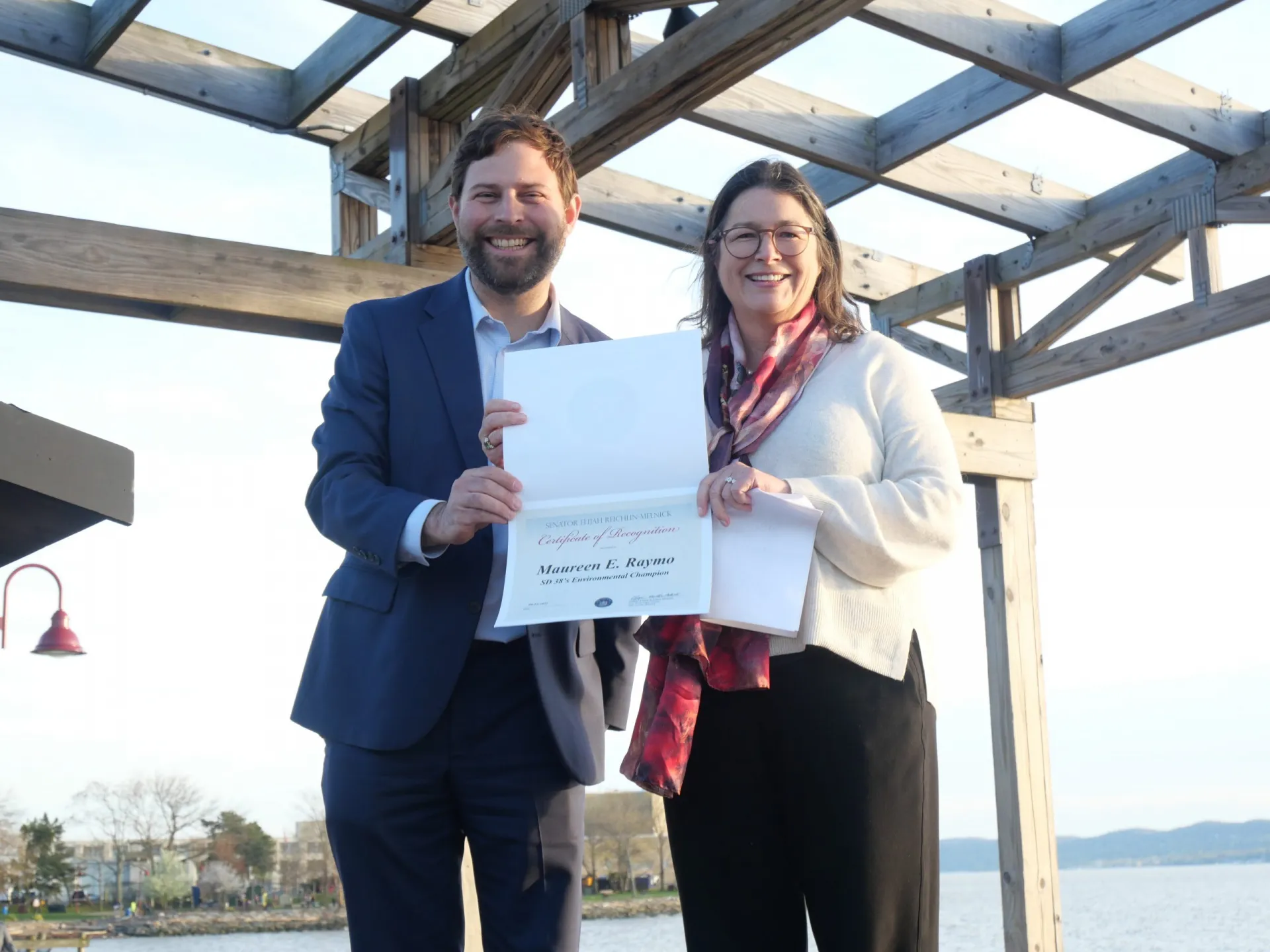
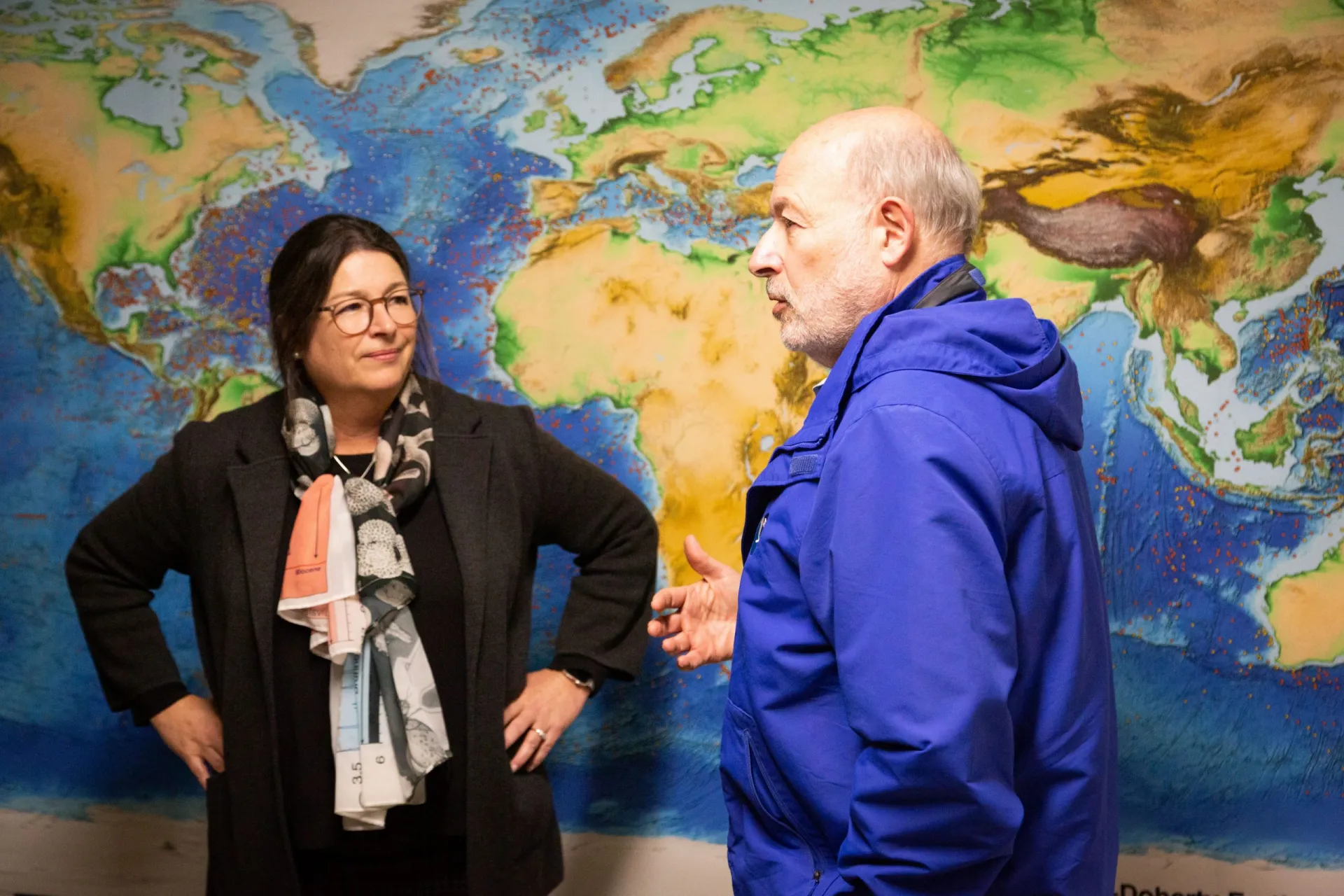
Maureen Raymo, co-founding dean of the Columbia Climate School and director at Lamont-Doherty Earth Observatory, received an Environmental Champion Award from NY State Senator Elijah Reichlin-Melnick.
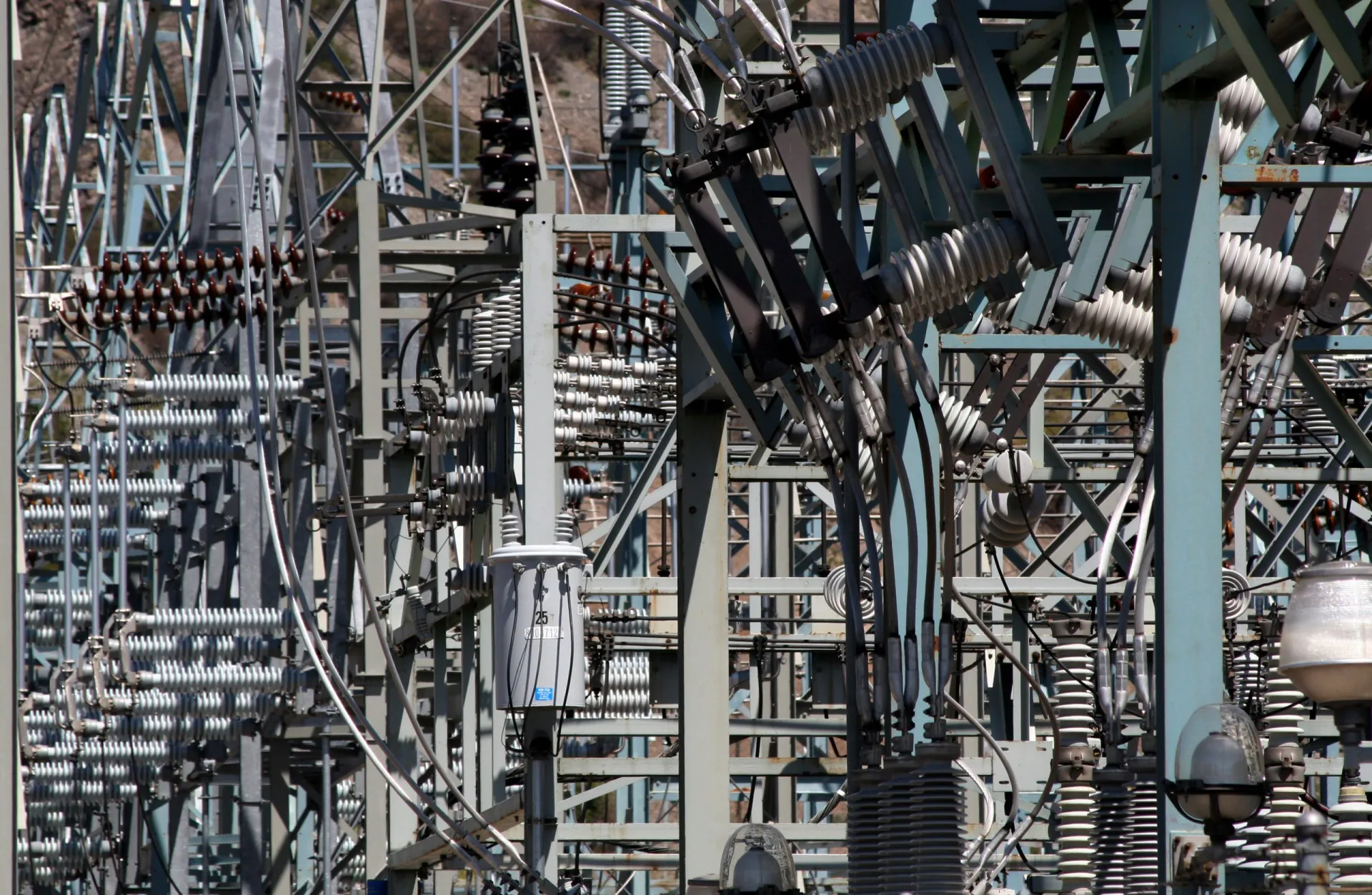
To keep the planet from warming more than 1.5°C above pre-industrial levels, economies must rapidly decarbonize. What will this involve?
Scientists Stephanie Spera and Rachel Lupien demystify how different professionals are addressing the climate crisis, one career path and podcast episode at a time.
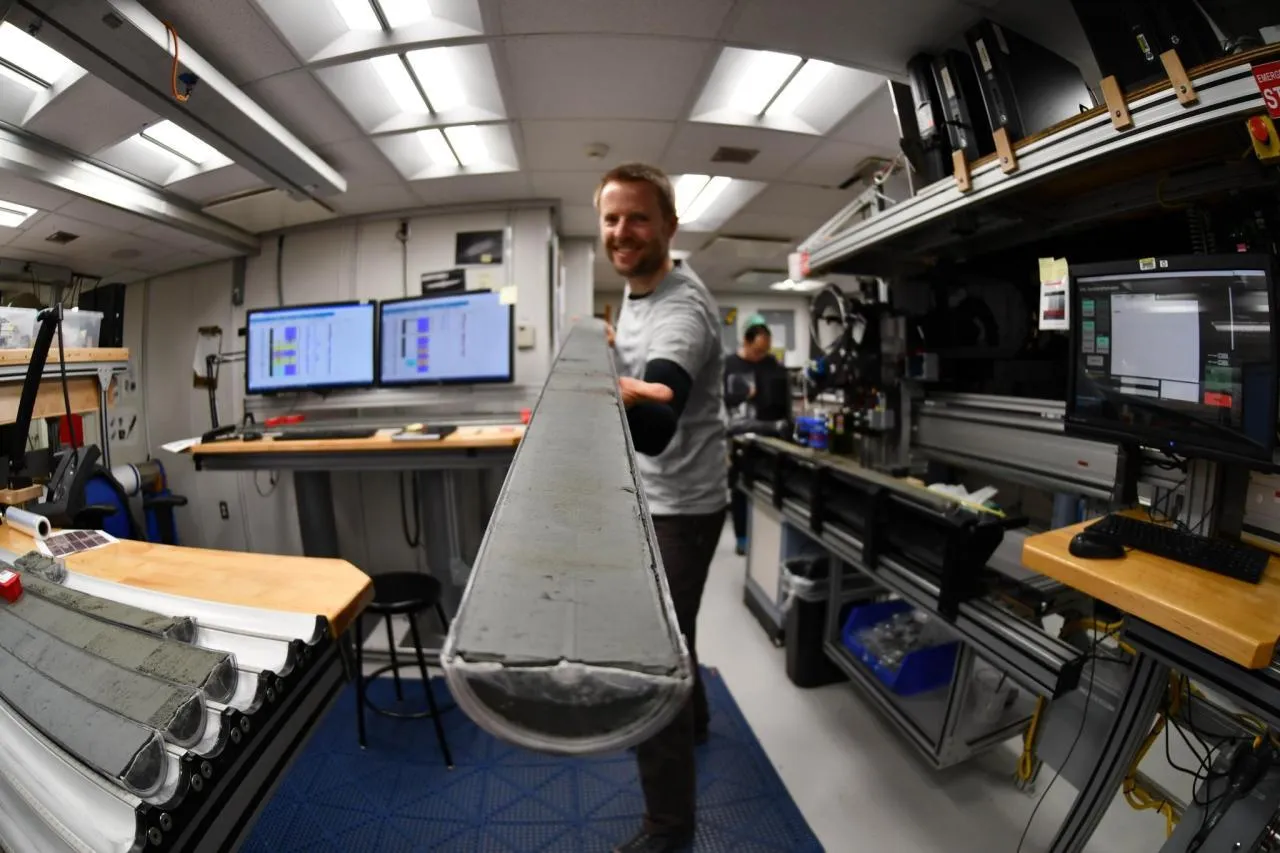
In much of the world ocean, there is evidence that iron-rich dust blowing from land has fertilized algae during cold period, increasing uptake of carbon from the air, and keeping things frigid. Not here, says a new study.
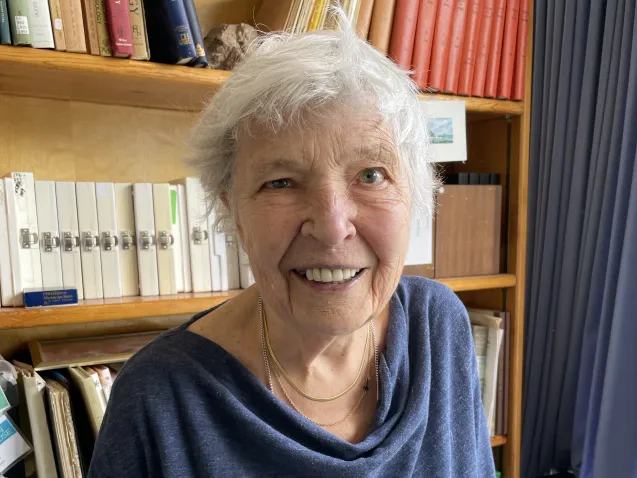
Lamont’s Linda Heusser turned 90 years old on April 12, and the only birthday present she really wanted was another sediment core to study.
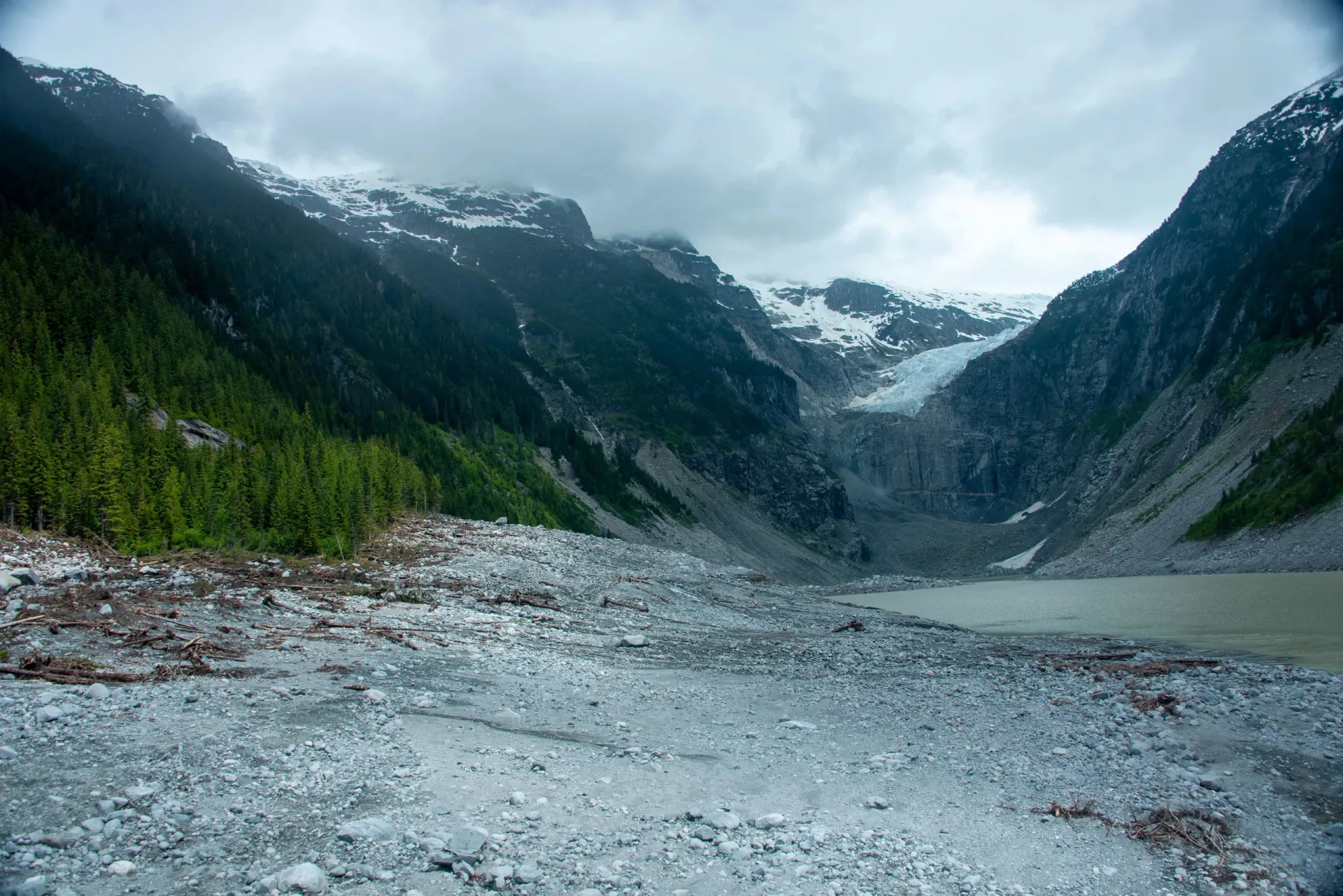
A peculiar seismic signal was the first indication of a gigantic landslide and subsequent tsunami in the remote mountains of British Columbia. It detected what may be a growing climate-related threat.
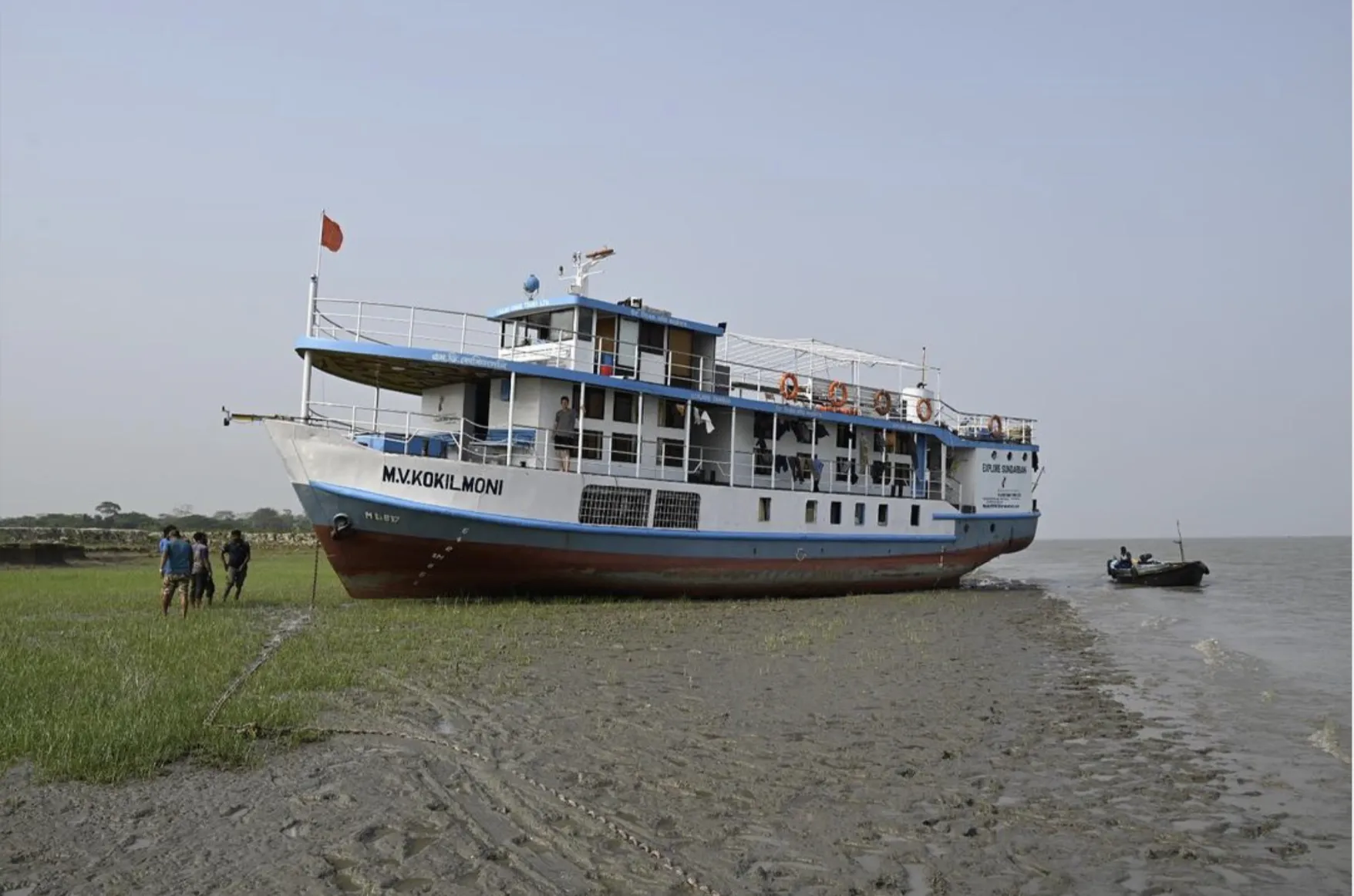
We switched to a towed electromagnetic system to image the fresh and saline groundwater in Bangladesh, and ran into a variety of problems, including high winds, strong currents and running aground.
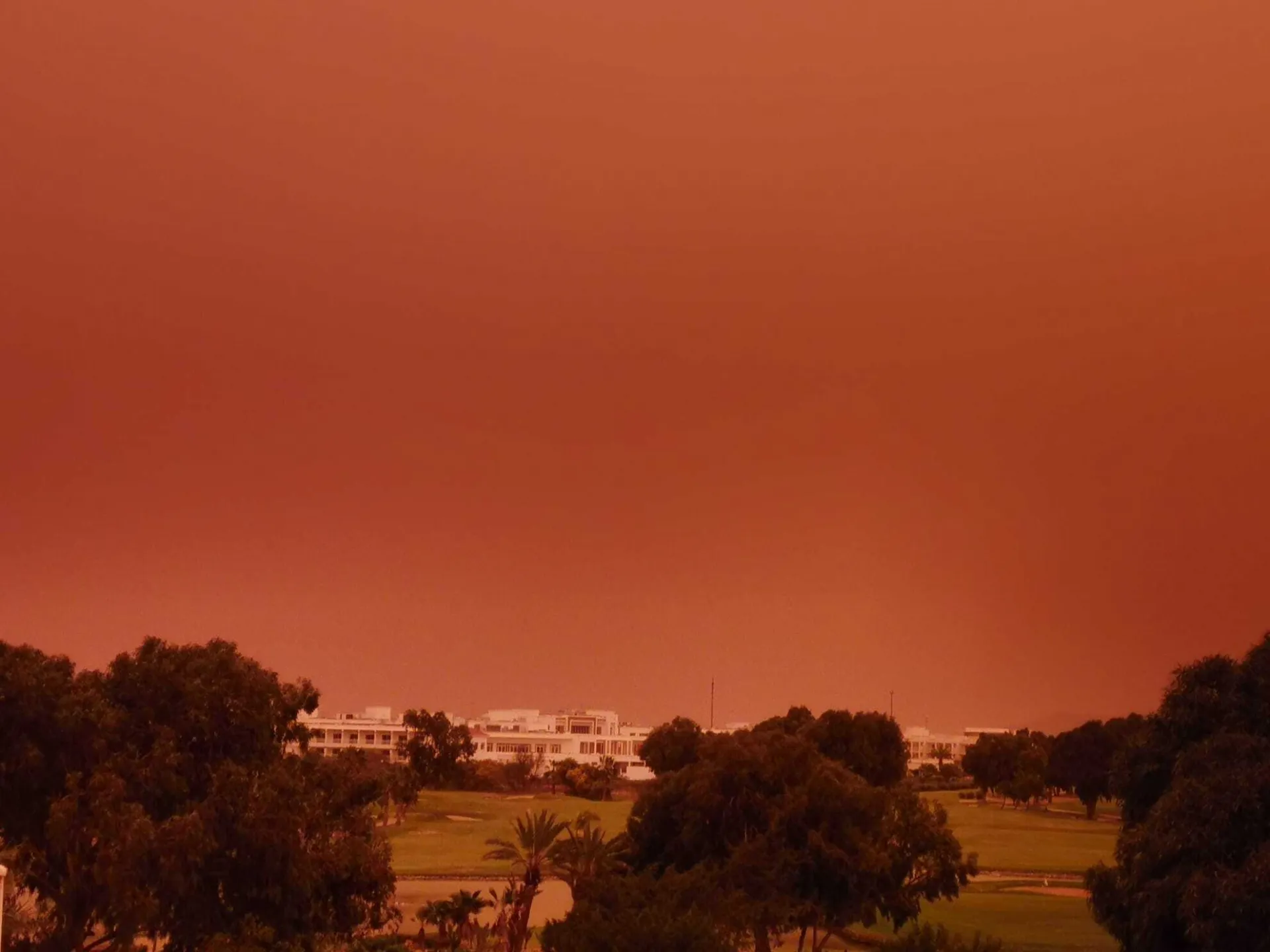
A new study finds that annual air pollution levels in the city of Lomé are, on average, four to five times greater than recommended by the World Health Organization.
Oceanographer Richard Spinrad of NOAA participated in a town hall and discussed funding opportunities with Columbia Climate School researchers.