
Lamont in the Media
Earth & Climate Science News
Economic models are missing huge future risks from climate change, in part because no one knows how to quantify them, says a new study.
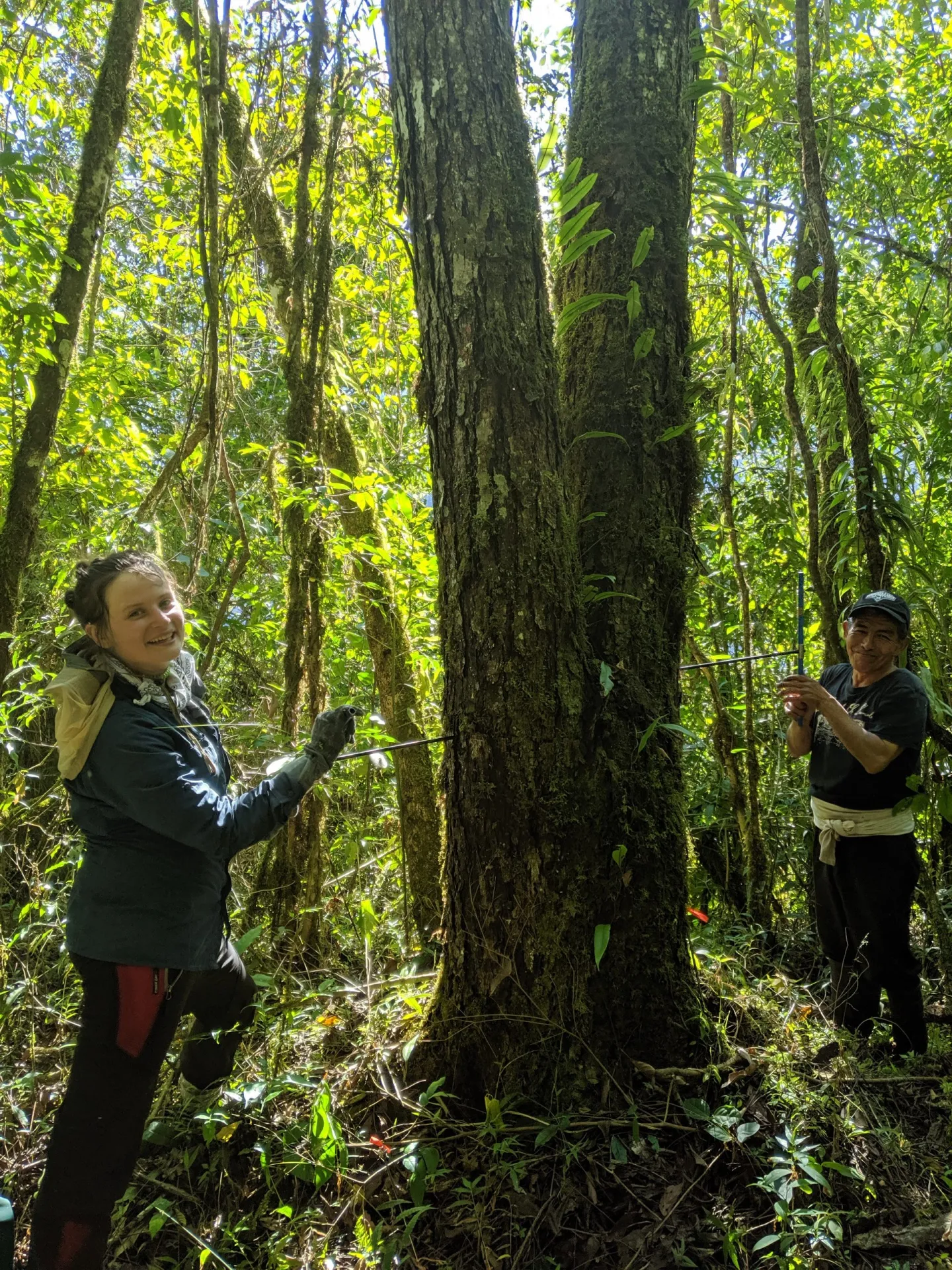
PhD student Rose Oelkers discusses her work in the Amazon and what we can learn from the trees if we listen closely.
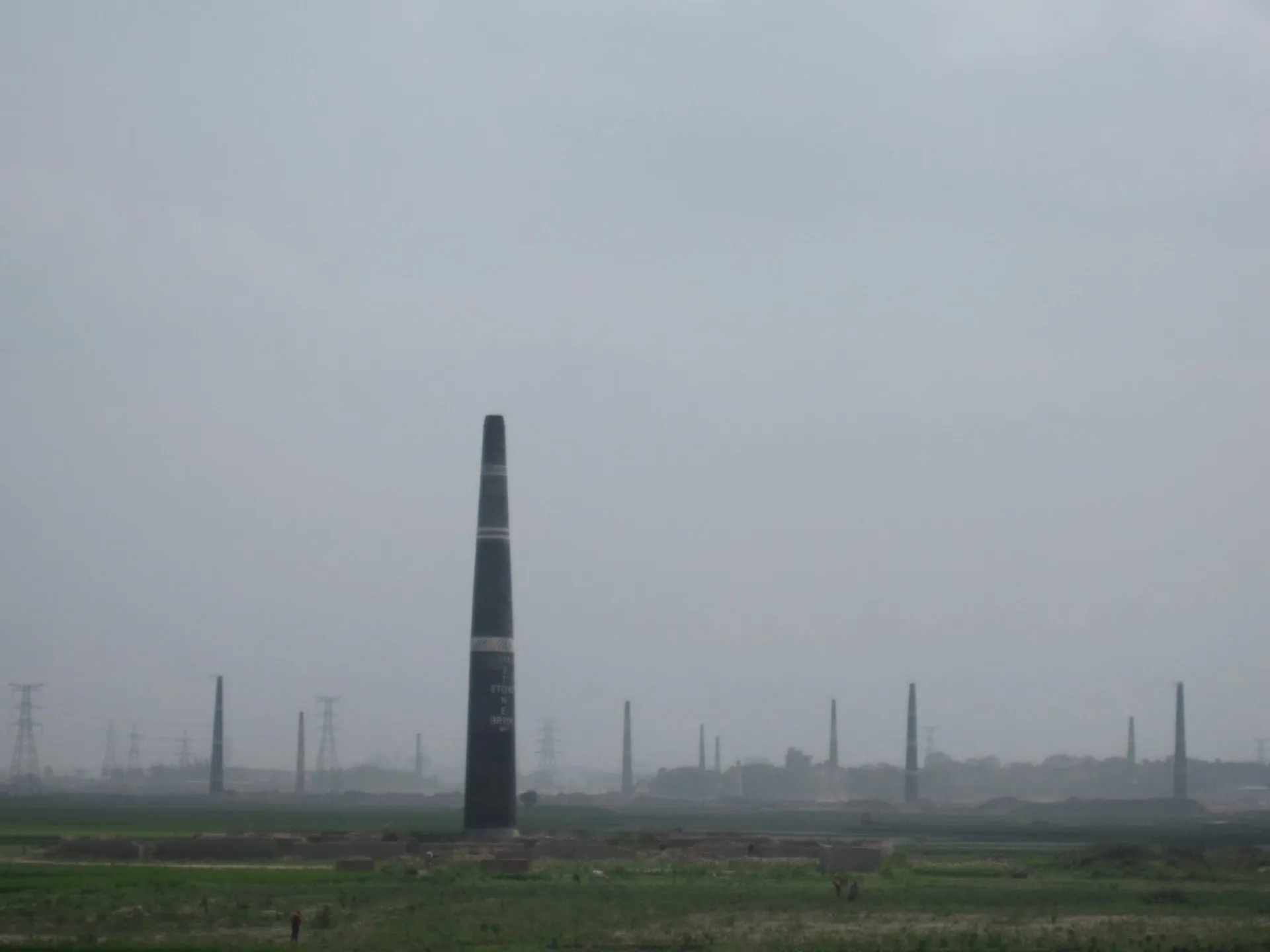
Even if pollution goes down and climate change is slowed, deaths from air pollution in some regions may still rise.
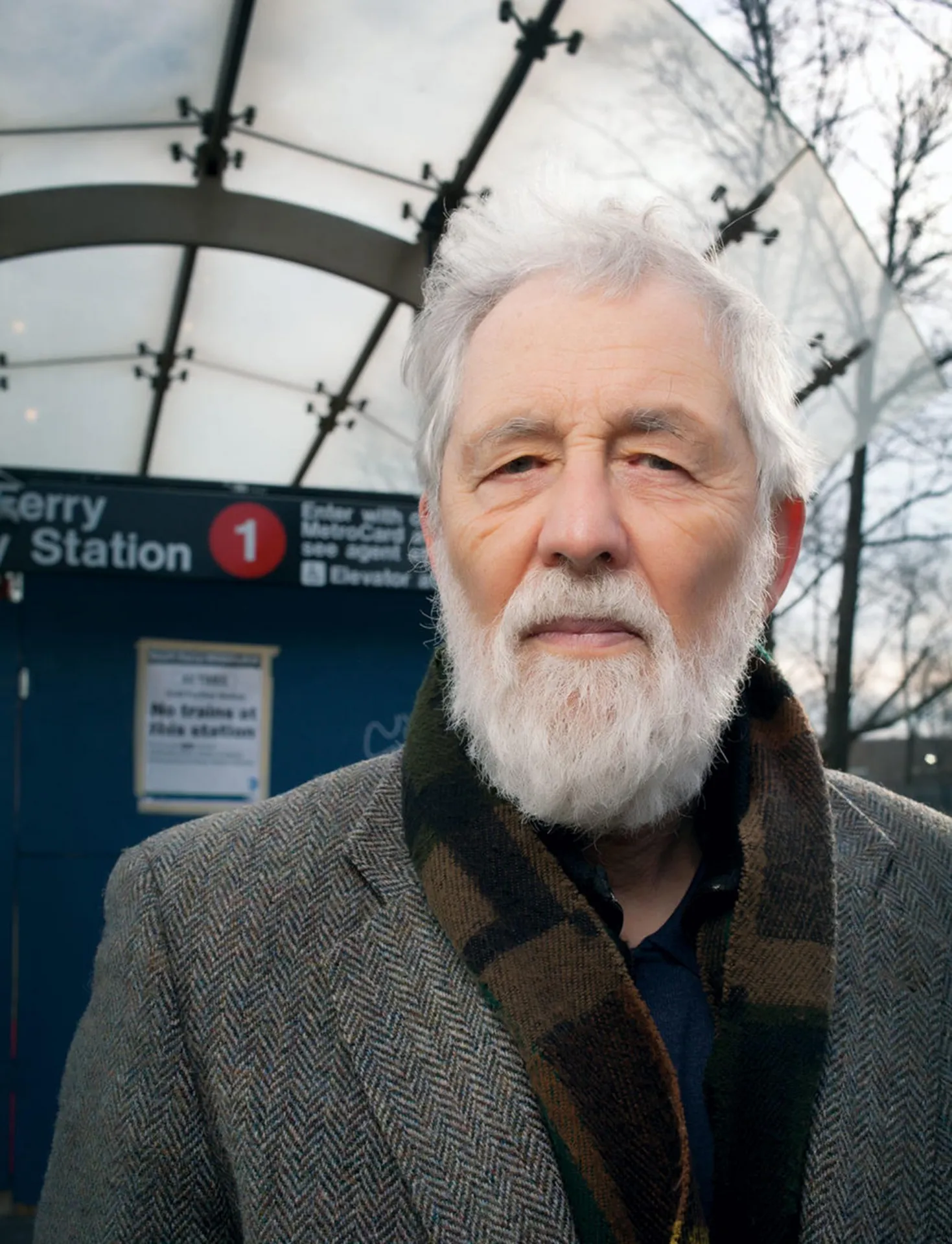
Klaus Jacob predicted for years how the New York City subways would flood in a superstorm. Finally, authorities began to listen, but long-term preventive action came too little, too late.
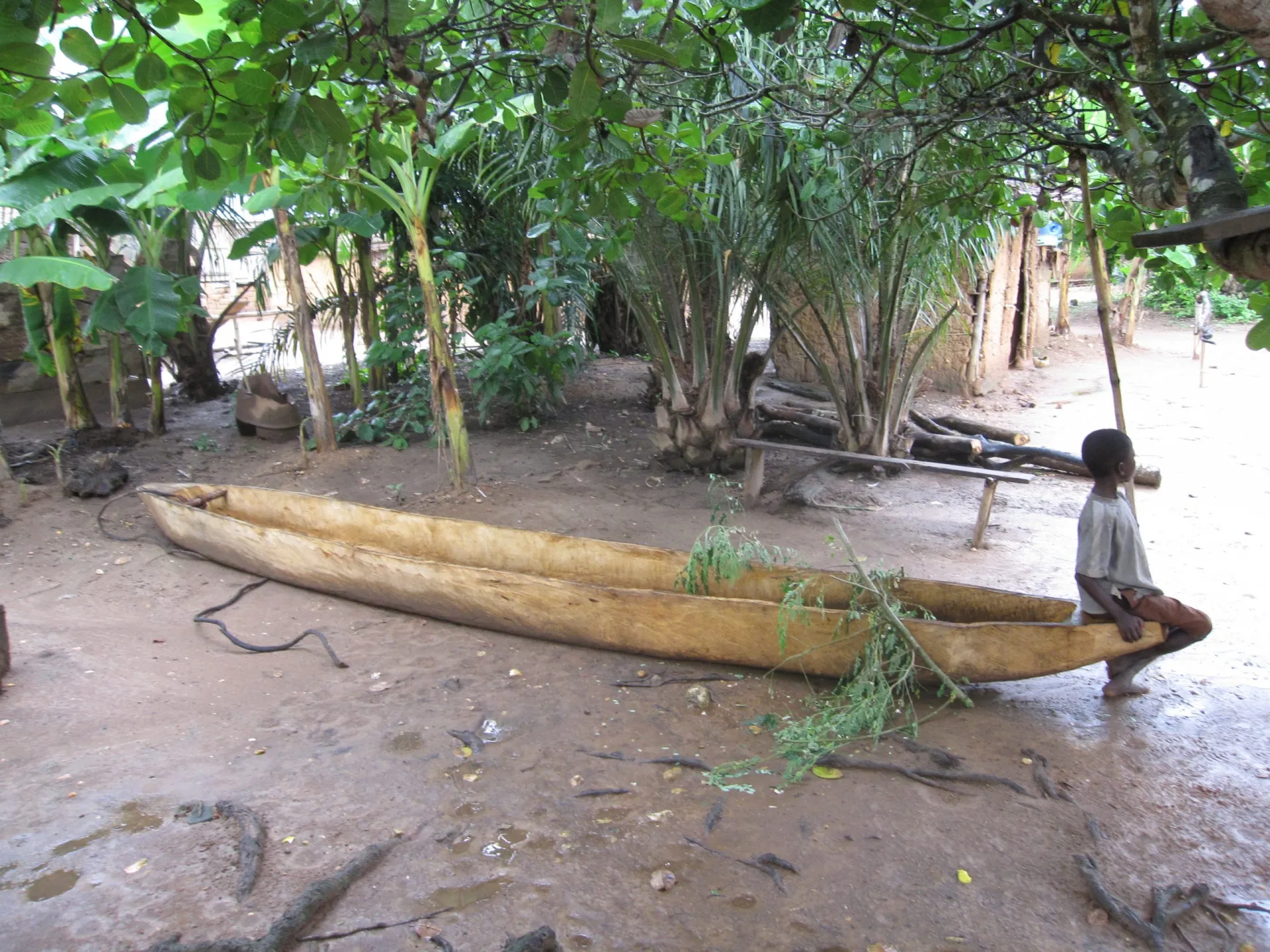
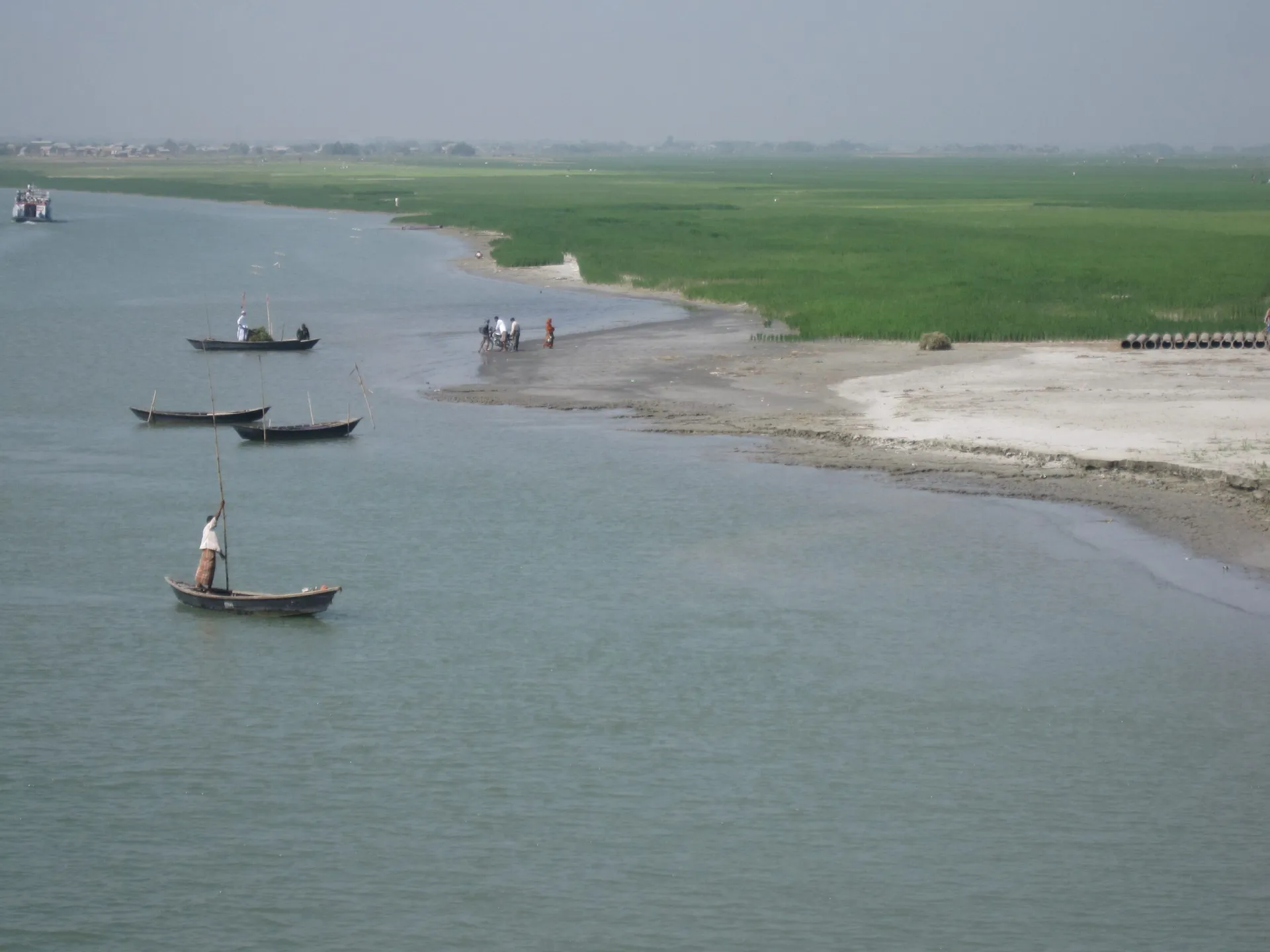
At a time when flooding is overtaking many parts of the world, millions of people in Africa are going hungry when croplands, livestock and infrastructure are inundated. But the results are complicated.
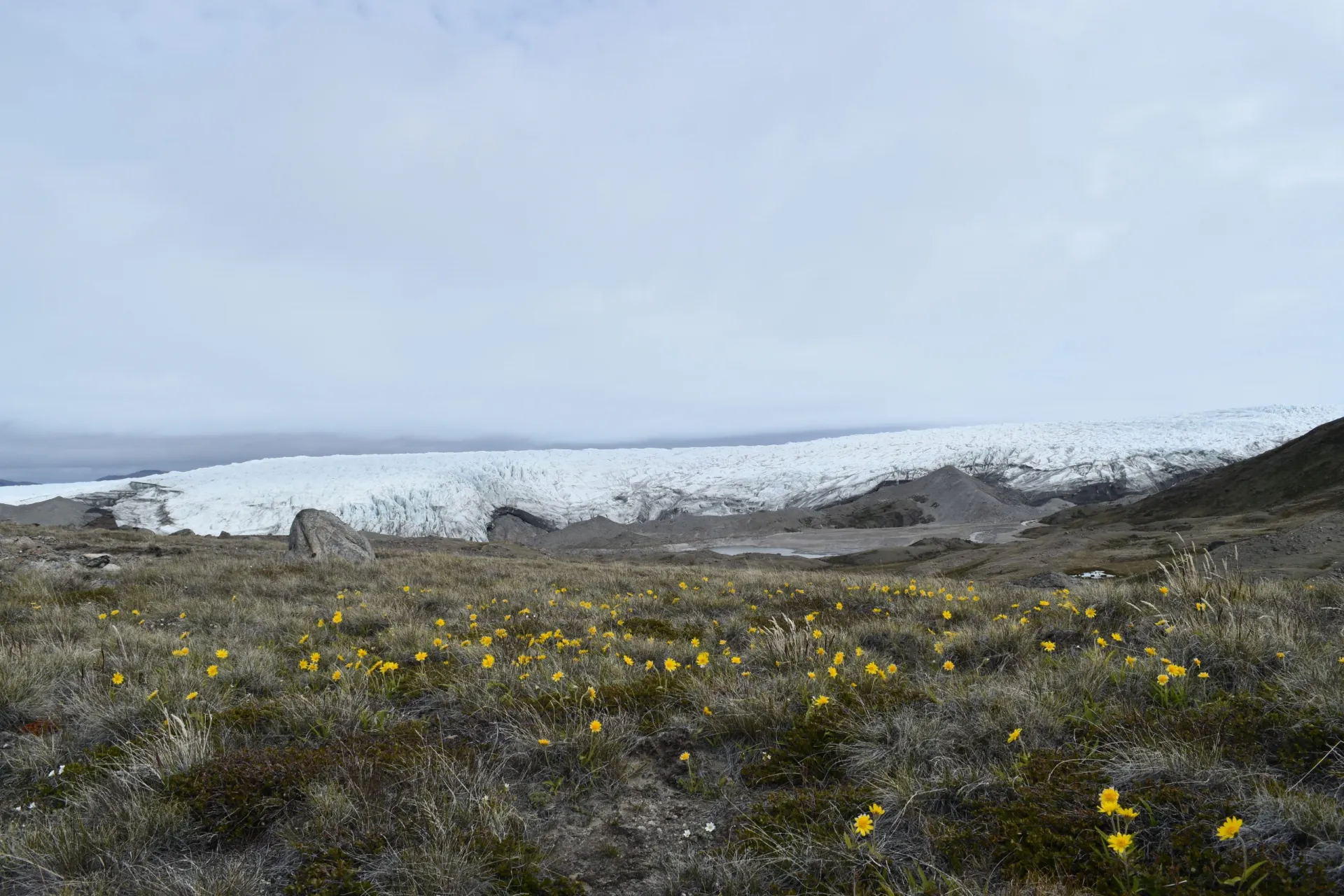
As the Arctic melts, permafrost there has the potential to send huge amounts of carbon into the atmosphere, but exactly how much is up for grabs, depending on what we do to stem climate change in coming years.
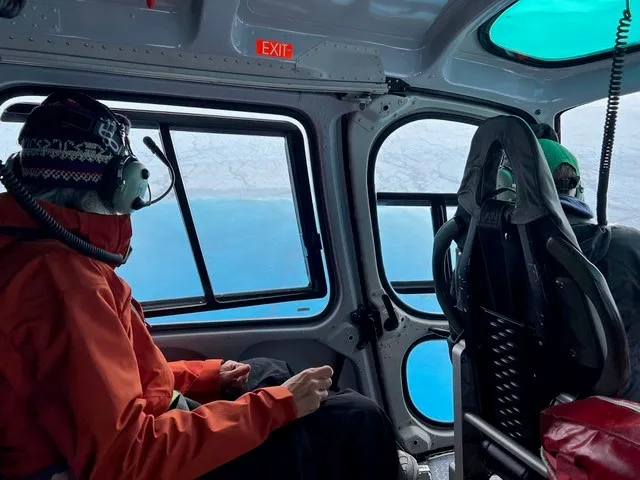
Sudden plunges of lake waters from glacial surfaces to ice-sheet beds may not speed up the movement of Greenland’s tidewater glaciers, as previously thought.
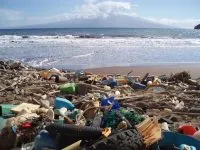
A number of organizations are attempting to clean up the water, but solving the problem of ocean plastic pollution will also require big changes on land.
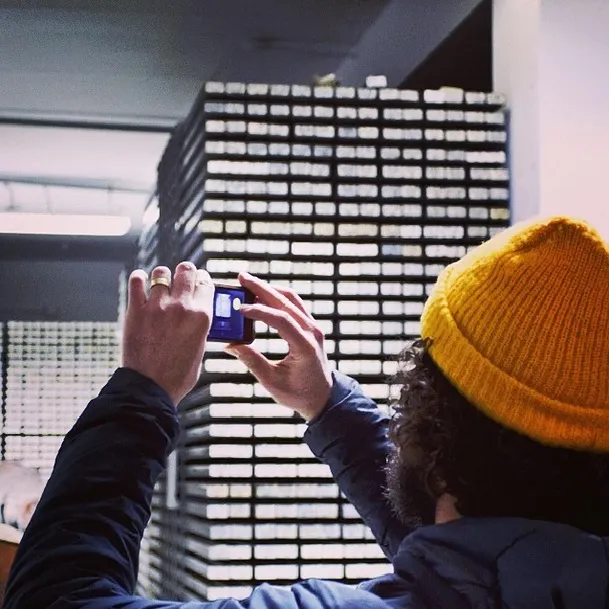
In the Climate LIVE video series, experts from across the Columbia Climate School present climate and sustainability content for grade school and university students, educators, parents, and the public.

Visitors played with glacial goo, watched trash cans erupt with water and ping pong balls, and performed hands-on science experiments — all while learning how Lamont researchers help us understand our planet.
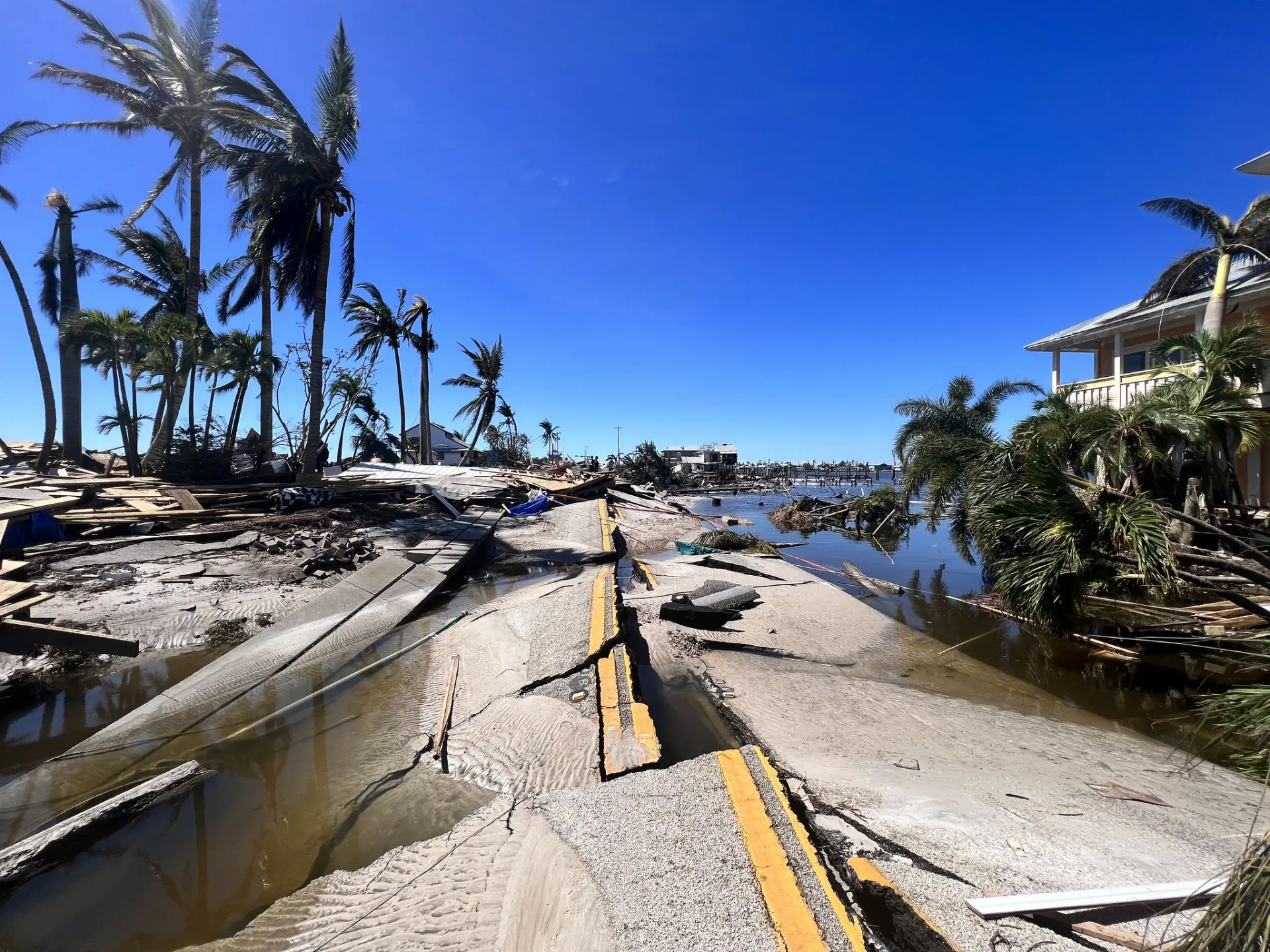
The benefits and challenges of moving communities to safer ground.
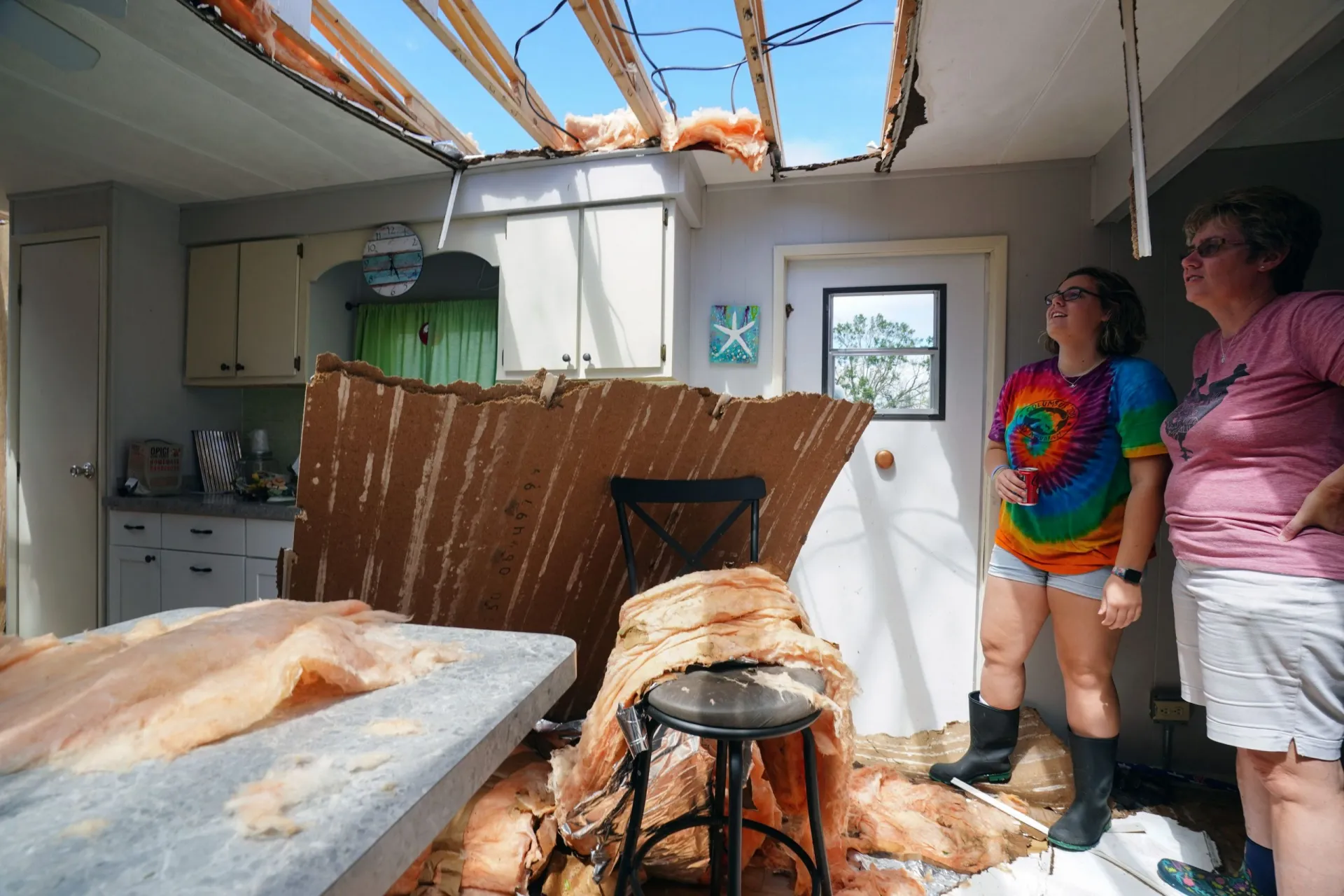
When Hurricane Ian hit Florida, it was one of the United States’ most powerful hurricanes on record, and it followed a two-week string of massive, devastating storms around the world.