
Lamont in the Media
Earth & Climate Science News
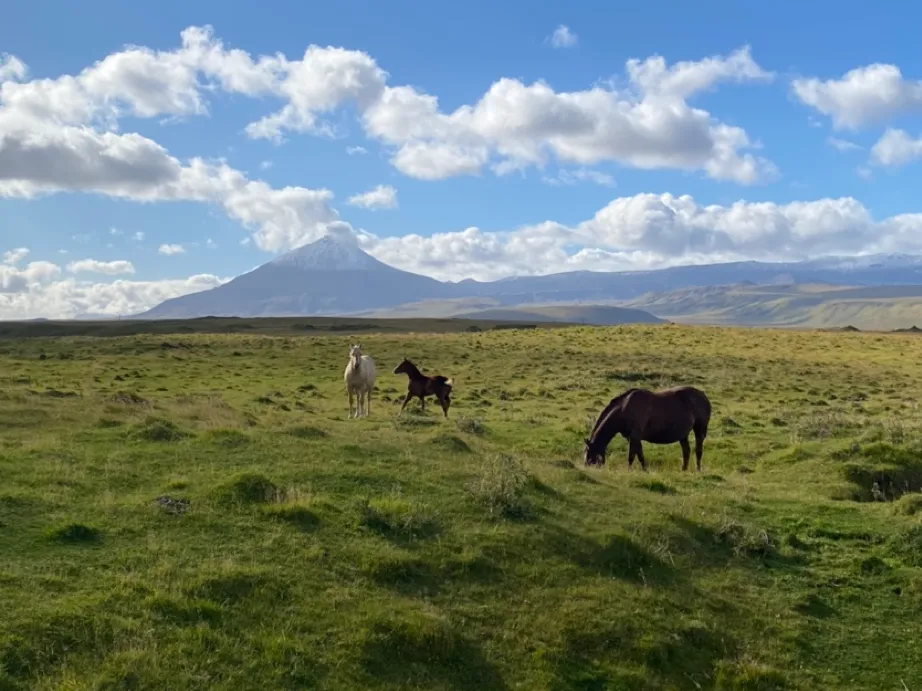
Researchers are working at a remote ranch in the Aleutians, commuting by helicopter to the brim of a volcano to perform maintenance on their monitoring equipment.
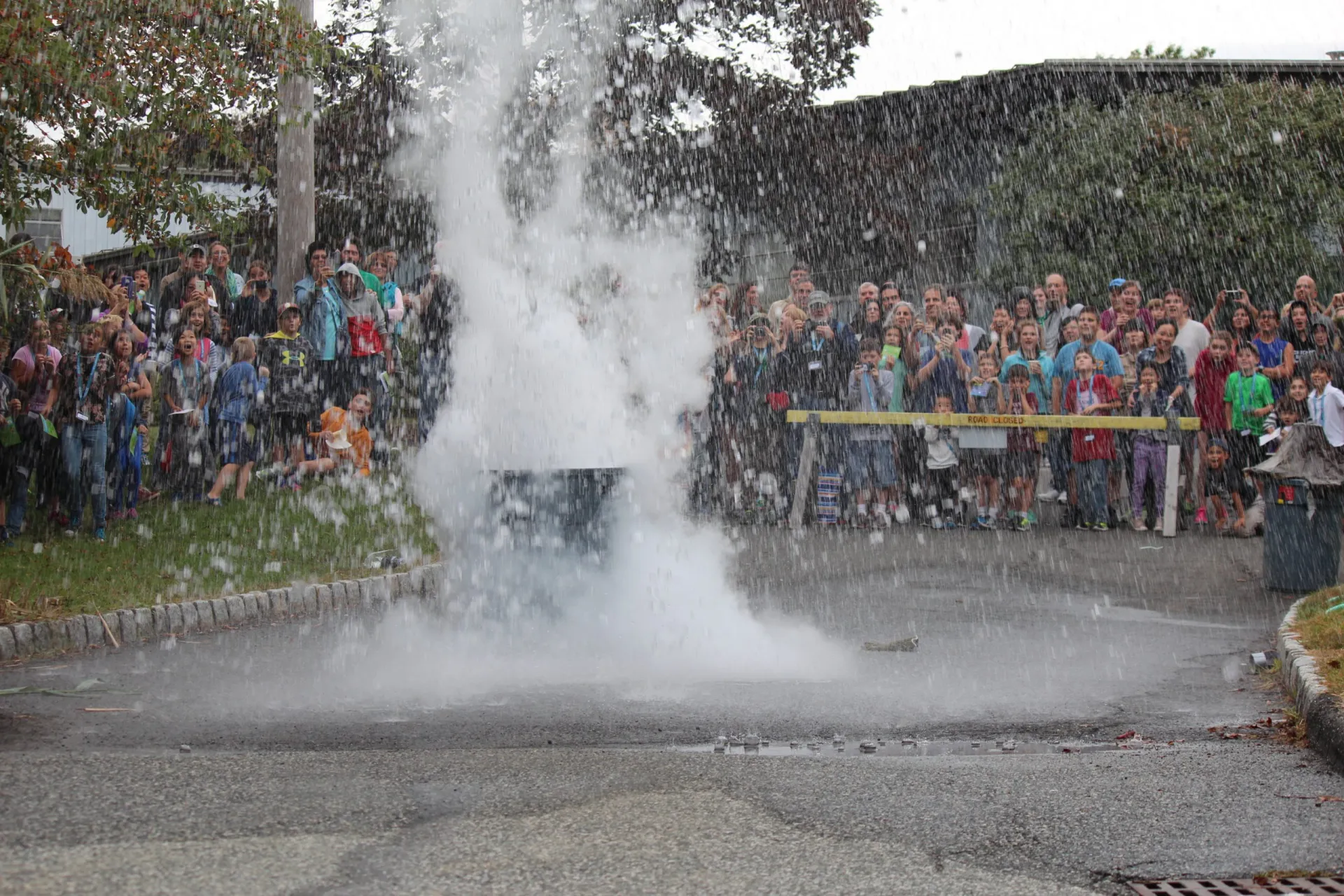
Our favorite family-friendly event of the year is back in person. Come out to Palisades, NY, on October 8 for some fun, hands-on science education.
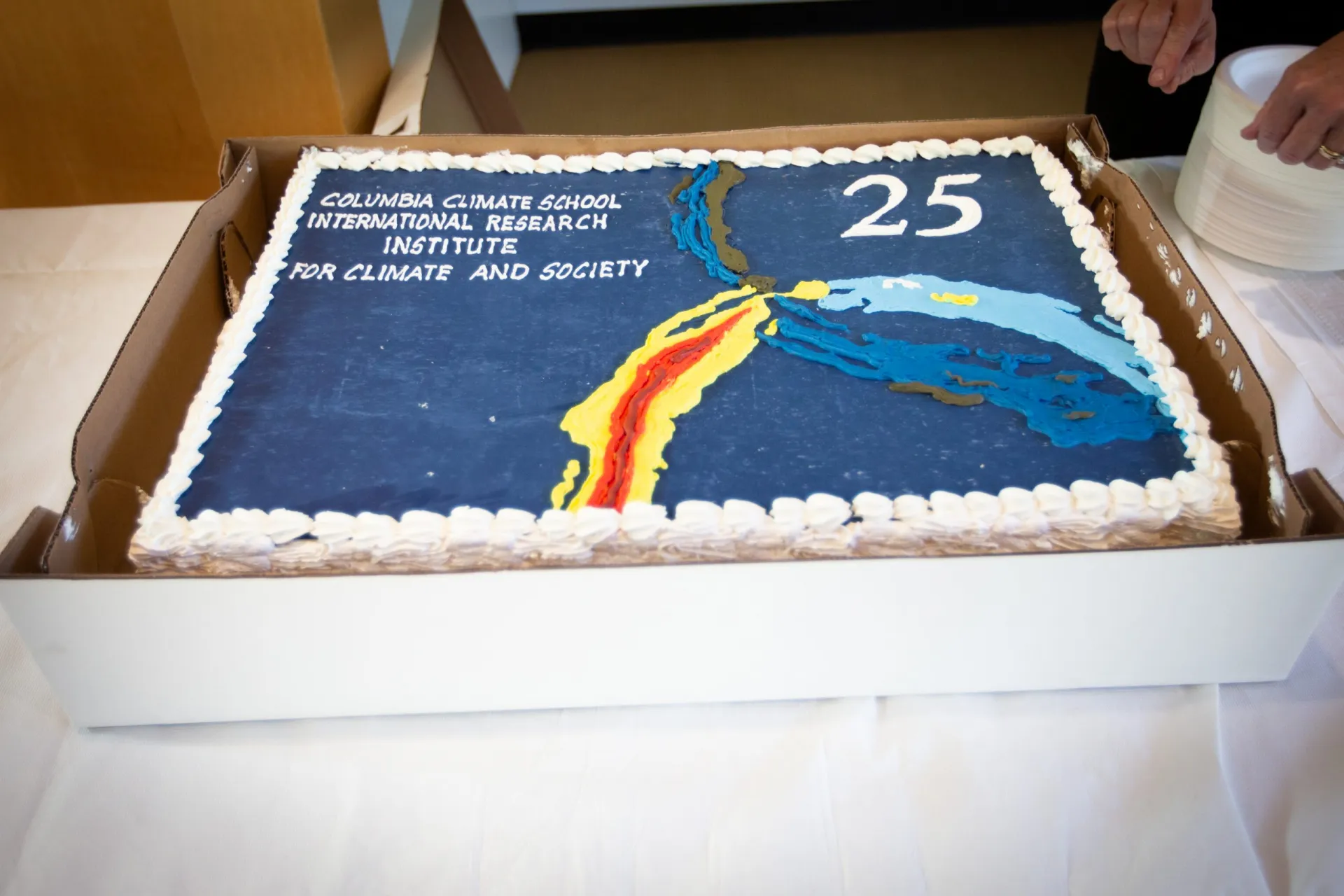
The Columbia Climate School’s International Research Institute for Climate and Society celebrated its 25th anniversary in an event on September 16.
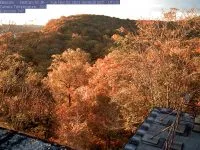
Changing temperatures and precipitation can affect when the leaves change and how vibrant their colors blaze.
Our expert says: Although carbon dioxide levels have been much higher in the past, they generally increased slowly, giving plants and animals time to adapt. When the rate of climate change was staggeringly fast, like today, there were big problems.
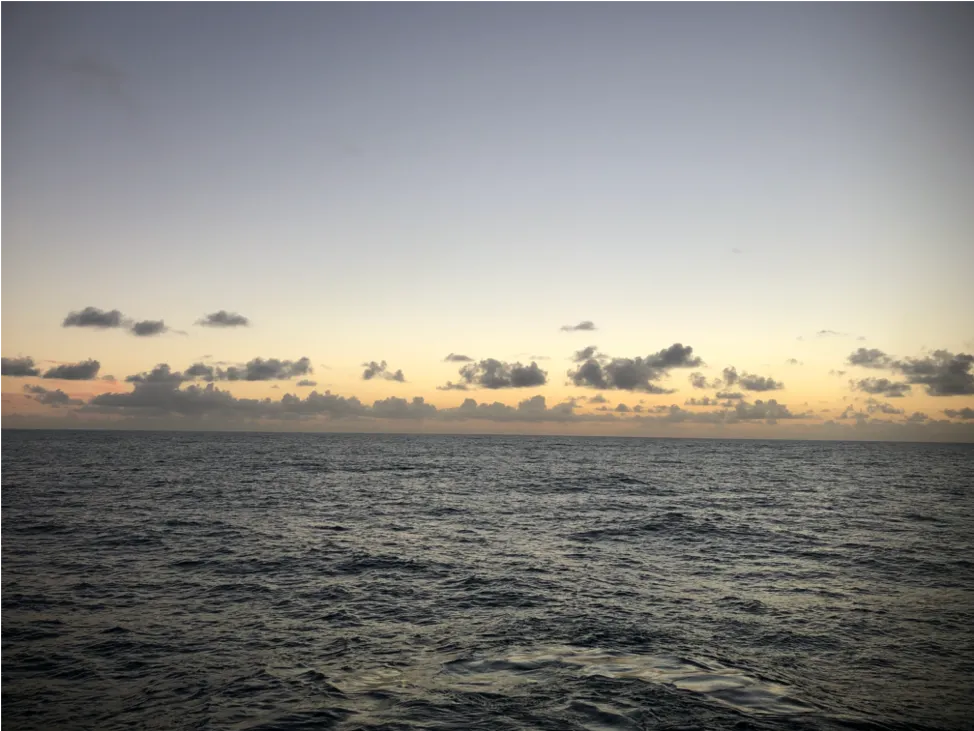
Diary entries from a research expedition that deployed seismometers on the ocean floor in hopes of recording the next eruption of a submarine volcano.
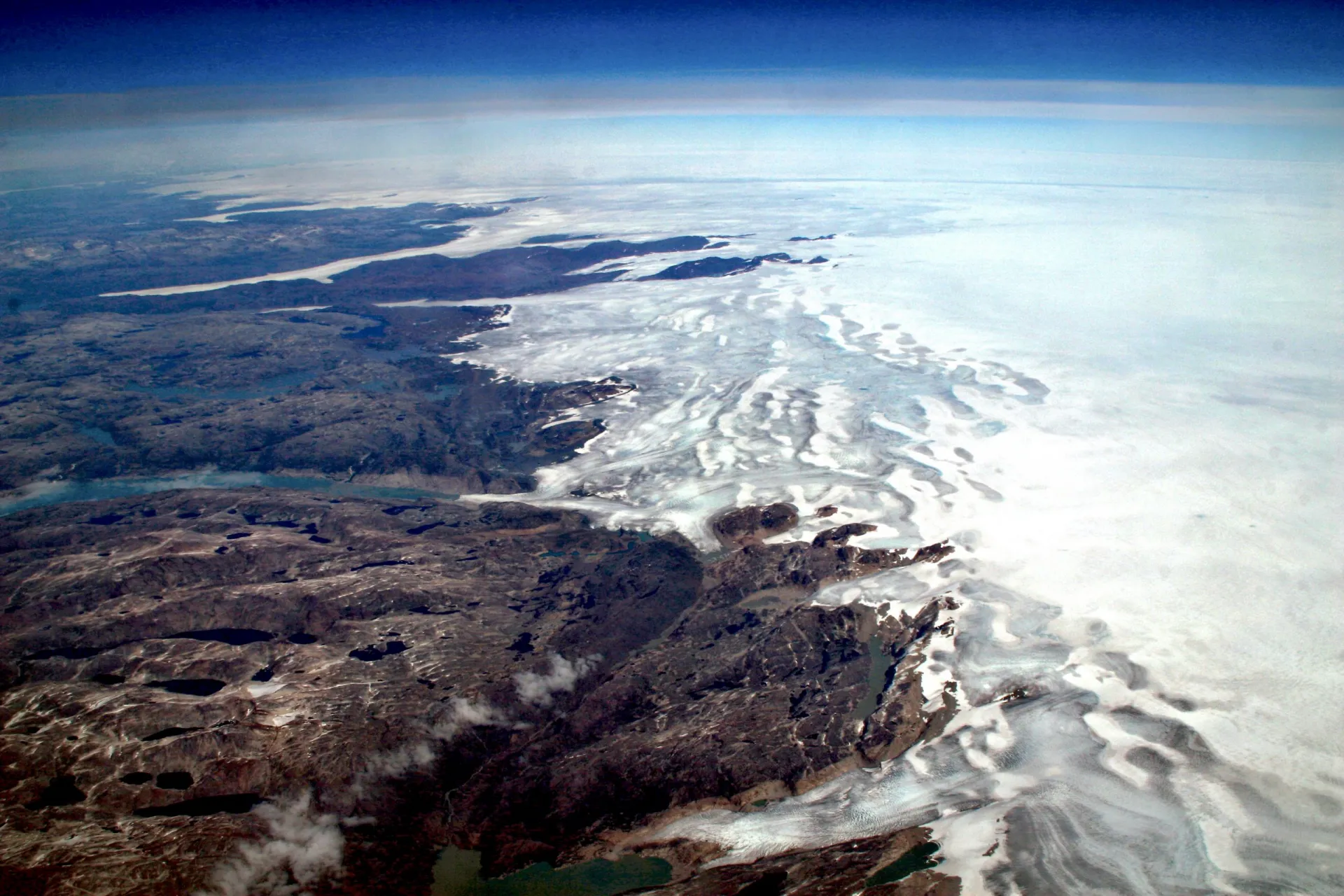
As the planet’s ice disappears, it’s exposing new surfaces, opportunities, and threats — including valuable mineral deposits, archaeological relics, novel viruses, and more.
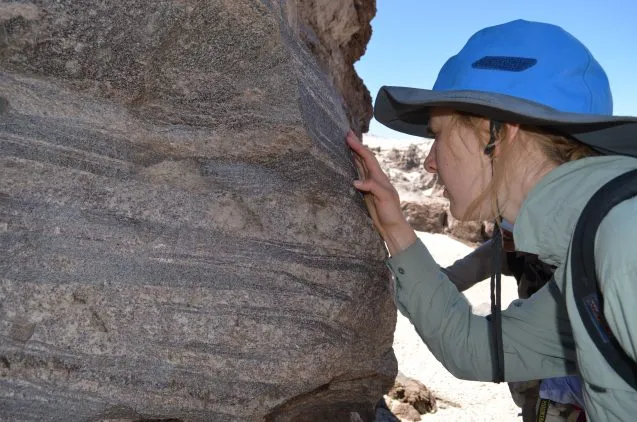
The application deadline is October 31.
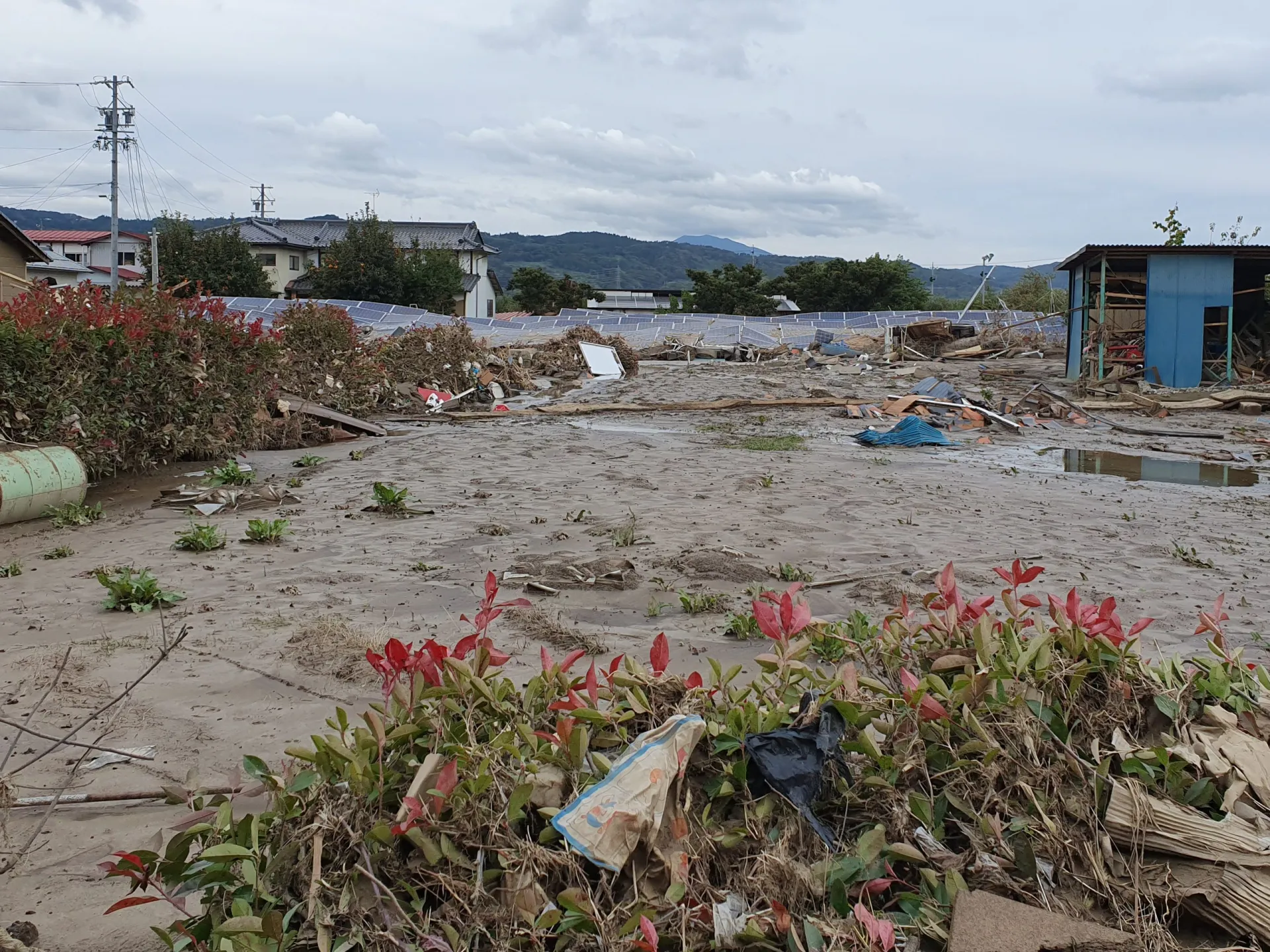
Increasingly extreme weather has the potential to derail renewable energy projects — but there are a few things we can do to keep moving forward.
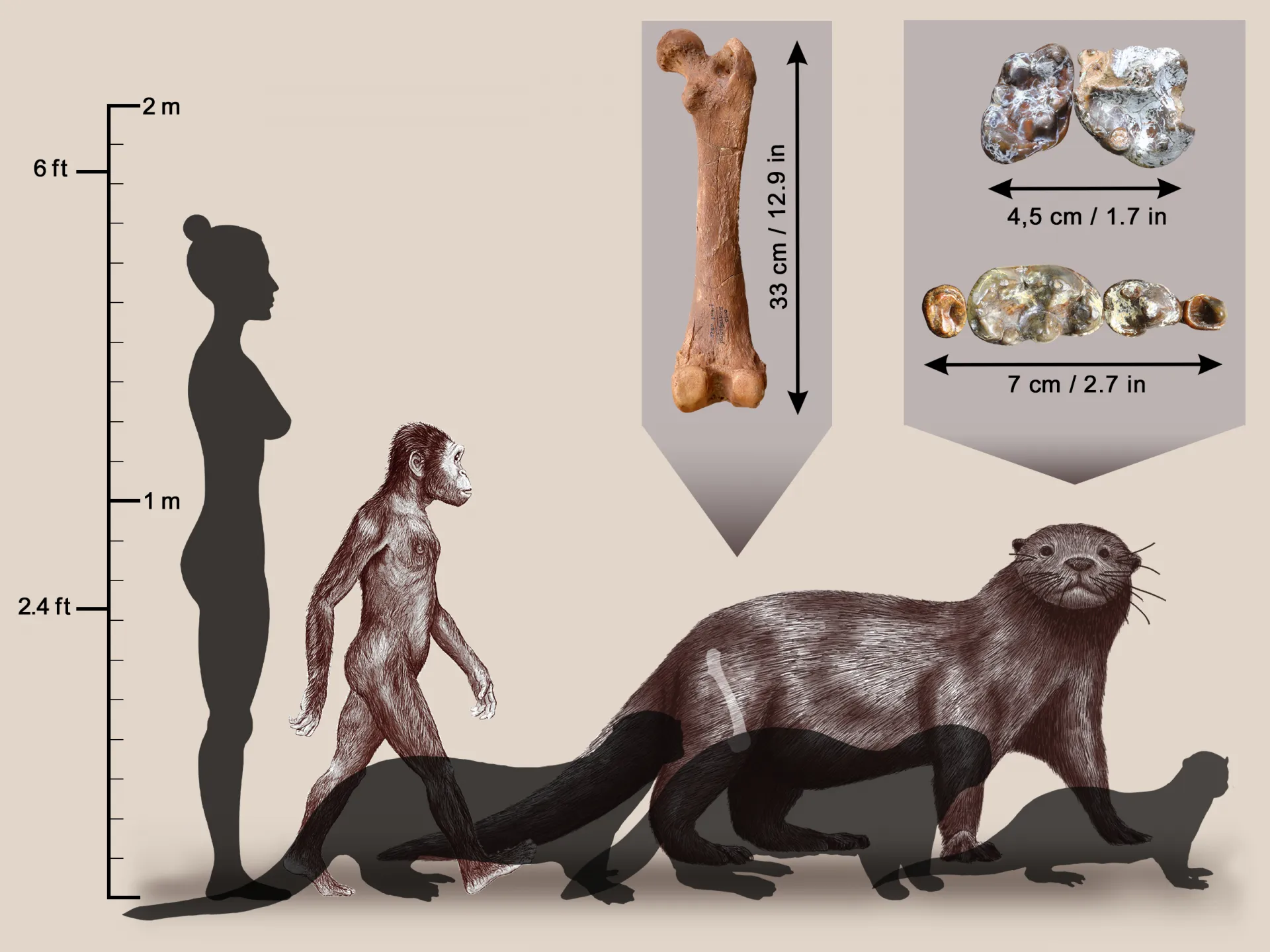
Enhydriodon omoensis dwarfed ancestors of humans who lived alongside it from 2.5 to 3.5 million years ago; the two species may have competed for food.
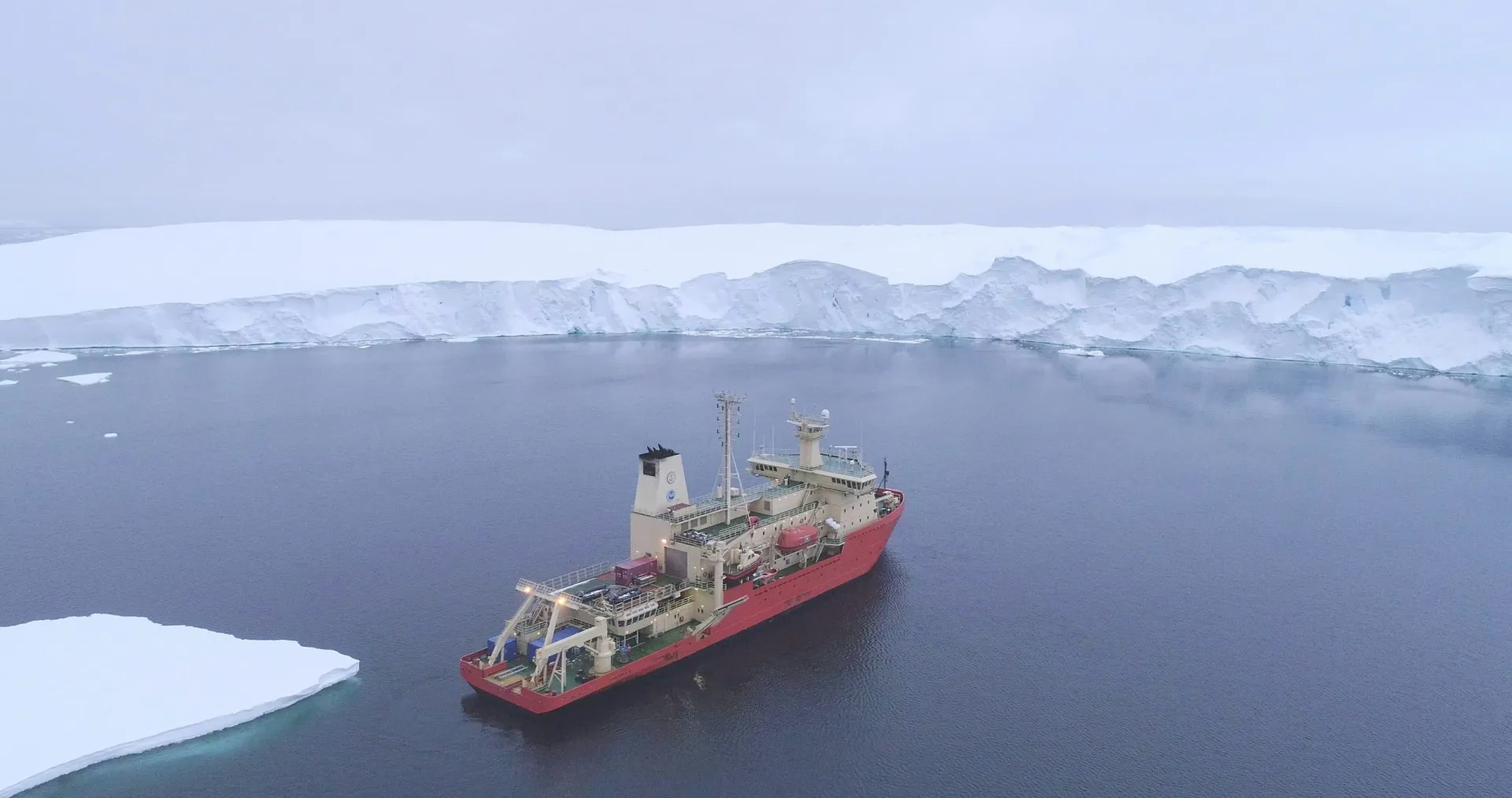
Some time in the past 200 years, Antarctica’s giant Thwaites Glacier saw a period of retreat much faster than even that observed in recent years. It could be a warning of rapid sea-level rise in the near future.
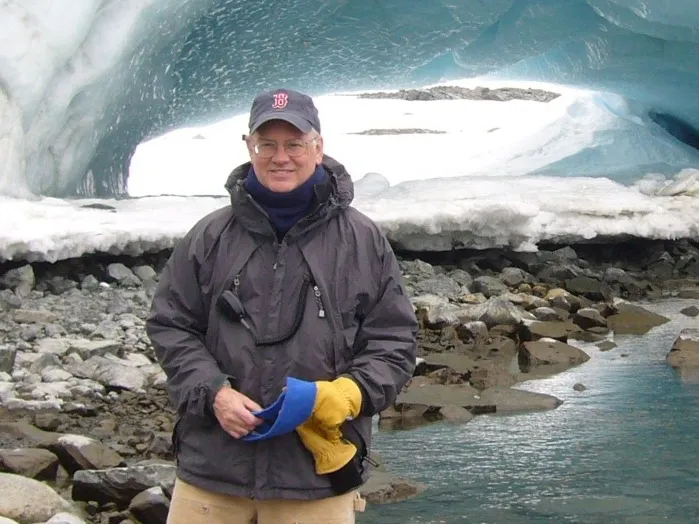
Biological oceanographer Hugh Ducklow describes decades of work in far-flung places to understand the evolving ecology of the oceans. The picture is not always clear.