
Lamont in the Media
Earth & Climate Science News
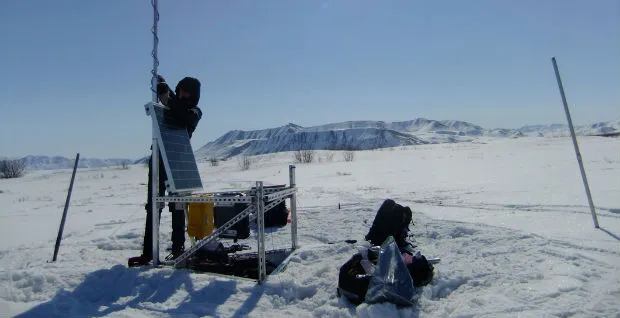
A new algorithm quickly sifts through hours of field recordings to learn how climate change influences bird migration. The A.I. could help track other wildlife as well.
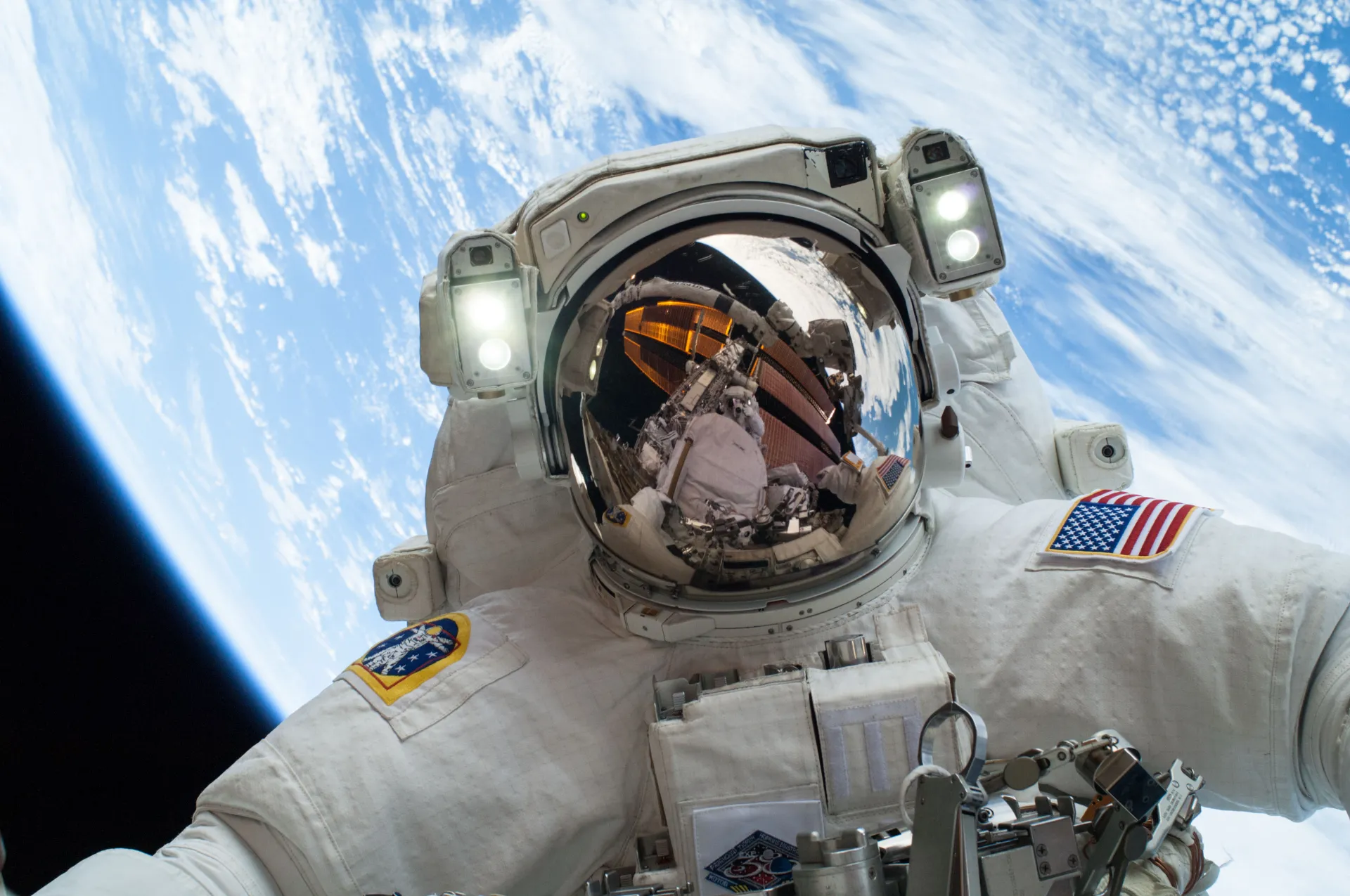
Posing as an interplanetary flight attendant in an upcoming show, researcher Christine McCarthy will lead a geological journey through the solar system.
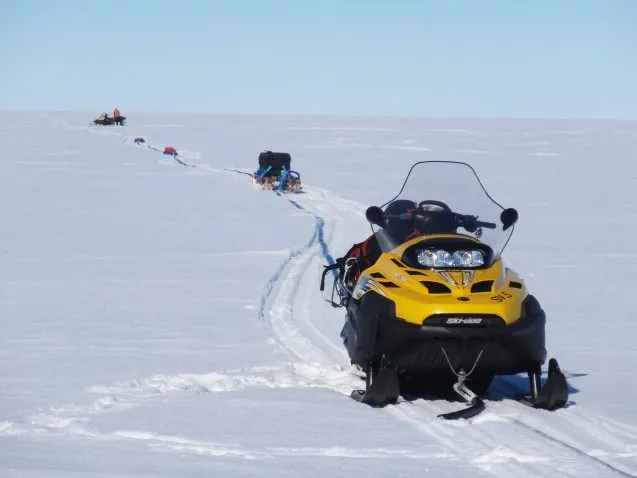
Thousands of years ago, the West Antarctic ice sheet shrank dramatically—then grew back in an unexpected way.
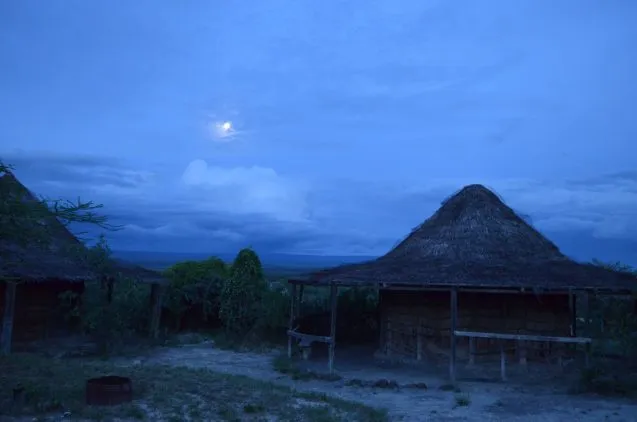
For anyone who has ever wished there were more hours in the day, geoscientists have some good news: Days on Earth are getting longer. Very slowly.
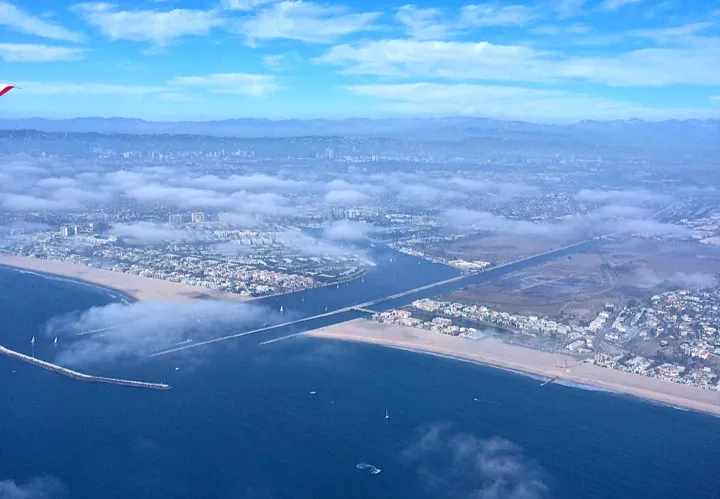
Sunny California may be getting too sunny. Increasing summer temperatures brought on by a combination of intensifying urbanization and warming climate are driving off once-common morning cloud cover in southern coastal areas of the state, leading to increased risk of wildfires.
Intensifying river floods caused by global warming may hamper national economies worldwide, and effects might propagate through global trade and supply networks, a new study says.

On June 2nd, residents in and around New York City can join scientists in exploring our estuary and assessing the diversity of our local waterways.

Alexandria Ang takes home the prestigious recognition for her research on a climate change-driven algae whose greenish blooms plague the Arabian Sea.
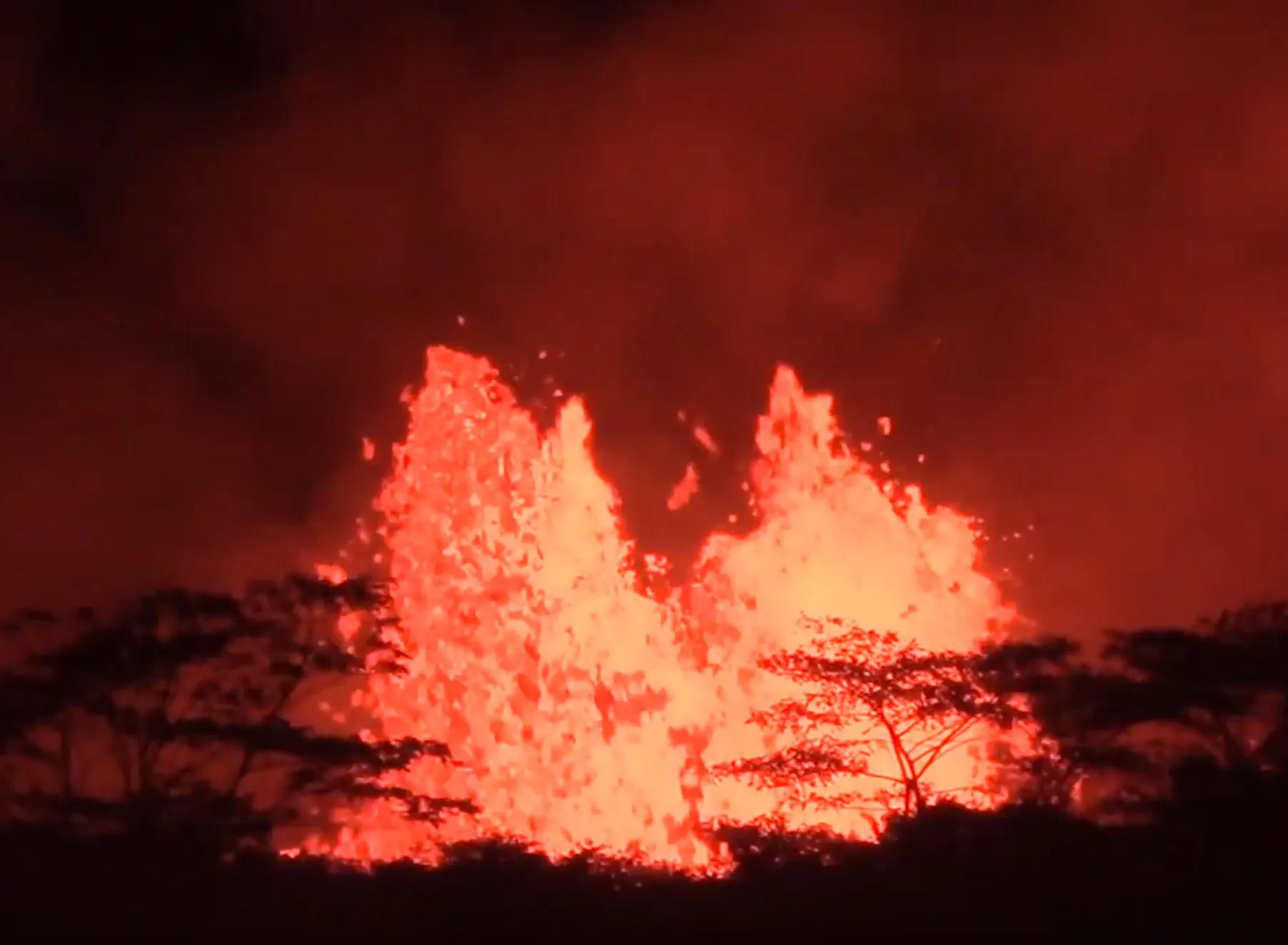
Volcanologist Einat Lev shares incredible footage of steam plumes, lava fountains, and more from the Kilauea eruption.
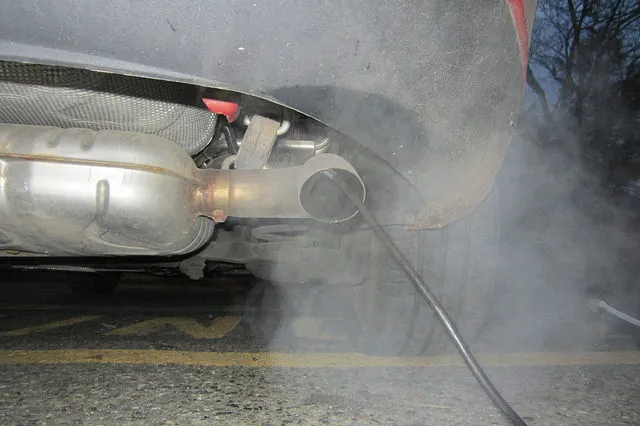
A new website provides an interesting and easy-to-understand primer on the carbon cycle.
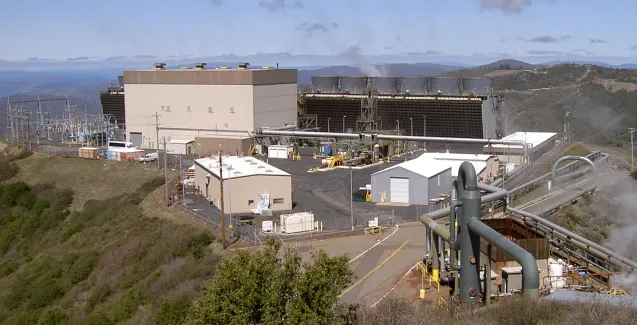
In a new study, researchers show that machine learning algorithms can pick out different types of earthquakes from three years of data at Geysers in California. The repeating patterns of earthquakes appear to match the seasonal rise and fall of water-injection flows into the hot rocks below.
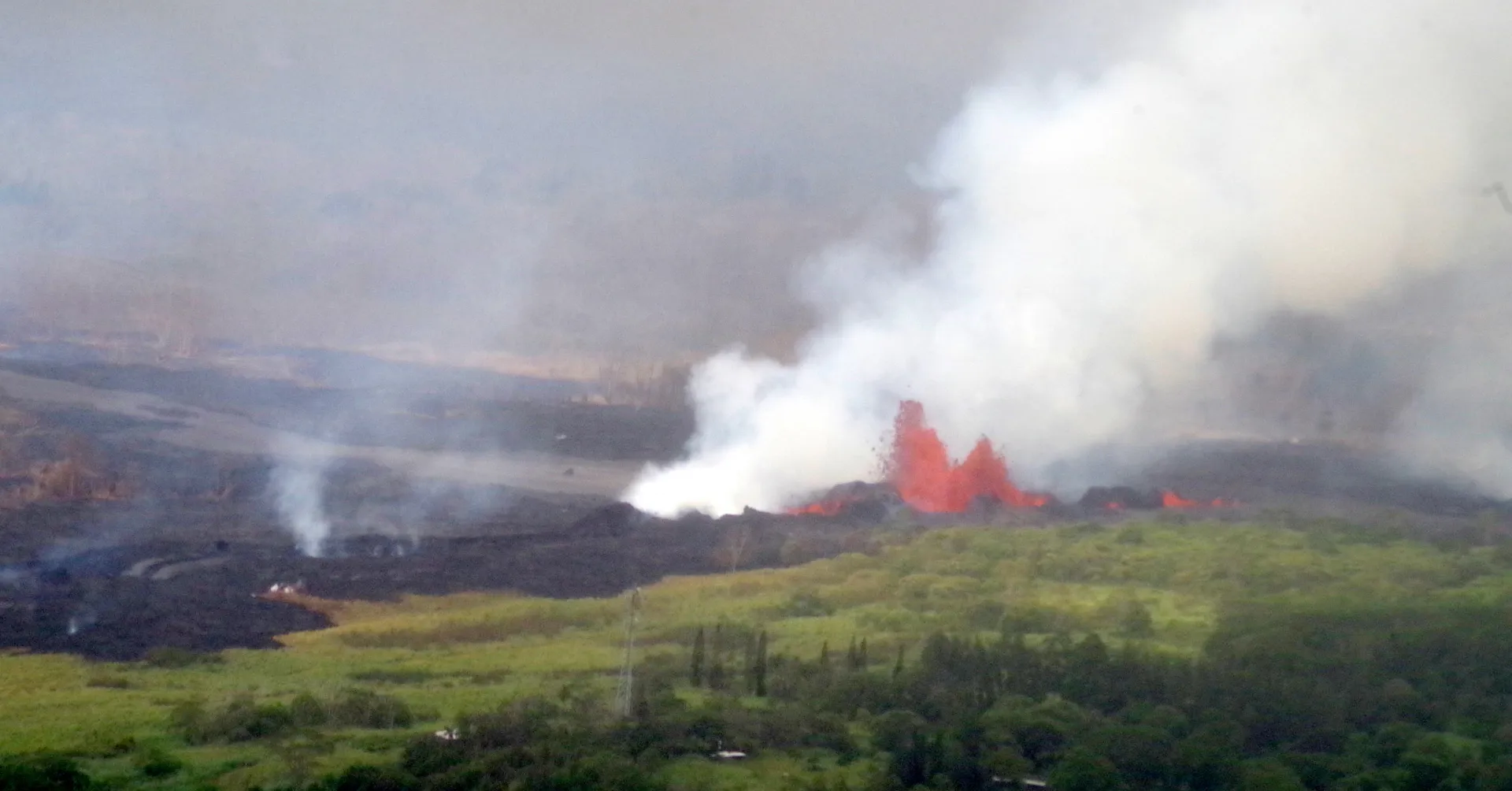
Volcanologist Einat Lev is tracking lava flows at Hawaii’s volcanic eruption. Here, she describes what conditions are like on the ground—and in the sky.