
Lamont in the Media
Earth & Climate Science News
The report describes how “negative emissions technologies” that remove and sequester carbon dioxide from the air will need to play a significant role in mitigating climate change.

What’s a bog corer? And how do seeds help scientists learn about the earth’s past? A paleoecologist explains the most important items in her toolkit.
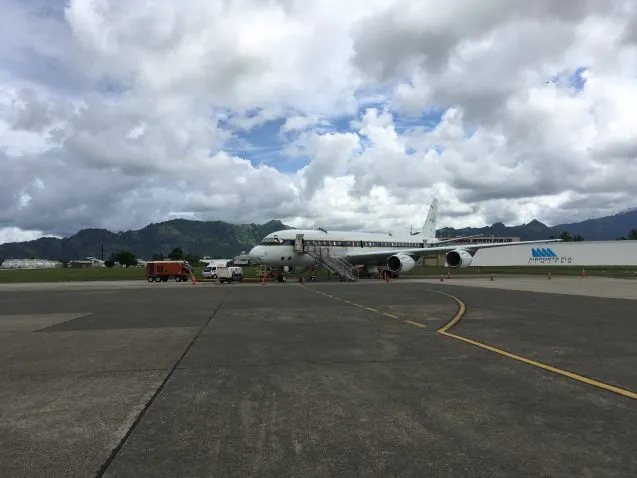
Atmospheric scientists discover surprising levels and unexpected types of pollution that seem to be originating in Africa.
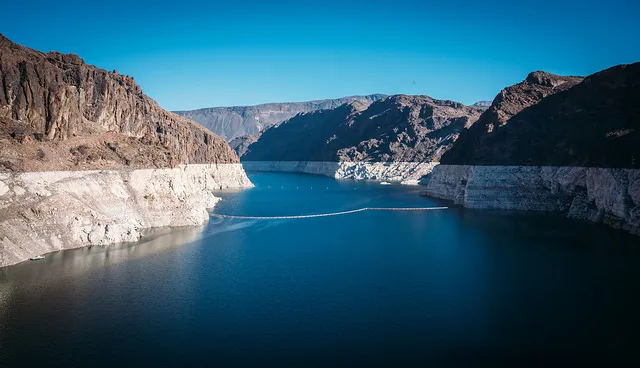
A 19-year drought in the American West is one of the most severe in the past 1200 years—and climate change is partially to blame, according to new research.
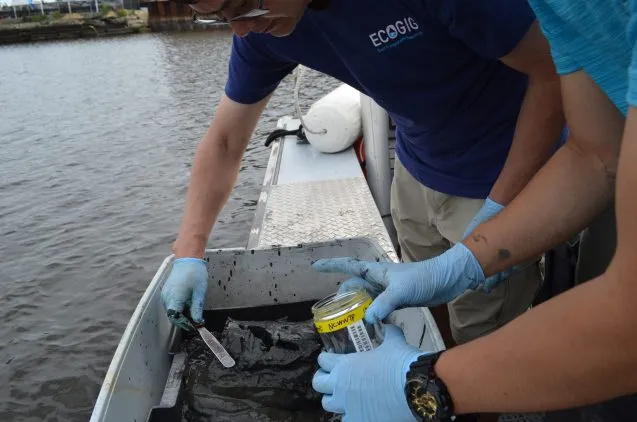
A new study shows that fecal bacteria from sewage can persist in far greater quantities in near-shore sediments than in the water of the Hudson River.
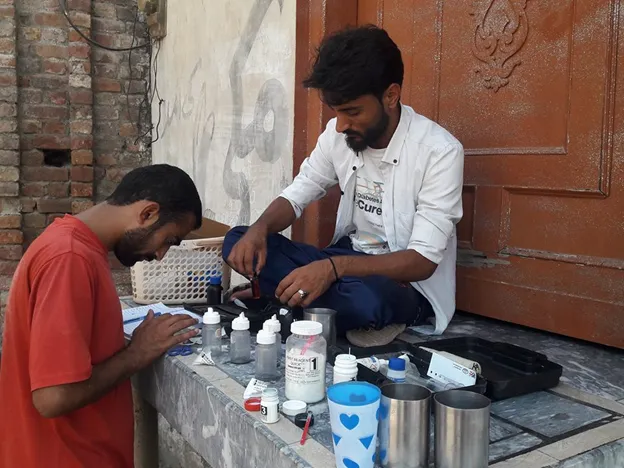
But there’s a pretty simple solution that could protect a lot of people.

Yutian Wu received funding from the Center for Climate and Life to investigate whether the loss of Arctic sea ice promotes severe weather over North America.

A variety of undergraduate research assistant positions are available for the upcoming semester. Apply by January 31, 2019.

A variety of undergraduate, graduate and PhD positions are available in various departments and research centers. Apply by January 31, 2019.
The American Geophysical Union fall meeting takes place Dec. 10-14 in Washington, D.C. Here is a guide to key talks and other events from Columbia’s Earth Institute.
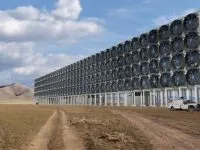
The Intergovernmental Panel on Climate Change says that limiting global warming to 1.5˚C will require removing CO2 from the atmosphere. How feasible is this?
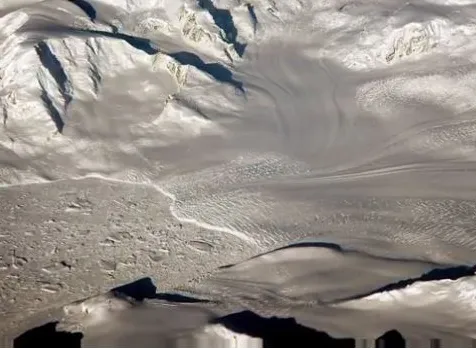
A concerted, multidisciplinary effort is needed to tackle this complexity, scientists argue in a paper released on Monday.