
Lamont in the Media
Earth & Climate Science News

The Global Famine was one of the worst humanitarian disasters in history, killing as many people as World War II. A new analysis suggests it could happen again, only worse because of climate change.
A small team of scientists ventures out onto the Greenland ice sheet to study the forces large and small that are accelerating the melting of the world's second-largest ice mass.
As climate warms, the Greenland ice sheet is melting, helping to fuel global sea-level rise. Follow a small team of scientists as they hike onto the sheet to investigate the forces large and small that are demolishing the ice.
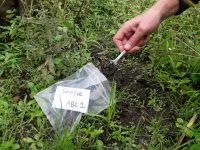
To find out if this harmful metal is lingering in your backyard or local park, and to learn how to protect your family, bring a few scoops of soil to the Lamont-Doherty Open House on October 13.
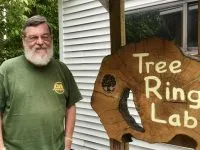
An interview with Ed Cook, one of the founding directors of the Tree-Ring Laboratory at Lamont-Doherty Earth Observatory.
In celebration of Climate Week NYC, here are 10 sample questions from our Climate Challenge game on Kahoot!
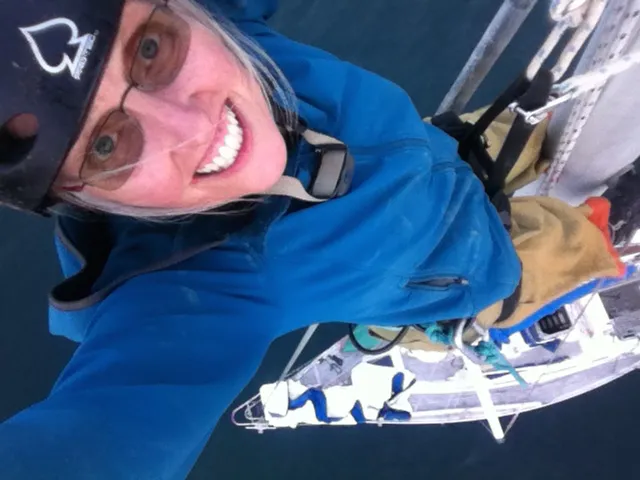
Scientists and staff within the Earth Institute share some of the ways they’re shrinking their carbon footprints.
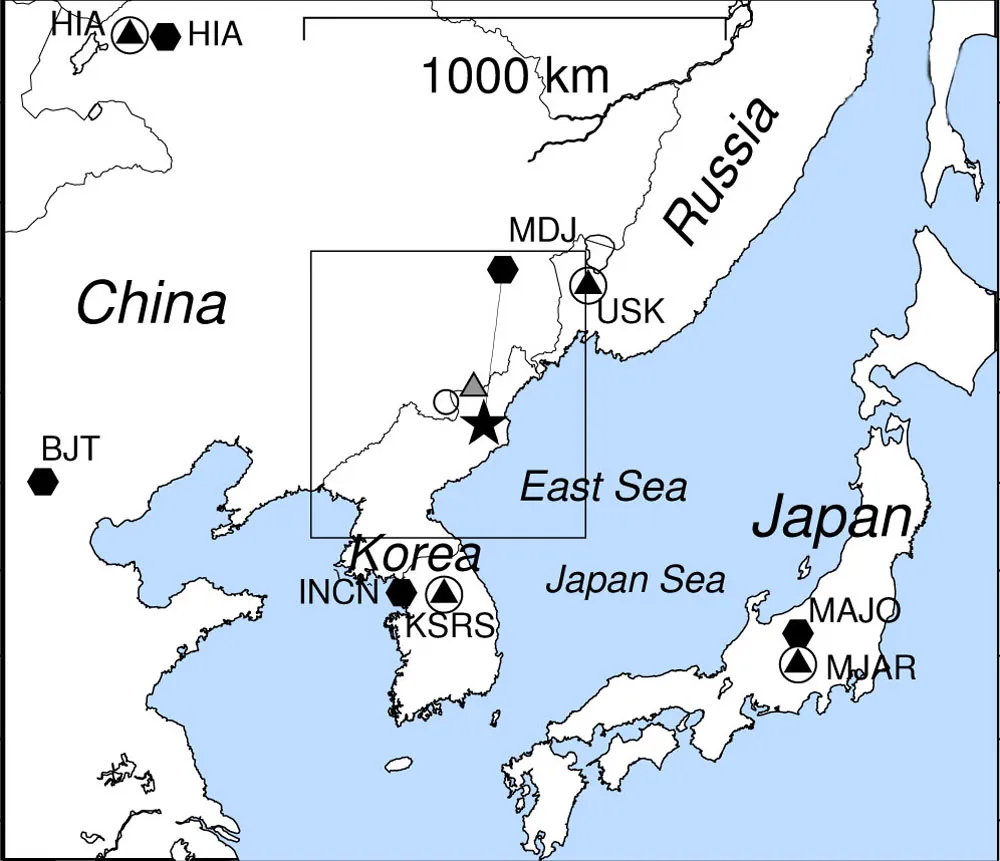
Using newly refined analysis methods, scientists have discovered that a North Korean nuclear bomb test last fall set off aftershocks over a period of eight months on a previously unmapped earthquake fault nearby.

New study reveals surprising facts behind a shrinking wetland, and suggests remedies.
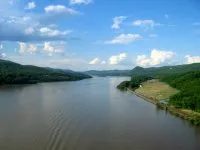
A comprehensive plan outlines ways to clean up the Hudson River and reduce the impacts from development and climate change.
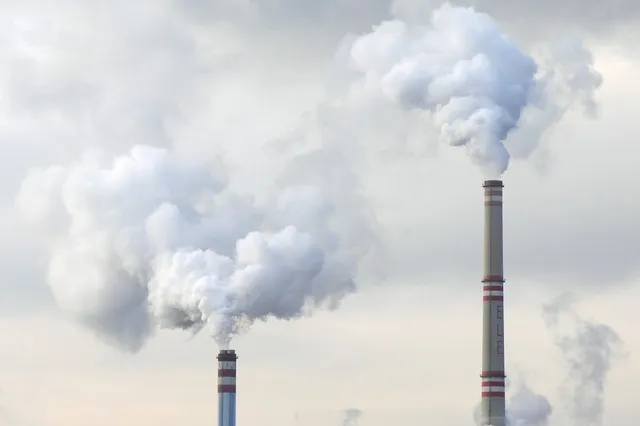
The initiative will help to drive business models, investment vehicles, and policies for a new carbon economy.
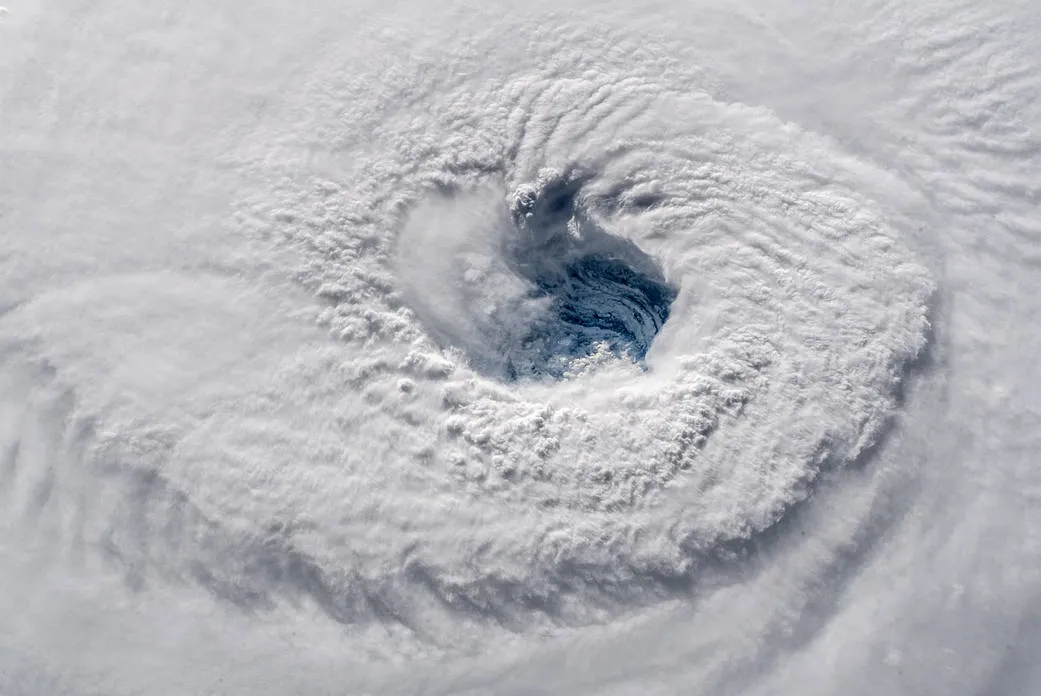
By enhancing climate models, a project will help to improve forecasts of intense hurricanes like Hurricane Florence.