
Lamont in the Media

Earth & Climate Science News
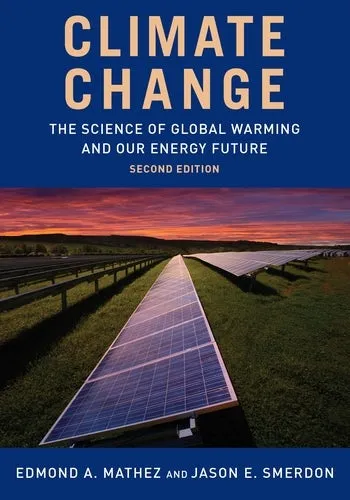
A Q&A with Jason Smerdon, coauthor of the newly revised Climate Change: The Science of Global Warming and Our Energy Future.
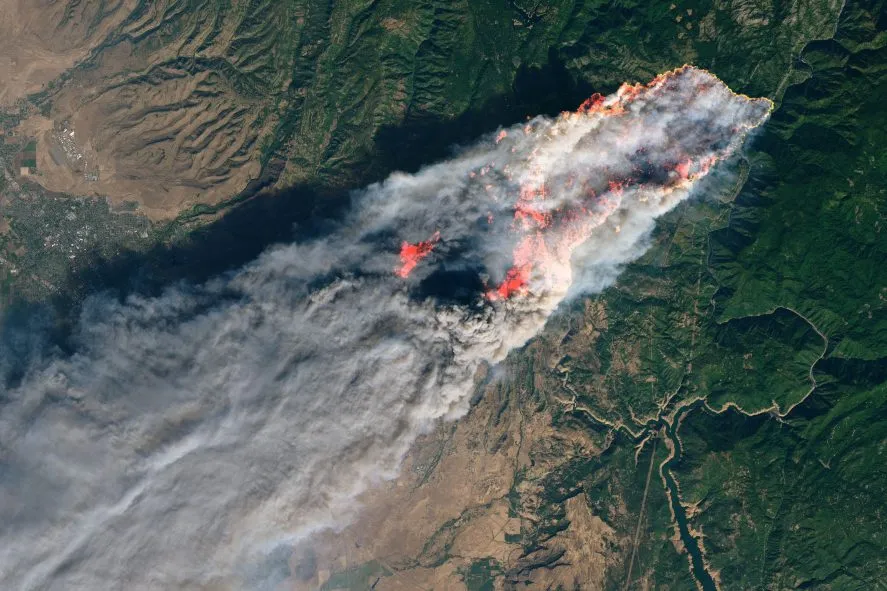
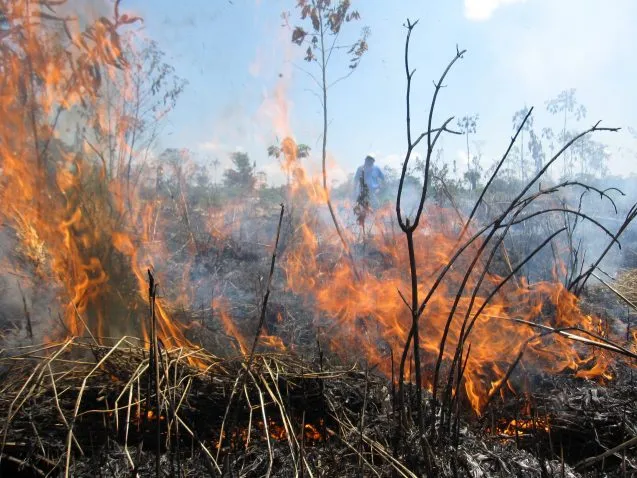
Park Williams, a bioclimatologist at Lamont-Doherty Earth Observatory, has found that rising temperatures influence wildfires in the American West.
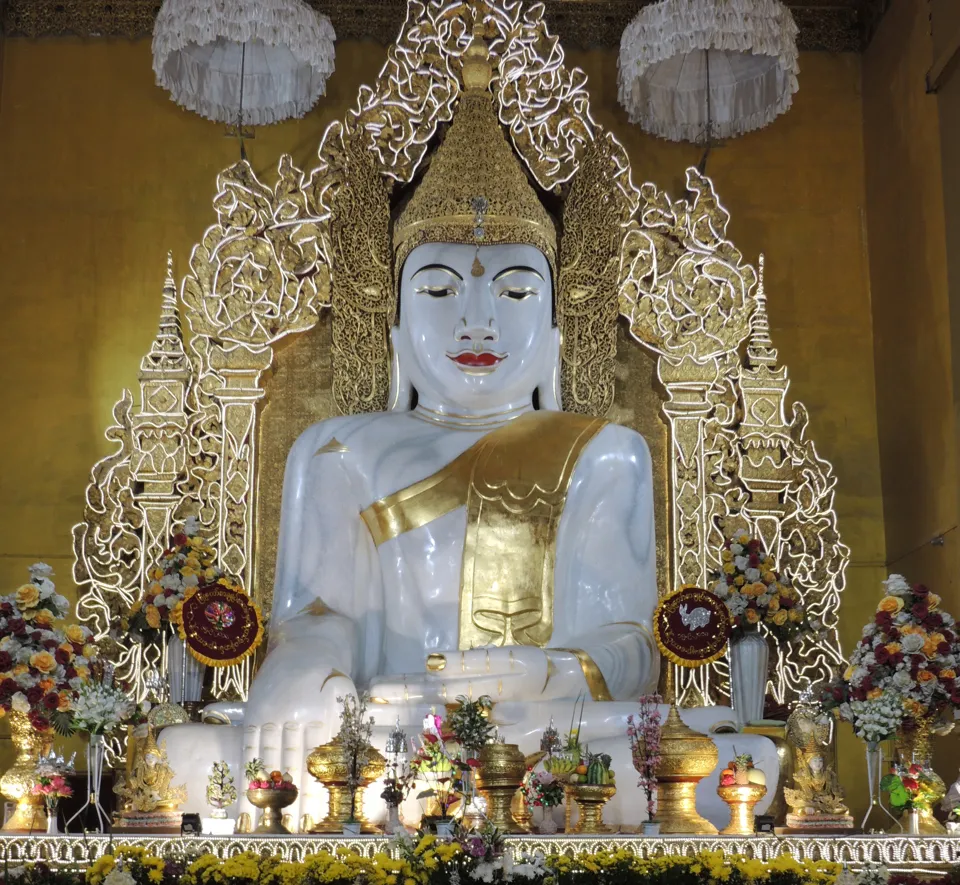
I had one last day installing seismometers with the team, then left for Mandalay. After a breakfast with colleagues, I had a free day to explore Mandalay Hill.
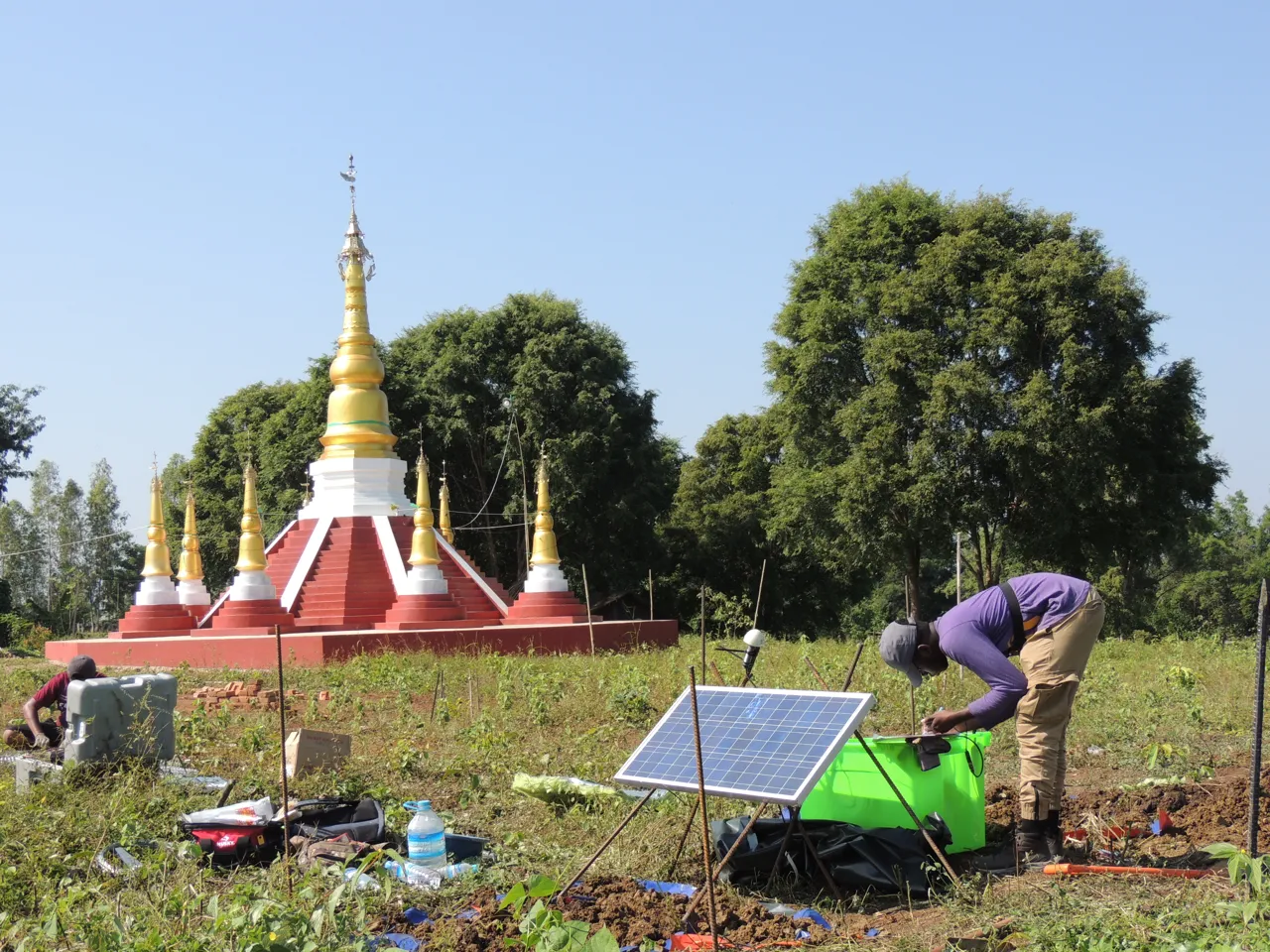
With the GPS done, I joined the seismologists installing 32 stations in Myanmar. We finished the preparations and then headed out to the field in three teams.
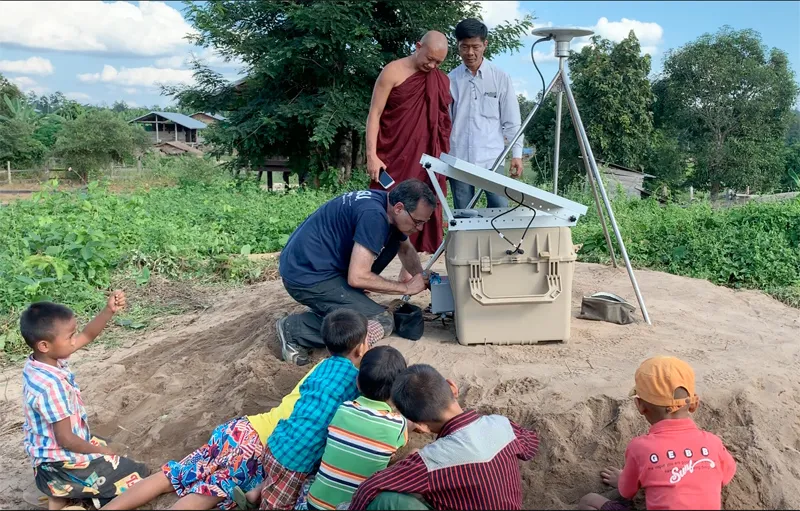
On the way back to Kale, we stopped at a Catholic church where one of the seismometers will be deployed.
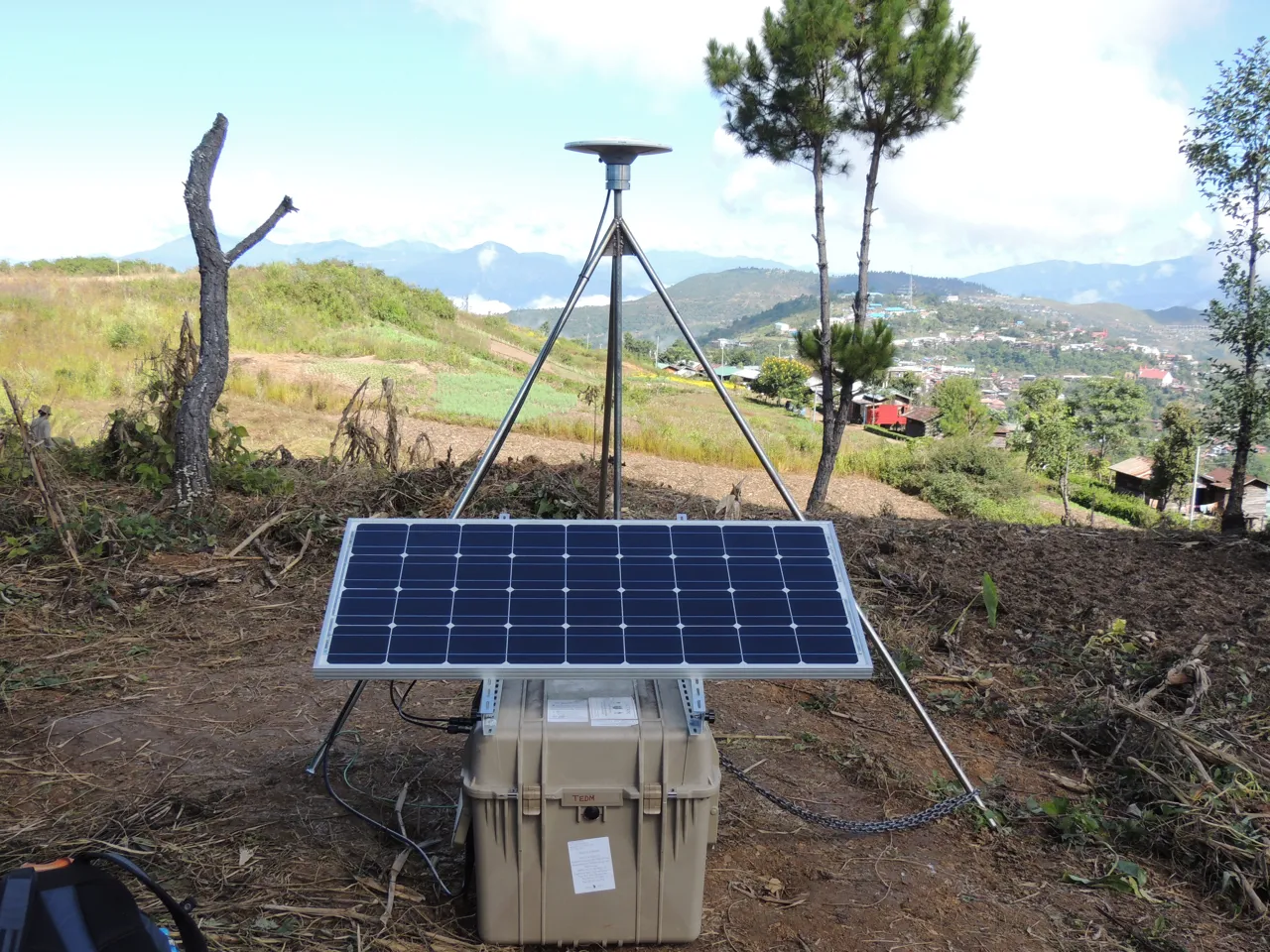
To get to Kalewa we followed the Myittha River past the Kabaw Fault to the site with view of a monastery. Tedim is a long and windy drive through the mountainous Chin Hills.
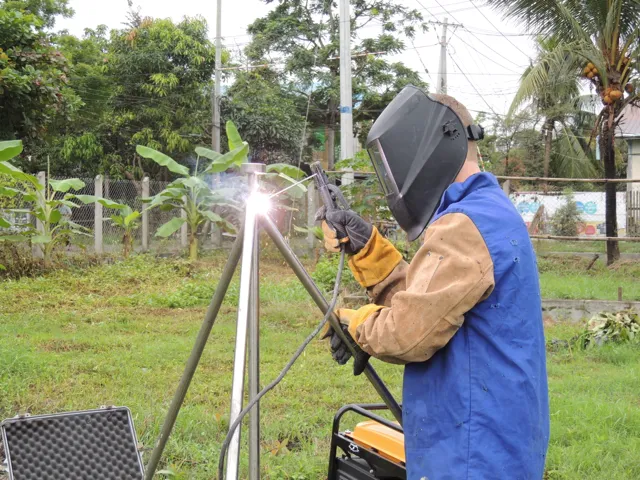
We drove 15 hours over two days to get to Kale, our new home base. Here, we managed to build a monument and install our first GPS station in only one day. Our homemade post-driver worked amazingly well.
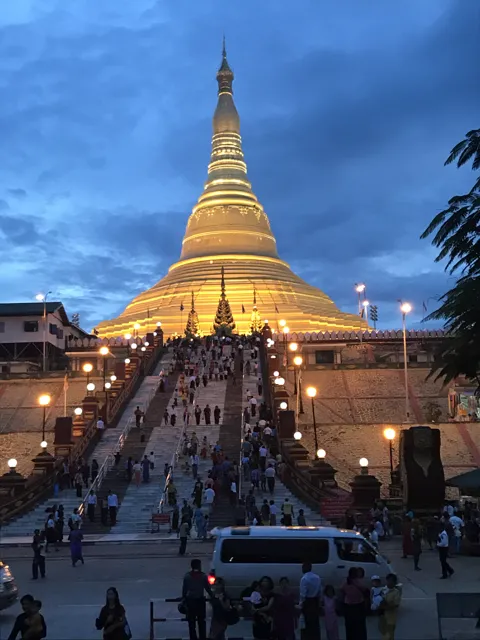
We believe the IndoBurman subduction zone is active and that there is a significant earthquake hazard in this densely populated region. We are installing GPS stations to monitor it.
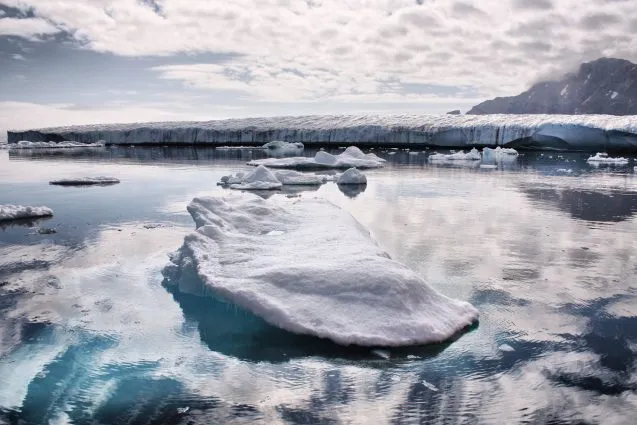
The Trump administration is attempting to rescind almost all the policies to fight climate change proposed or enacted by the Obama administration. Could this send us over the climate tipping points?

This annual celebration consists of talks by Lamont’s world-renowned experts as well as dozens of hands-on activities and experiments for kids to learn about how our planet works.
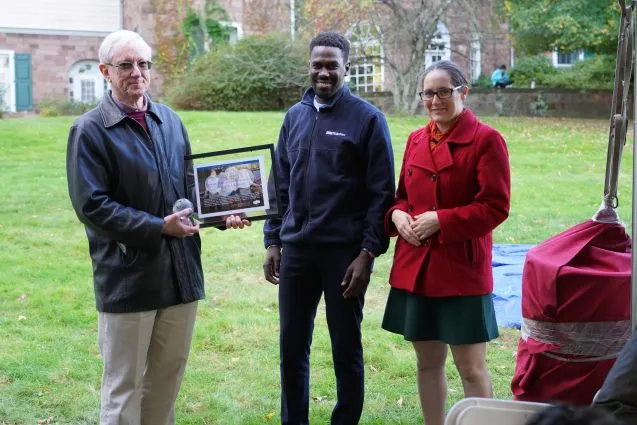
The award from the New York State Department of Transportation recognizes Lamont’s electric shuttle buses, bike-friendly engineering, and more.