
Lamont in the Media
Earth & Climate Science News
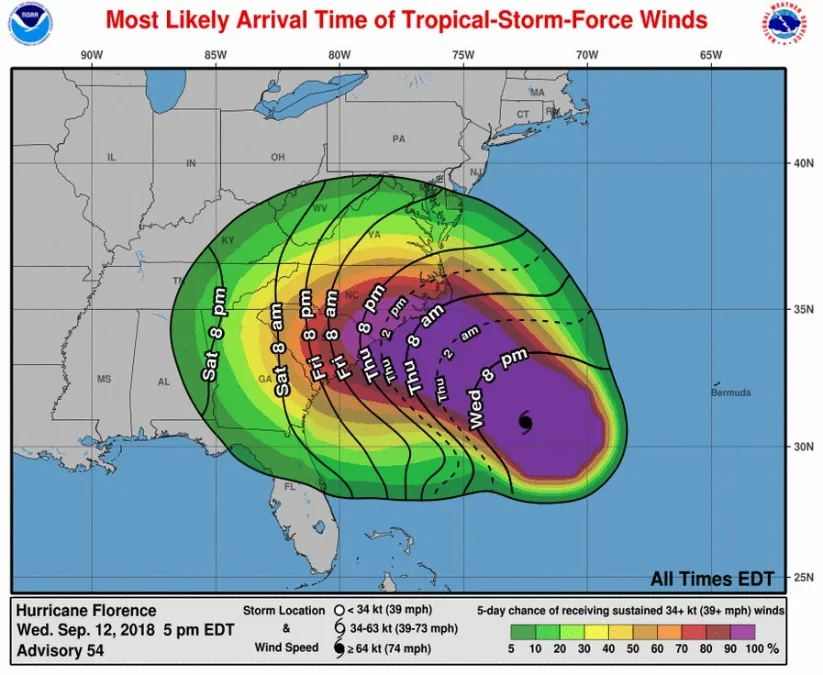
Experts from around the Earth Institute weigh in on some of the biggest questions about Hurricane Florence.
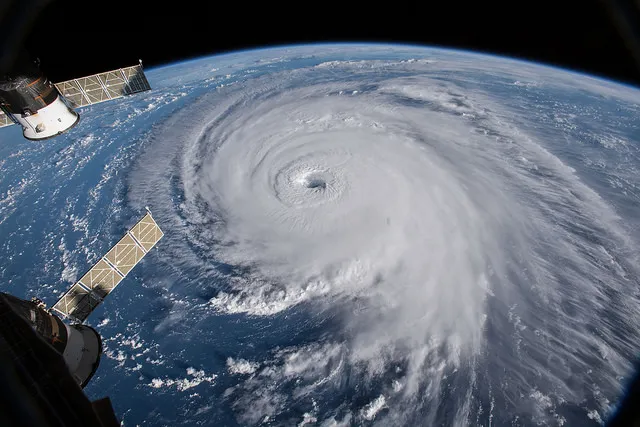
Our hurricane and disaster experts are standing by to answer media questions about hurricane physics, emergency response, climate change, and more.
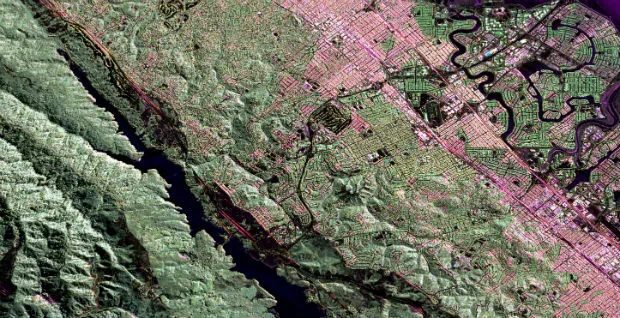
In a new study, researchers report that their physics-based model of California earthquake hazards replicated estimates from the state’s leading statistical model.

An extensive investigation by the Reuters news agency has found that many children living on U.S. military bases may be exposed to hazardous levels of lead in decaying family housing.
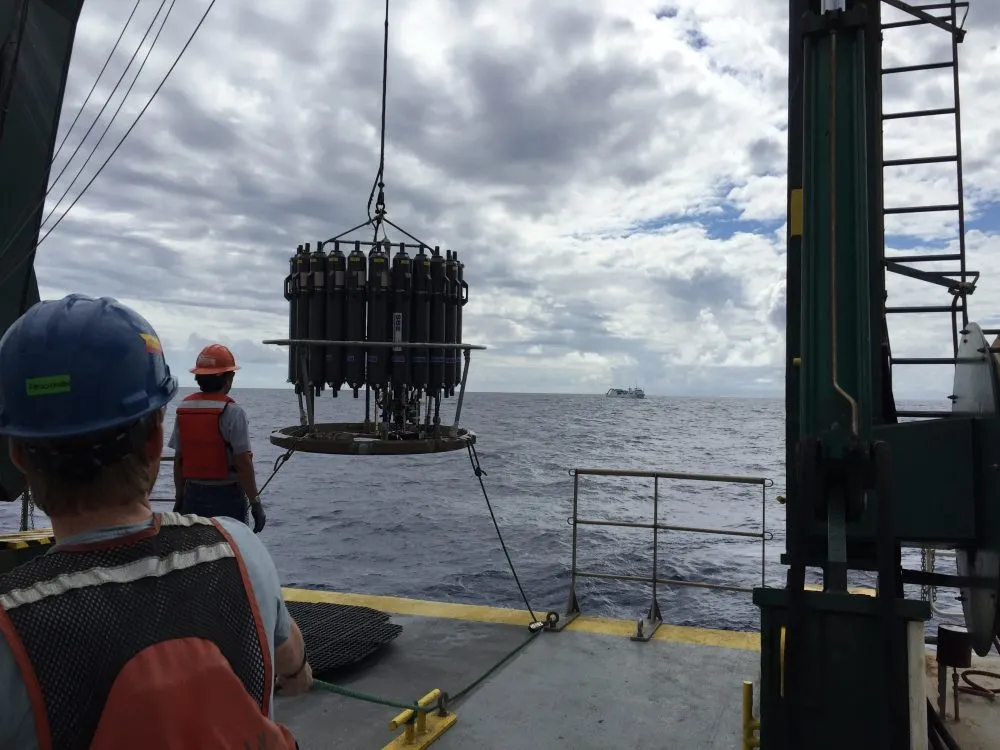
Tiny microbes called phytoplankton live beneath the ocean’s surface, producing oxygen that is essential to human survival. A new study sheds light on how these all-important diatoms survive and thrive under difficult conditions.

A variety of undergraduate research assistant positions are available. Apply by September 16, 2018.
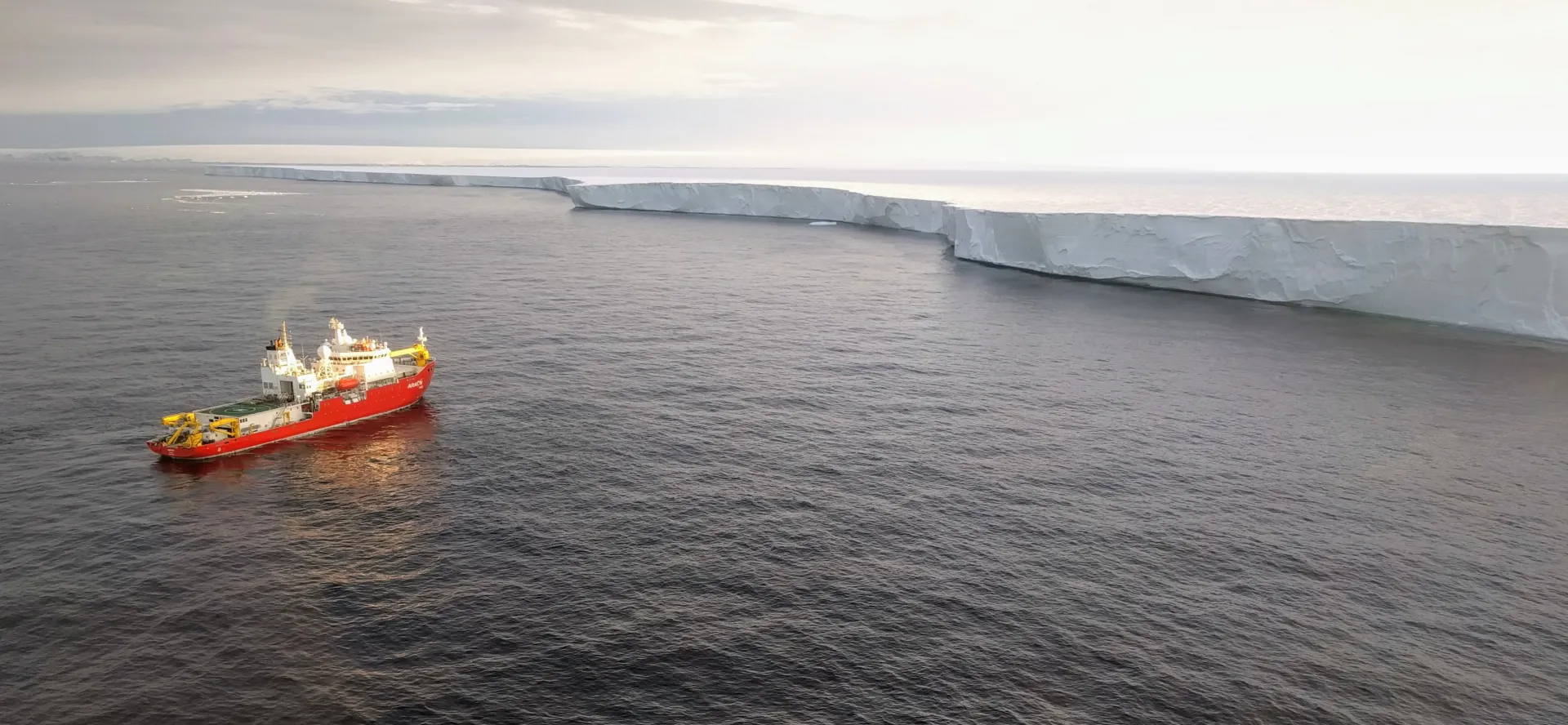
Scientists have known for some time that ice shelves off West Antarctica are melting as deep, warm ocean waters eat at their undersides, but a new study shows that temperatures, and resultant melting, can vary far more than previously thought, within a time scale of a few years.

The American Geophysical Union, the world’s largest earth and space science society, made the announcement on Thursday morning.

The world is warming and our air conditioners are making it worse. Here are some less energy-intensive ways to survive the rising heat.

The American Geophysical Union honors the outstanding work of three scientists from Columbia’s Lamont-Doherty Earth Observatory.
And why should we care what causes a drought?
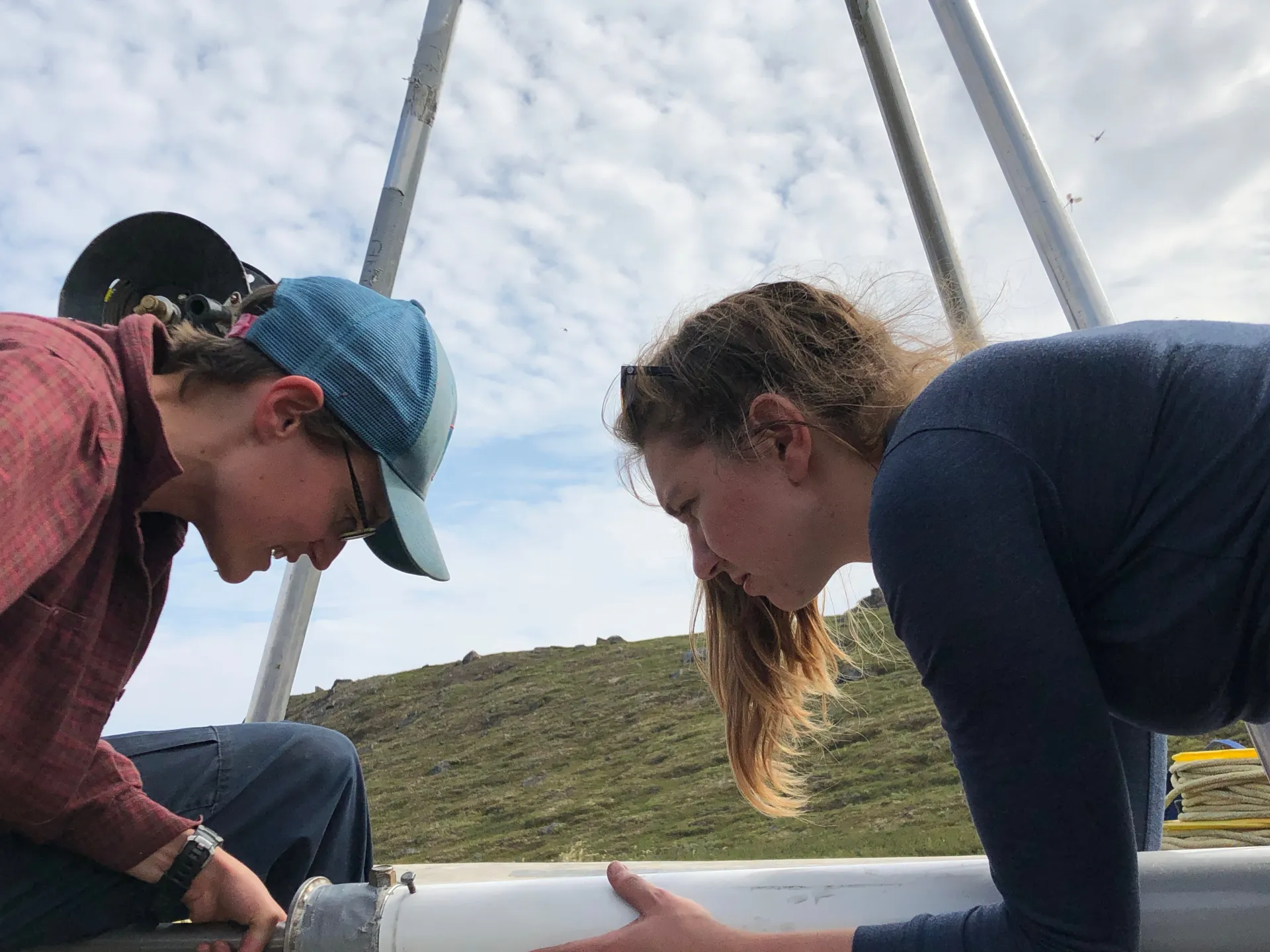
For this early part of the season the goal is to tease apart a record of historic precipitation and temperature for this region using isotopes from leaf waxes collected in the lake sediments.