
Lamont in the Media
Earth & Climate Science News
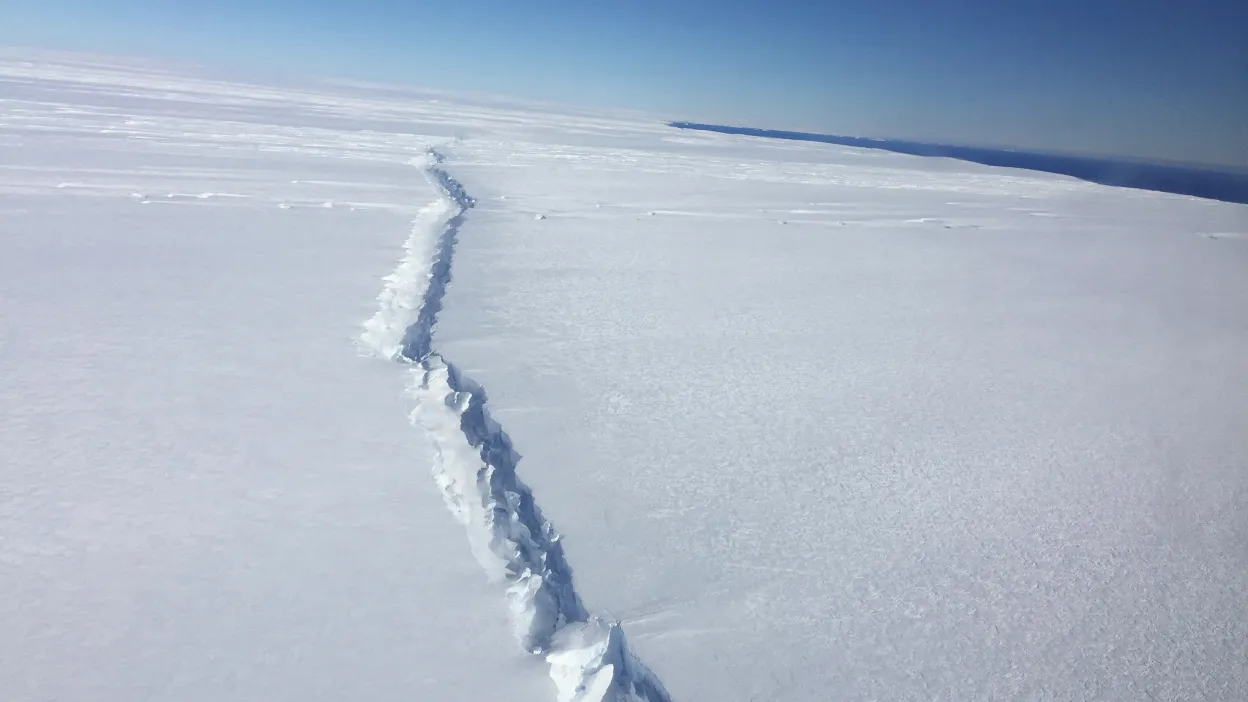
The continent’s western ice sheet turns out to once have been much bigger than previously thought. This implies that the now smaller version could waste quickly.

A laboratory experiment found that as CO2 solidified, it caused the rock around it to crack. In real reservoirs, this process could open up space to pump in more CO2.
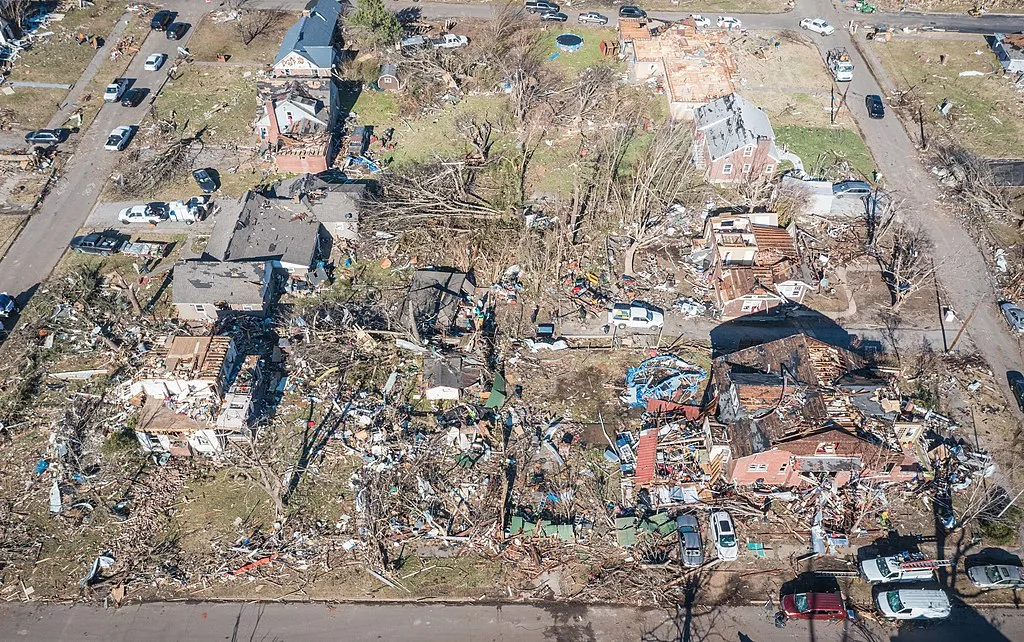
Natural hazards expert Chiara Lepore explains some of the factors that contributed to making the outbreak uncommonly dangerous.
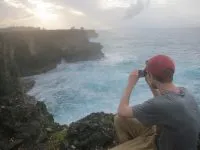
A guide to some of the most provocative talks at the world's largest gathering of earth and space scientists.
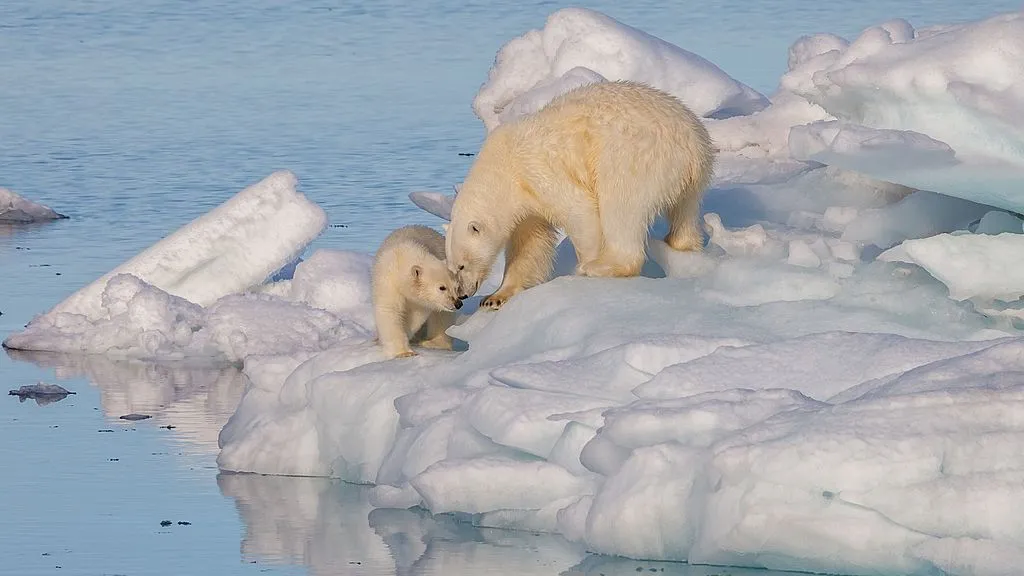
A recent study provides a rough timeline, but there’s still time to save them if we cut our carbon emissions.
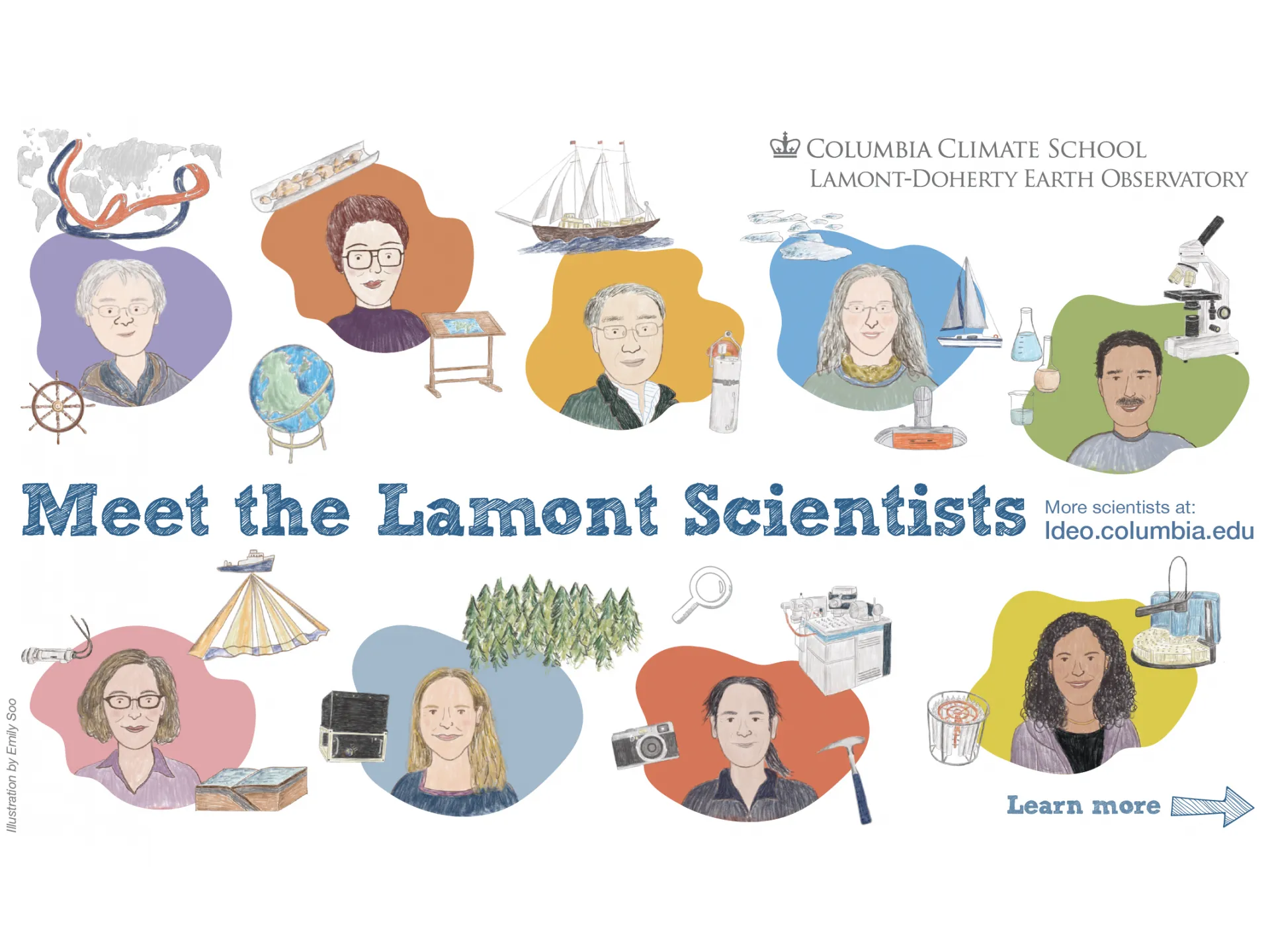
These baseball-style cards highlight a few of our amazing scientists, and can now be downloaded for free.
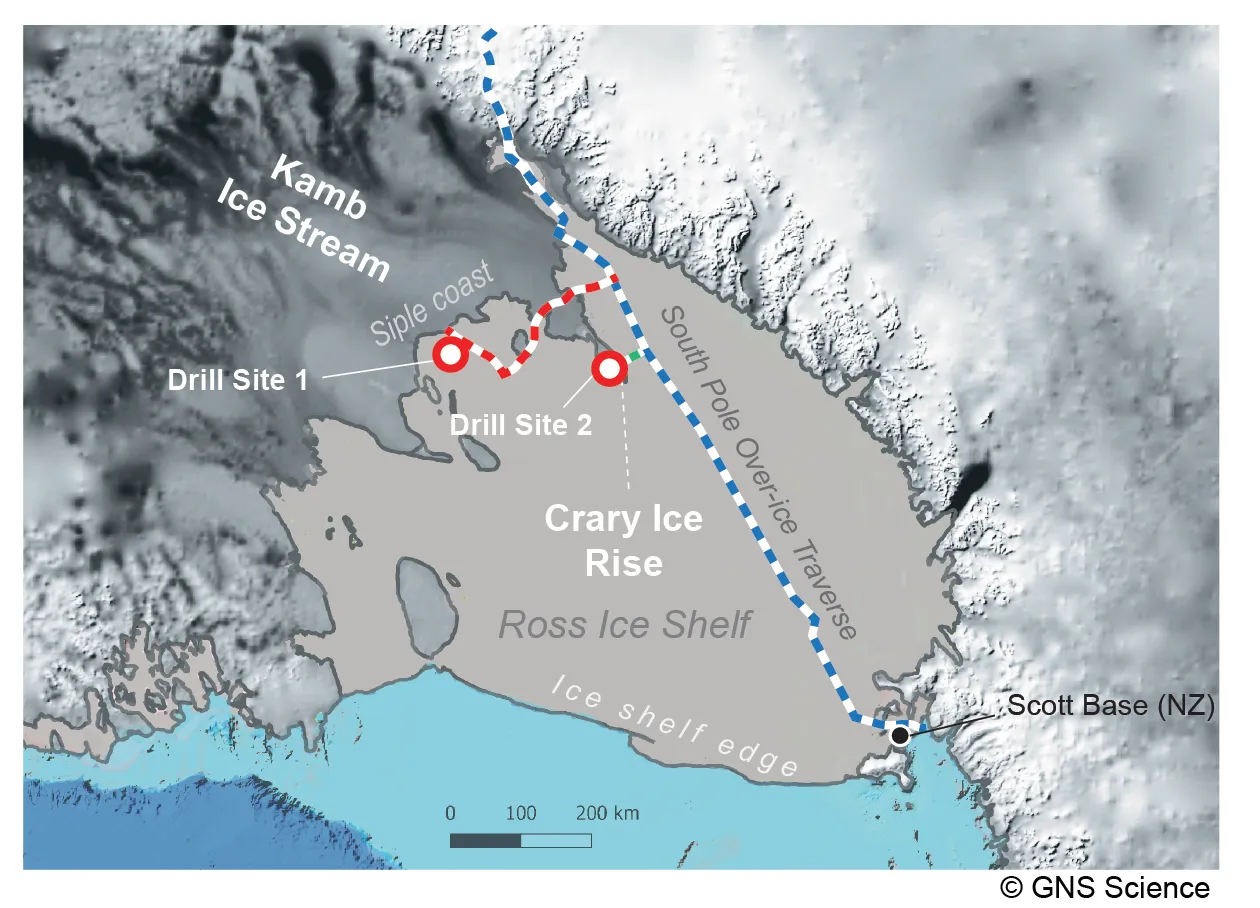
The research project, dubbed SWAIS 2C, will investigate the sensitivity of the West Antarctic Ice Sheet to global warming of 2 degrees Centigrade.
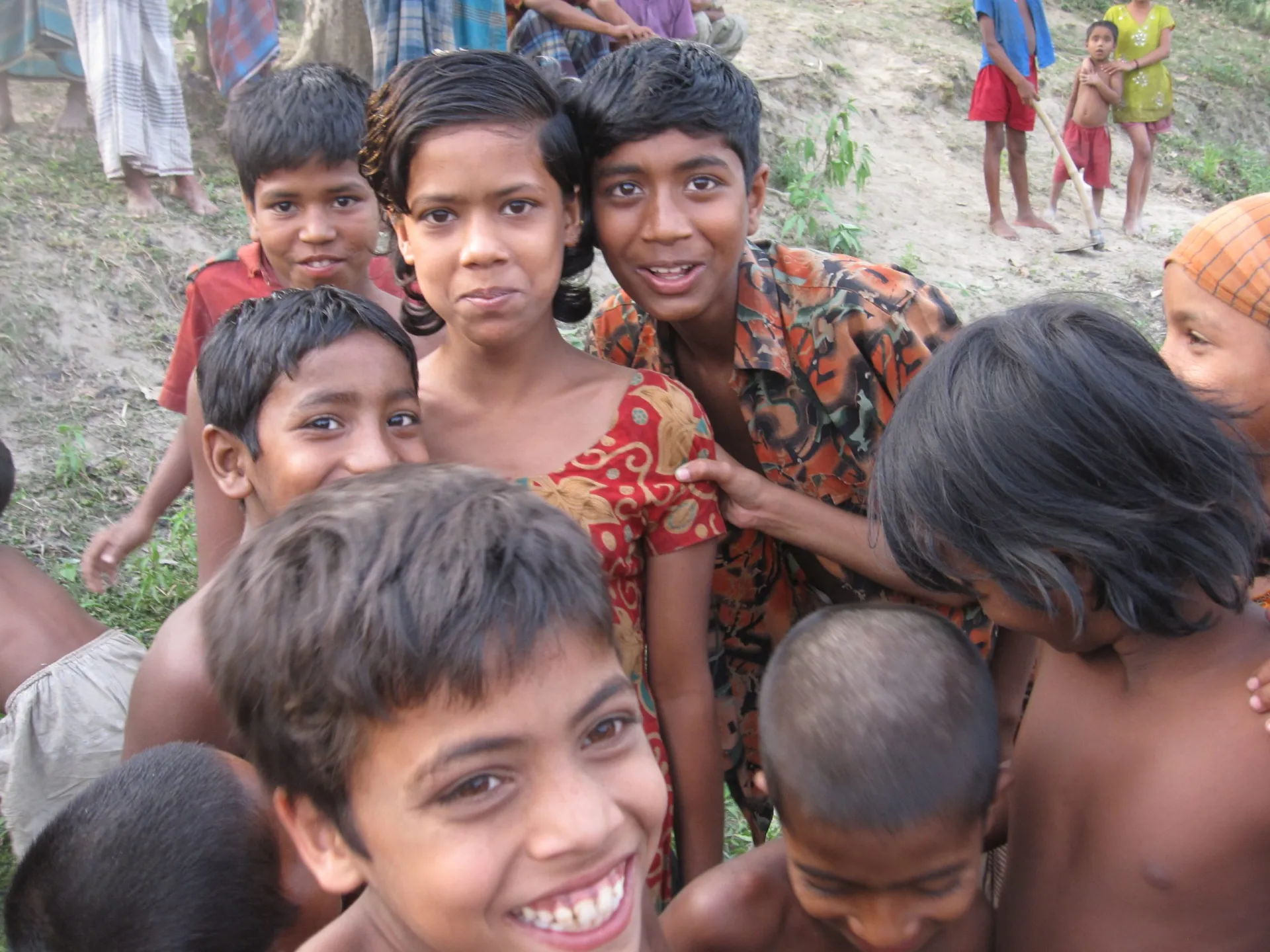
In 2020, mortality rates climbed in most of the world, but dropped in the Bangladeshi countryside, for reasons that are still unknown.
Will overshooting 1.5°C of warming push us over climate tipping points, triggering irreversible and abrupt changes?
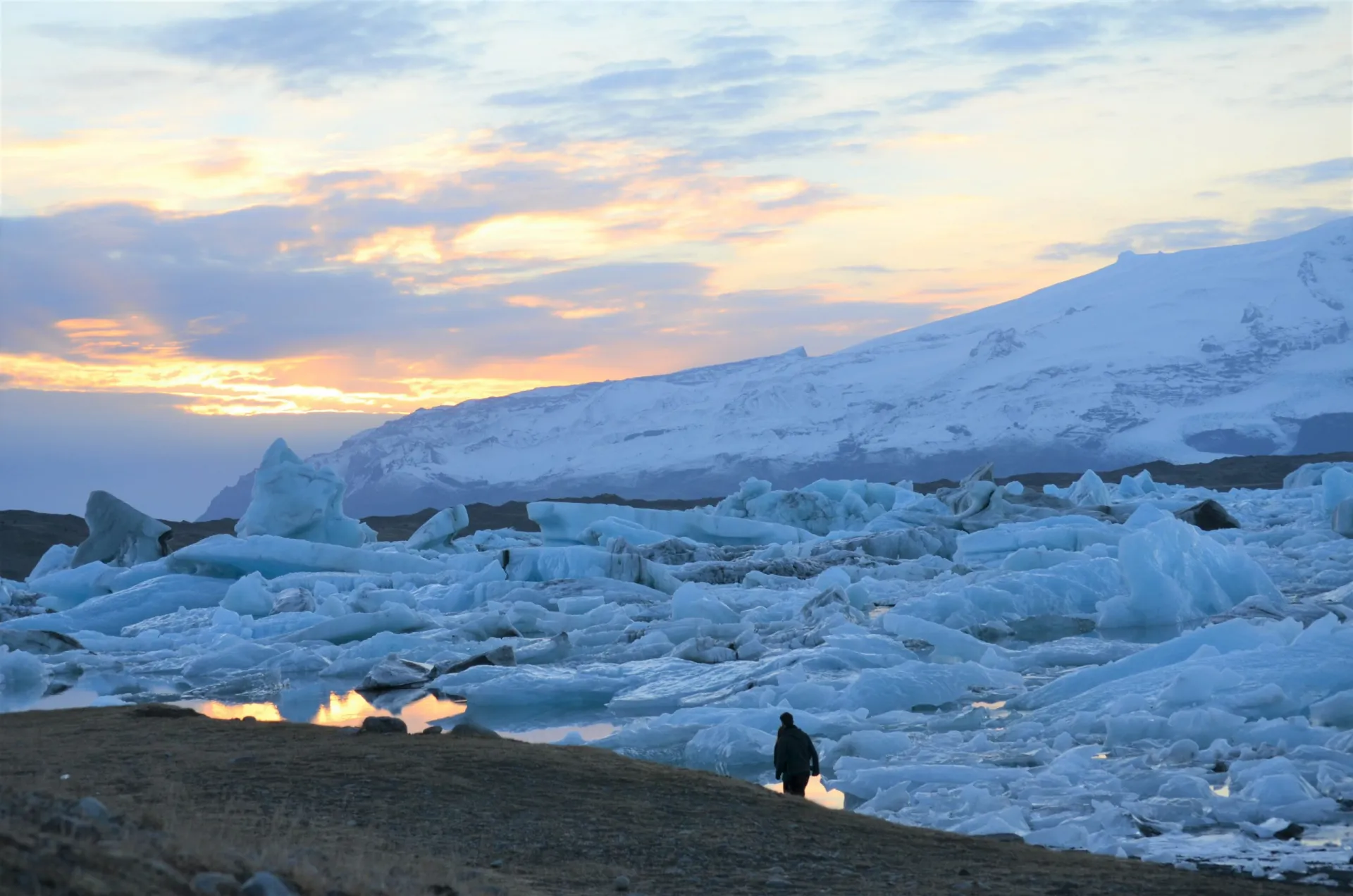
A new study suggests that a million years ago, glaciers began sticking more persistently to their beds, triggering cycles of longer ice ages.
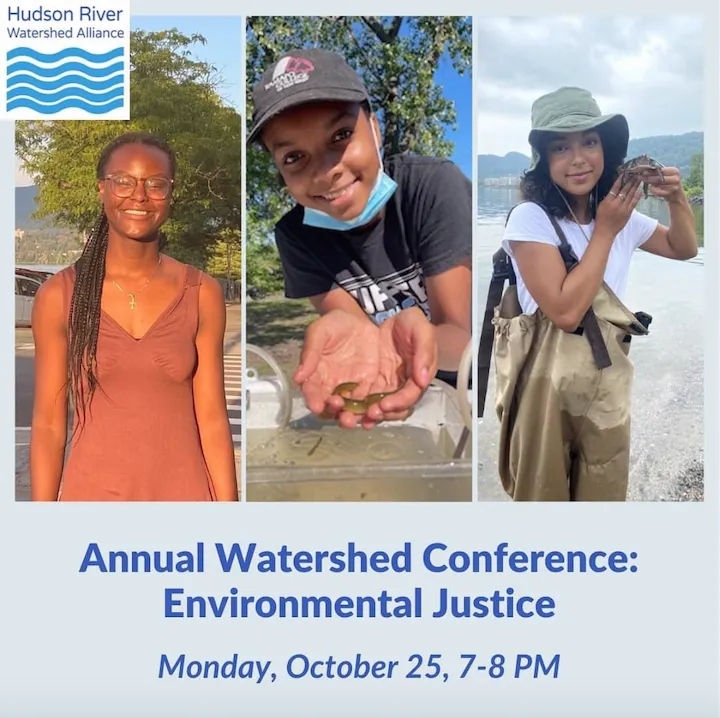
In the Next Generation of Hudson River Educators program, students learned what community members think about the Hudson and developed tools to share their own findings.
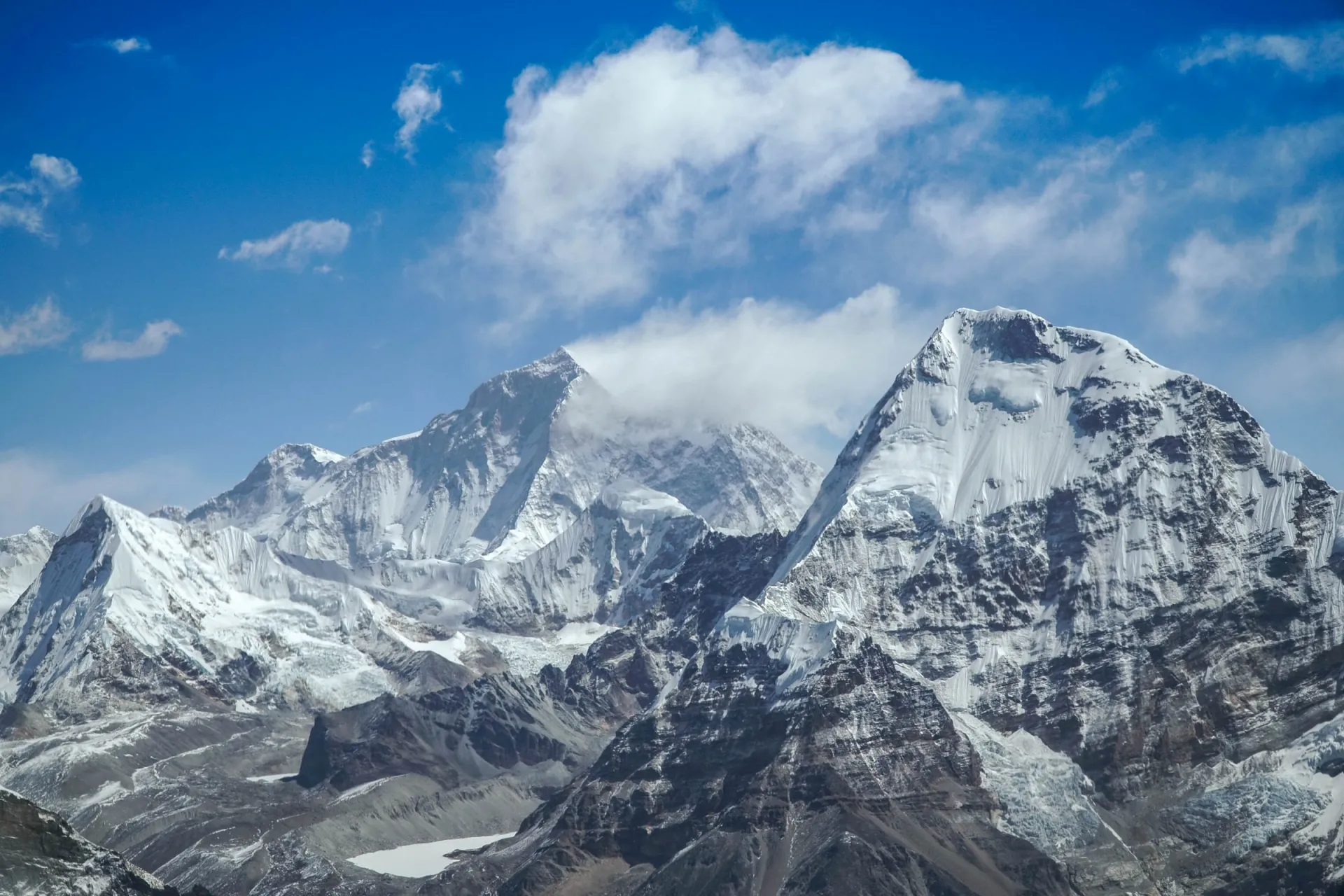
A new study bolsters the idea that the uplifts of the Himalayas and Andes that began tens of millions years ago helped trigger the many ice ages that followed.