
Lamont in the Media
Earth & Climate Science News
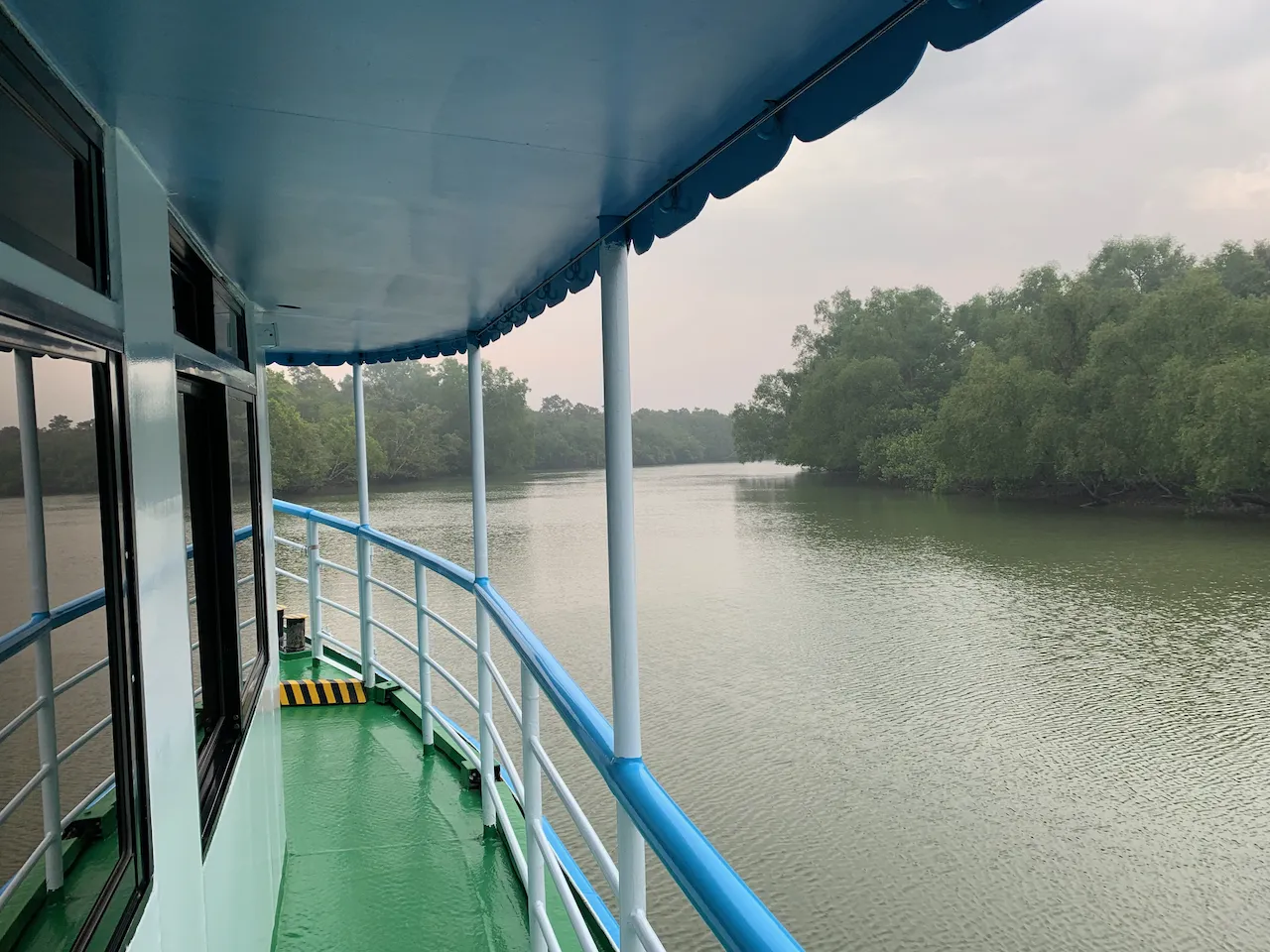
For the last week of our trip, we traveled by boat to reach the sites where we are measuring subsidence in the Sundarban Mangrove Forest and nearby embanked islands.
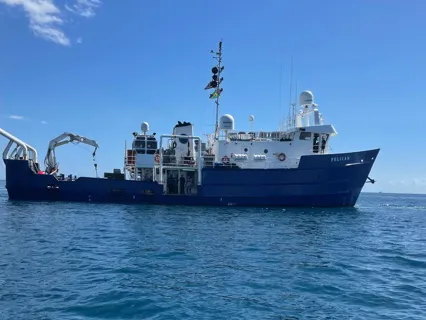
Researchers are mapping the seafloor and subseafloor between Haiti and Jamaica, to evaluate the potential for earthquakes.
Although his parents wanted him to become an electrical engineer, Tedesco felt drawn to a life of research. Then he fell in love with snow. Now he is among the most well-respected and quoted polar experts in the world.
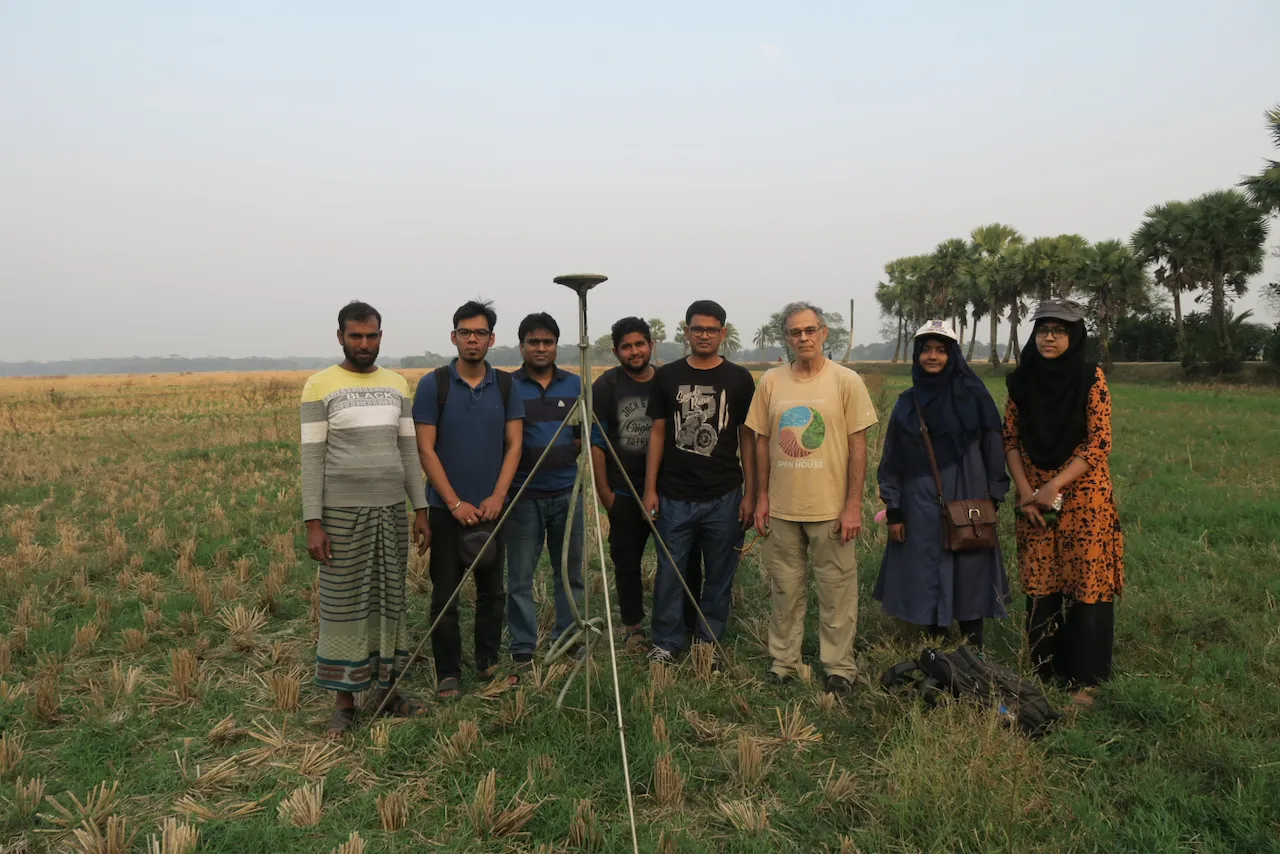
We continued to service our GNSS and RSET-MH equipment measuring land subsidence in coastal Bangladesh. Long distances, poor roads and slow ferries made for very long days, but we were able to complete the work at the sites.
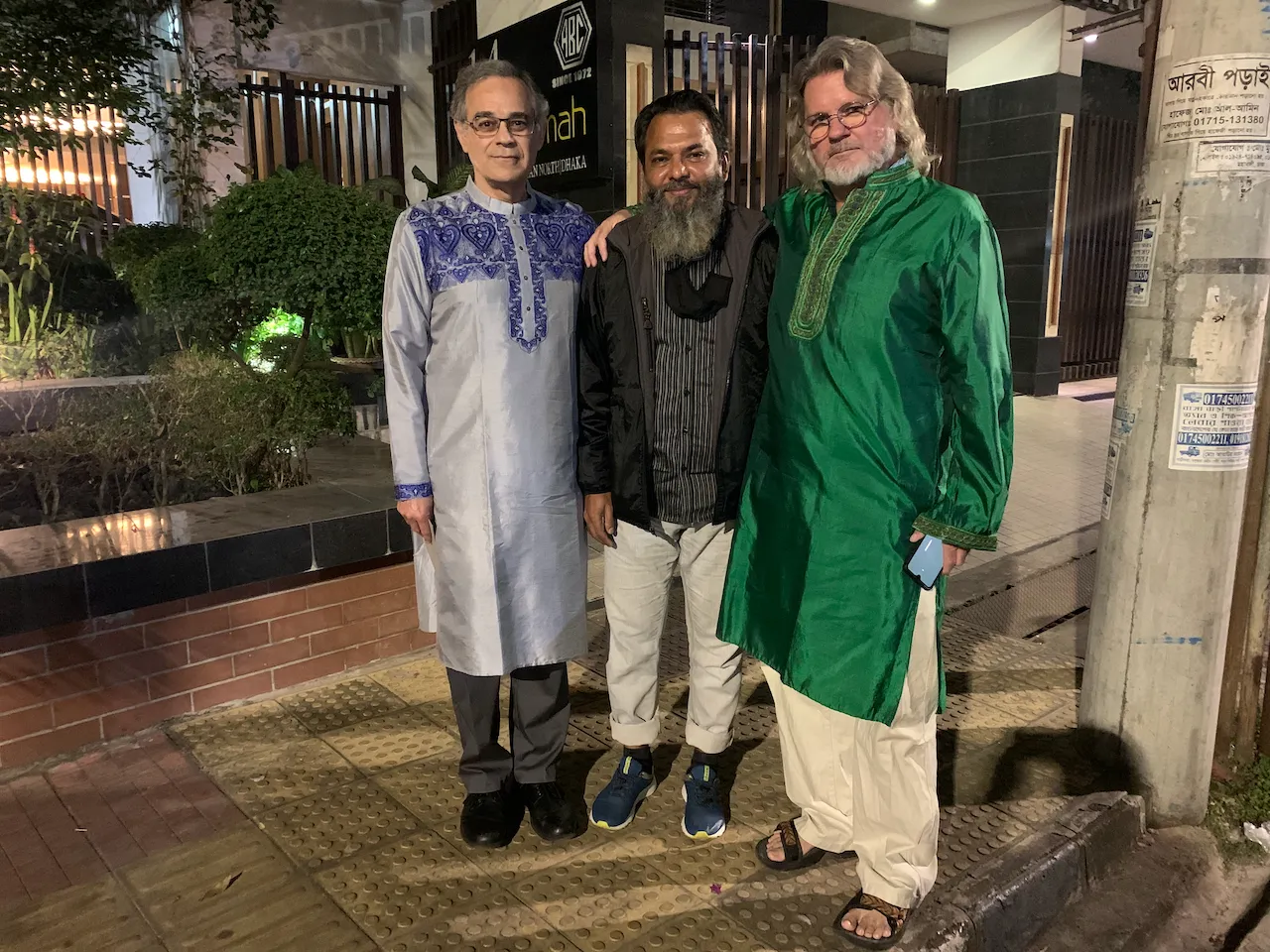
After a week of meetings and a wedding in Dhaka, we headed back to the field to service equipment measuring land subsidence in Bangladesh.
Research from Columbia's Lamont-Doherty Earth Observatory is being used to pull CO2 out of the air.
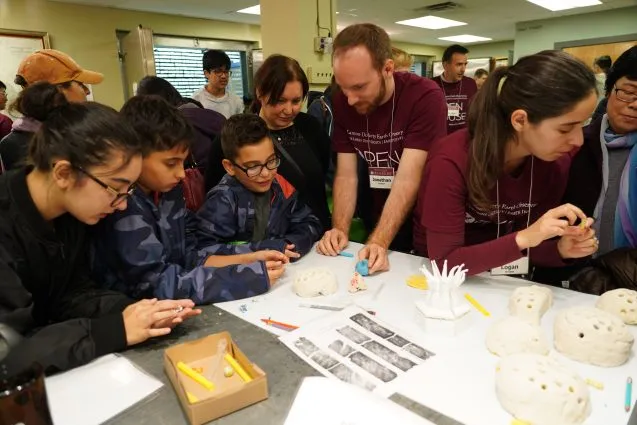
Our popular video series for students, educators, and parents returns with an exciting lineup from January to June.
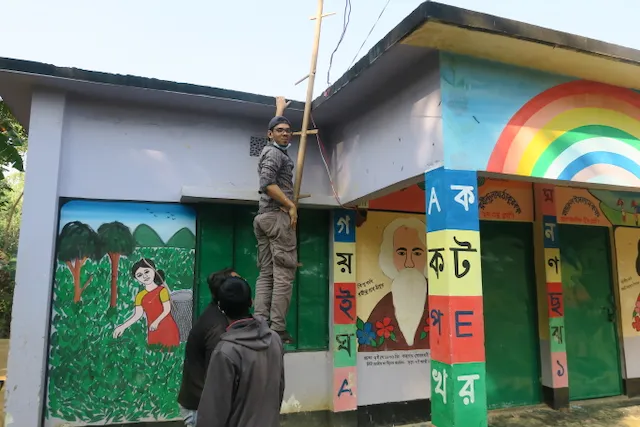
I am finally back in Bangladesh after a pandemic hiatus. I need to repair precision GPSs that failed over the last few years. They are measuring tectonic movements for earthquake hazard and land subsidence, which exacerbates sea level rise.

Undergraduates from Columbia will be able to serve as research assistants on projects related to sustainable development and the environment.

The Earth Institute is offering undergraduate, graduate and PhD students with opportunities to intern in various departments and research centers.
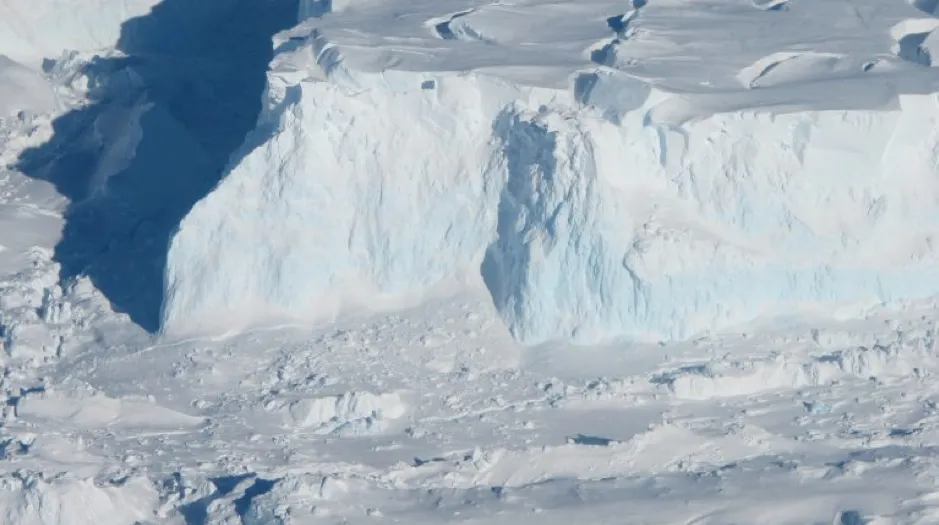
Thwaites Glacier, dubbed Antarctica’s ‘doomsday glacier,’ has been predicted to undergo dramatic changes, with its ice shelf likely to break apart in as little as five years.
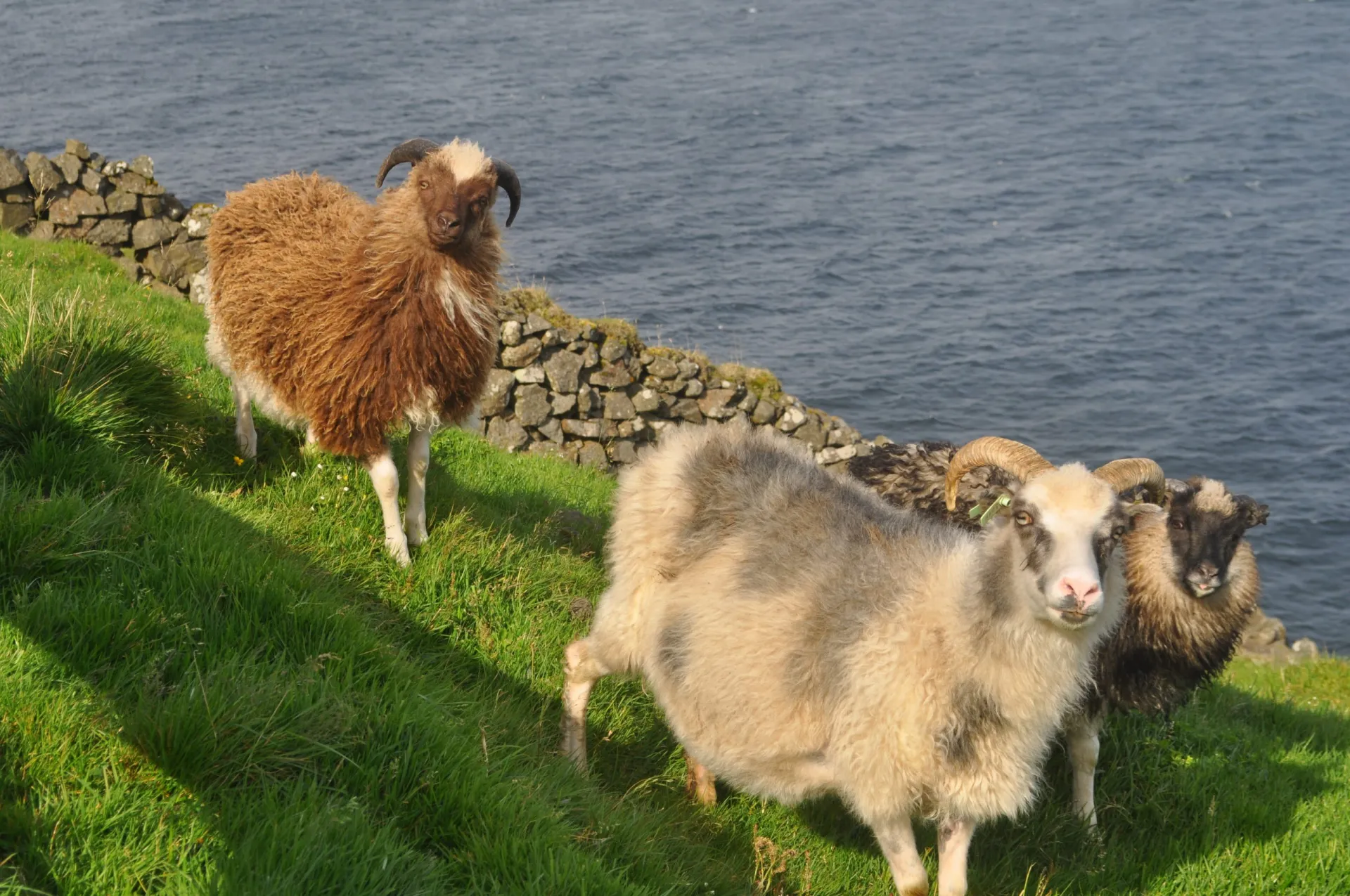
It was long accepted that the Vikings were the first people to settle the Faroe Islands, around 850 A.D. until traces of earlier occupation were announced in 2013. But not everyone was convinced. New probes of lake sediments clinch the case that others were there first.