
Lamont in the Media
Earth & Climate Science News

She’s using air quality sensors to measure how air pollution impacts disadvantaged people in the U.S. and sub-Saharan Africa.

Copple, a recent alumna of the Sustainability Science program, shares how her experiences at Columbia have helped her make an impact on climate change research.
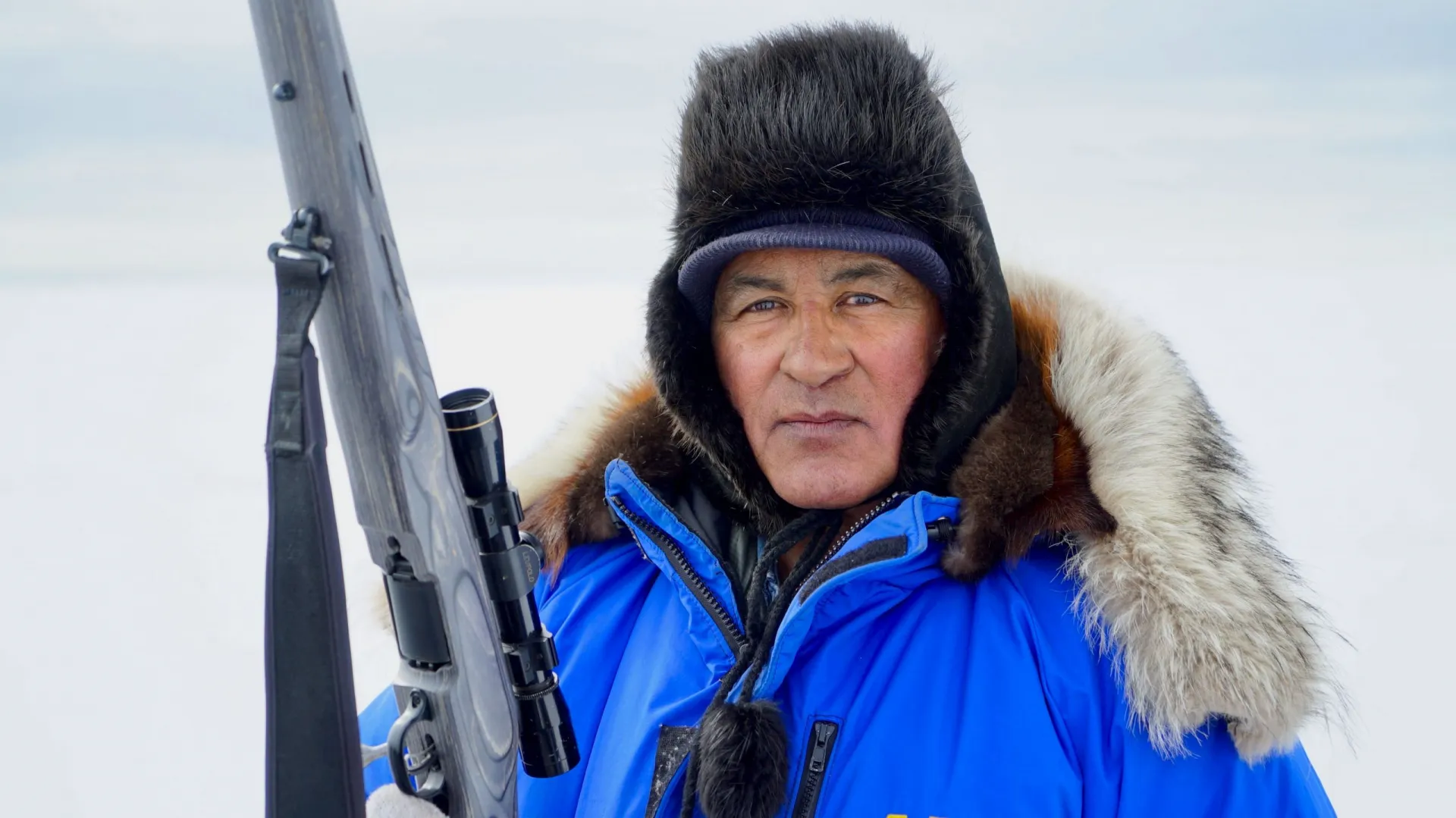
Seals have been a staple for the coastal village of Kotzebue for generations. Rapid changes in sea ice driven by ocean warmth are presenting a challenge for hunters.
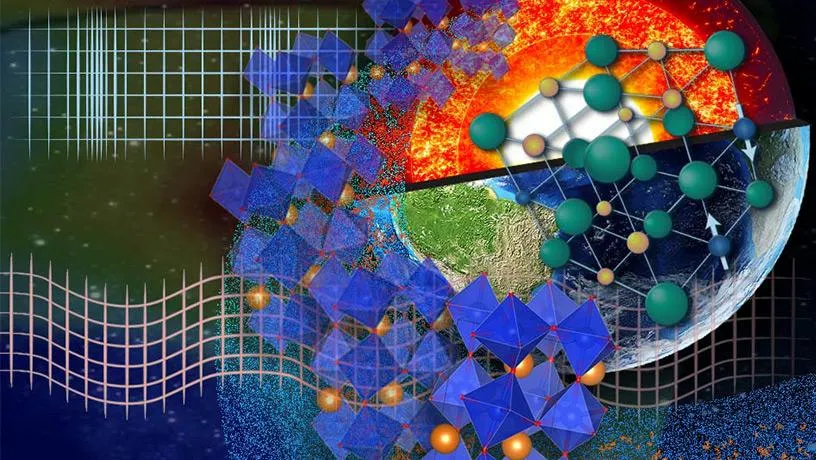
Scientists have observed and learned to use subatomic phenomena on the earth’s surface. Now, for the first time, they can see similar things deep within the planet.
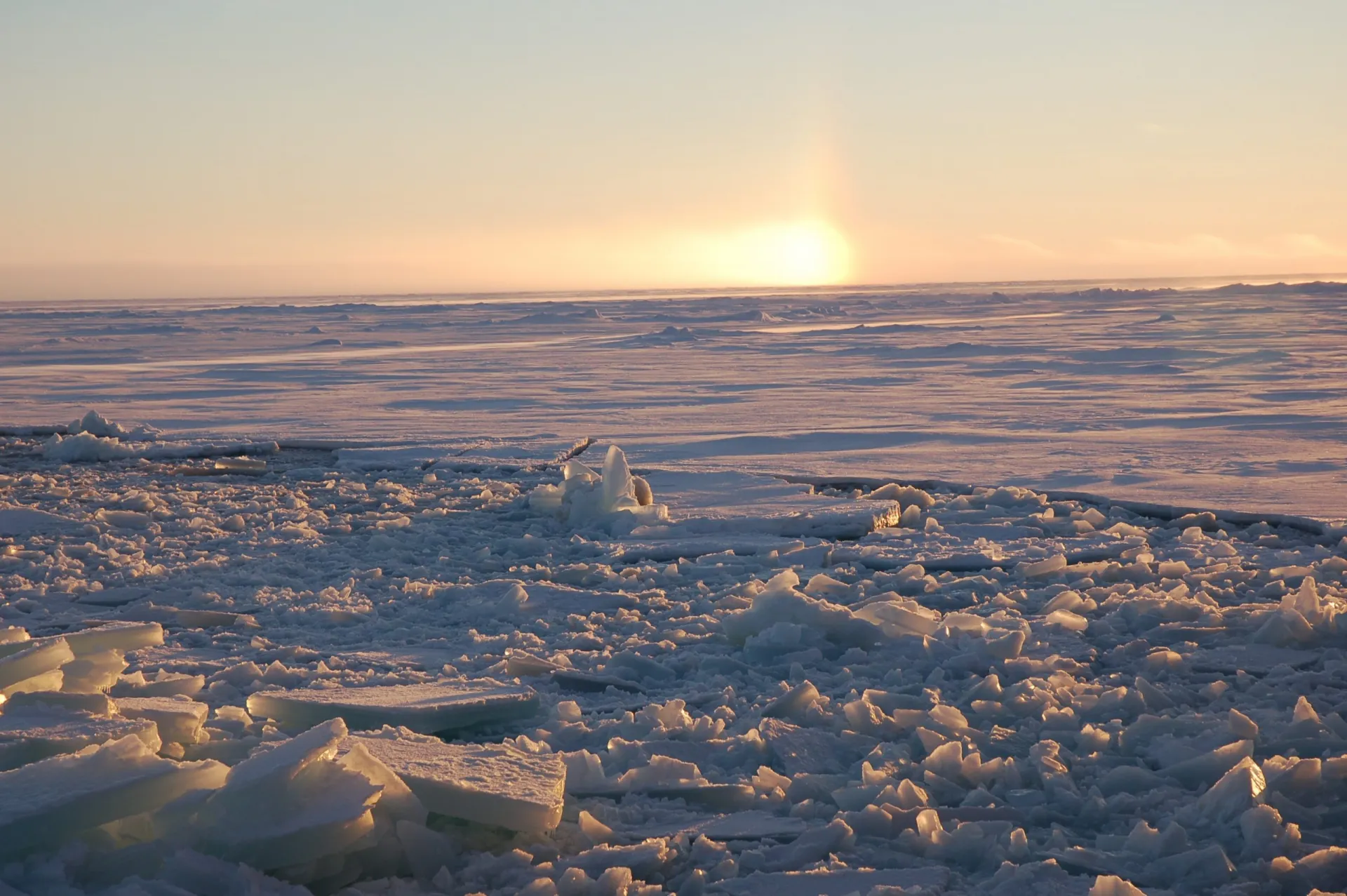
Researchers have zeroed in on what they call the Last Ice Area, where the last year-round Arctic ice, and associated ecosystems may–or may not–survive in a warmer future.
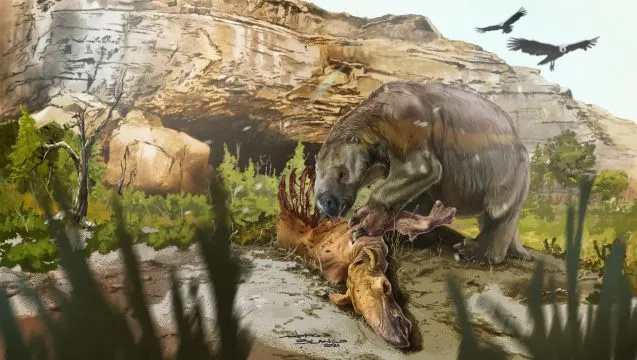
Up to now, it has been thought that the two-ton Darwin’s ground sloth, which lived up to 10,000 years ago, was strictly vegetarian. Apparently not.
Scientists can now determine what role climate change plays in making extreme weather events more frequent and intense.
Climate Week NYC may be over, but you can watch recordings of most of the amazing events hosted across Columbia University and the Climate School here.
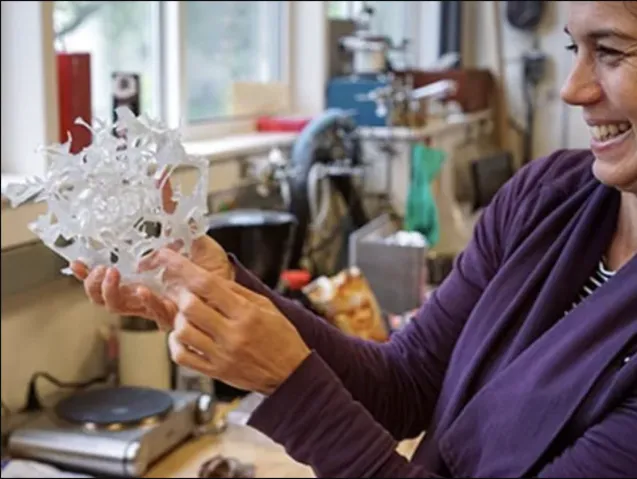
Our popular video series for students, educators, and parents returns with an exciting lineup from October to May.

A sharp rise in temperatures on land is linked to unusual heating of the Atlantic Ocean, and changes in wind patterns that send that warmth westward.
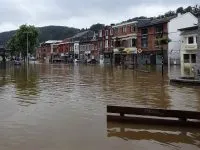
Rainfall extremes this year affected millions.
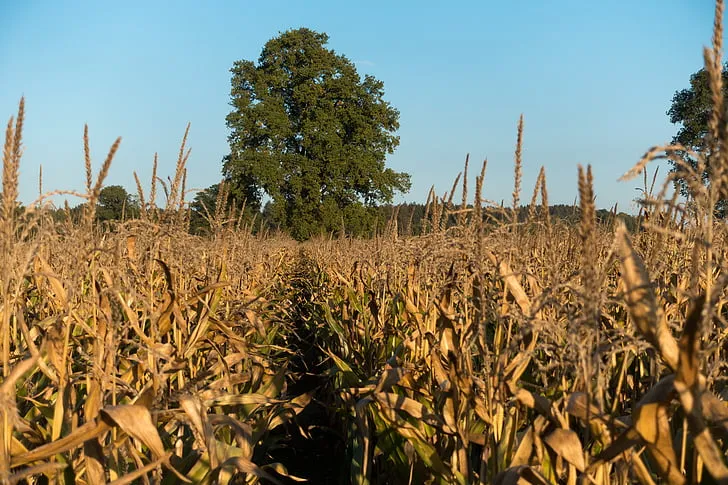
Staple crops may see magnified adverse effects when warming climate drives away soil moisture.