
Lamont in the Media
Earth & Climate Science News
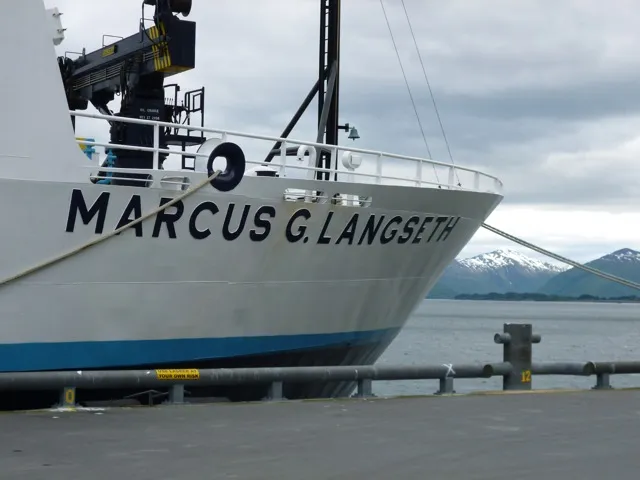
Yesterday evening, we left Kodiak aboard the R/V Marcus G. Langseth and began our 38-day-long research cruise offshore Alaska. As we left port, we were treated to clear skies, calm seas and spectacular views of Kodiak – dark grey mountains tipped with snow emerging from the lush green landscape. Although Kodiak offered beautiful sights and… read more
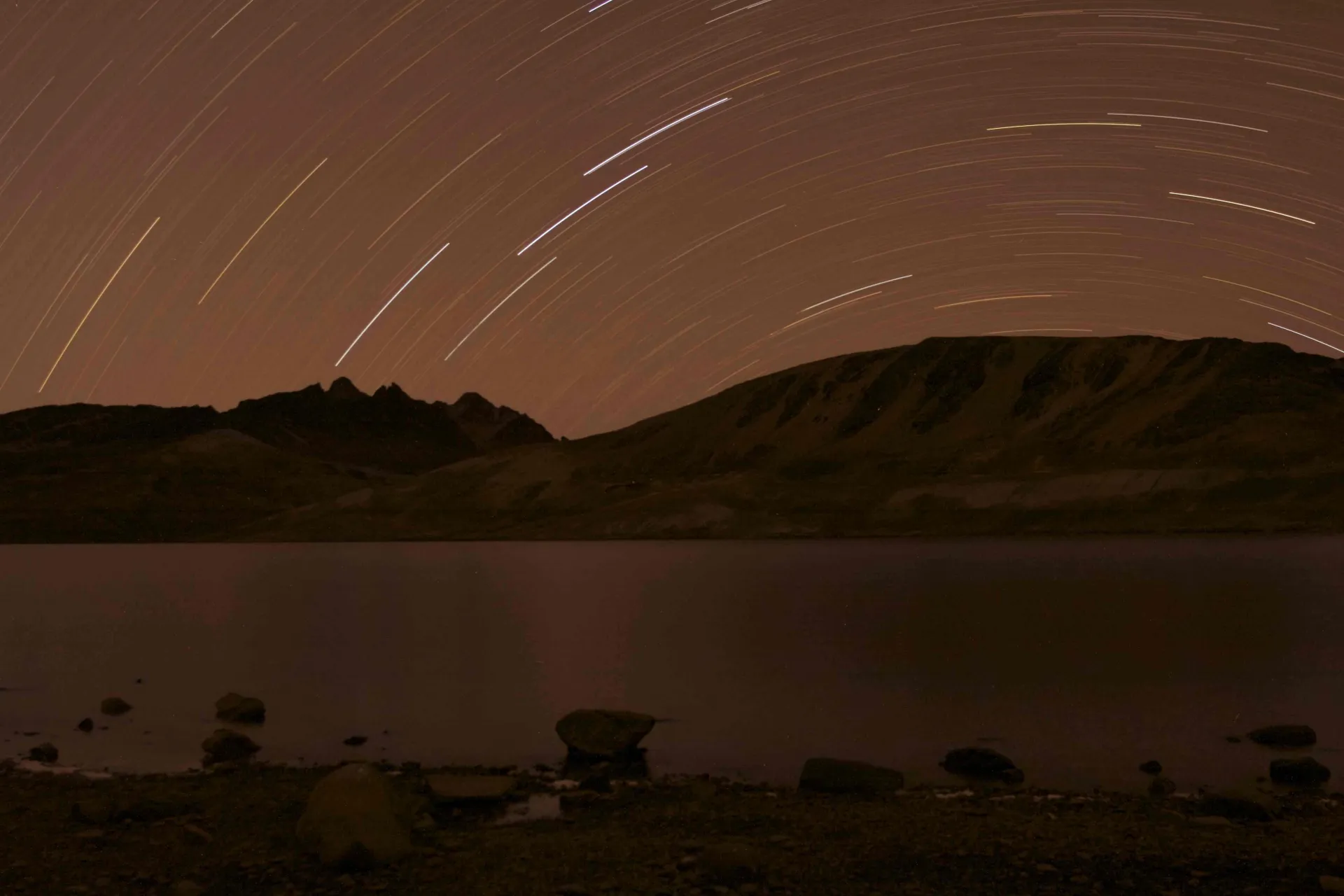
After a very cold morning in Crucero, the sun burned off the clouds to reveal the black peaks of the Cordillera Carabaya to the east. There´s not so much snow left on the hills these days, just a few glacier patches clinging to the south faces of the highest summits.
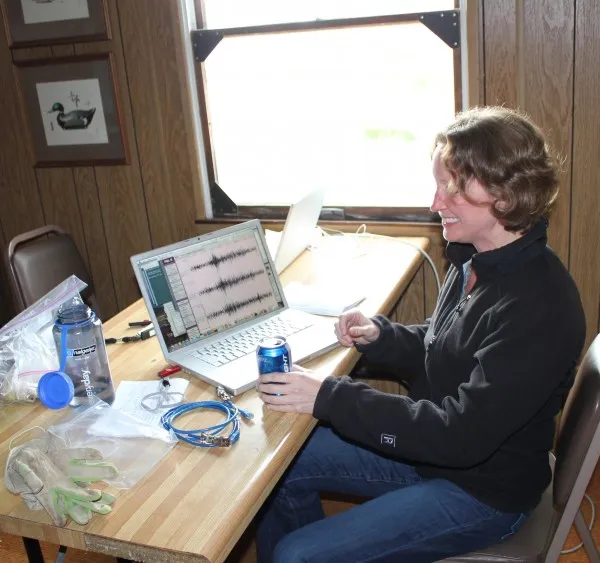
Seven days and eleven flights after we arrived in Alaska, we finished deploying our seismic stations onshore. Our final constellation of stations differs a little from our original plan (as always happens with field work), but achieves our main goal of instrumenting the part of the Alaska Peninsula that is nearest to our planned offshore… read more
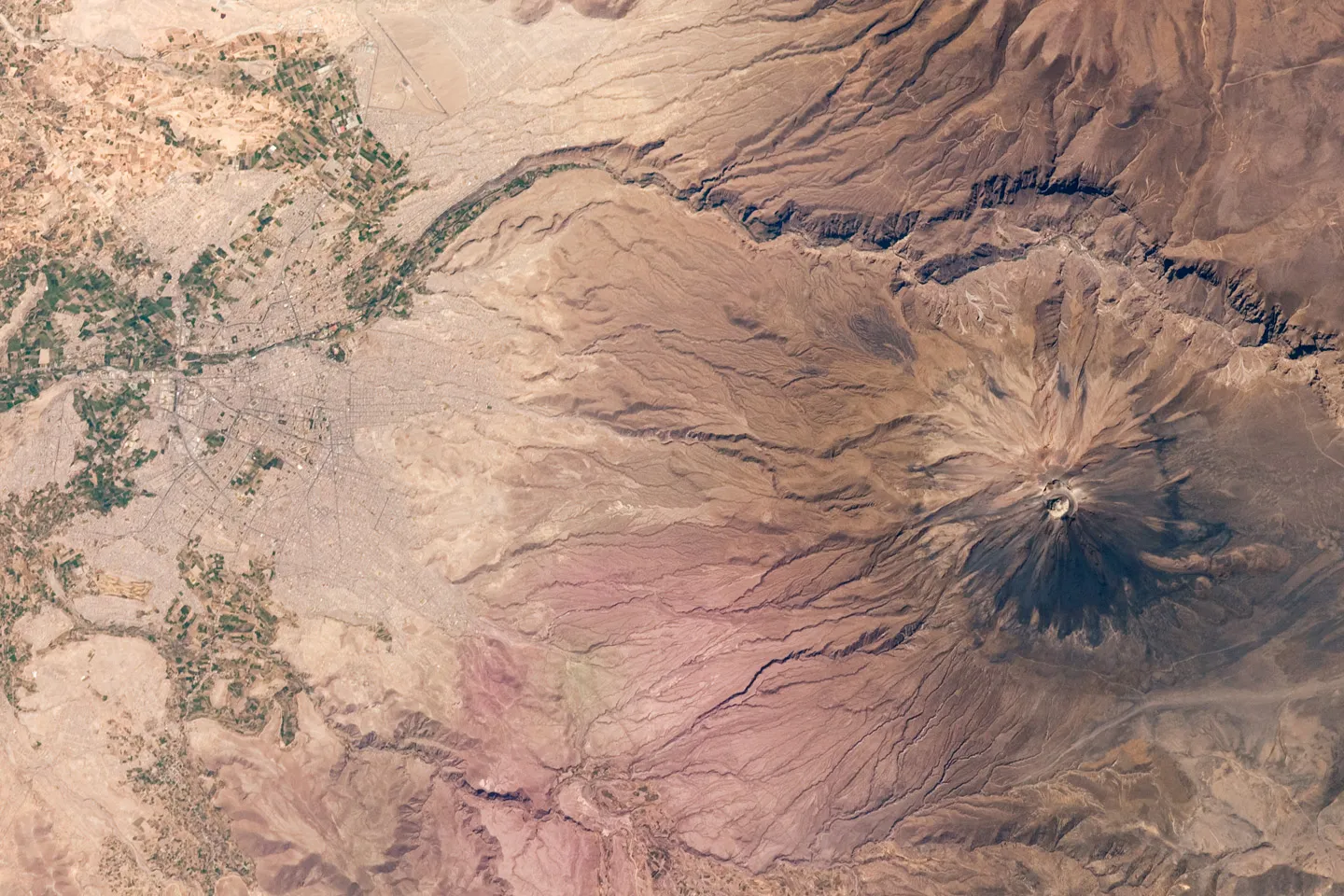
What a difference a day makes! We've said goodbye to the sprawling metropolis of Lima and now are happily settled in Arequipa - the White City. This name refers to the white sillar rock used in the construction of the old colonial city and which is in fact a pyroclastic deposit from the volcanoes towering above us. From our hotel room I can see the massive bell-shaped peak of El Misti (5800 m), the only active volcano of the group, and it's looking particularly snowy this year.
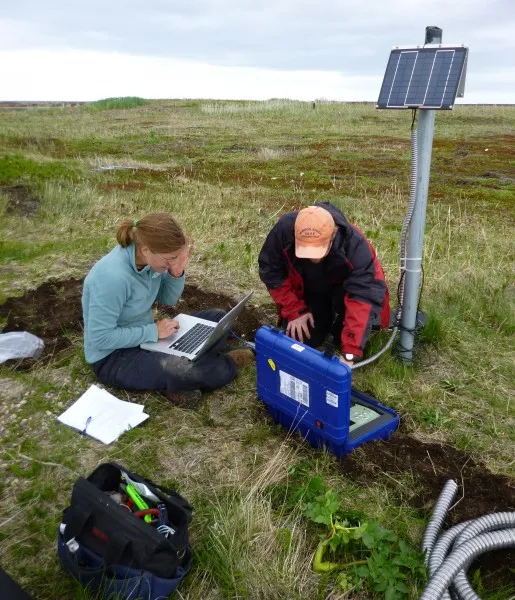
Every field location comes with logistical hurdles, and the Alaska Peninsula is no exception. Weather, wildlife and modes of transport pose the greatest challenges. We are hardly the first scientists to encounter these: Lamont-Doherty Earth Observatory has a long, rich history of collecting seismic data in this region (e.g., Shumagin Seismic Network, which ran for… read more
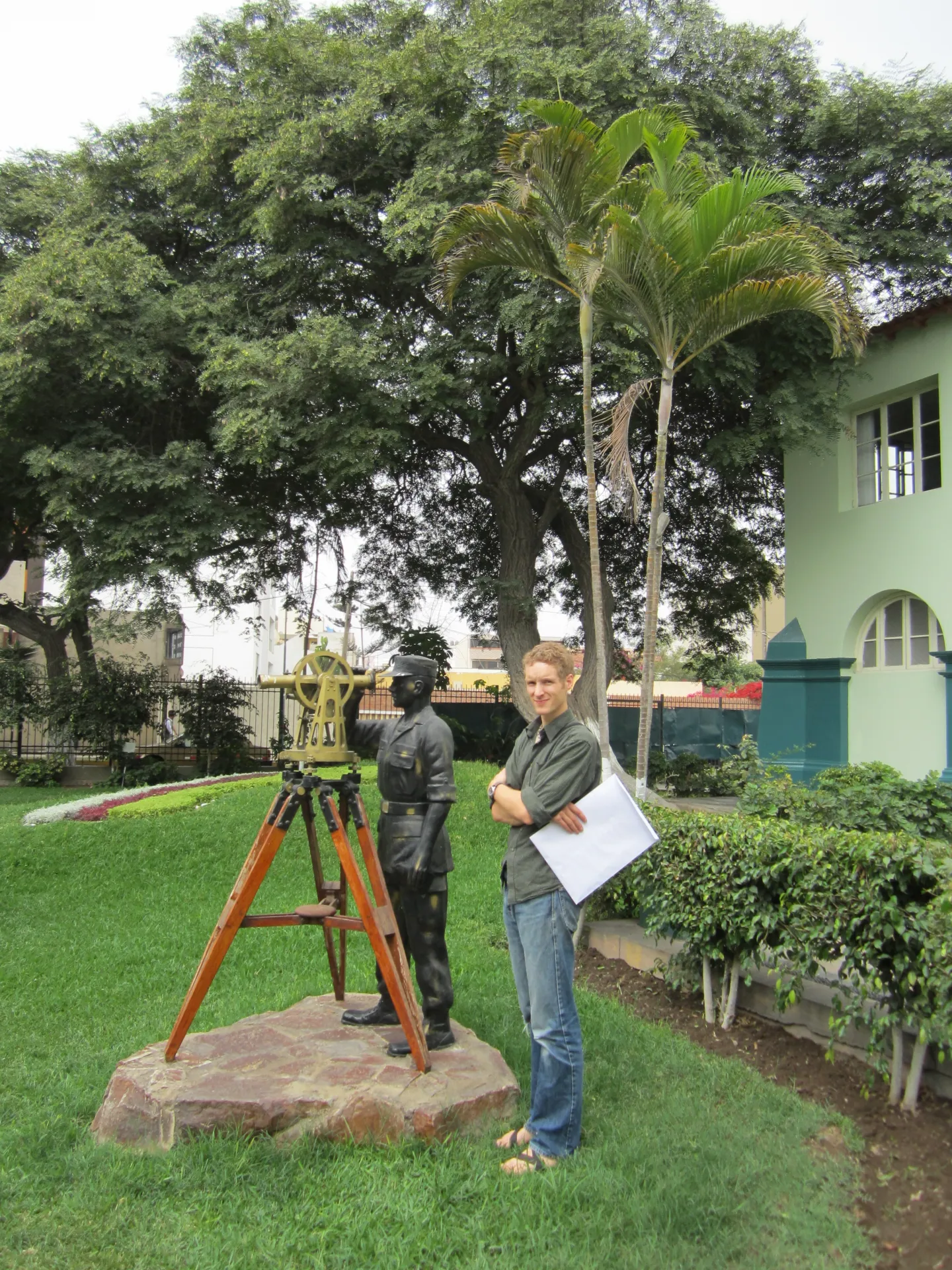
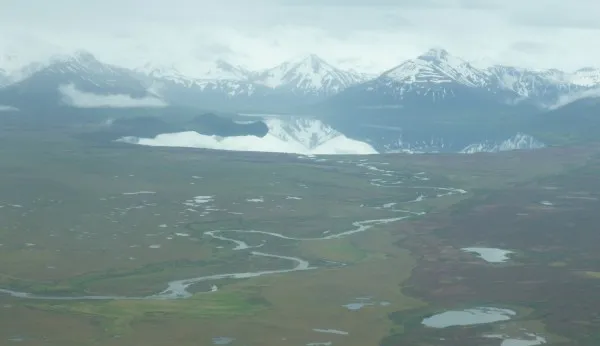
The first component of our program is to deploy seismometers onshore around the Alaska Peninsula. These instruments are very sensitive, so they can record small, local earthquakes, distant large earthquakes and (importantly for our project) the sound source of the R/V Langseth. However, there are no roads connecting towns on the Alaska peninsula, so one… read more
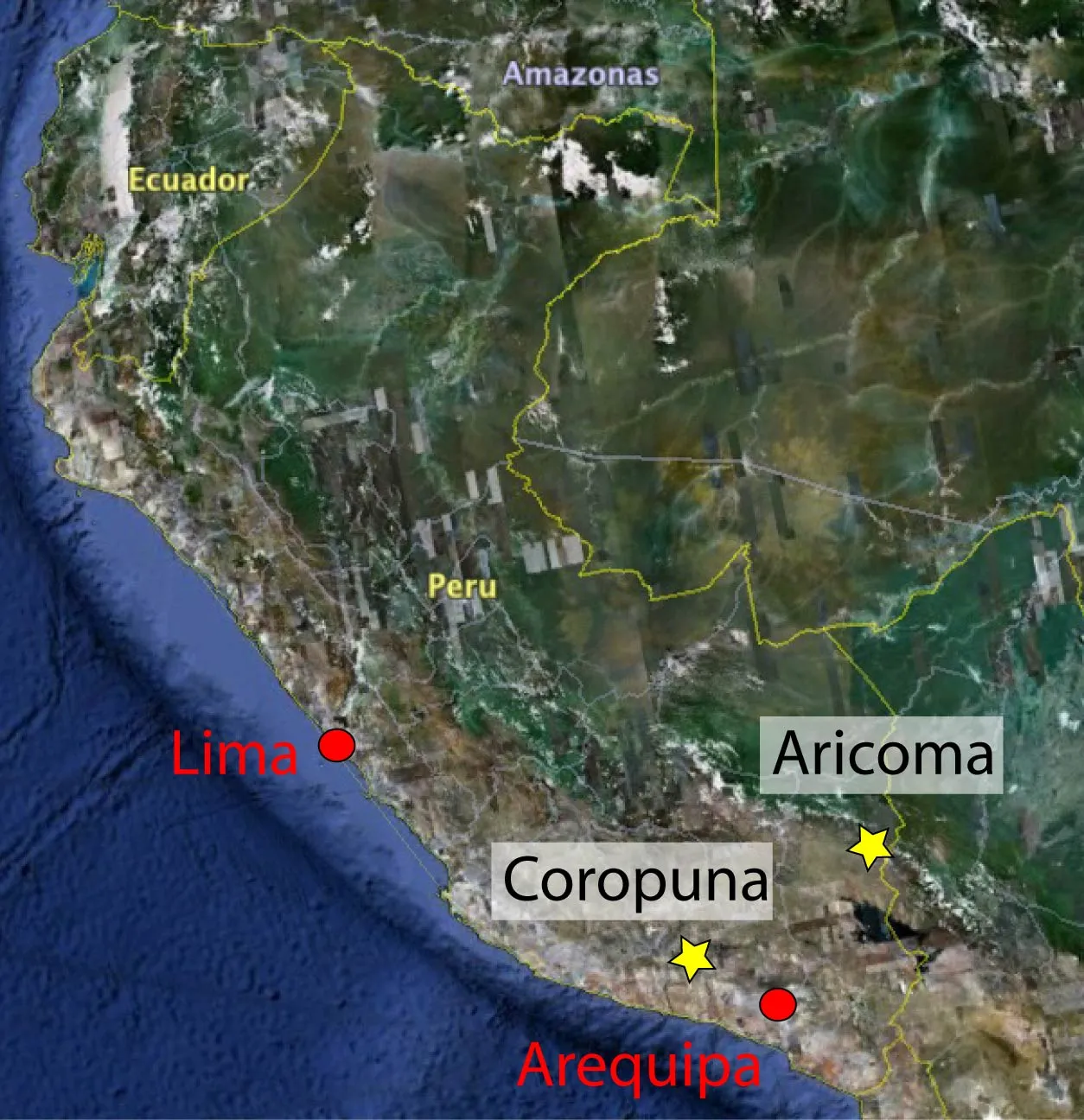
High above the tropical lowlands, the Andes form a formidable topographic barrier separating the coastal deserts in the west from the Amazon rainforest to the east. The Peruvian Andes are the highest peaks in all the tropics and, despite their proximity to the equator, are mantled with snow and ice. However, the glaciers clinging to… read more
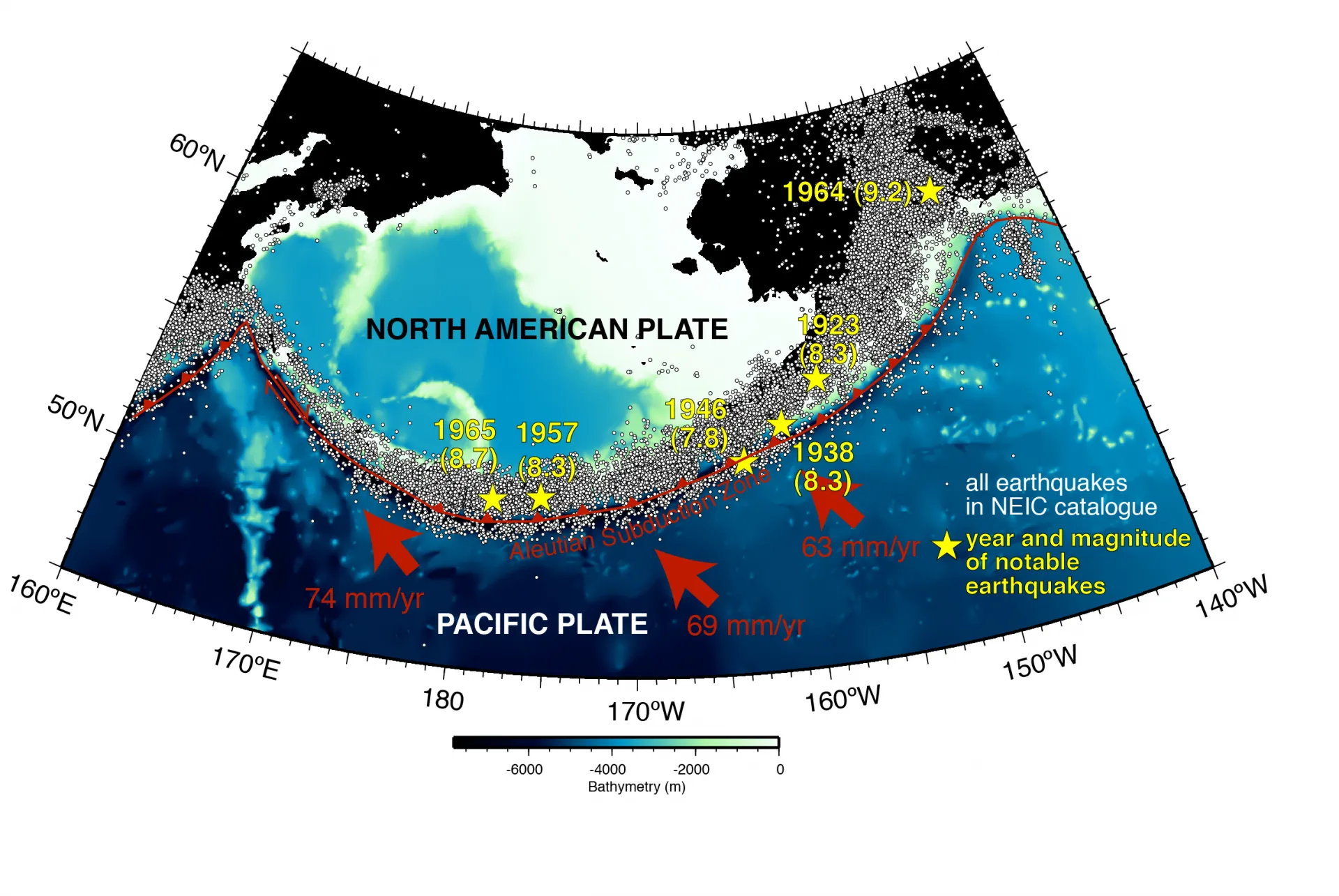
Two tectonic plates converge along a 2,500-kilometer-long subduction zone offshore southern Alaska. Stress builds up at the contact between these plates, which is released in large, destructive earthquakes like the recent event offshore Japan. One of the big conundrums about these settings is how large of an area locks up on the contact between these… read more
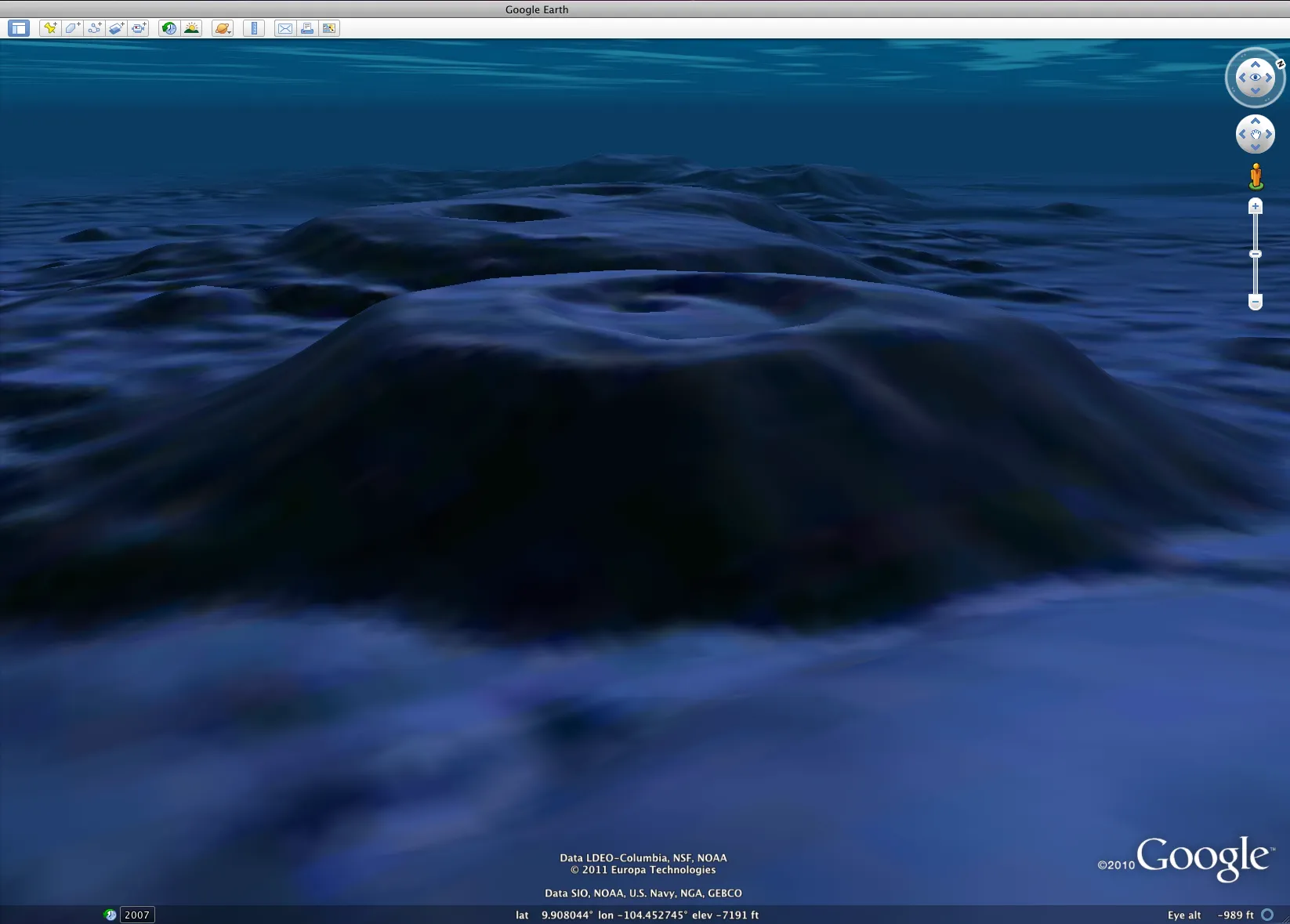
Two years before Google Earth was launched, Bill Ryan and Suzanne Carbotte, oceanographers at the Lamont-Doherty Earth Observatory, began a project to transform the way we look at the ocean. They started collecting reams of data that had been gathered by scientists sailing on research vessels all over the world since the 1980s, one ship transect at a time.
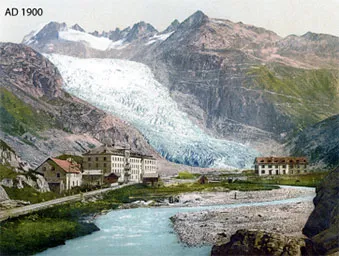
By chiseling hunks of stone from recently exposed bedrock near the edge of the Rhone Glacier, scientists were able to decipher the comings and goings of the ice over the past 11,000 years. That should help predict what will happen to glaciers in the warming world to come.
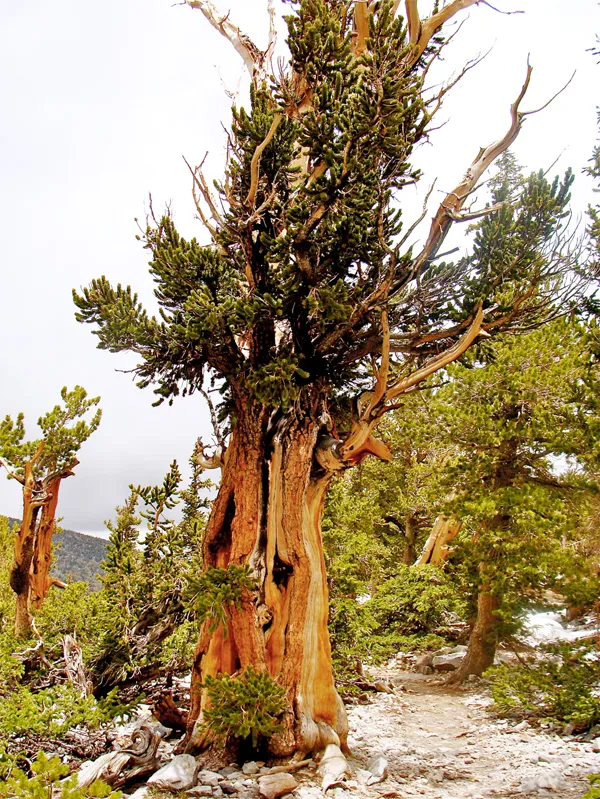
Scientists have used tree-ring data from the American Southwest to reconstruct a 1,100-year history of the El Niño cycle that shows that, when the earth warms, the climate acts up. The research may improve scientists’ ability to predict future climate and the effects of global warming.