
Lamont in the Media

Earth & Climate Science News
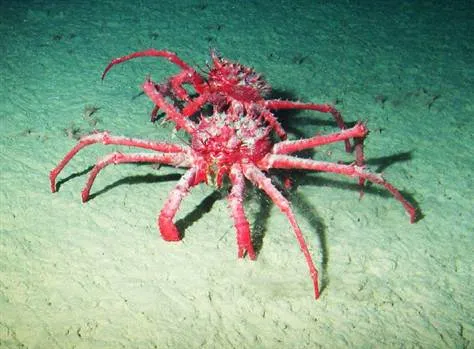
The frigid seabottom off Antarctica holds a surprising riot of life: colorful carpets of sponges, starfish, sea cucumbers and many other soft, bottom-dwelling animals, shown on images from robotic submarines. Now, it appears that many such communities could fast disappear, due to warming climate. Scientists sailing on an icebreaker last year have just published a study showing that gigantic… read more
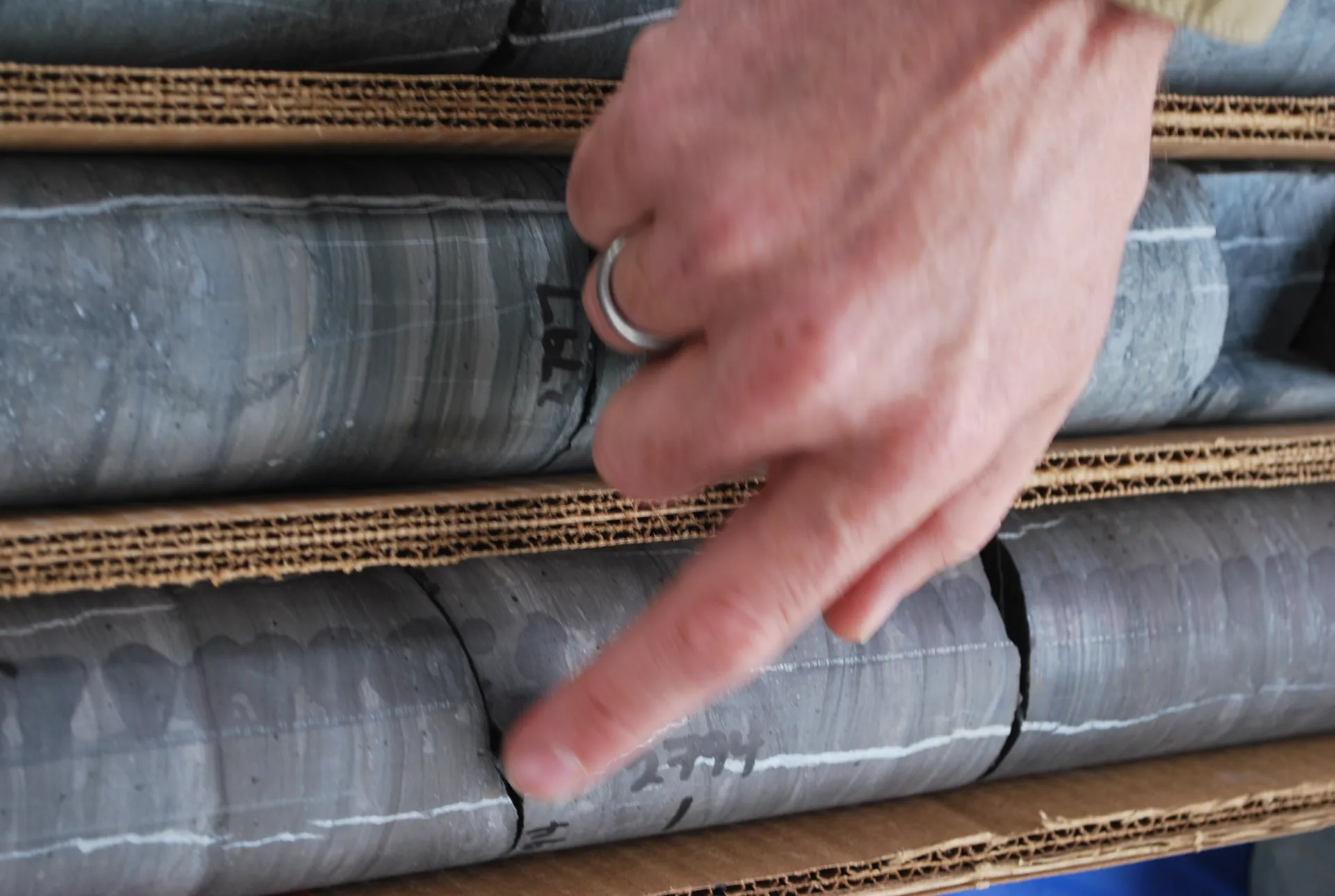
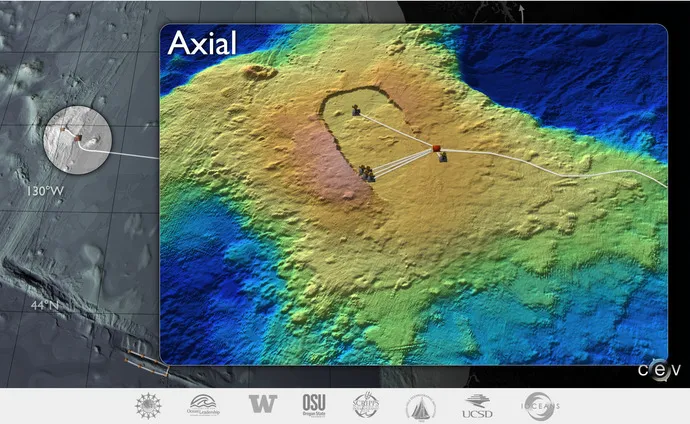
Lamont-Doherty scientist Timothy Crone is at sea off the Northwest U.S. coast, dropping sensors into the deep ocean as part of a major initiative to better understand oceans, climate and plate tectonics. Watch a live video feed from the latest dive at 3 p.m. EST.
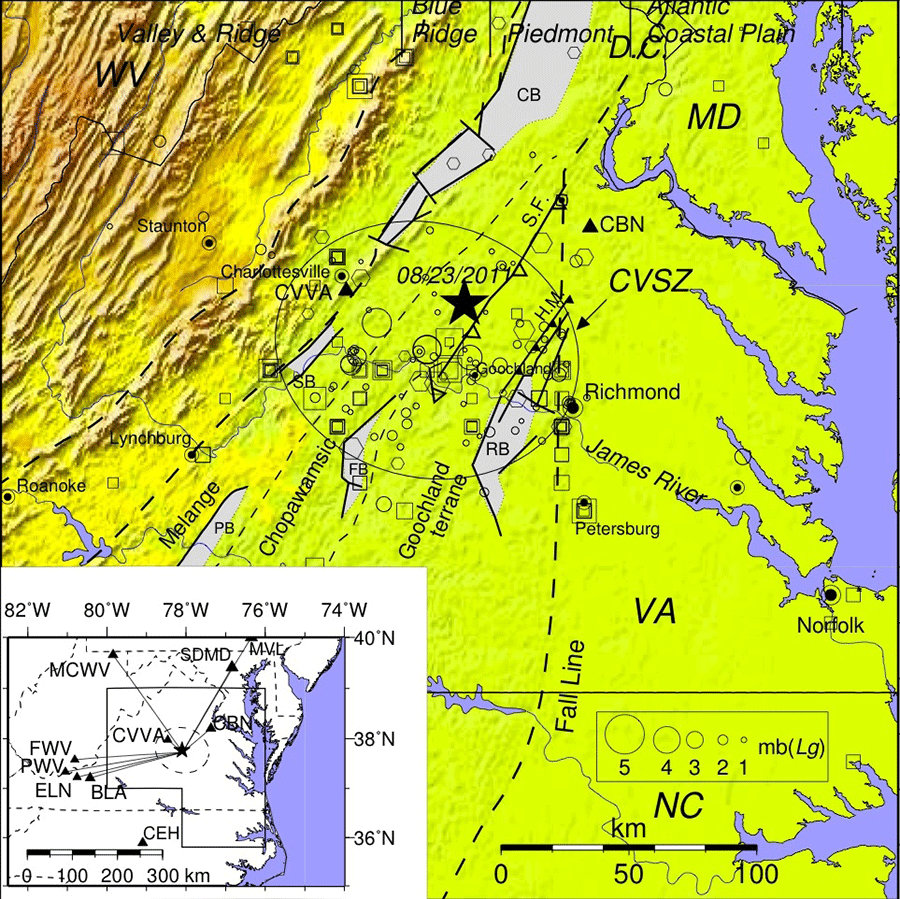
The magnitude 5.8 earthquake that shook central Virginia on Tuesday afternoon is one of the biggest earthquakes to hit the East Coast since 1897, and was comparable in strength to a quake on the New York-Canadian border in 1944, according to the U.S. Geological Survey. It was centered near Mineral, Va., about 38 miles northwest… read more
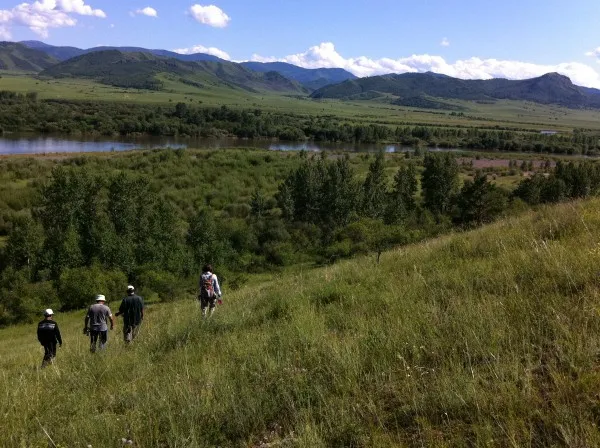
“How do you know when you are in wilderness? When you have walked beyond where most people walk, when you have left the road … when the easiest route to walk is not a path tread by people but rather the path tread by wolves, moose and deer.”
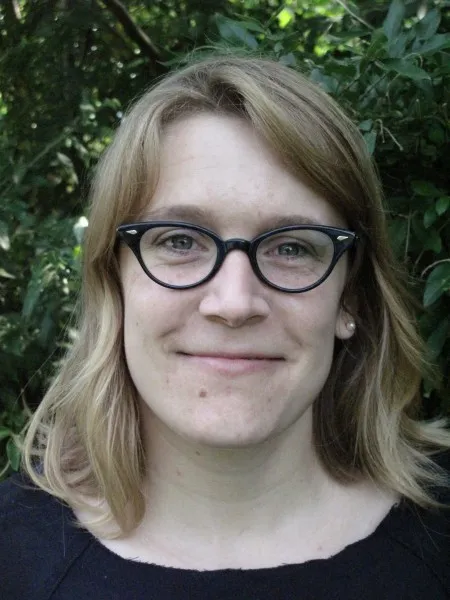
Two scientists at Lamont-Doherty Earth Observatory have been recognized for early-career achievement in the atmospheric sciences by the American Geophysical Union (AGU), the world’s largest earth-sciences organization. Tiffany Shaw, 31, is a physicist who uses computer models and mathematical equations to study the basic dynamics of the atmosphere and climate, for instance, how the jet… read more
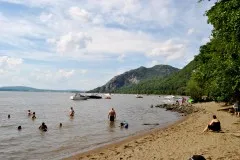
People are swimming in the Hudson again, and while clumps of sewage rarely float by anymore, the water is not reliably clean, says a report released this week from the environmental group Riverkeeper. Four years of testing by Riverkeeper and Columbia’s Lamont-Doherty Earth Observatory, show recurring hot spots, especially after rain, when overwhelmed sewers divert… read more
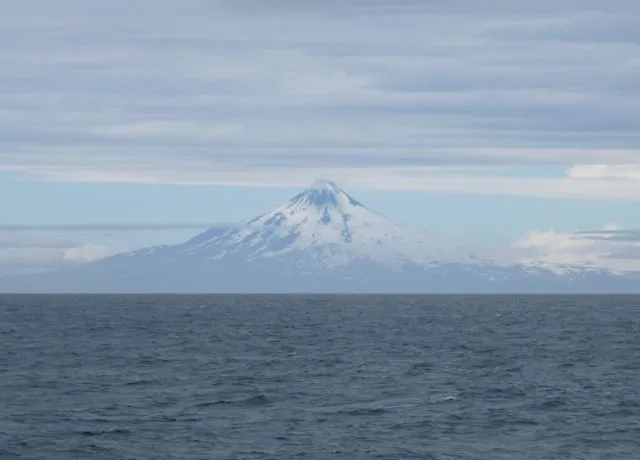
At 6:30 am on August 5, the R/V Langseth pulled into port in Dutch Harbor, marking the end of our very successful research cruise. Our steam into port from our study area involved a trip through Unimak pass and beautiful views of Aleutian volcanoes, including majestic Shishaldin. Many things are required to make a research… read more
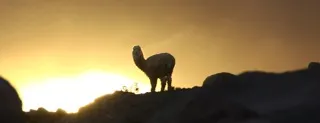
After more than six weeks trawling the Peruvian Andes in search of palaeoclimate clues, our field team is visiting the last site, a potential calibration sites near Coropuna. The objective of that ongoing work is to refine the cosmogenic surface-exposure method for the tropics, thereby improving the precision of new and existing datasets.
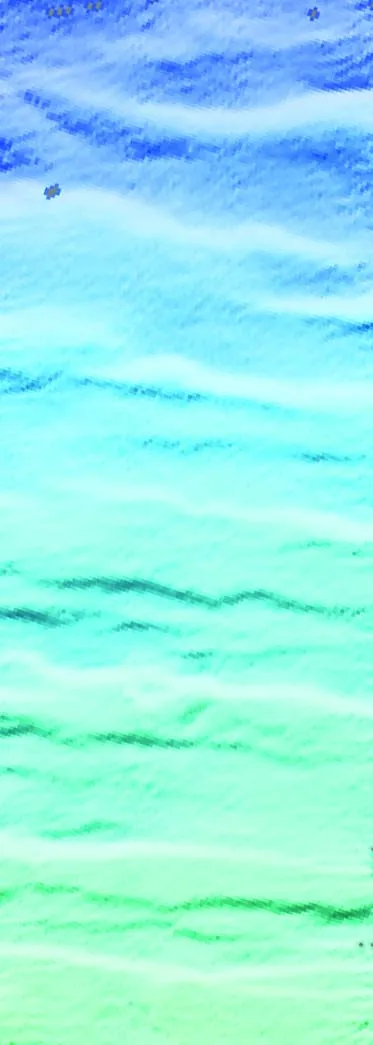
Although we still have ~3 days of data collection aboard the R/V Langseth to go before we pull in our equipment and head for port, we are already drowning in beautiful seismic data. Following each pulse from the air gun array, the two 8-km-long streamers listen for returning sound waves for 22 seconds. This is… read more
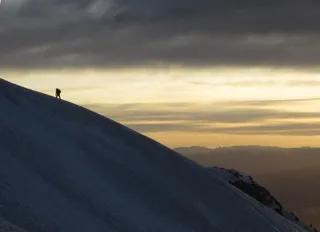
Our field team has set camp at 5045 m on the dusty slopes of Ampato, an extinct, ice-clad volcano in the Western Cordillera. This is the very mountain from which Juanita, the famous Incan ‘ice maiden’, was plucked back in 1995. The tents are clustered in the lee of a large glacial erratic and, now the clouds have cleared, the view is second to none, taking in the dry plains far below and myriad volcanic peaks in every direction.
For the last nine days, we have been underway acquiring seismic reflection data to study a plate tectonic boundary offshore Alaska with the R/V Marcus G. Langseth. Now that the initial excitement of deploying all of our seismic gear and watching the first sound waves arrive on our two 8-km-long streamers has faded, we have… read more