
Lamont in the Media
Earth & Climate Science News
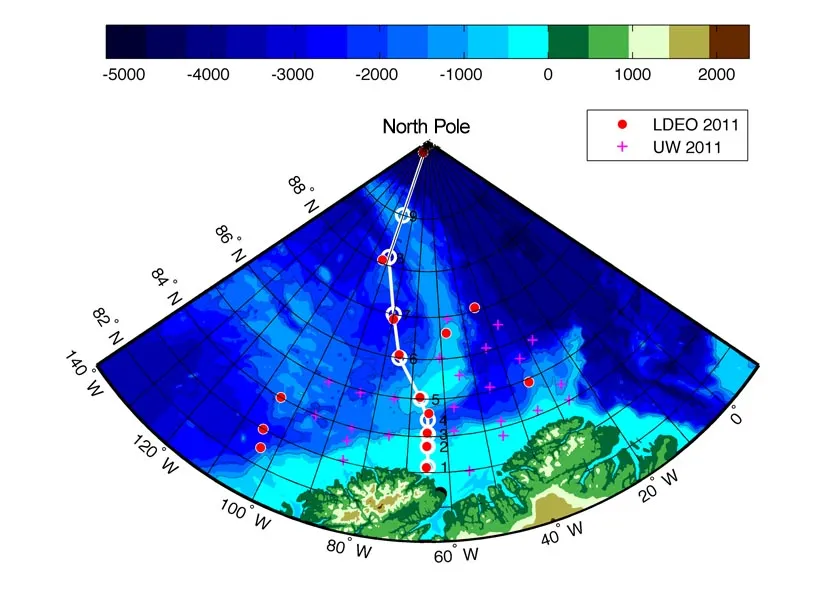
The 2011 field season has been a very very successful year, in fact the most successful one we have ever had. The weather has been great, the equipment proved to be mostly reliable, the people have been great and the samples are plenty.

Students from New York City, Singapore and the Netherlands test their skills this weekend in the woods and on the water near Lamont-Doherty Earth Observatory in the International Student and Teacher Exchange Program.
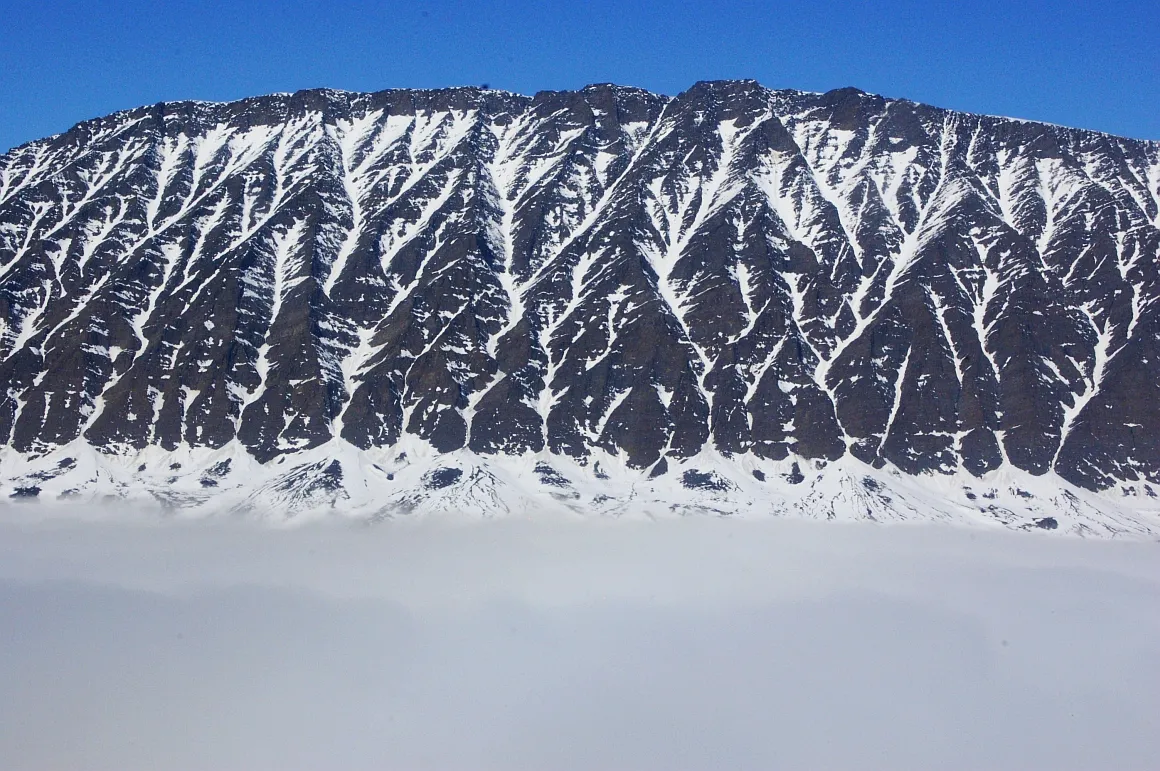
Blog by Hakim Abdi, LDEO Satellite measures showing thinning ice on the Northwest Greenland glaciers prompted Operation IceBridge to include annual flights over this region. The area runs along the Baffin Bay coast, which is often covered in fog and low lying clouds forcing delays and reschedules. With the end of our season in sight… read more
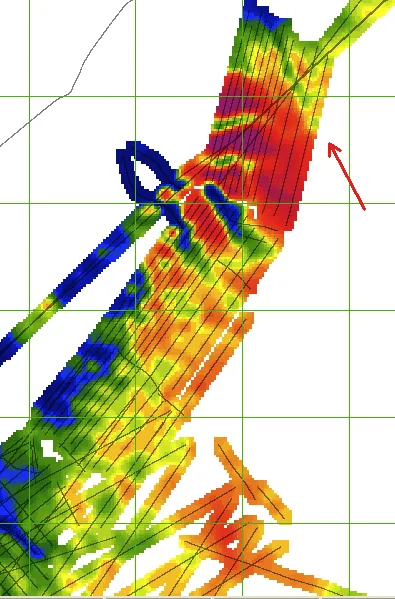
From: Joël Dubé, Engineer/Geophysicist at Sander Geophysics, OIB P-3 Gravity Team One of the instruments used in Operation IceBridge (OIB) is an airborne gravimeter operated through a collaboration between Lamont Doherty Earth Observatory of Columbia University and Sander Geophysics of Ottawa, Canada. People from other instrument teams have been heard to call it a gravity… read more
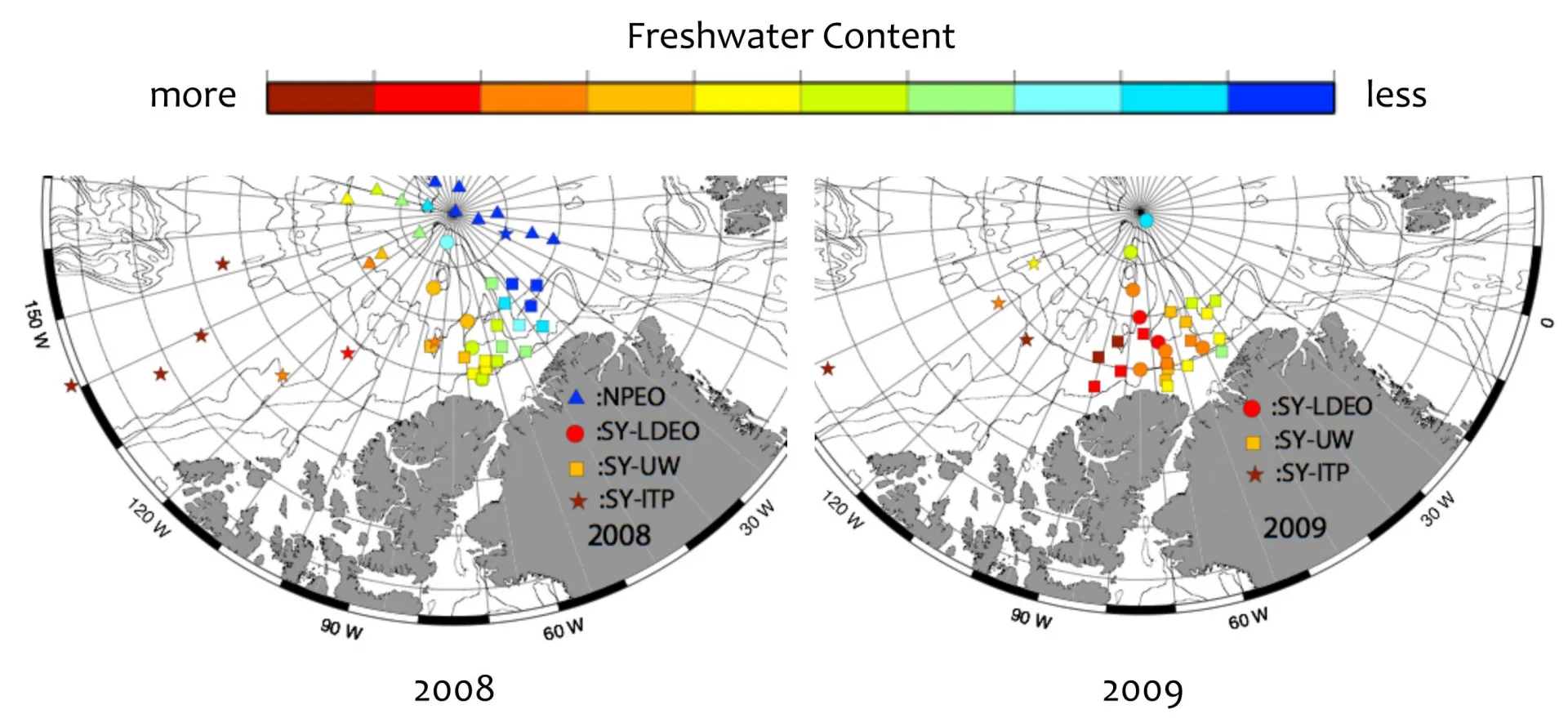
The freshwater content of the Arctic Ocean is increasing as the Earth’s climate warms. Chemical analysis indicates that the source is both melting ice and the Pacific Ocean.
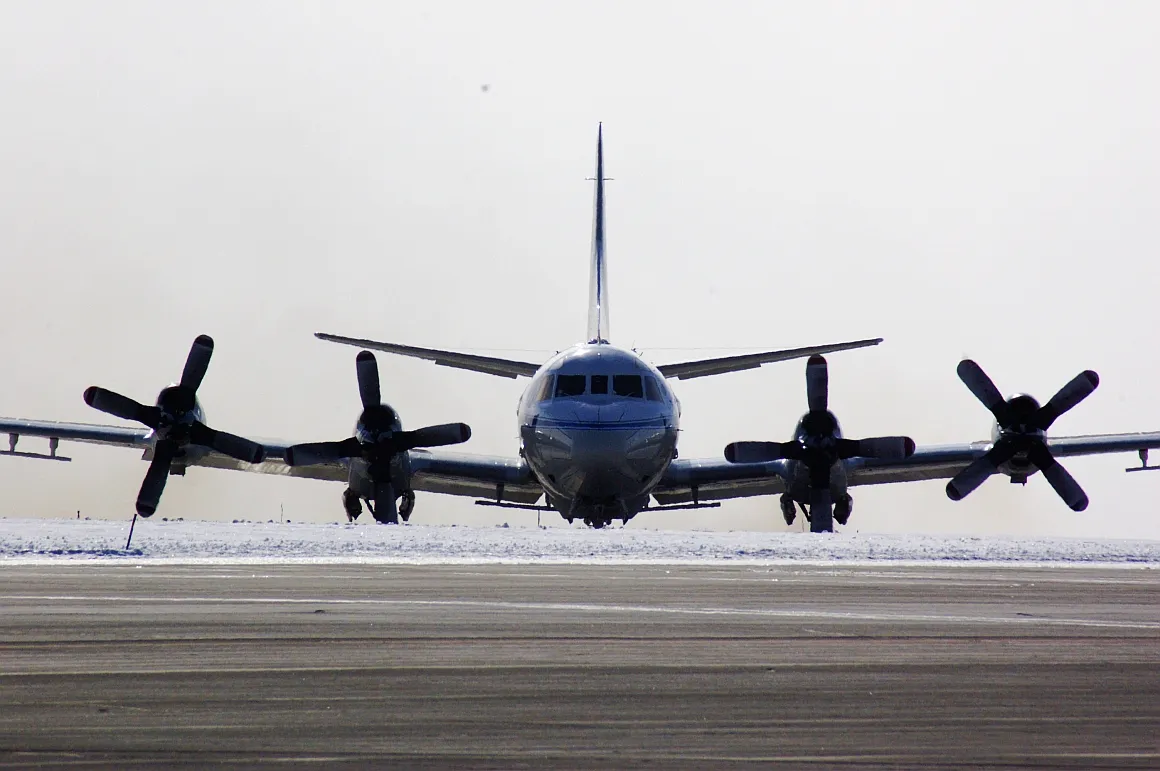
By Hakim Abdi, LDEO. My first flight on the P3 and the scenery was nothing short of breathtaking. The science mission involved flights in the north over the Steensby glacier that passes through Sherard Osbron Fjord, and Ryder glacier constrained by the Victoria Fjord. In northeast Greenland we overflew the Hagen glacier and the Flade… read more
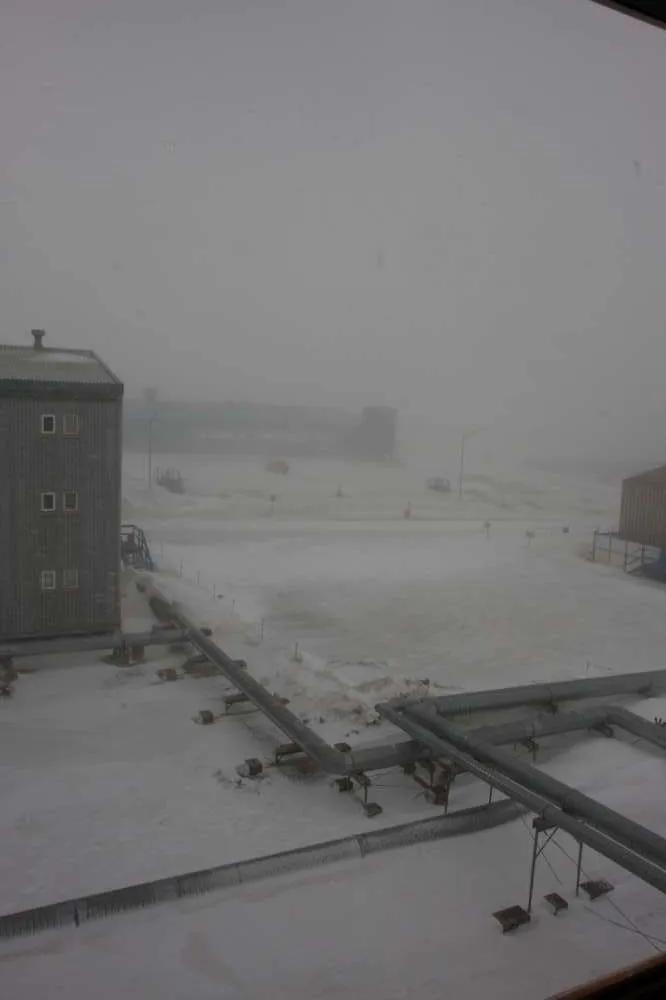
Working in the poles we are constantly reminded of our dependence on meteorology, and this project has dealt us a variety of different weather considerations. The most obvious is the weather we experience at the base. Storm season in Thule lasts from the 15th of September to the 14th of May; in other words encompassing… read more
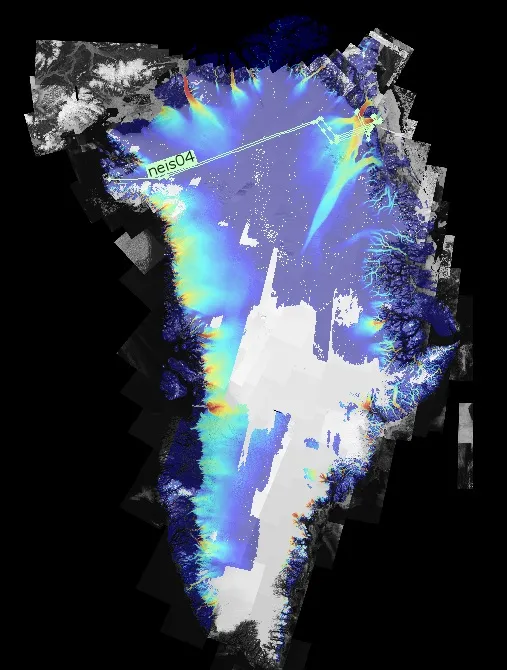
The North East Ice Stream is a fast-flowing glacier transporting ice from deep in the interior of the Greenland Ice Sheet out to the coast (see image showing a deep penetration into central Greenland). When it reaches the coastline it feeds 79 N Glacier. This area is heavily crevassed, evidence of the rapid ice flow…. read more
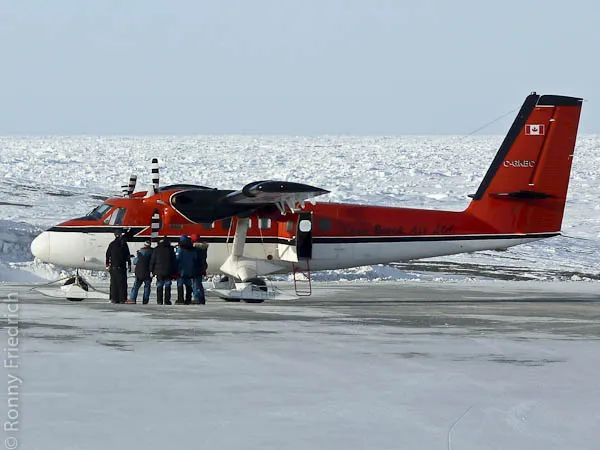
Four people who tried to ski from the North Pole to Greenland got stuck on the ice and ran out of food. Since our team was out on the ice for sampling close to their location, we stopped sampling and picked them up.
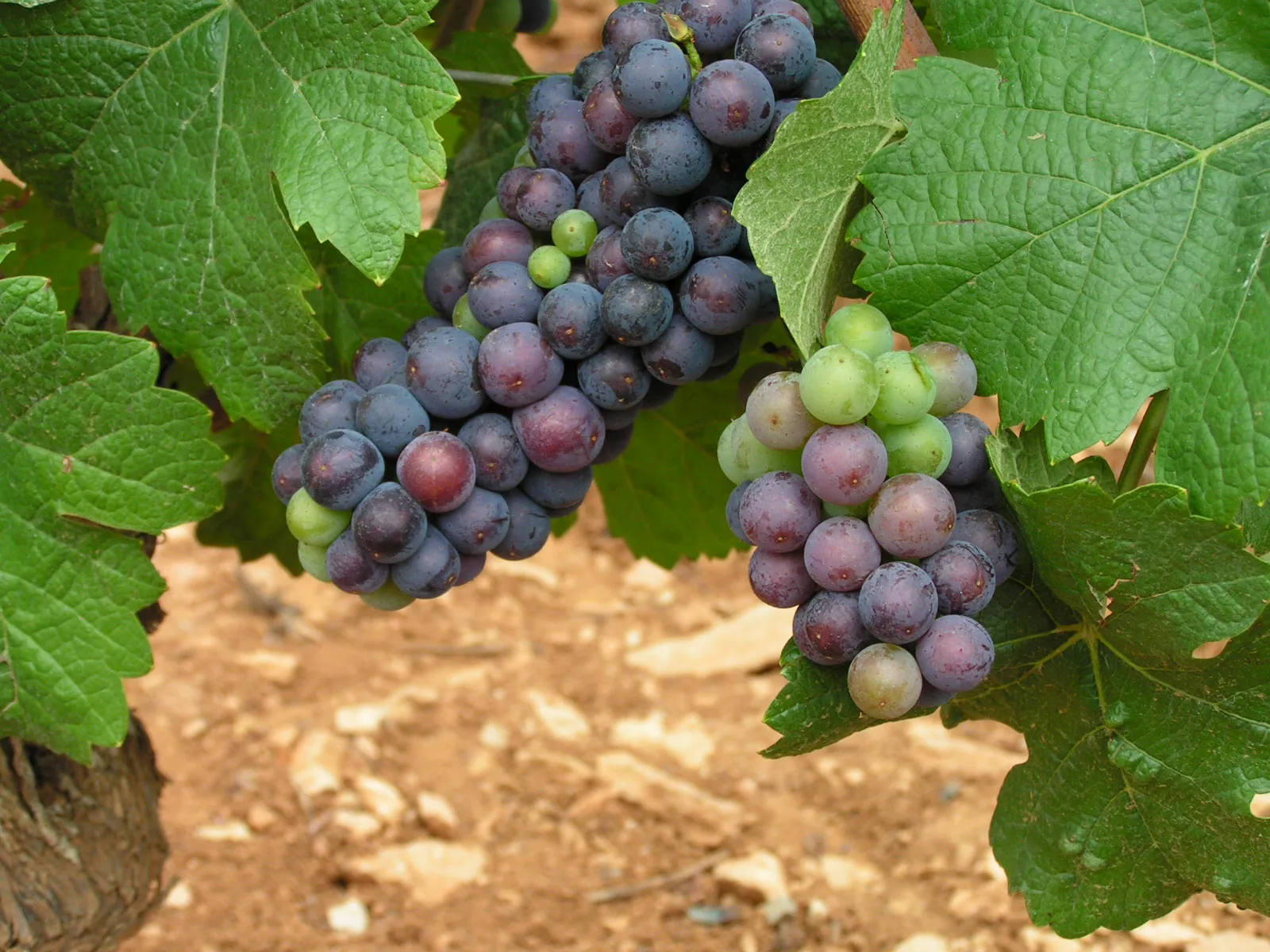
New studies of temperature records, grape harvests, and climate fluctuations over the Atlantic Ocean are yielding insights into how climate change might impact the production on Pinot Noir.
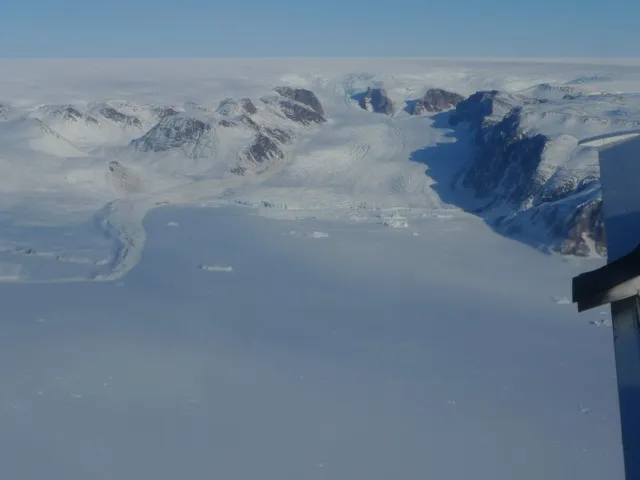
We are beginning our focus on the land based ice of northern Greenland. Flying out of Thule places us close to Petermann Glacier situated in Greenland’s northwest corner. The focus of our first flight of this phase of the project (the overall 29th flight of the season!) is Petermann Glacier. Perhaps Greenland’s most newsworthy glacier… read more