

Lamont in the Media

Earth & Climate Science News
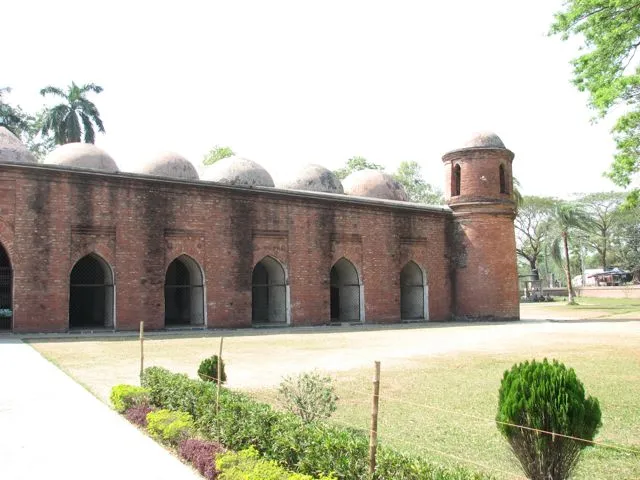
On Saturday, we finished up work at the site. Even at the last minute, it threw some challenges at us. We began the day with out reduced group eating breakfast down the street. We could no longer take the mediocre food at the hotel. Dhiman and Babu had been eating there for days. Besides paratha,… read more
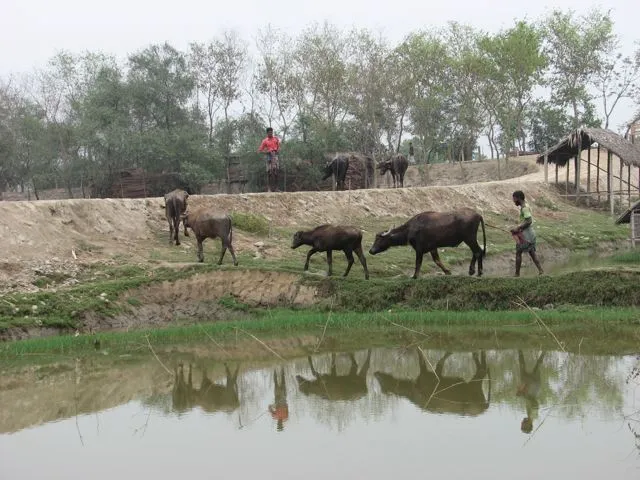
The last two days have been a little different as I spent much of them in Khulna rather than at the site. Since the Islam family does not have electricity, Hafizul would have to carry the expensive EDM (Electronic Distance Meter) and laptop back and forth to Khulna University to charge. However, we have an… read more
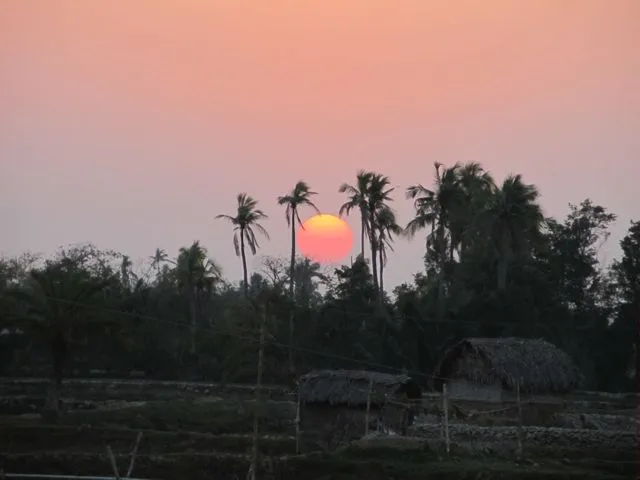
We are driving back to Khulna at 10:30 after our third excellent day in a row. However, there were still a lot of hiccups along the way. Yesterday, we were set to install the deep well, but when we arrived they were just starting to pull the pipe from the deep well. We had hoped… read more
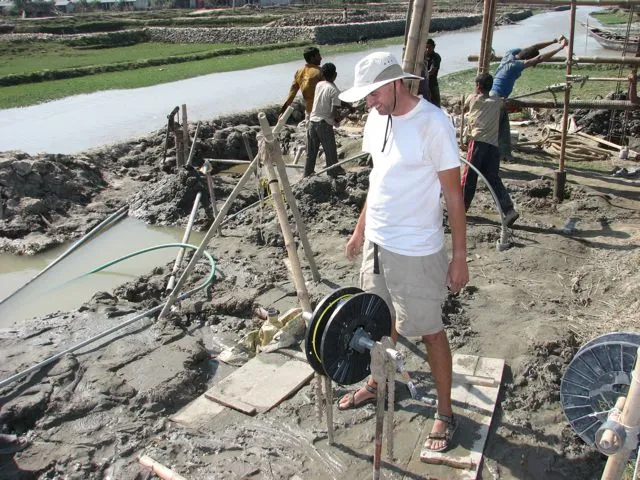
Days here seem to be coming in pairs. In the morning, we redid the 40m well, remeasuring, doing a dry run with no cement, mixing and putting in cement, lowering the fiber and everything went as planned. Then came the 60m well. It already had a history. It caved in twice when they pulled the… read more
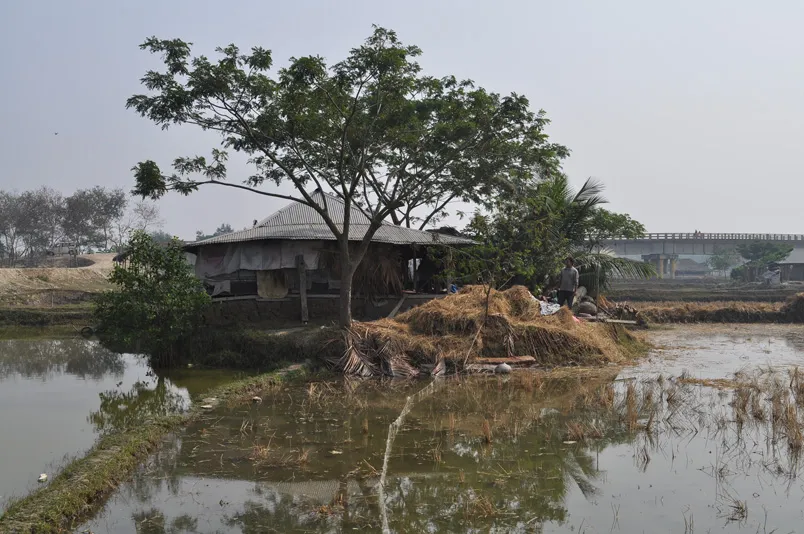
Today we started working on the new site. Bhandarkote is a small village outside of Khulna, the third largest city in Bangladesh. The site is on a dirt road at the family home of a student from Khulna University. It a pretty remote rural place about 25 minutes off the main road through small country… read more
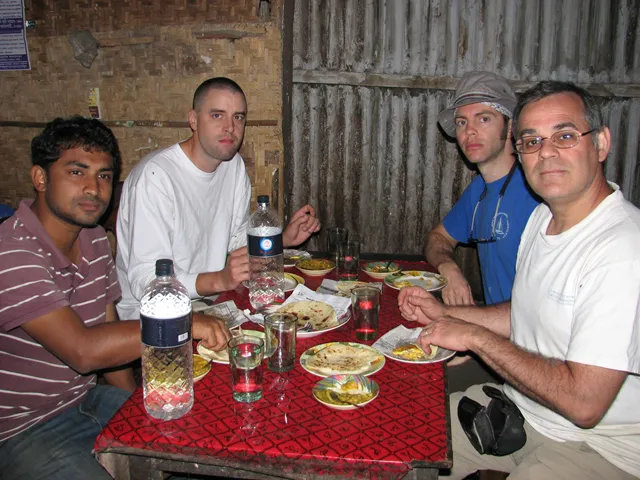
It looks like we lost the deep well. The morning started off as planned. We would finish the calibration of the strainmeters, installing the GPS and training Shaheen for the weekly measurements. Should be out by noon for the 8-hour drive to Dhaka followed b the 5 hour ride to Khulna the next day. Then… read more
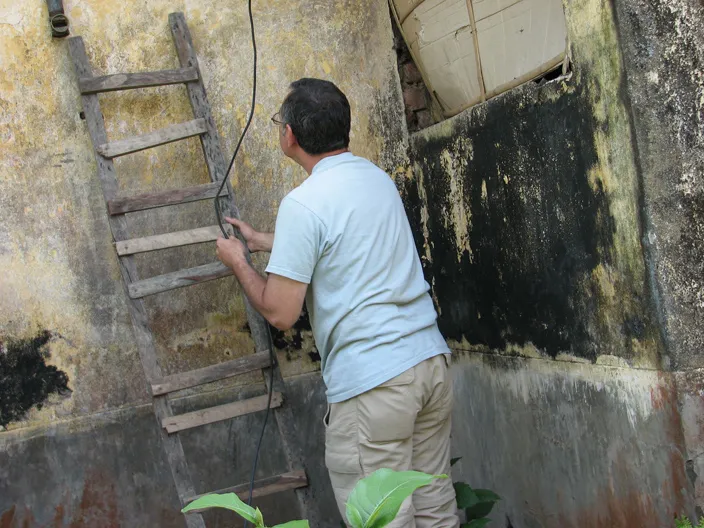
Our time in Jamalganj is coming to a close. We will miss the people here, all of whom have been incredibly helpful. Moktar and Anowar, who constructed the concrete pillars; Aziz the caretaker, locally known as the chief of Jamalganj for his ability to get things done; his son, Shaheen, who will be making the… read more
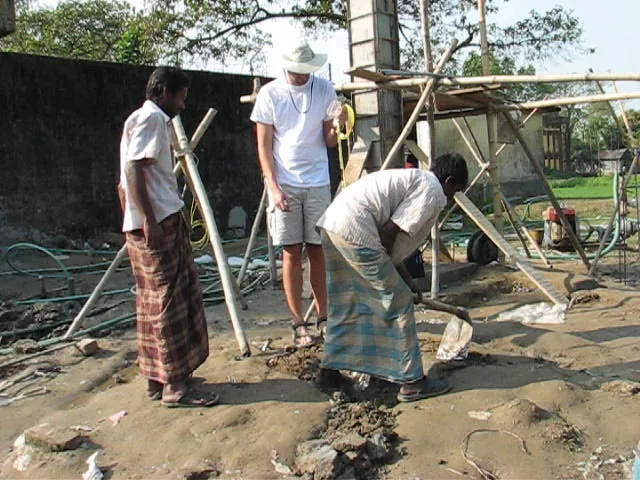
Today went a lot better than yesterday. Just as well that I forgot my camera so that there are fewer pictures to document it. We said goodbye to Nano, Humayun and Ellie as they went back to Dhaka. Their extra hands helped a lot. And Ellie was a big attraction for all the kids. Adults,… read more
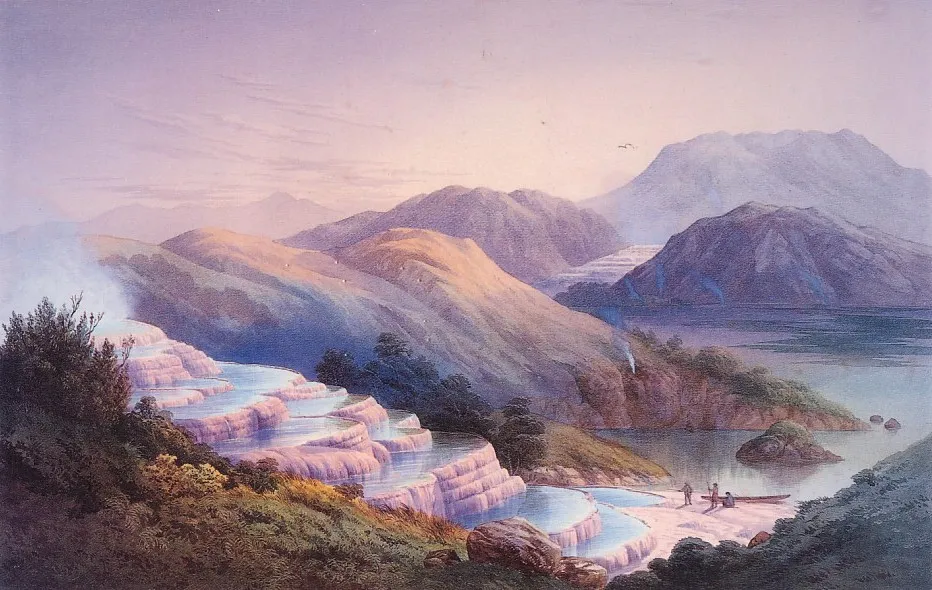
Scientists using underwater sensors to explore Lake Rotomahana in New Zealand have uncovered remnants of the “Pink Terraces,” once considered the eighth natural wonder of the world. Lamont-Doherty scientist Vicki Ferrini was working with colleagues from the Woods Hole Oceanographic Institution and GNS Science of New Zealand at the site, near Rotorua, to map the… read more
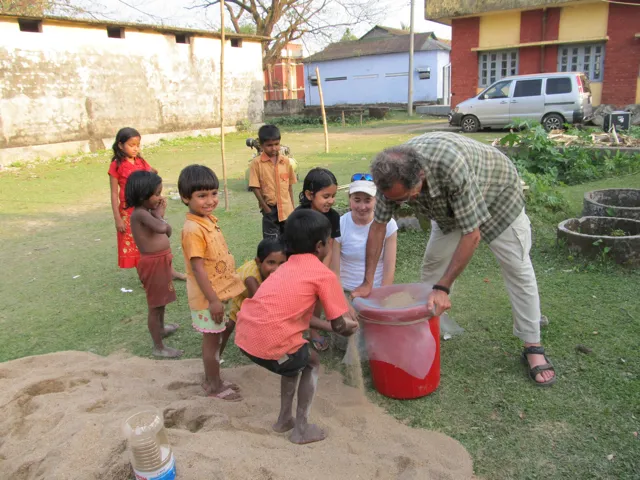
The days have been so long and jam-packed days that none of us can believe it’s only been two full days here. The wells and preparations have taken longer than expected, but we are finally seeing progress.
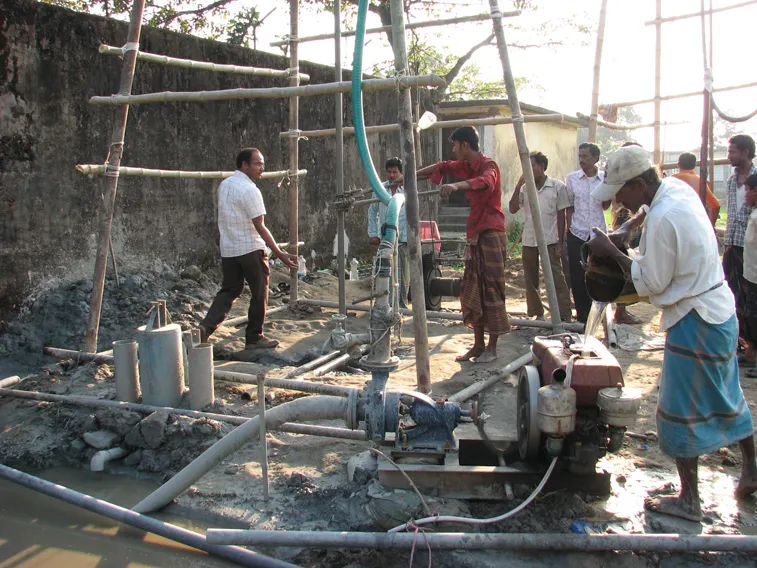
After 11 hours on the road, we finally reached Jamalganj and the drill site. Unable to face the long daily drive to our planned rest house, we arranged to stay locally.
Northern New Jersey, southern Connecticut and environs are not necessarily where one would expect to explore the onetime extinction of much life on earth, and subsequent rise of dinosaurs. But it turns out to be a pretty good place to start. Underlying the exurbs are geological formations left by three giant episodes of volcanism starting around 200 million years ago, and… read more