
Lamont in the Media
Earth & Climate Science News
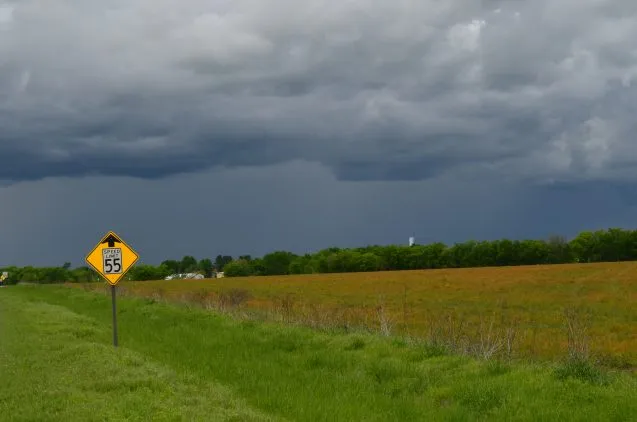
Intensified rainstorms predicted for many areas in the United States as climate warms could more efficiently water some major crops, which would at least partially offset projected yield declines caused by rising heat itself.
Monitoring and data suggest the next eruption of the glacial volcano could be anywhere from days away to within the next year. Grímsvötn last erupted in 2011.
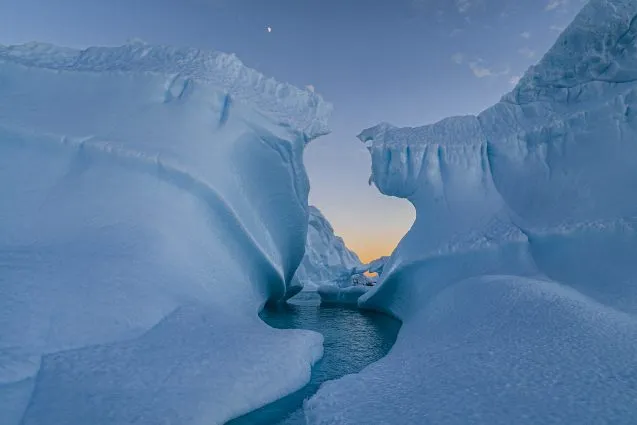
In a talk last week, celebrated conservationist and photographer Cristina Mittermeier shared her quest to save the sea.
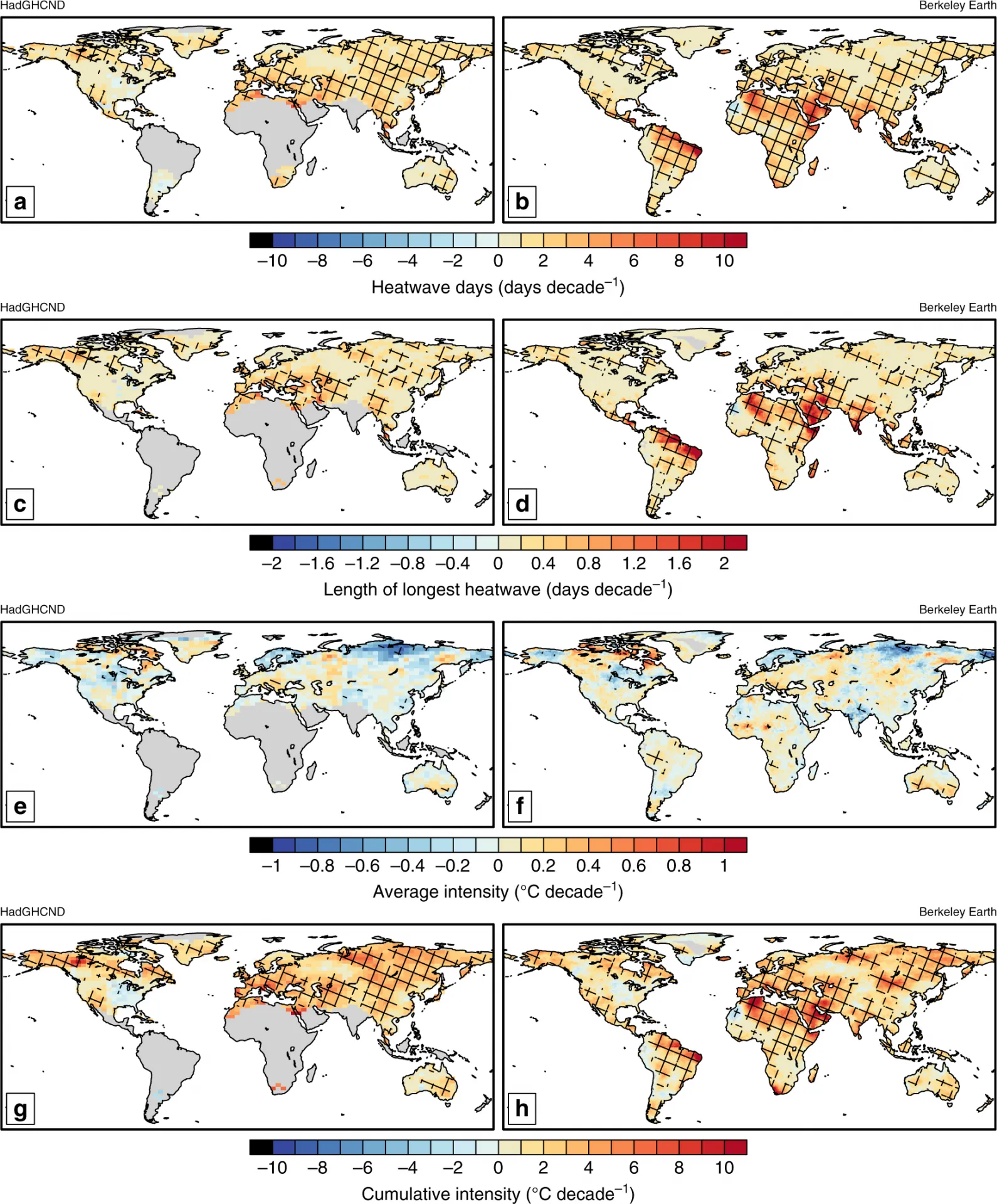
A recent study shows heat waves are growing longer and more frequent in almost every part of the world. The findings emphasize the need to take action against climate change.
In this episode of Pod of the Planet, we celebrate the life of Marie Tharp and the inspiration she has been and continues to be to many scientists today.
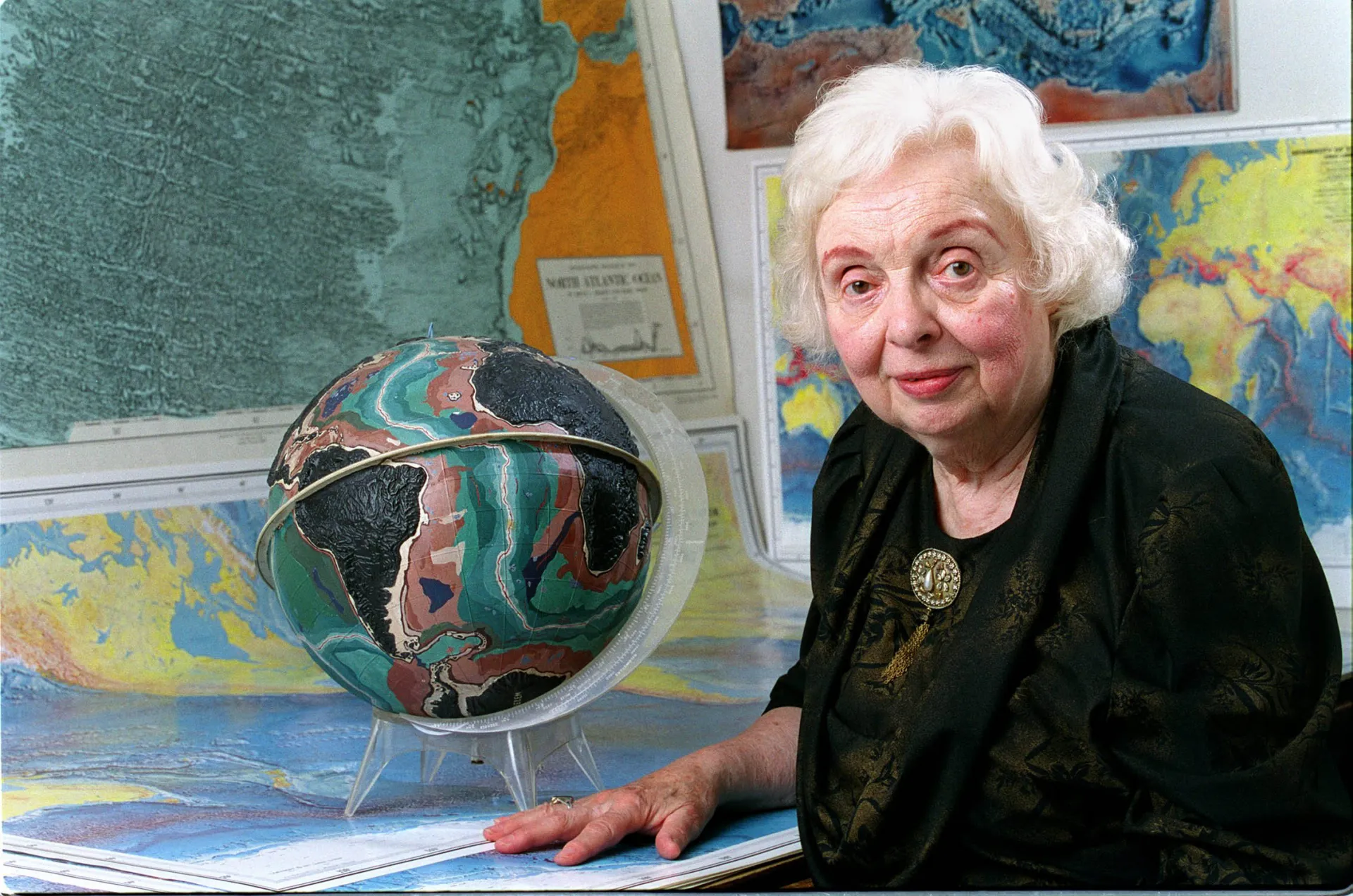
Maybe you already know that she created some of the first maps of the ocean floor and helped discover plate tectonics. Here are some lesser-known facts about this history-making cartographer.
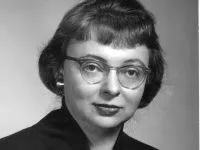
On the 100th anniversary of her birth, her grit and brilliance are as legendary as her work.
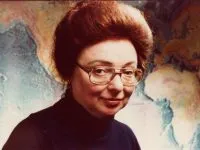
The pioneering mapmaker explains how she and colleagues discovered underwater mountain ranges 40,000 miles long, and helped to prove that the continents move.
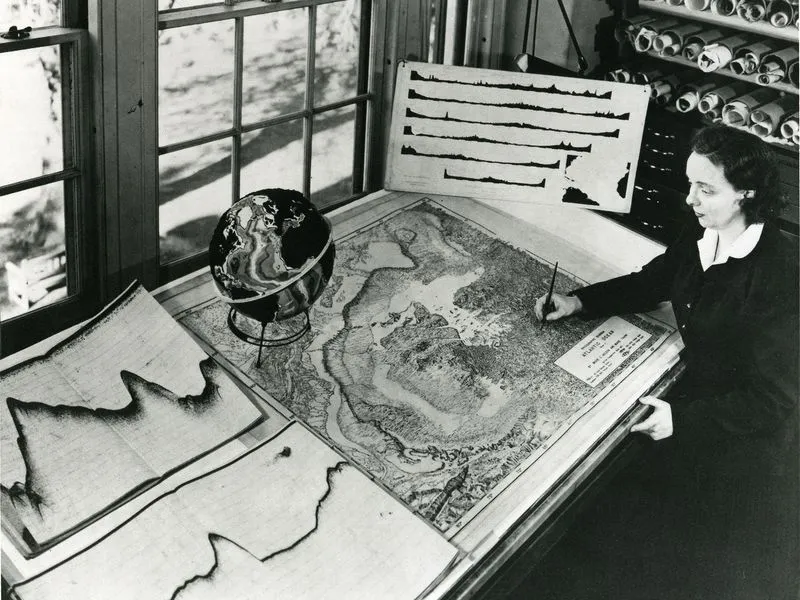
July 30 marks 100 years since the birth of Marie Tharp, a pioneering geologist who created some of the first maps of the ocean floor. We’re celebrating her achievements and legacy with blog posts, giveaways, and more.
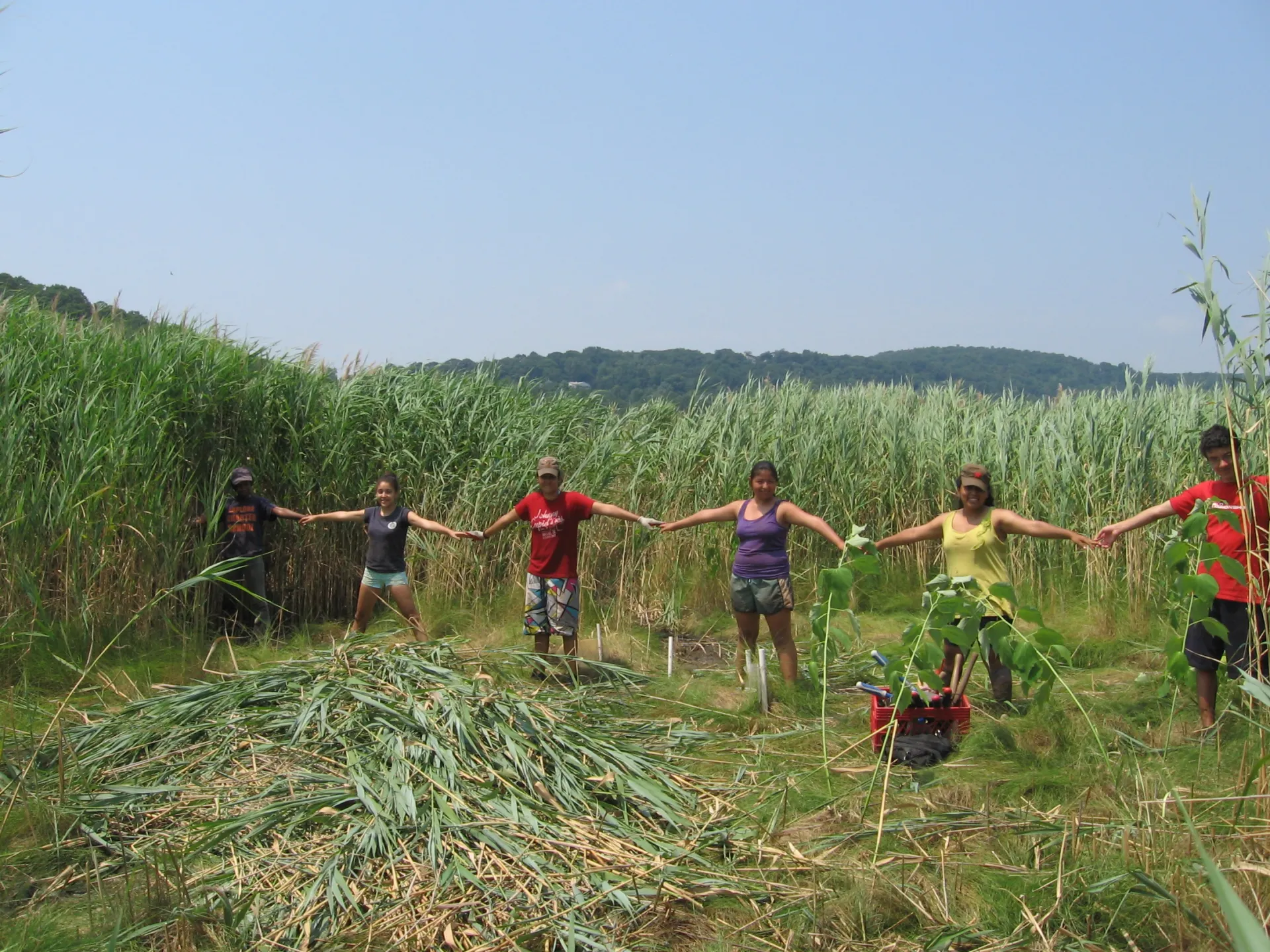
The Secondary School Field Research Program offers a diverse group of young people a unique opportunity to do field and laboratory research.
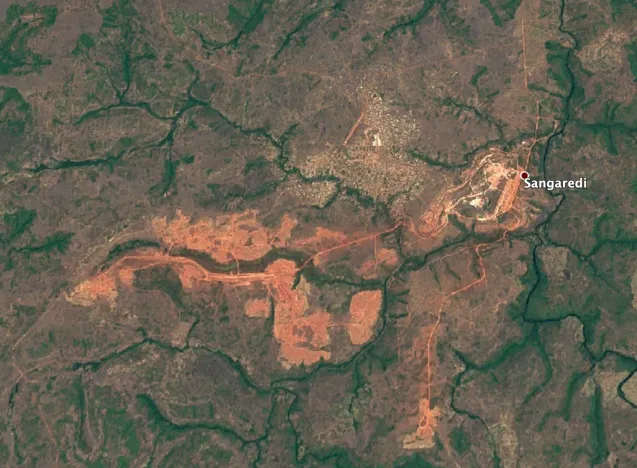
Researchers at Columbia are developing an app that Guinean communities can use to hold mining companies accountable for controlling the dust they produce, which can harm health and livelihoods.
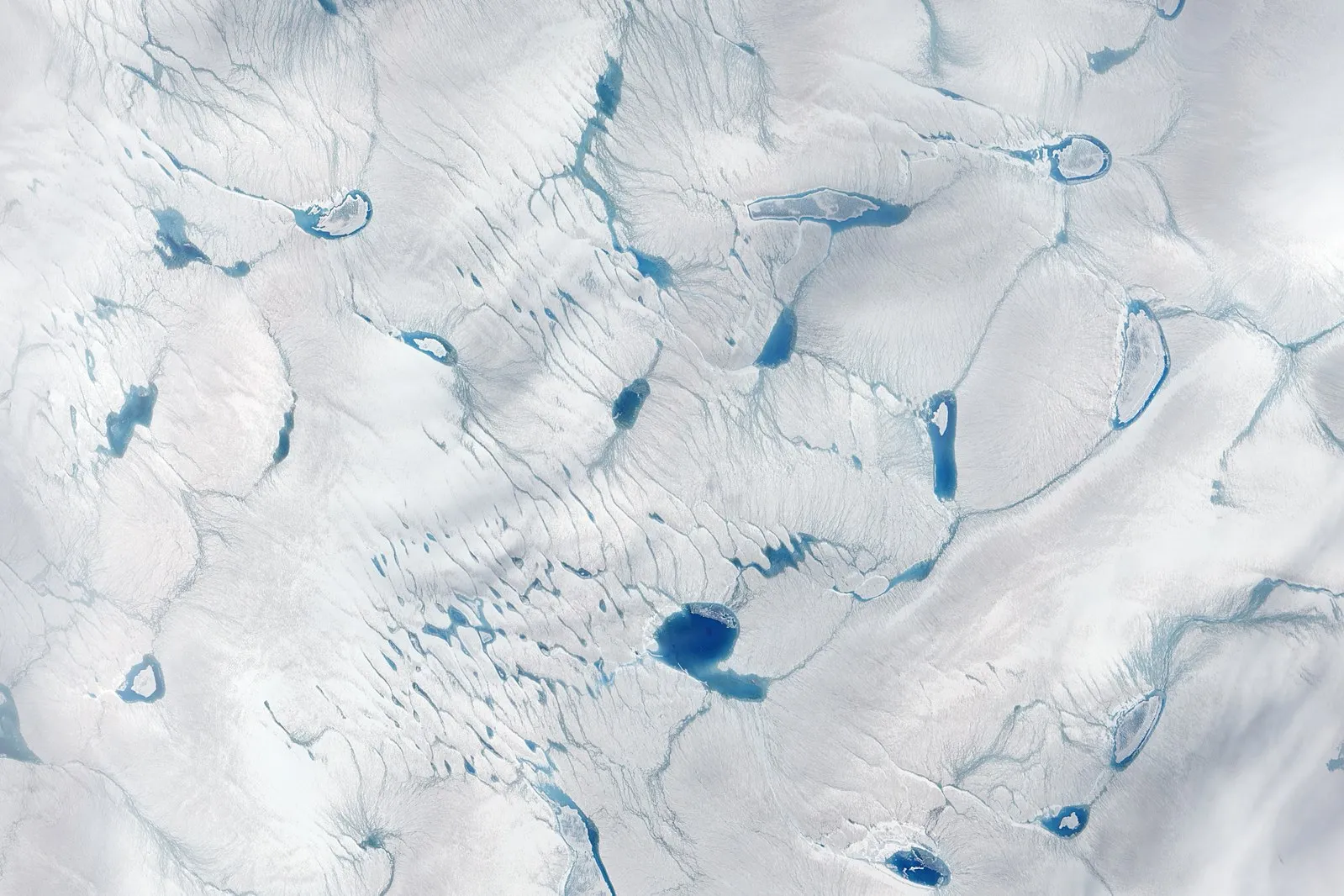
GreenDrill promises to reveal the ice sheet’s past in unprecedented detail and enable more accurate predictions of how it may add to rising seas in the 21st century.