

Lamont in the Media
Earth & Climate Science News
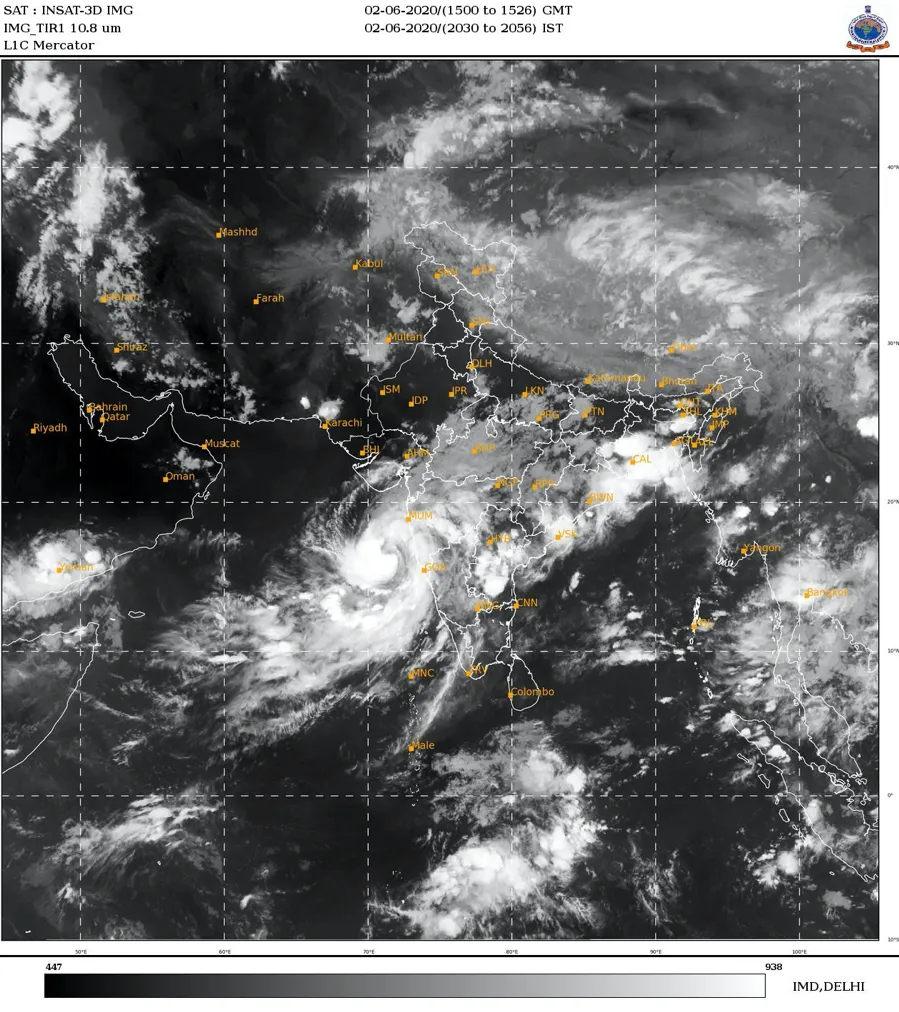
Major cyclone landfalls in this region are rare, but they could become more common and more dangerous under climate change.
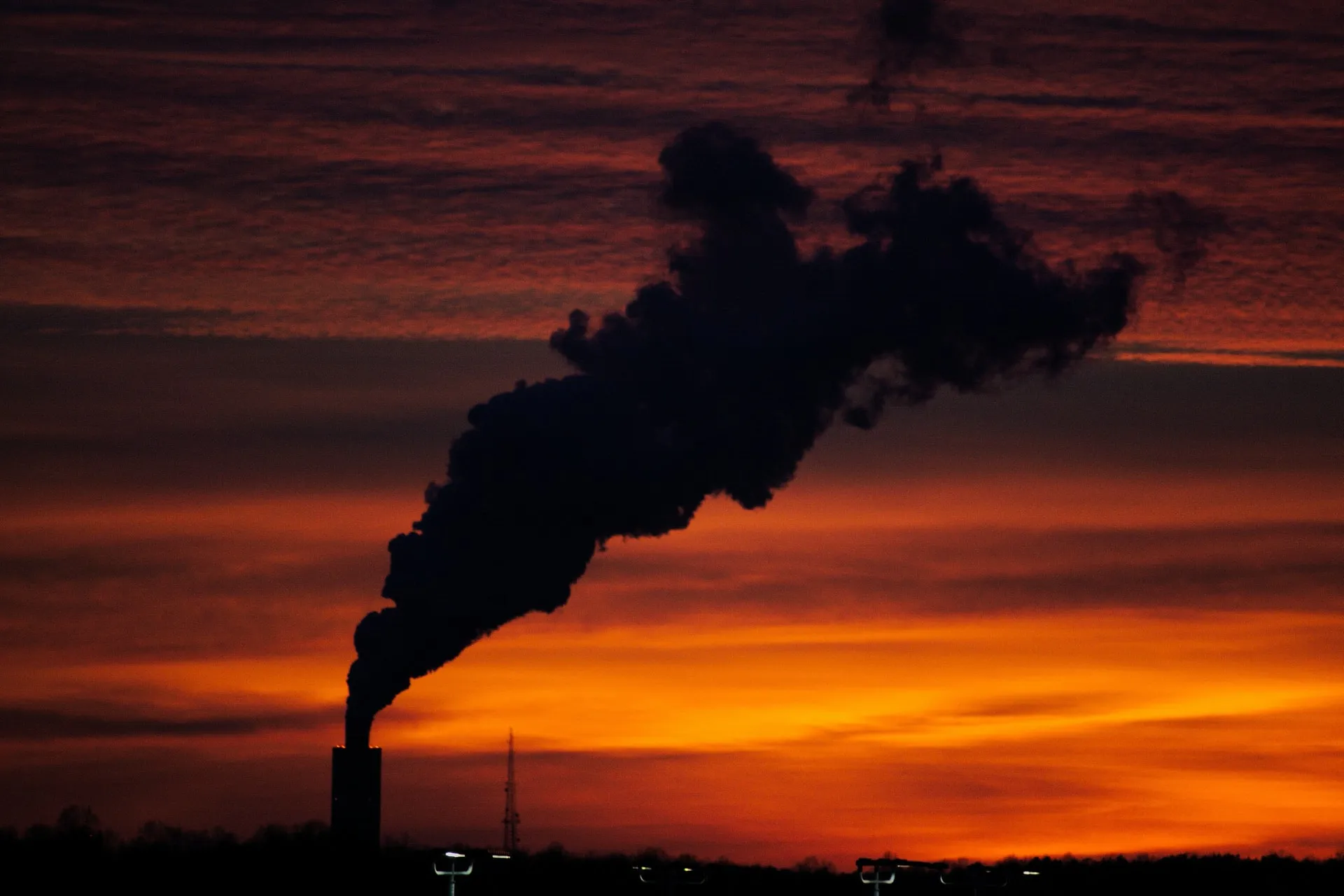
Research suggests that even a small increase in long-term exposure to fine particles leads to an increase in the mortality rate of up to 8 percent.
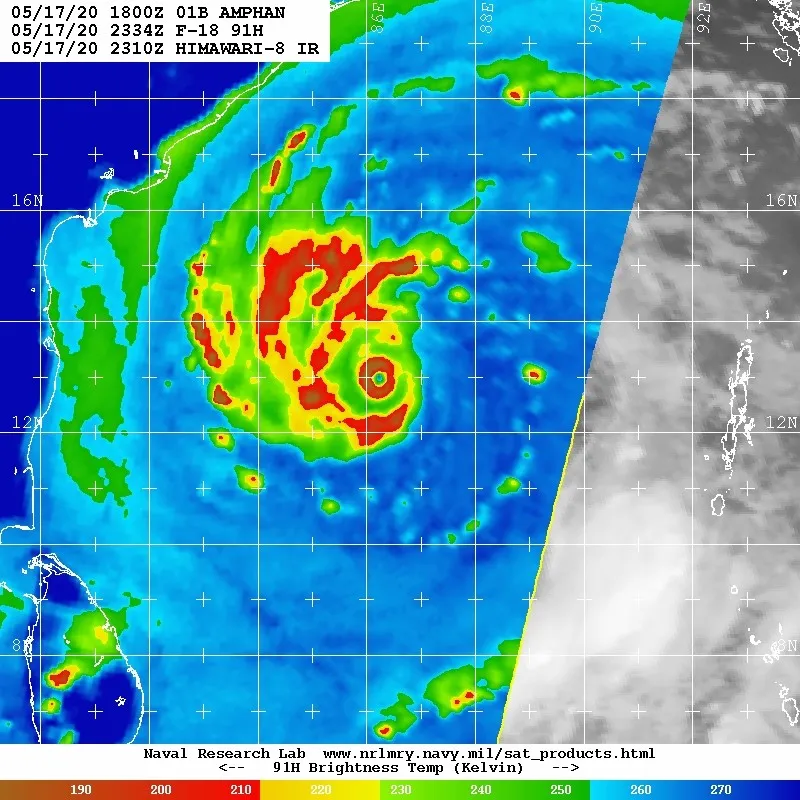
More than four million people have been forced to abandon their homes and reach emergency shelters, increasing the risk of contagion.

Her research as a Ph.D. student at Lamont-Doherty Earth Observatory has yielded important information for air quality control efforts.

Summertime brings hurricane season, heat waves, wildfires, and flooding. Is the U.S. prepared to deal with extreme weather at the same time as a pandemic?
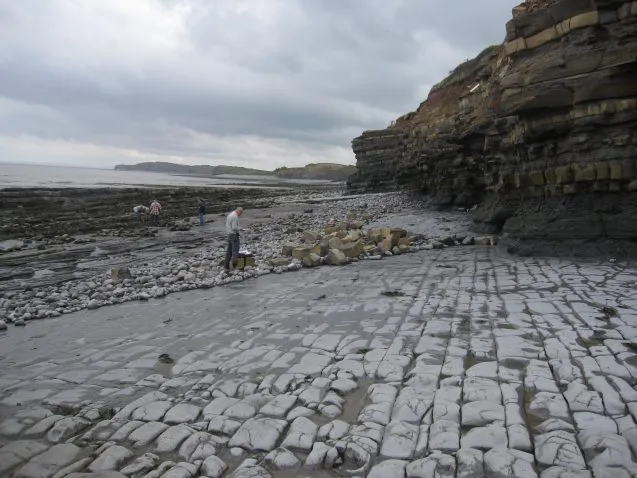
A committee has outlined what the U.S. National Science Foundation should focus on over the next decade.

Earth Institute faculty offer their encouragement and advice for the newest crop of graduates who will change the world.
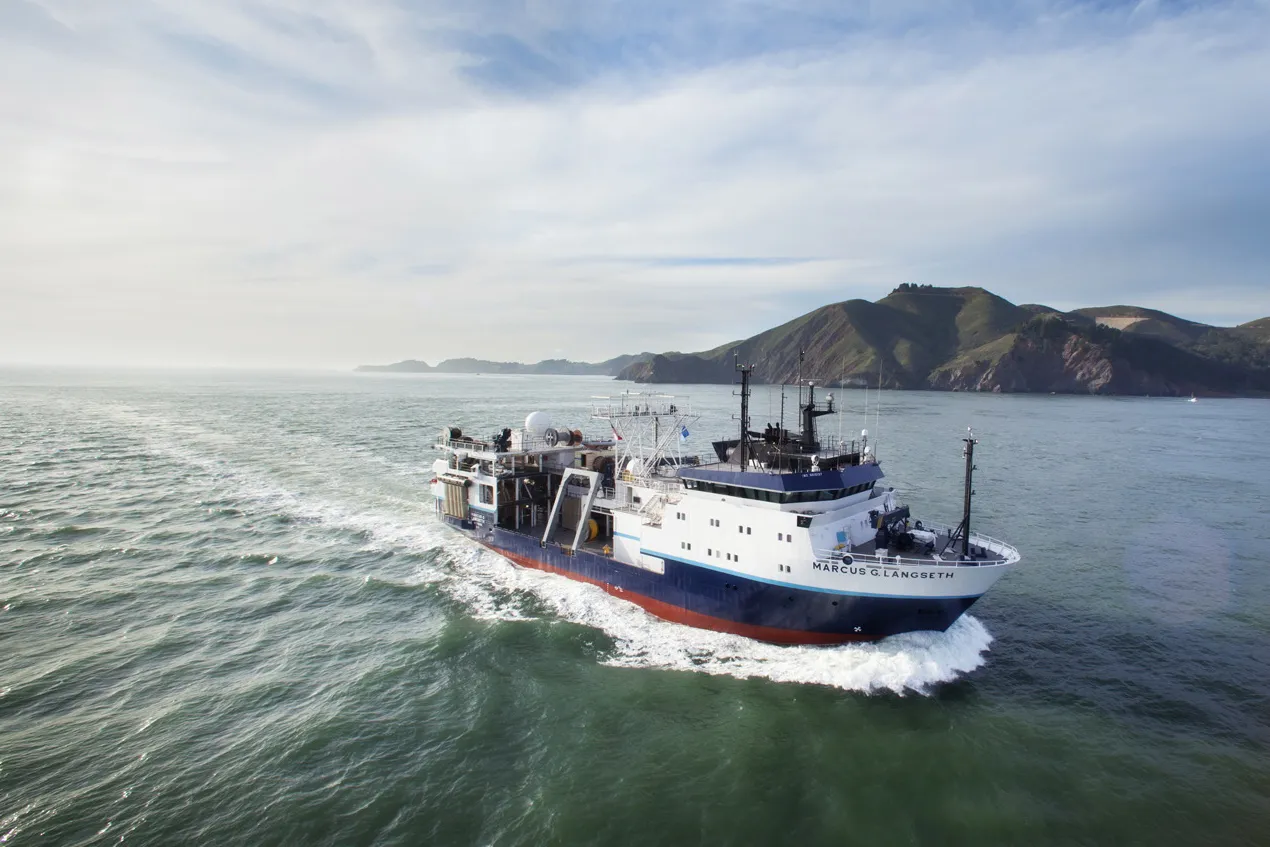
Students will make their own glacier goo, take a virtual drone flight over the ocean, and much more in these live sessions taught by Earth Institute experts.
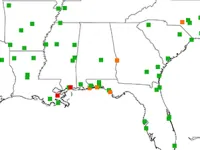
A new study has identified thousands of incidents of previously rare or unprecedented extreme heat/humidity combinations in parts of Asia, Africa, Australia, South America and North America, including in the U.S. Gulf Coast region.
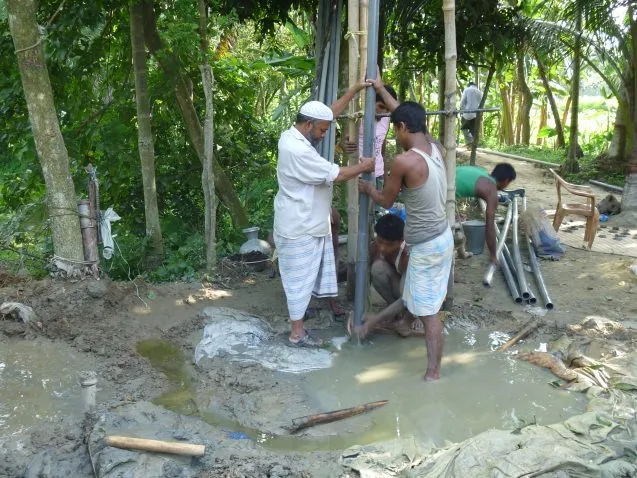
Widely considered a screen against contamination, clay layers may actually enhance arsenic leakage into some aquifers, study finds.

Driven by changing climate, a uniquely resilient organism is taking over the Arabian Sea, disrupting food chains, fisheries, oil refineries and water desalination plants.
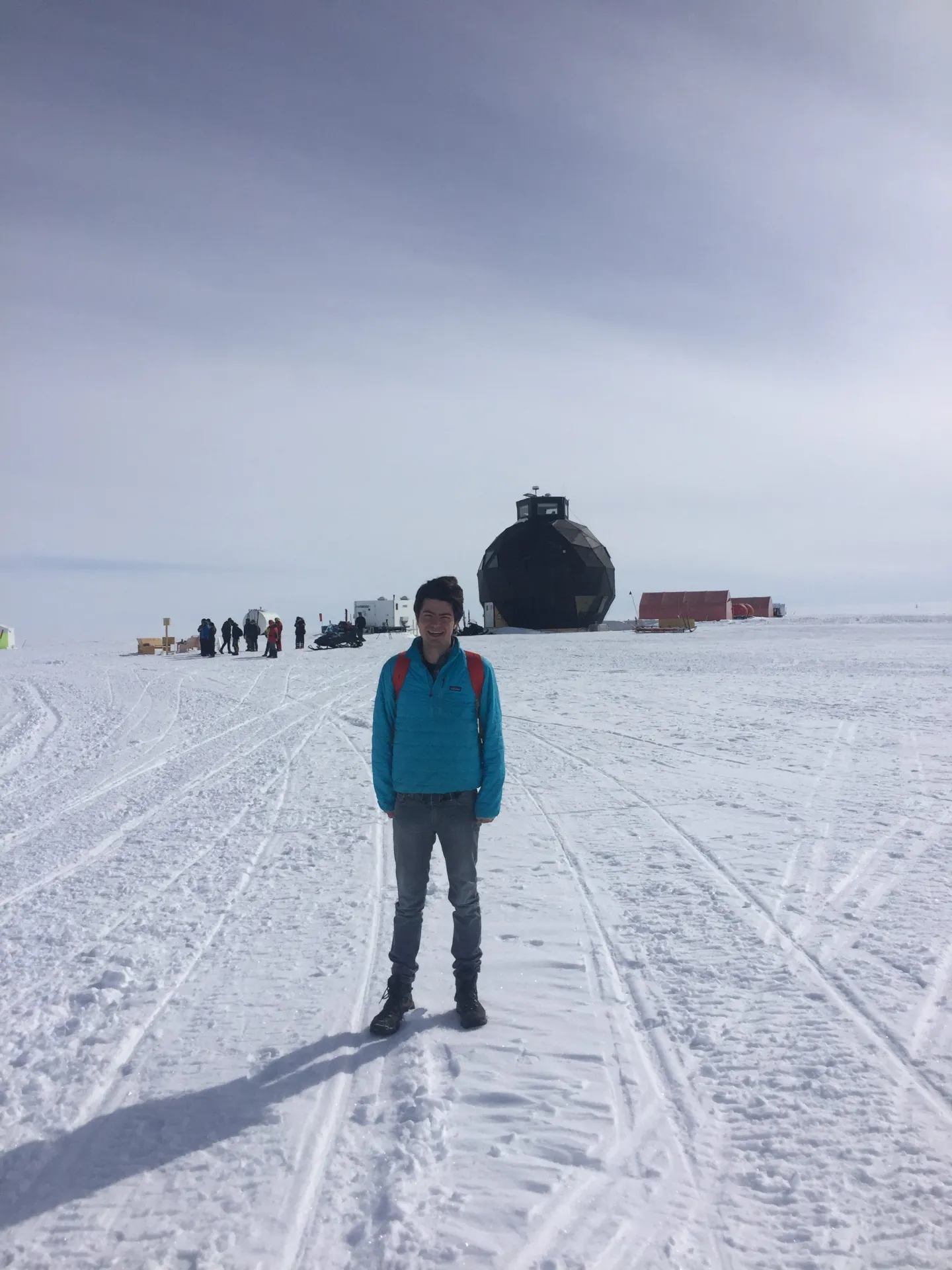
In a new study, researchers propose a mechanism for how mega-canyons under northern Greenland’s ice sheet formed: from a series of catastrophic outburst floods that suddenly and repeatedly drained lakes of meltwater.