
Lamont in the Media
Earth & Climate Science News
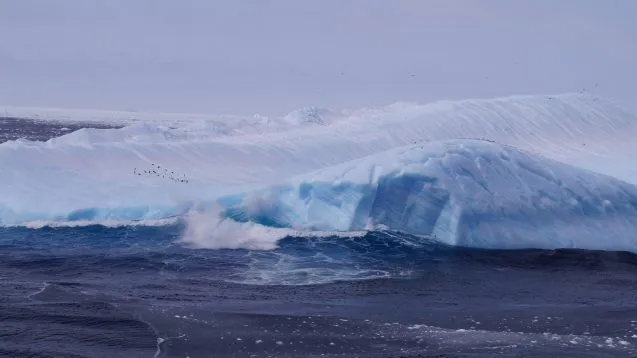
The warmer it gets, the faster Antarctica will lose ice, and at some point the losses will become irreversible. That is what researchers say in a new cover story in the leading journal Nature, in which they calculate how much warming the Antarctic Ice Sheet can survive.
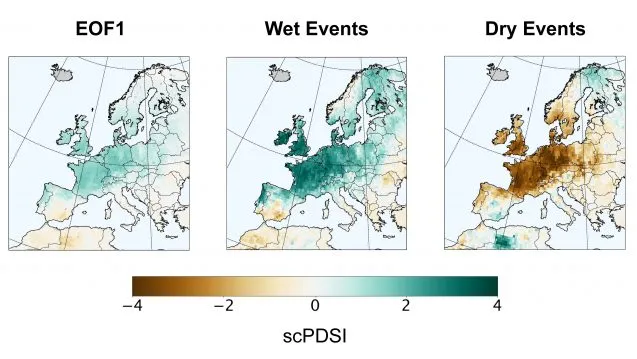
Unrelenting rains led to a miserable famine in Europe from 1315-1317. Just how wet was it? A new study reveals that the beginning of the famine included some of the wettest years in the last 700 years.
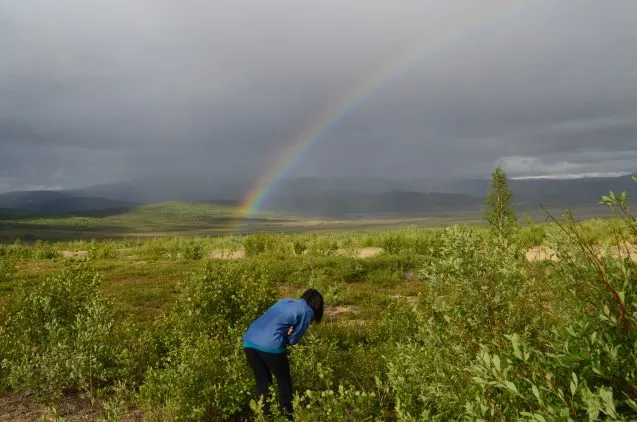
Using satellite images spanning decades, a new study has found that the northern tundra is becoming greener, as warmer air and soil temperatures lead to increased plant growth.
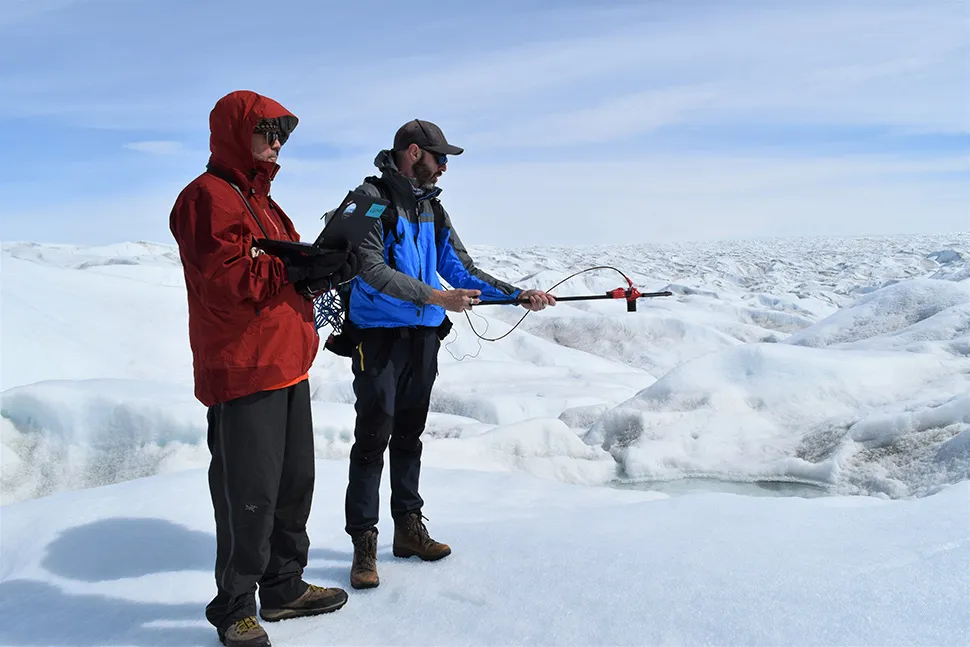
In this episode, Kevin Krajick explores Marco Tedesco’s obsession with the cryosphere—the part of earth that consists of frozen water.
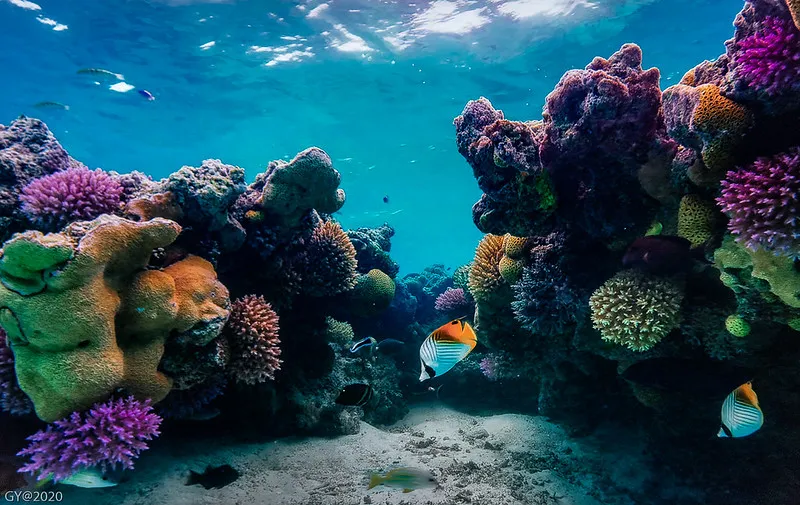
Humanity is failing at preserving biodiversity. But a book from 2006 offers inspiration and instructions on how to preserve what’s left of it.
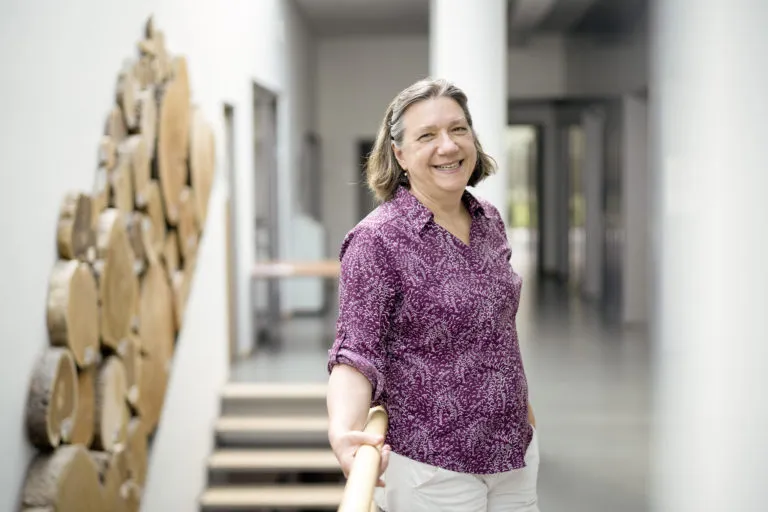
Susan Trumbore, who earned her Ph.D. at the Lamont-Doherty Earth Observatory, is among the recipients of the 2020 Balzan Prize, one of the most prestigious international awards in natural science and humanities.
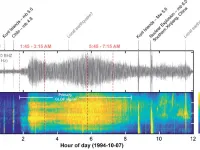
A new study finds that real-time monitoring of ground motion could have detected a sudden and catastrophic flood in Bhutan five hours before it destroyed a village.
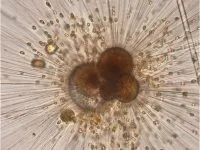
A new study of the closest ancient analog to modern carbon emissions finds that massive volcanism was the main cause of high carbon at the time. But nature did not come close to matching what humans are doing today.
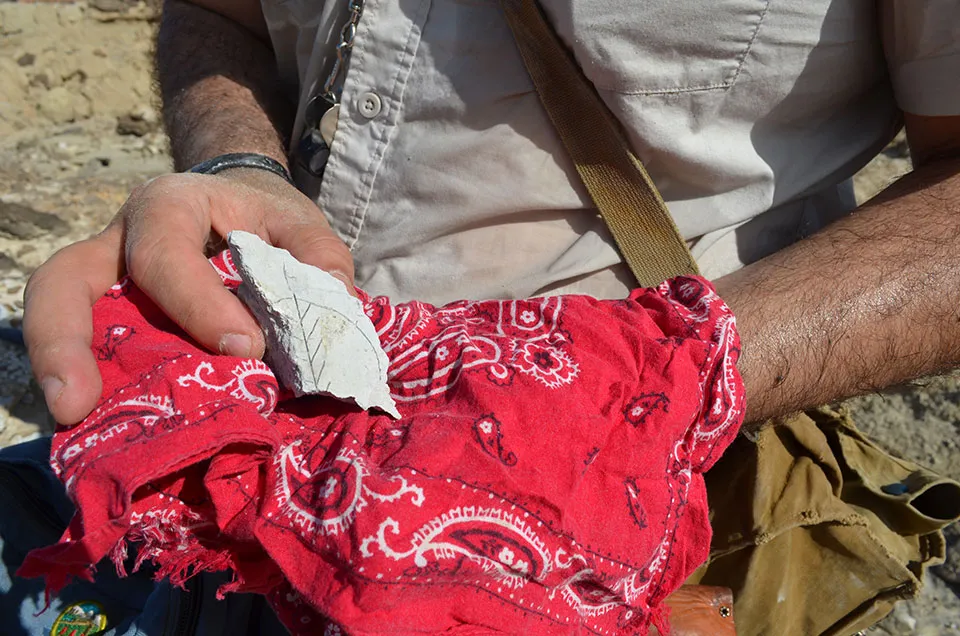
iSamples will digitalize scientific samples to enable more discoveries and information-sharing.
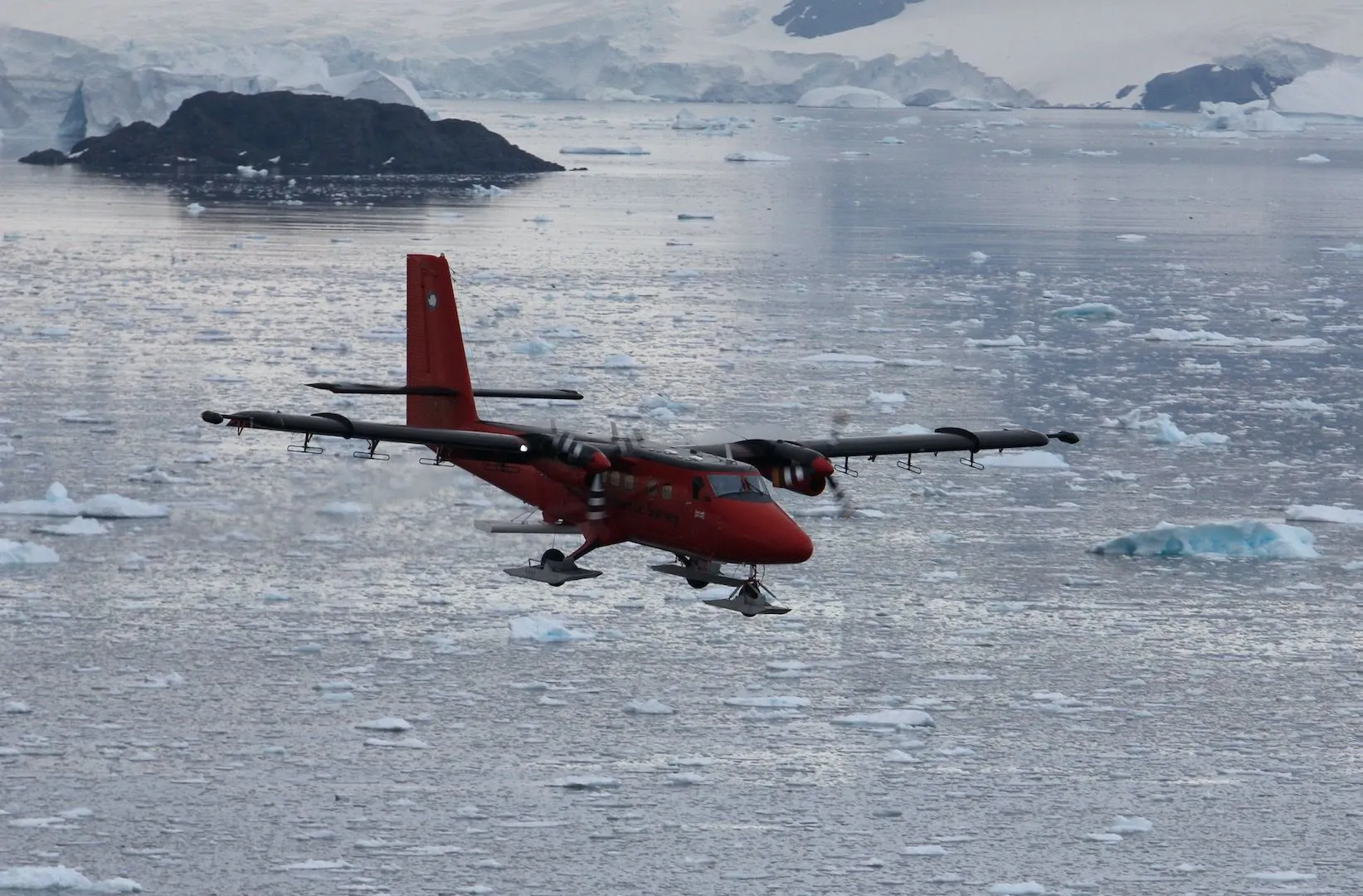
Newly discovered seabed channels beneath the Thwaites Glacier may be pathways for warm ocean water to melt the ice’s undersides and contribute to sea level rise.
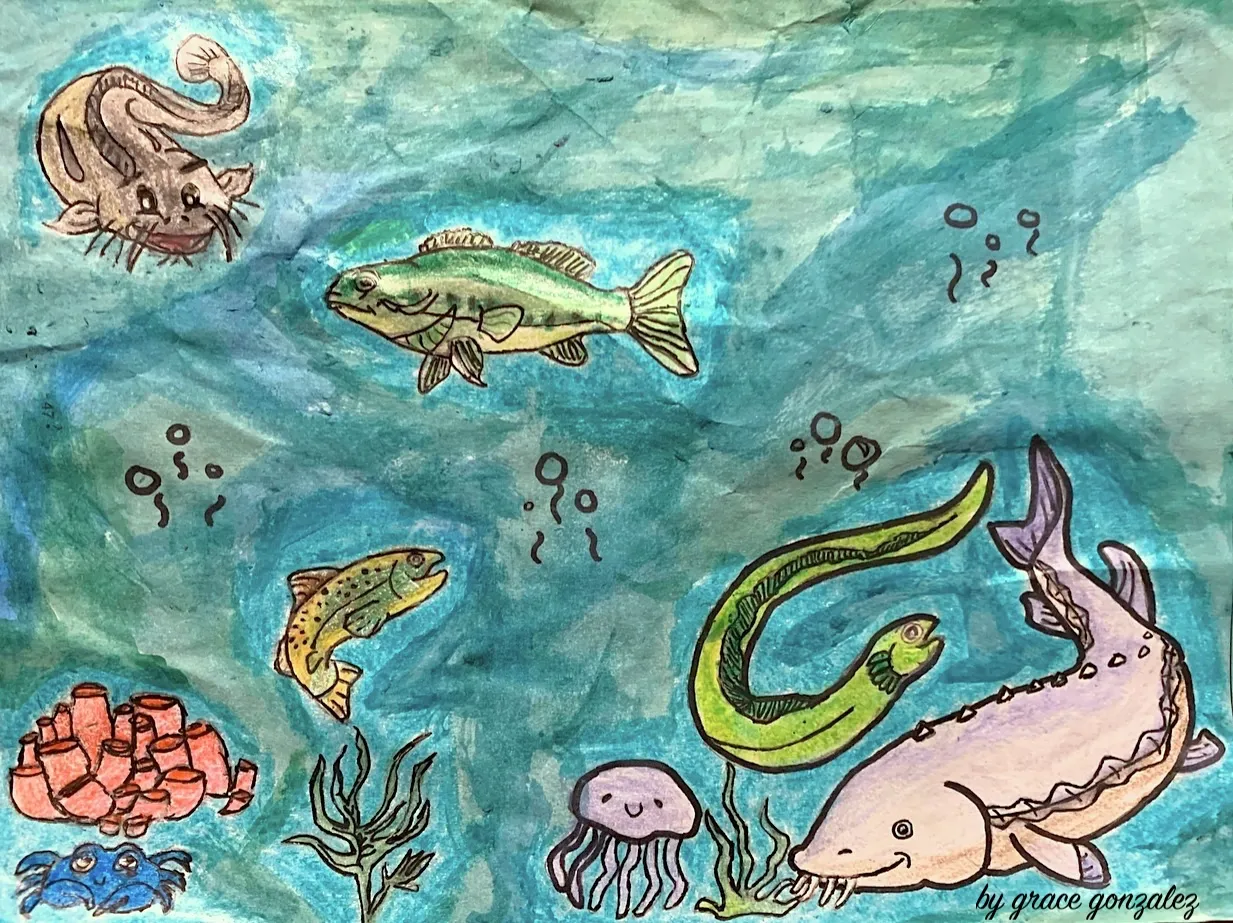
Interns developed skills in science communication by creating educational materials about the river’s colorful stories, myths, and misunderstandings.
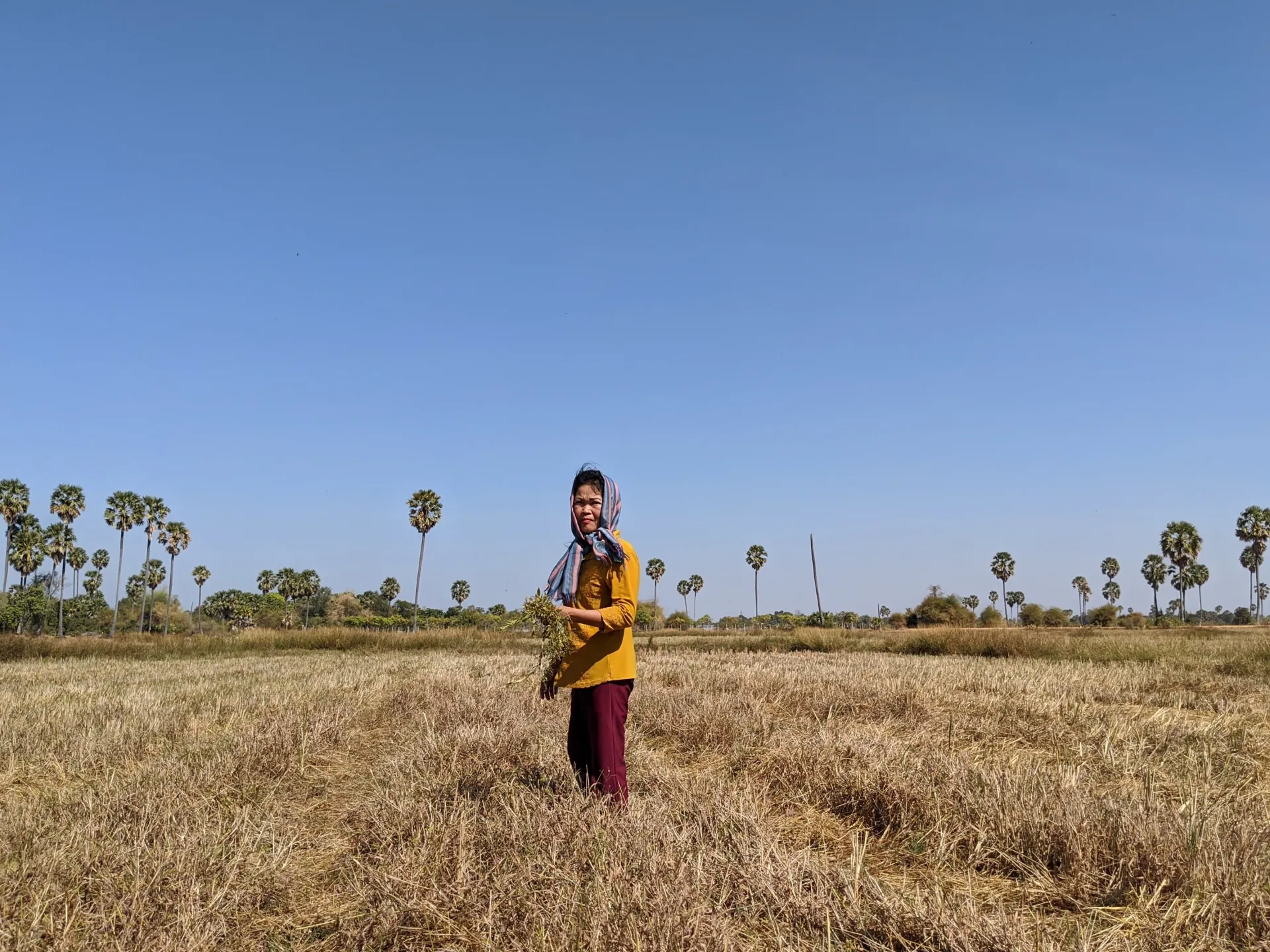
The research, from students working with the Center for Climate and Life, also identifies ways to potentially limit arsenic contamination in rice.