

Lamont in the Media
Earth & Climate Science News

Learn how to design your own microbe, decode Python script, and much more in these live sessions taught by Earth Institute experts.
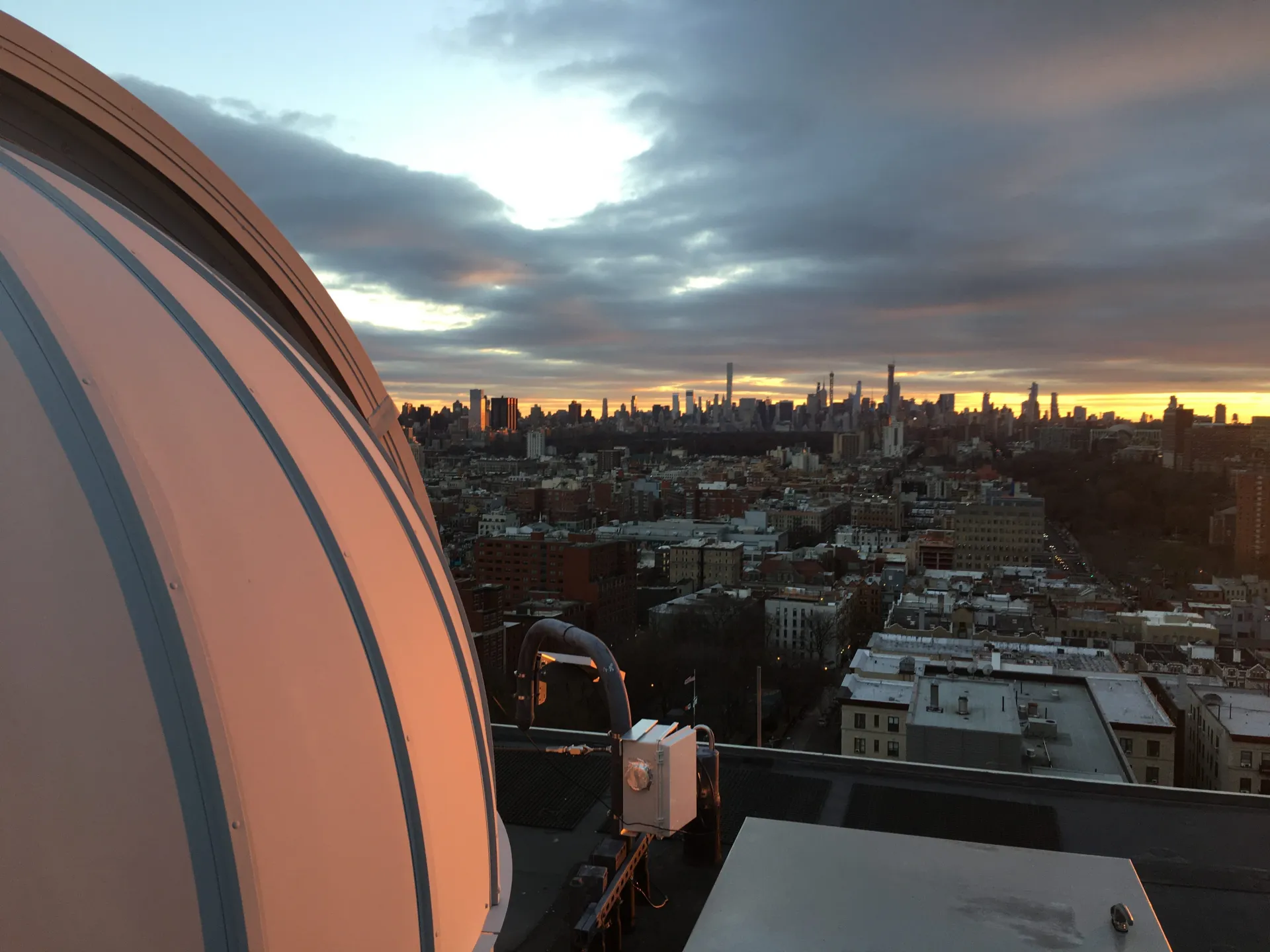
Estimates say the city releases about 50 million tons of carbon a year, but no one has actually measured it. A new project is trying to change that.
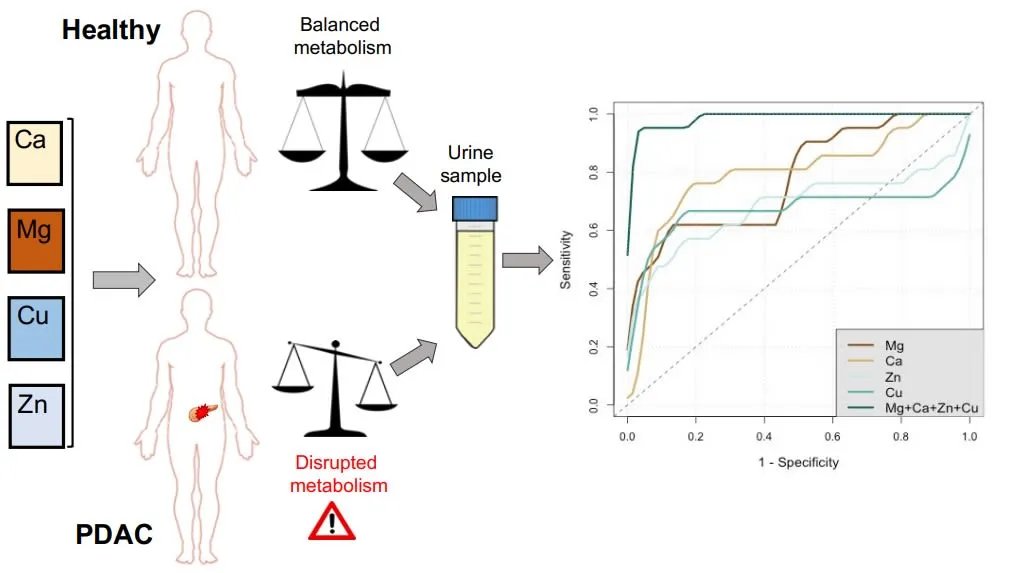
New research shows that a signature of metal ions in urine may be an accurate indicator of one of the deadliest forms of cancer.
Rapid development in flood-prone zones during recent decades helped boost the amount of property exposed to the 2018 hurricane substantially, a new study says.

It also compares the effectiveness of medical-grade masks with homemade ones, and tests the feasibility of improving masks with homemade nose clips.

This year marks the 50th anniversary of Earth Day. To celebrate, we’re sharing images of places and projects around the world that highlight our planet’s incredible beauty.

There are many ways to get involved, take action, or simply marvel at the beauty of our planet, all without leaving your home or neighborhood.
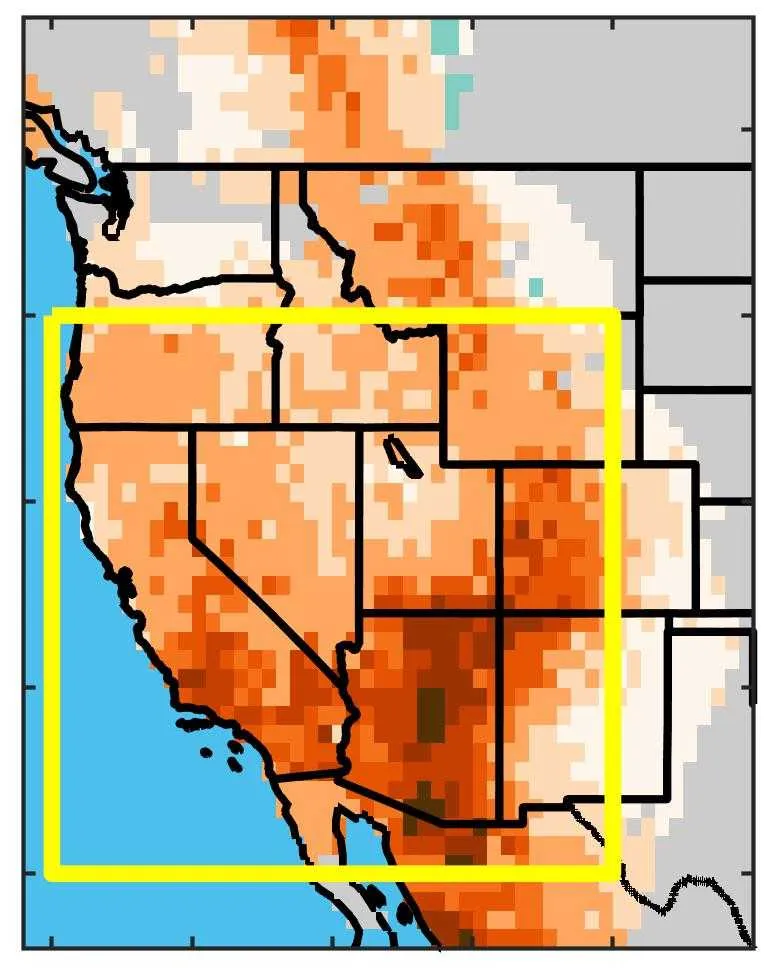
Scientists say a long-feared megadrought, worse than anything in recorded history, seems to be starting up in southwestern North America.

From knitting to yoga and chocolate chip cookies, here’s how some of our team members are taking their minds off the pandemic.
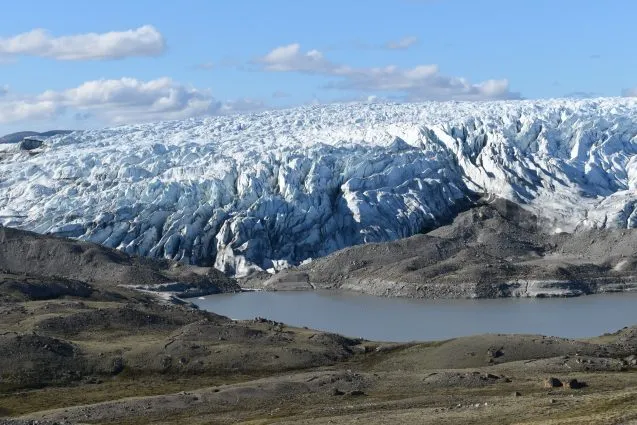
Study identifies unprecedented atmospheric conditions behind devastating summer; suggests climate models may greatly underestimate future melting.
Kevin Uno, a Center for Climate and Life Fellow, studies how abrupt changes in climate affected Neolithic human settlement, diet, and abandonment in northwest Africa.
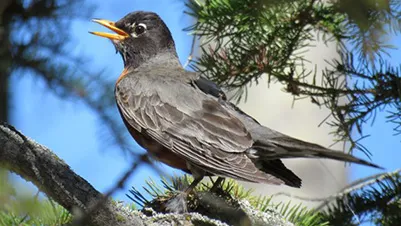
New GPS data show birds adjust to shifting snow conditions as climate warms