

Lamont in the Media
Earth & Climate Science News
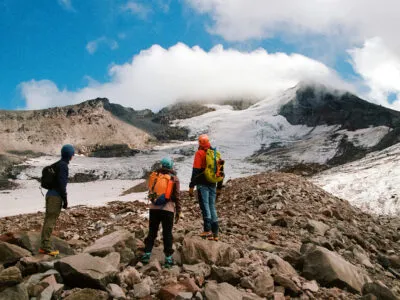
The Oregon Glaciers Institute just published a four-year report detailing their commitment to addressing glacier retreat—one of climate change's most infamous impacts.

In honor of International Day of Women and Girls in Science, we talk to Ivanovich, who is studying climate extremes and humid heat.
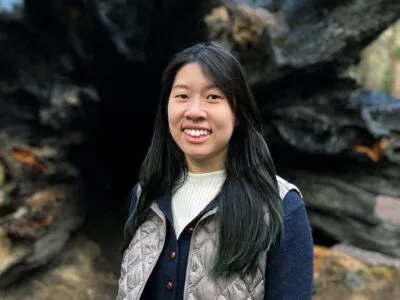
In honor of International Day of Women and Girls in Science, we profile Caroline Juang, who studies how climate change is impacting wildfires out west.
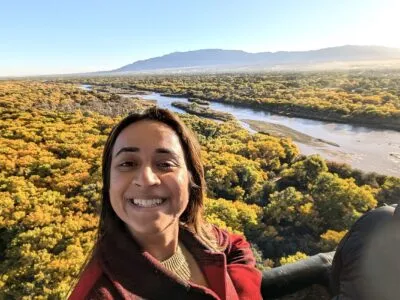
In honor of International Day of Women and Girls in Science, we're featuring Raheja, who researches machine learning methods for measuring air pollution in vulnerable communities across the world.
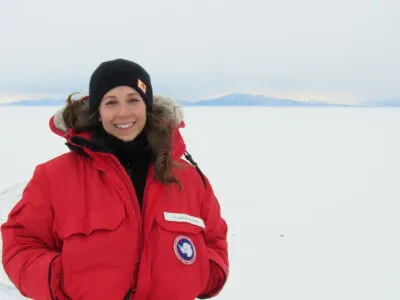
In honor of International Day of Women and Girls in Science, we’re spotlighting Locke, who studies the Antarctic Ice Sheet to determine how the seafloor shape beneath its ice shelves influences ice flow.
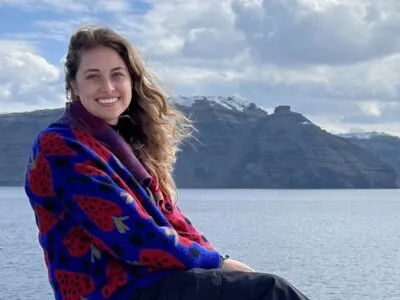
In honor of International Day of Women and Girls in Science, we’re highlighting amazing scientists like Peccia, who studies the interactions between volcanoes and the climate.
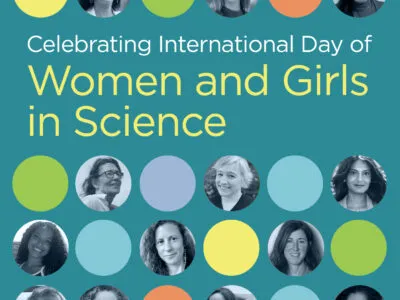
In honor of this year’s STEM theme, we highlight just a few examples of the exceptional women scientists from the Columbia Climate School.
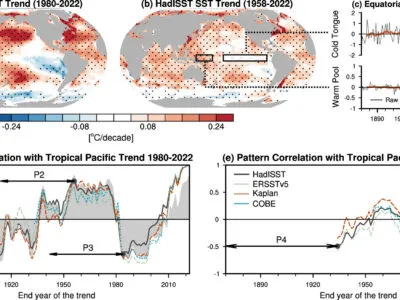
Research from the Lamont-Doherty Earth Observatory has the world’s climate scientists rethinking their models.

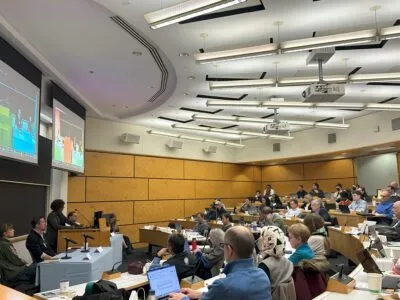
The Attribution Science and Climate Law Conference brought together scientists, legal experts, policymakers and advocates to explore how advancements in climate attribution science can shape litigation, policy and governance.

As California battles devastating wildfires, our researchers are helping to make sense of how they became so destructive, and what's needed for recovery.

The former president's progressive climate agenda demonstrates how leadership might inform long-term climate action.