
Lamont in the Media
Earth & Climate Science News
Dennis Kent, a leading expert in the history of earth’s magnetic field, has been elected to the American Academy of Arts and Sciences. Other members of the 2012 class include U.S. Secretary of State Hillary Rodham Clinton, playwright Neil Simon, Hollywood director Clint Eastwood and Amazon founder Jeffrey Bezos.
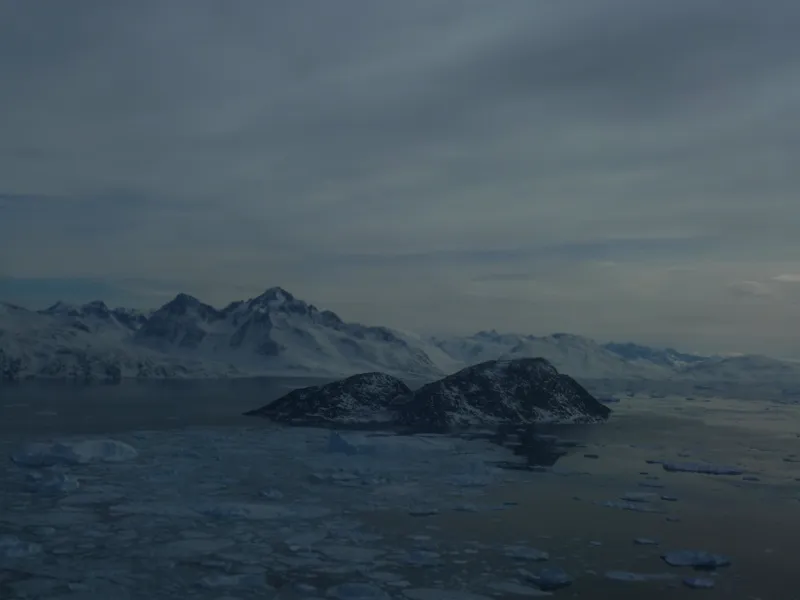
Even in idyllic Greenland some days start to feel like the movie “Groundhog Day”, however the turn of events today broke that thread. Over our two weeks in Kangerlussuaq we have ended our evenings with a science and weather report, and the hope of flying the program over both coasts. Each morning we wake up,… read more
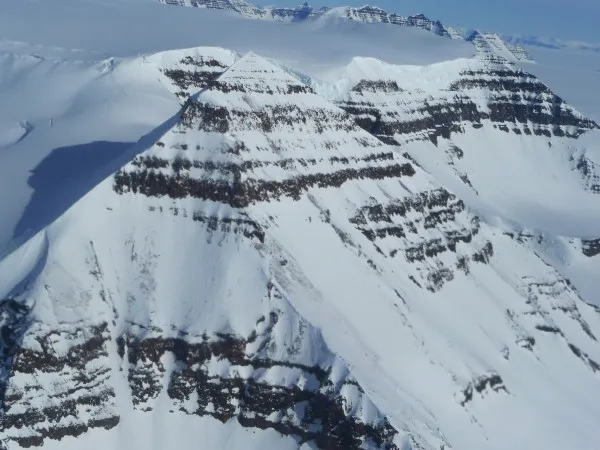
I had been warned of Geikie. “If they fly to Geikie get on that flight” I had been told, but nothing more.
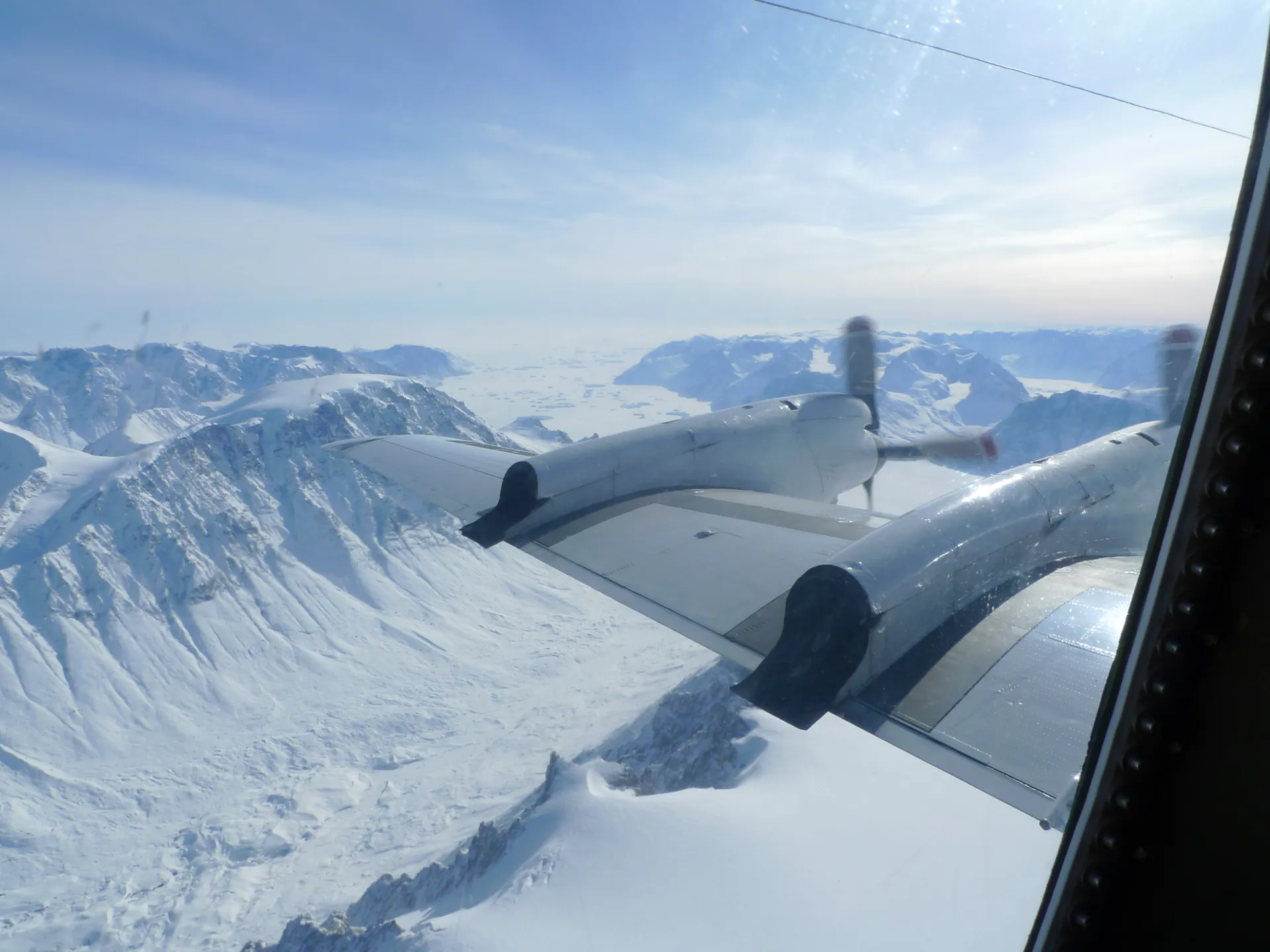
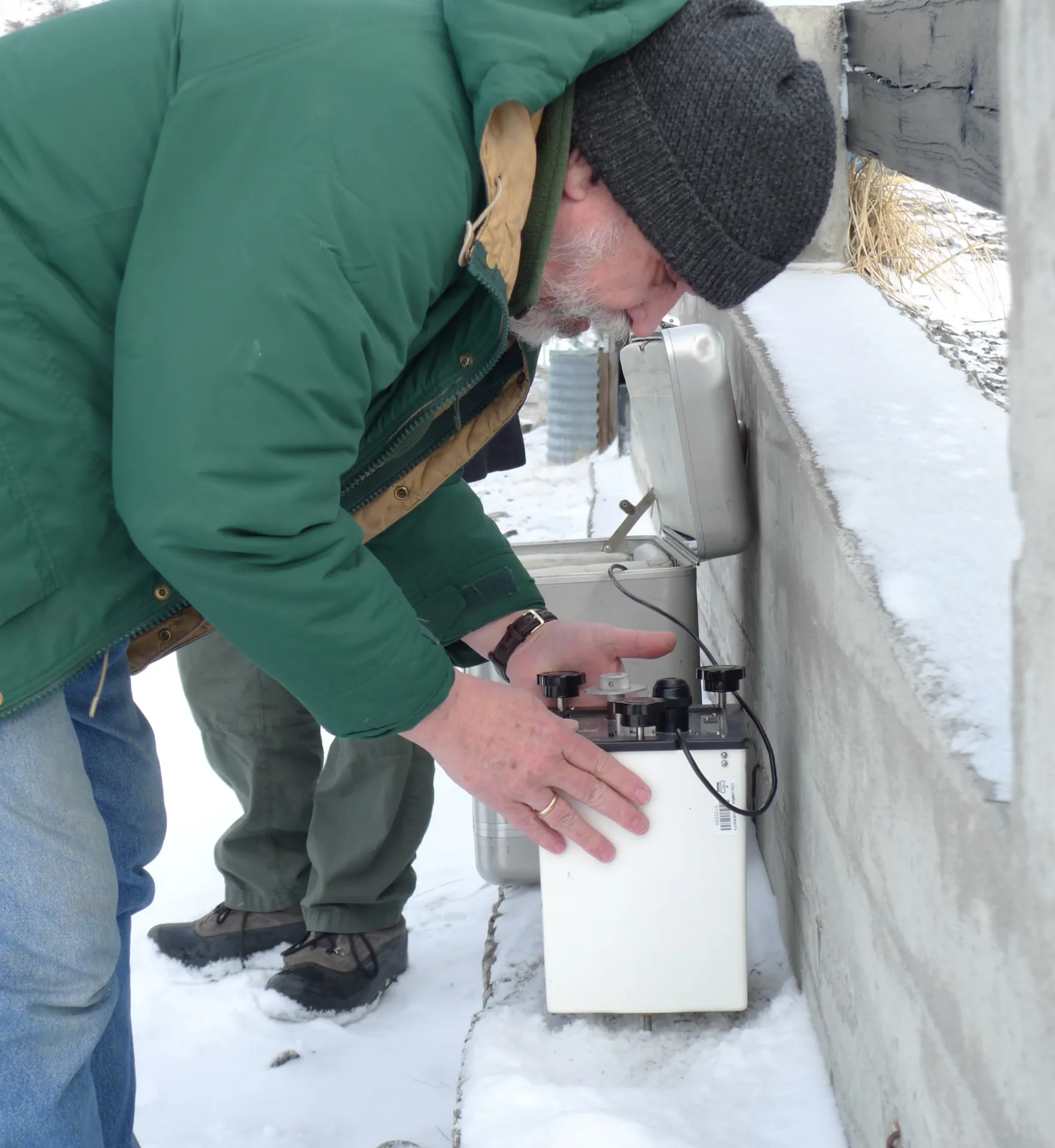
Time takes on a new meaning in the field. Every moment is compressed in order to gain maximum yield. Applying human accounting, field time is limited by available resources, personnel, and funds, while using nature’s accounting the limits shift to windows of weather, and seasonality for ice phenomena. In the field both human and nature… read more
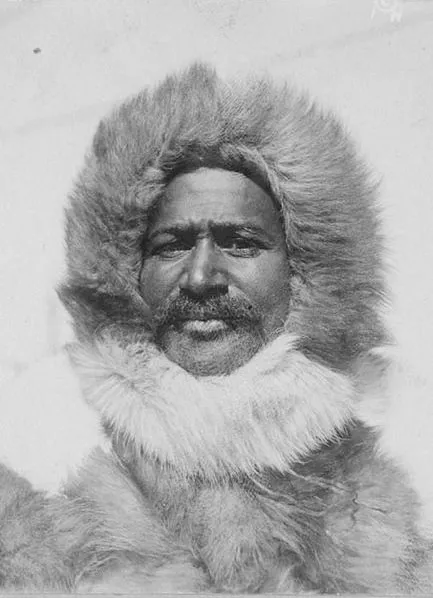
Perhaps the most natural connection between the explorations of the past and today’s carefully planned scientific missions is through the hand of fate and the crush of nature.
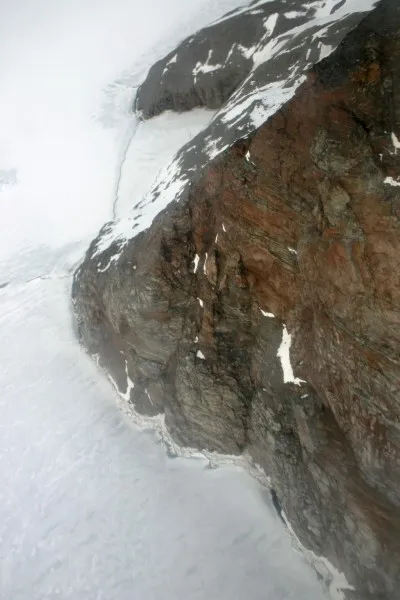
In mid-season, the Ice Bridge mission is assessing land ice along the Greenland perimeter and interior, to measure the impact of a changing climate in one of the most remote places on Earth.
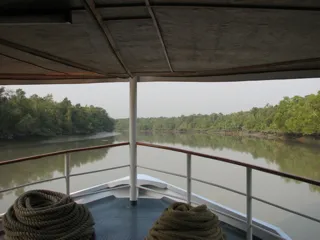
After finally reaching the Mongla and our boat, we settled into our new home. It is a similar design, but much larger than the one we used in September. As we ate dinner and explored the ship, it started the overnight journey to the southeastern part of the Sundarbans where the wildlife is most plentiful…. read more

We spent a day on the islands (chars) in the Brahmaputra River seeing the geology and talking to the residents. Then after an evening of feasting and dancing in our new Saris and lungis, we hit the road for the trip to the Sundarbans.
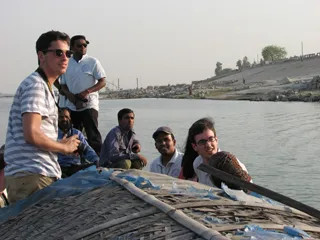
To help my students in a class on hazards of Bangladesh better understand the country, I am taking them there to experience Bangladesh for themselves.
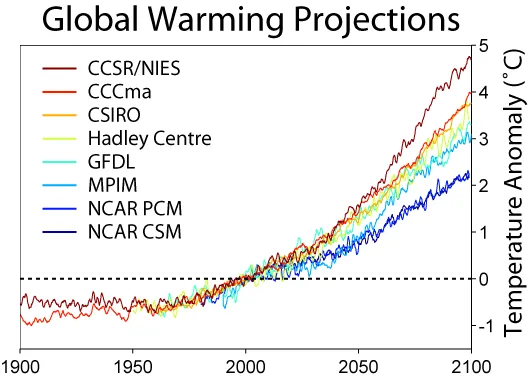
Independent quality controls for climate models are crucial for the quality of future climate change predictions. Not all models are equally good and should be utilized in climate impact studies for such things as crop yield and hydrology that are produced for far-reaching decision-making.

A new study in Science finds that the oceans may be acidifying faster today from industrial emissions than they did during four major extinctions in the last 300 million years when carbon levels spiked naturally.