Lamont in the Media

Earth & Climate Science News
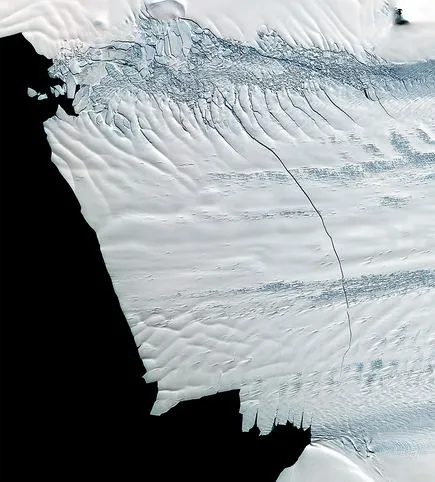
What does a glacier about to spawn an iceberg the size of New York City look like? A new animation from NASA flies you through the 19-mile crack that is slowly tearing Antarctica’s Pine Island Glacier apart.
Climate scientists at a meeting of the American Association for the Advancement of Science this week were elated to hear that the United States and five other countries had agreed to work toward cutting pollutants other than carbon dioxide thought to cause about a third of current human-influenced global warming. After all, many of them… read more
Scientists often invoke climate as a possible factor in human evolution; but only recently have they developed the ability to get enough information about past climates and related fossil evidence to see any details. A half-dozen leading paleontologists and climate scientists discussed recent advances in a symposium this week at the annual meeting of the… read more

The Earth Institute’s annual donor report for fiscal year 2011 is now available in an interactive digital format. We remain committed to finding extraordinary support to unprecedented global challenges, many of which are outlined in this report. We have highlighted some of our innovative projects in research, policy, and education, as well as the partnerships that are helping to support them.
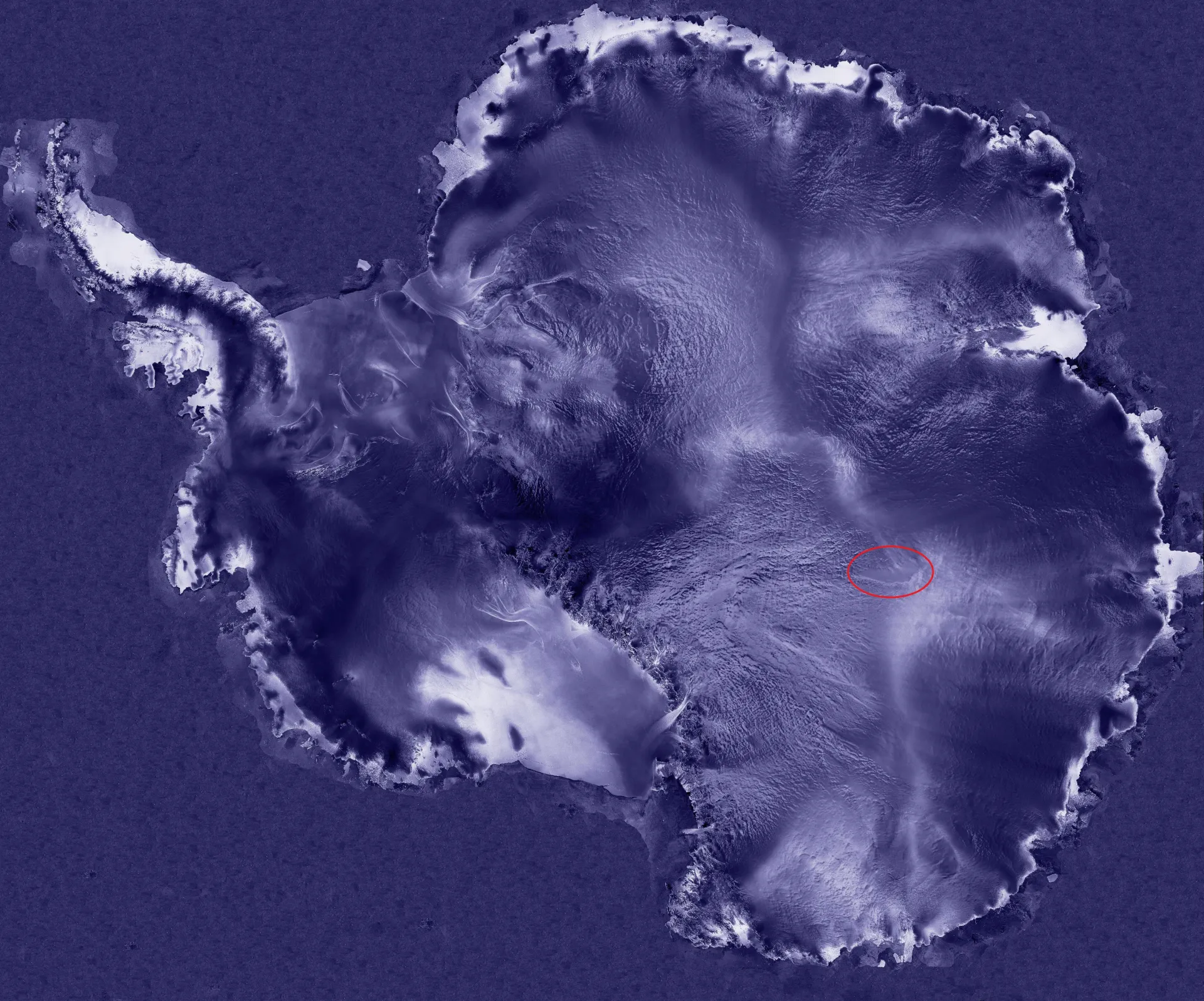
Russian scientists this week finished penetrating more than two miles through the Antarctic ice sheet to Lake Vostok, a huge freshwater lake that has been buried under the ice for millions of years. But they won’t know what they’ve found until next year.
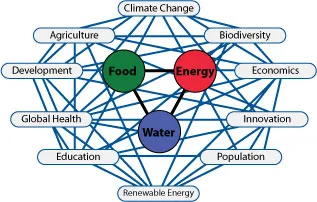
Scientists at Columbia University’s Earth Institute will present important new work on global climate, air pollution, agriculture and other issues at the Feb. 16-20 meeting of the American Association for the Advancement of Science, in Vancouver, B.C. Click hyperlinks for scientist contacts and other information. Background materials will be posted just before the meeting at… read more
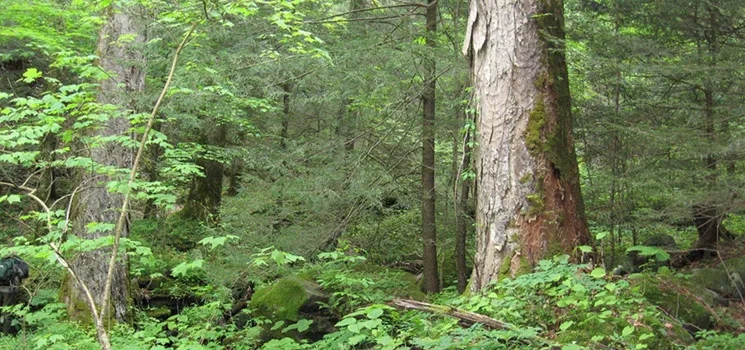
While the New Jersey bill failed, it is going to be discussed in New Jersey’s Senate Environment Committee on Monday, January 30, 2012. The discussion is not yet over regarding New Jersey’s public forests. The discussion about ecosystem productivity over time also continues in the forum of the Native Tree Society. Specifically, this post was picked… read more
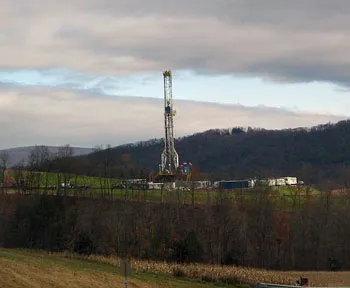
Earthquakes that have shaken an area just outside Youngstown, Ohio, in the last nine months are likely linked to a disposal well for injecting wastewater used in the hydraulic fracturing process, say LDEO seismologists.
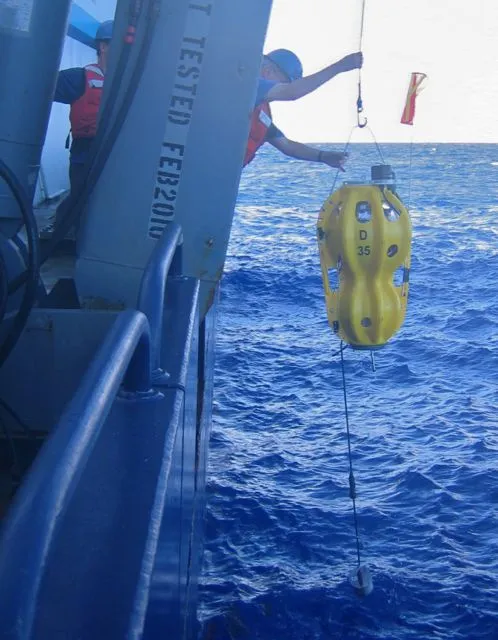
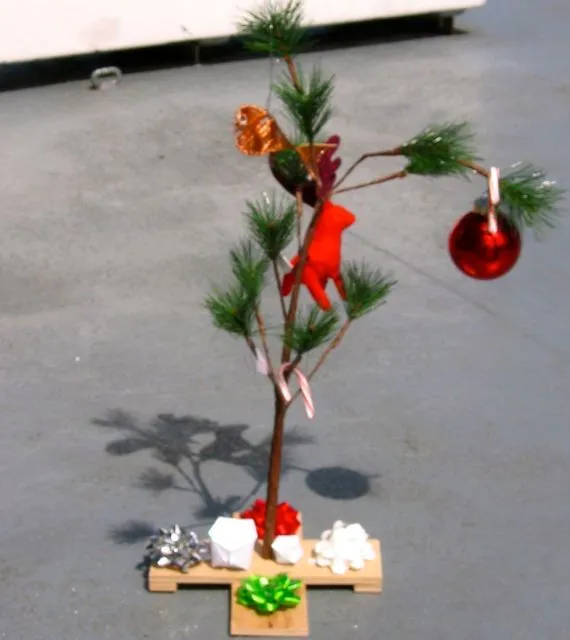
With round-the-clock shifts, there are precious opportunities for Santa to slip onto a research ship unseen. But slip in he did, leaving treats and gifts around the R.V. Langseth to brighten our day.

In the previous post, I outlined the argument lighting up parts of the New Jersey legislature and the human elements of its ecological communities. Briefly, one reason some people are using to promote logging on public lands is the perception that old trees and forests are dying of old age. While there are other arguments… read more