
Lamont in the Media
Earth & Climate Science News
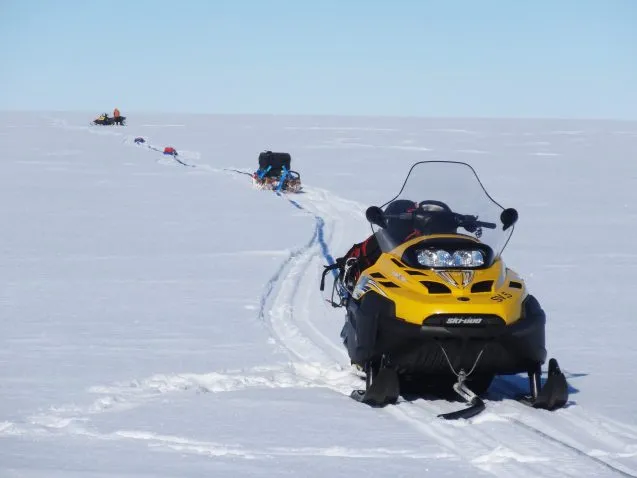
In addition to its devastating impact on human life, the coronavirus pandemic is creating significant setbacks for climate research.
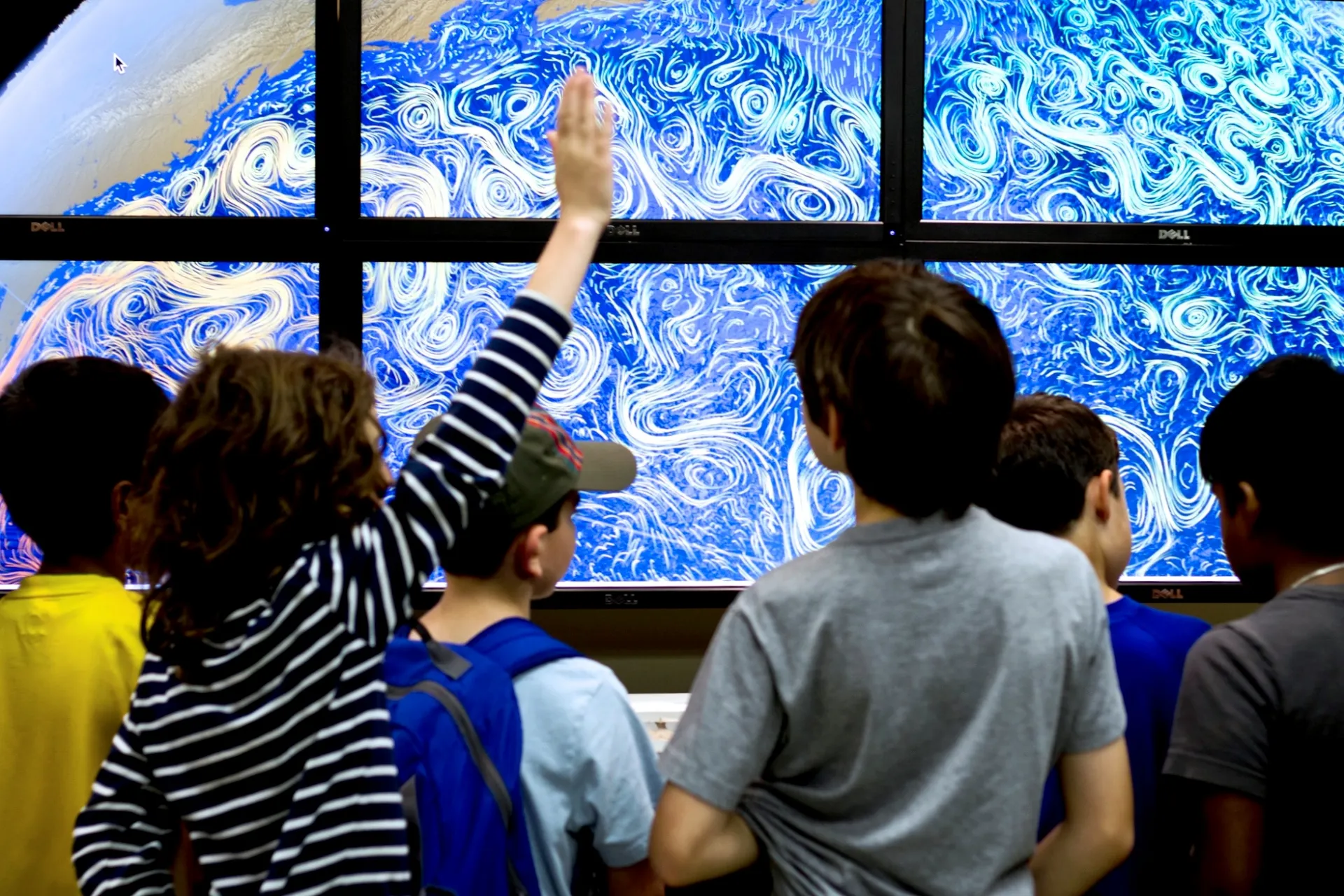
Through ‘EI Live,’ experts from across the Earth Institute will share their work through live lectures, interactive activities, and demos. The series launches April 6.
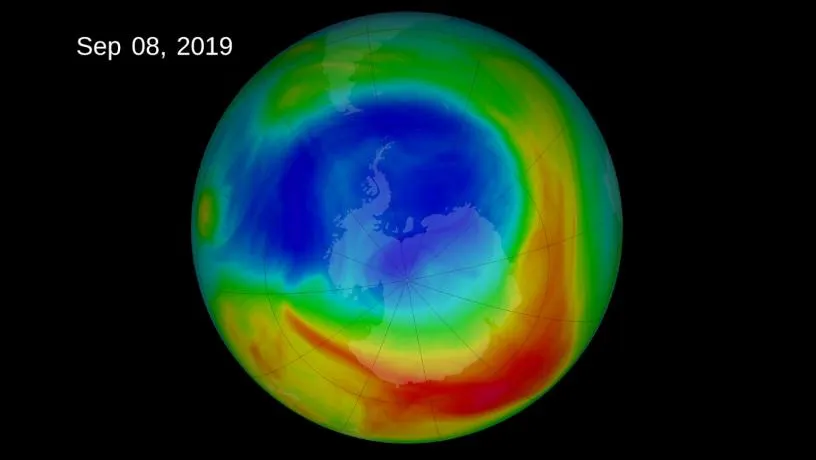
Researchers long ago predicted that the 1987 Montreal Protocol, banning ozone-depleting gases, would reverse a worrisome trend in Southern Hemisphere winds. A new study shows they were right.
A variety of undergraduate, graduate and PhD positions are available in various departments and research centers. Apply by April 19, 2020.
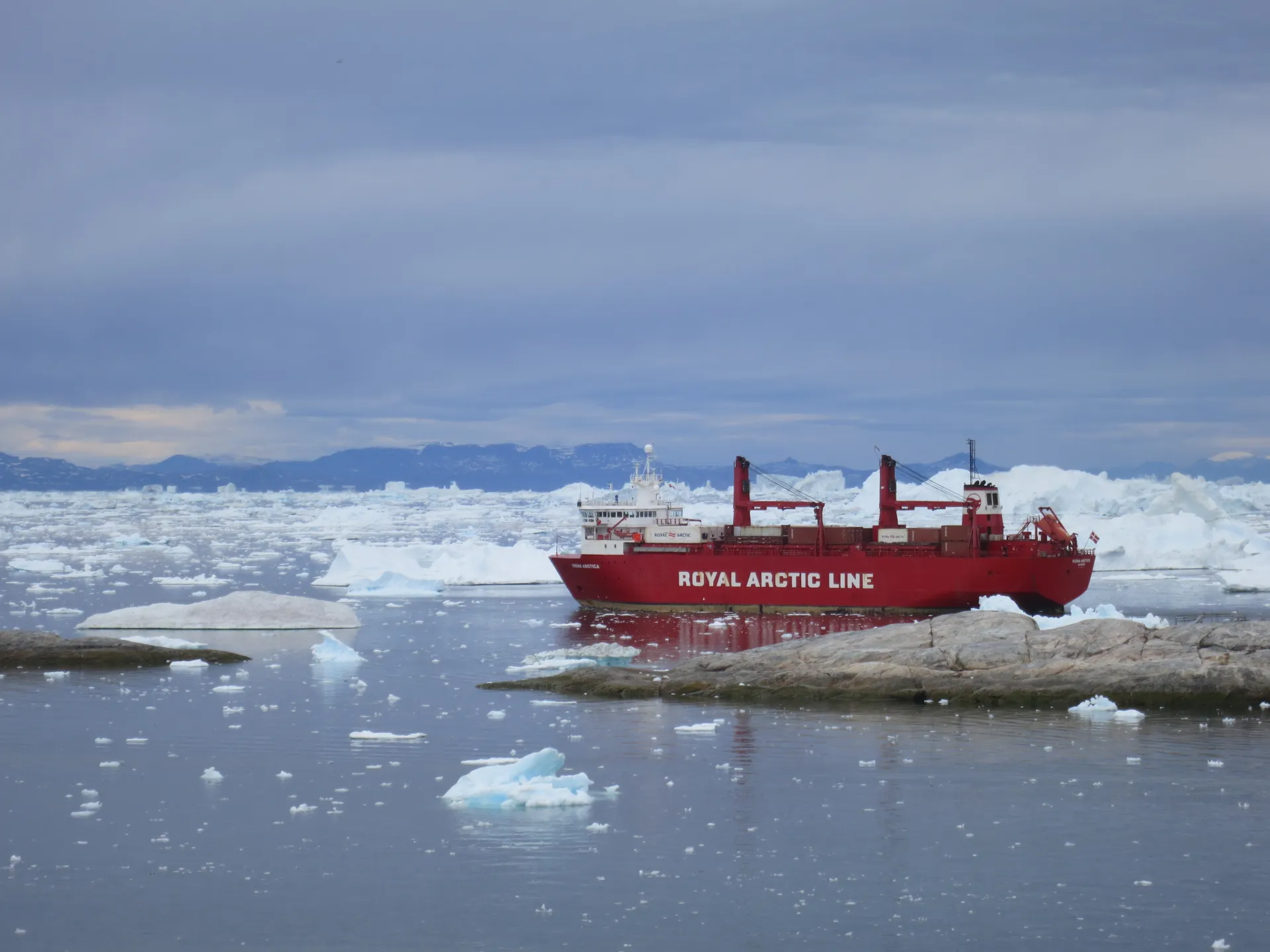
The movement of sea ice between Arctic countries is expected to significantly increase this century, raising the risk of more widely transporting pollutants like microplastics and oil, according to new research.
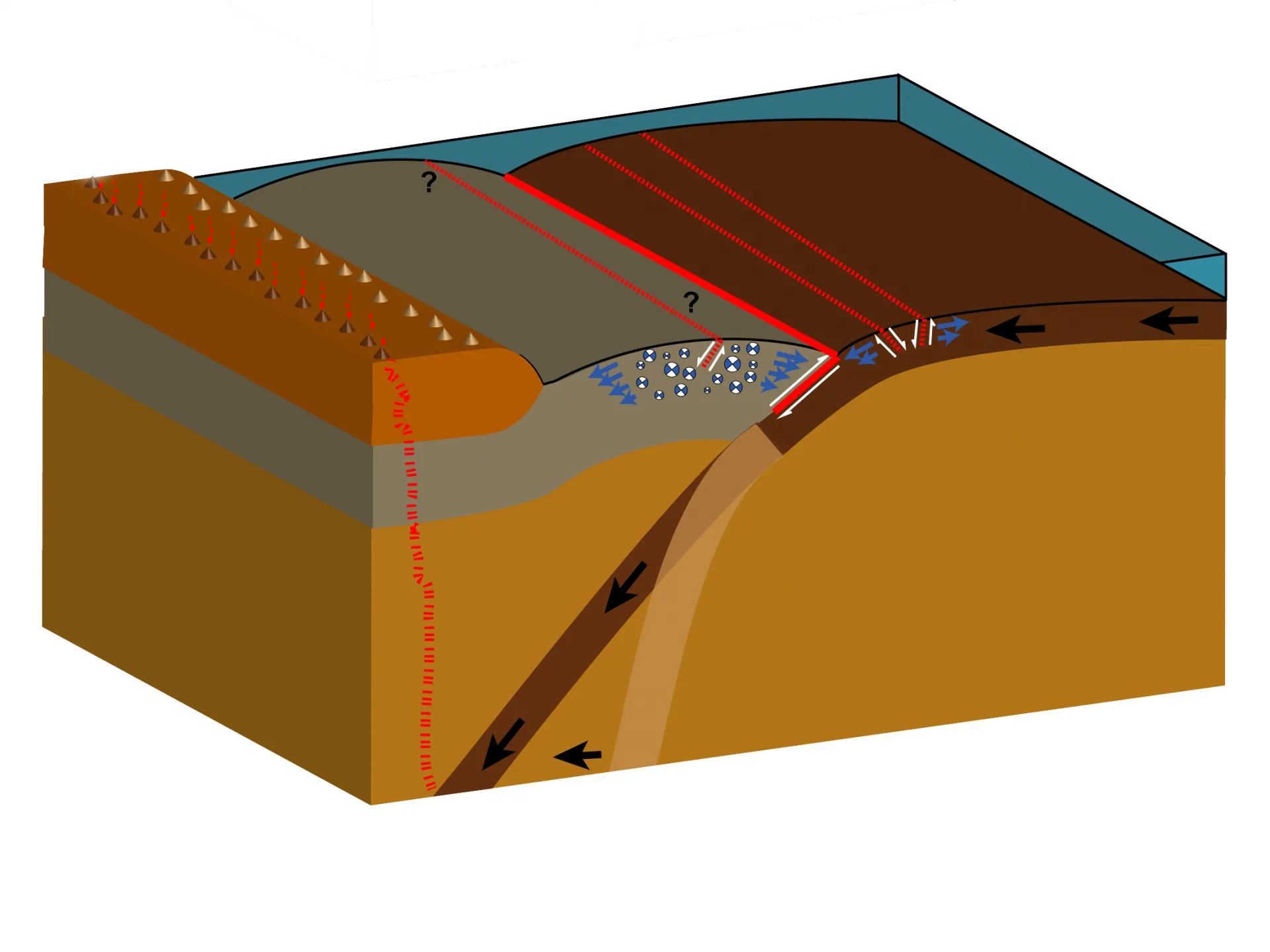
A new study looks at why the 2011 Tohoku tsunami off Japan was unexpectedly huge.
‘Deep Convection’ is a podcast about climate, science, and life.
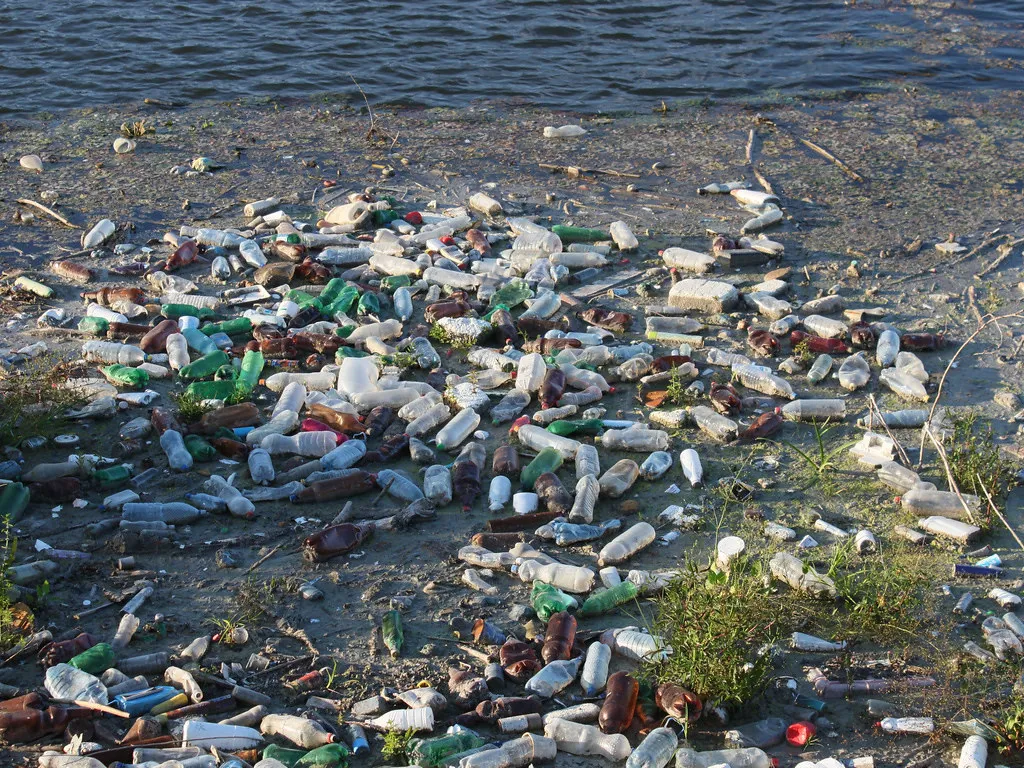
Fossil fuel companies are ramping up production of virgin plastics, with huge potential consequences for climate and the environment.
Now that the ‘Solid Carbon’ project has won a spot in the MacArthur foundation’s 100&Change competition, what’s next for carbon capture and storage?
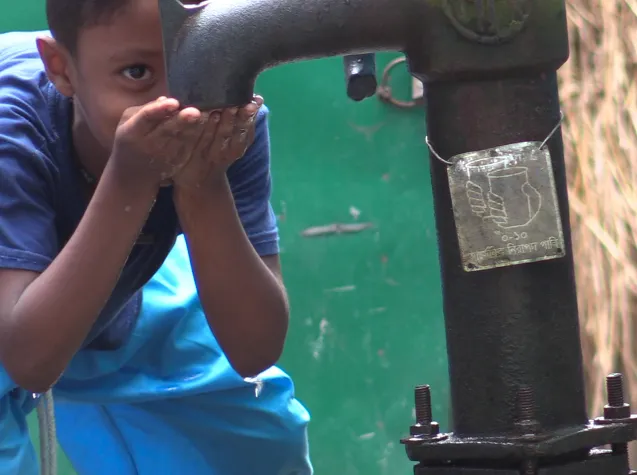
The three projects are among the top contenders in the 100&Change competition, selected from 755 proposals.
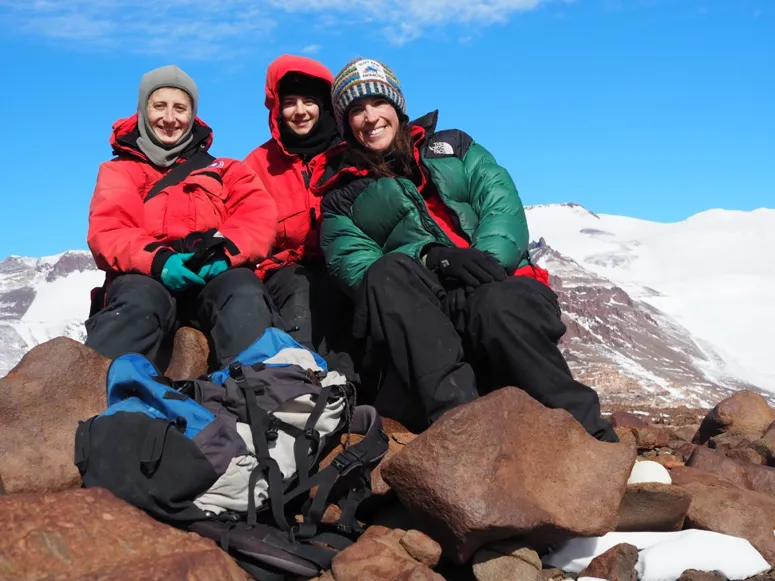
Women scientists play an essential role in the Earth Institute’s mission to understand how the planet works, how humans are changing it, and how to build a sustainable future.

In your Oscar speech, don’t just preach sustainability — wear it.