

Lamont in the Media
Earth & Climate Science News

Columbia students and faculty consider the lessons that can be learned from this year to move toward a more equitable and sustainable future.

Working across the university, the Earth Networks will focus on climate mobility, environmental justice, habitable planets, and sustainable food systems.

Eight opportunities for undergraduate, graduate and PhD students to intern in various departments and research centers across the Earth Institute.
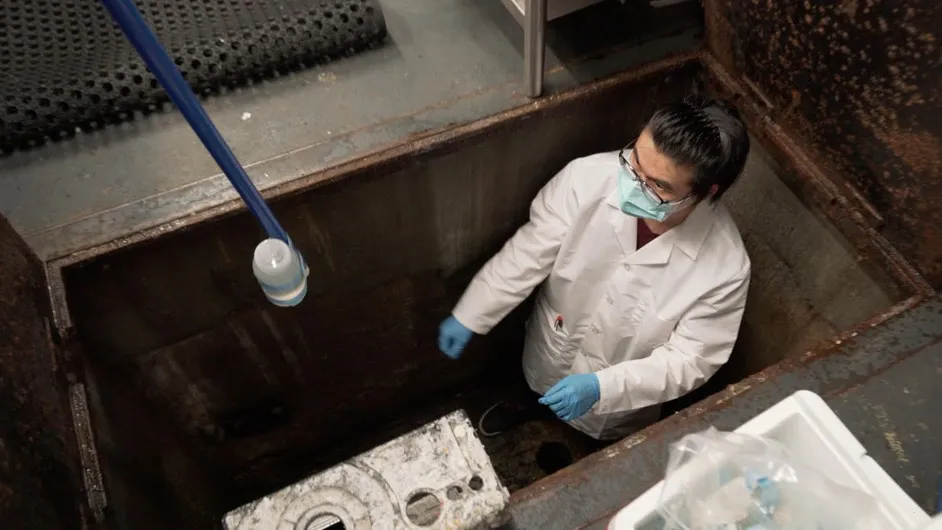
Undergraduates from Columbia and Barnard will be able to work with distinguished faculty on research projects related to sustainable development and the environment.

After following an exciting and unpredictable career path, Sweets is settling in as the data manager of a geoinformatics database at Lamont.
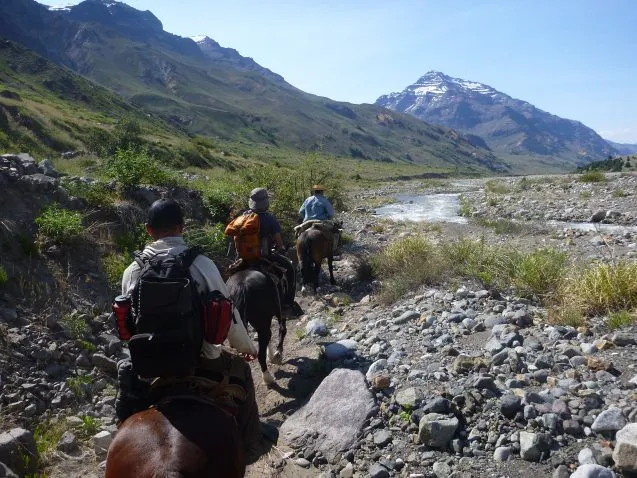
Glacial remains suggest that climate patterns in the southern hemisphere have been out of step with those in the north. Understanding why could help project the effects of modern climate change.
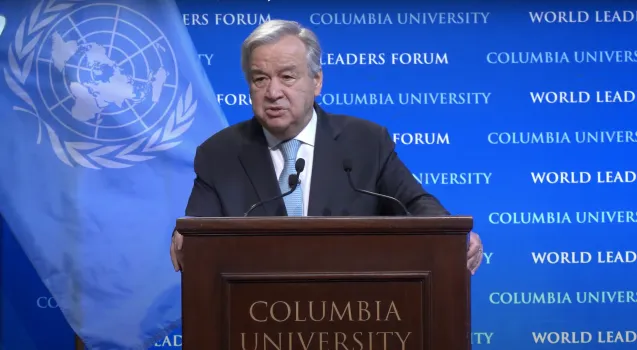
President Bollinger and Lamont-Doherty’s interim director underscore the university’s commitment to solving the climate crisis.
Out in the middle of the woods in New York’s exurbs, a hiker finds a TV antenna attached to a rotting oil drum. What is this?
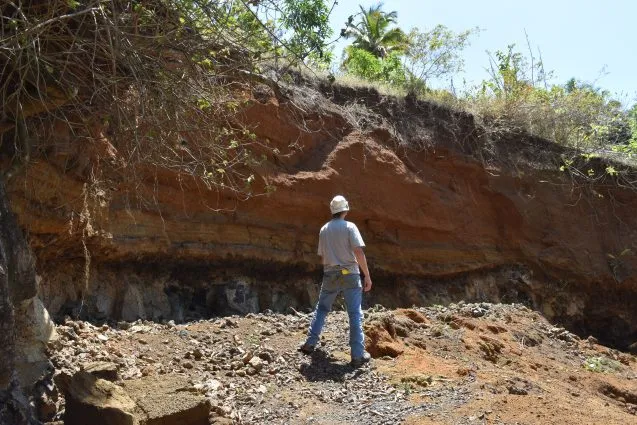
A guide to key talks and other events at the Dec. 1-17 virtual American Geophysical Union meeting.
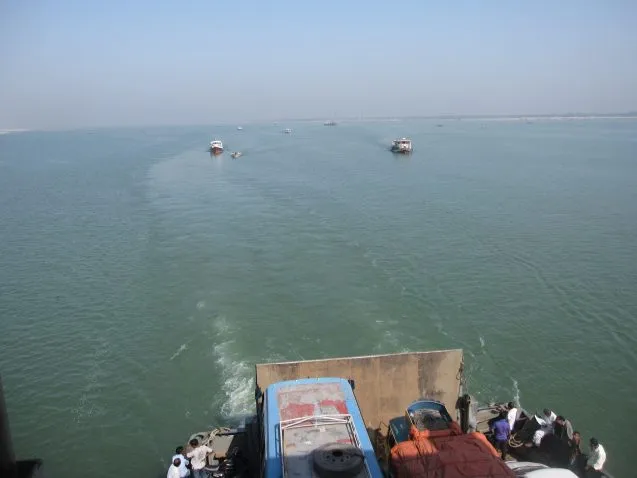
A new study looking at seven centuries of water flow in south Asia’s mighty Brahmaputra River suggests that scientists are underestimating the river’s potential for catastrophic flooding as climate warms.
Five women and three men were chosen by the U.S. president-elect to restore the world's most famous agency, counting on the support of the scientific community.
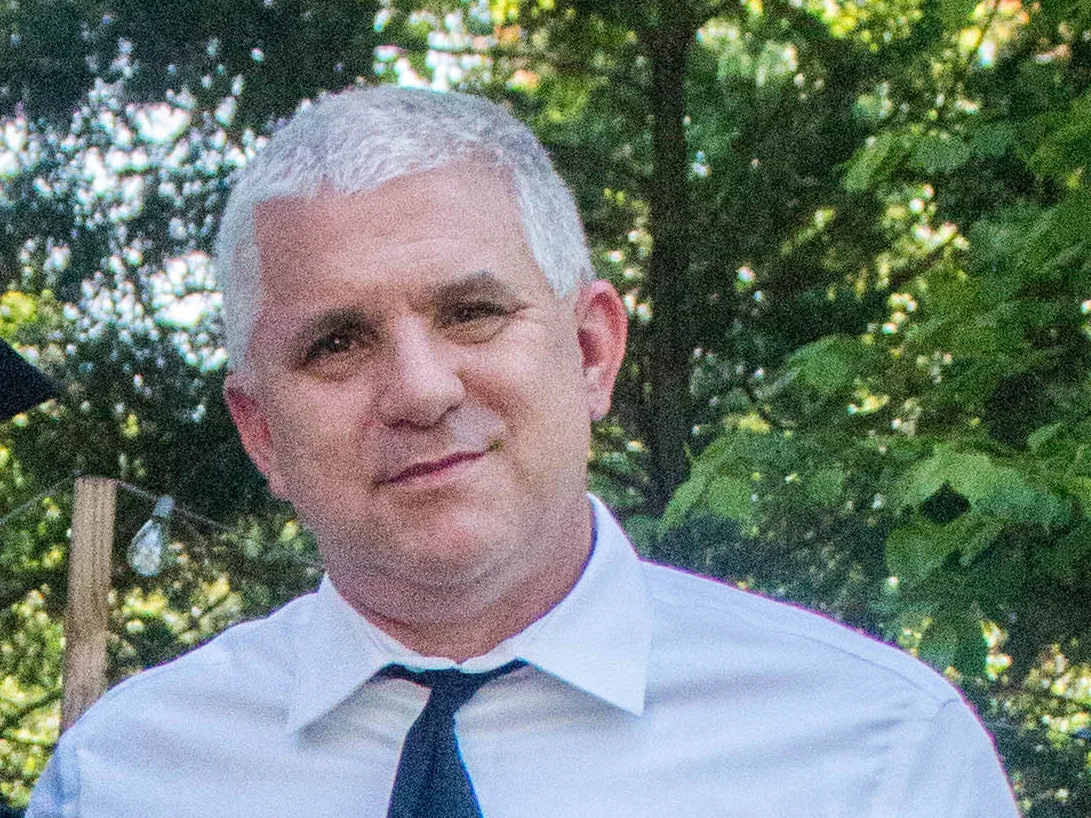
Andrew Reed is a dedicated family man, supportive foster parent and successful ski instructor. He has dedicated his career to the Earth Institute because of his passion for renewable energy.