
Lamont in the Media
Earth & Climate Science News
CO2 molecules make up only a small percentage of the atmosphere, but their impact on our climate is huge. The reason comes down to physics and chemistry.
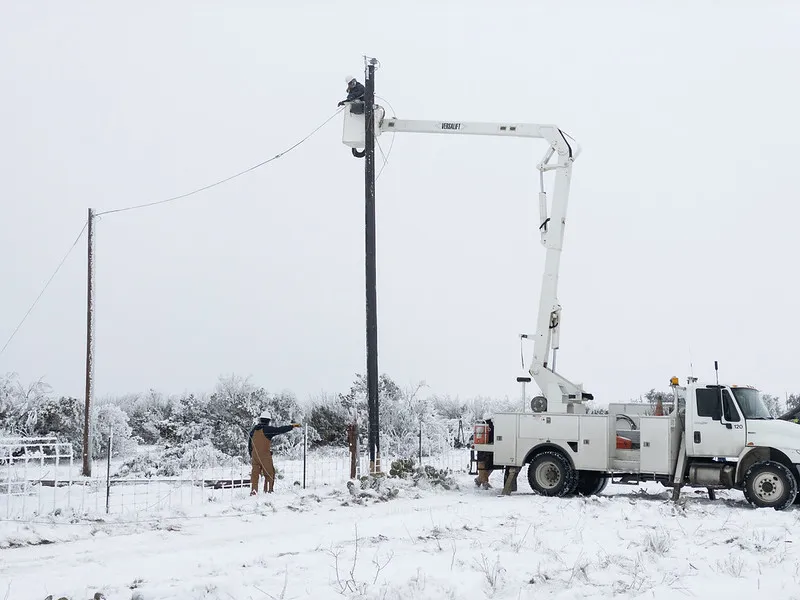
Is a failure of wind power really behind the blackouts? How can we make sure this doesn’t happen again? Earth Institute scholars have answers to these questions and more.
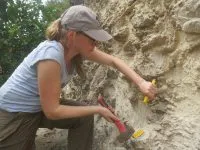
She studies Earth’s past warm periods to try to understand the future, and was just named a 2021 Sloan Research Fellow.
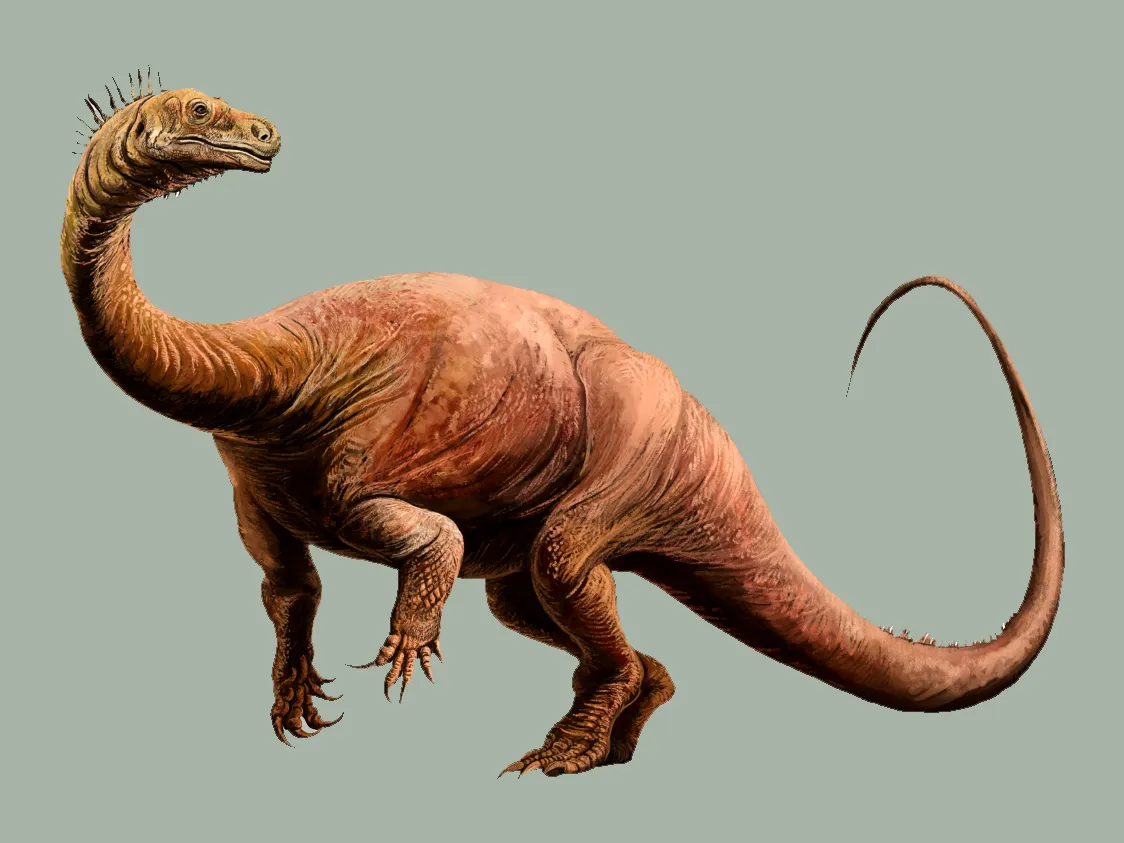
A new study identifies a climate phenomenon that may have helped sauropodomorphs spread northward across the Pangea supercontinent.
She’s trying predict fecal bacteria contamination of the river, and researching how environmental degradation disproportionately harms disadvantaged communities.

The doctoral candidate tells us about her research and some the challenges of being a woman of color in the sciences.
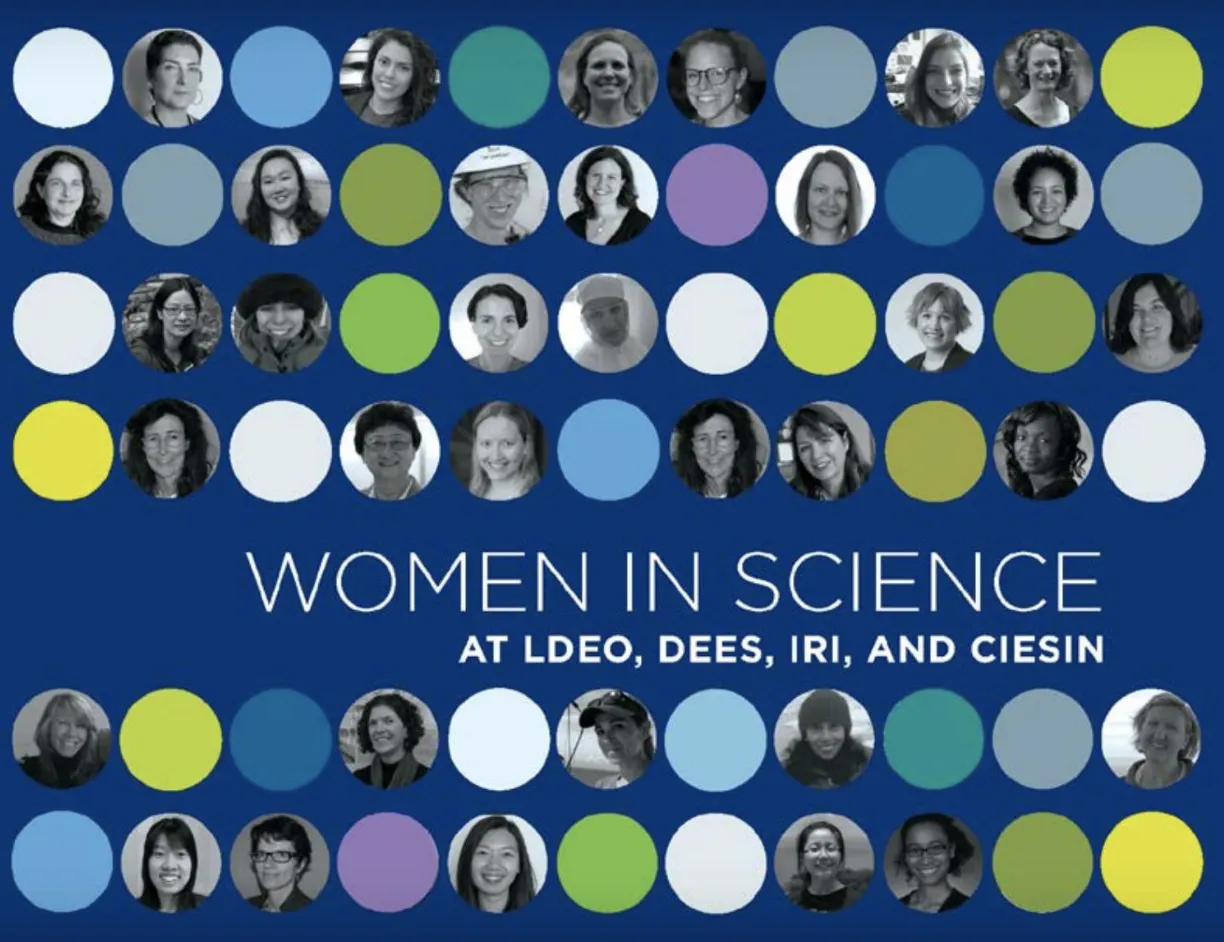
These women are helping to unravel the mysteries and mechanics of Earth.
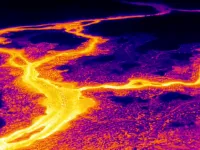
Volcanologist Einat Lev tackles reader questions and explains how more monitoring of volcanoes could save lives.
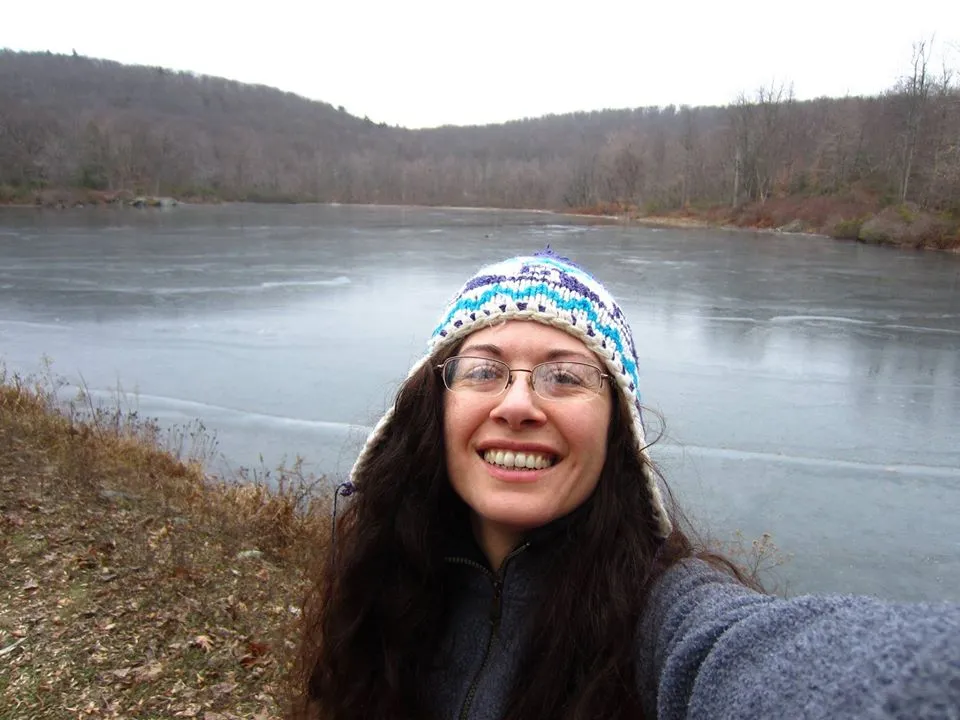
She takes care of hundreds of kilometers of deep-sea sediments that are invaluable to science, and recently received a mentorship award.
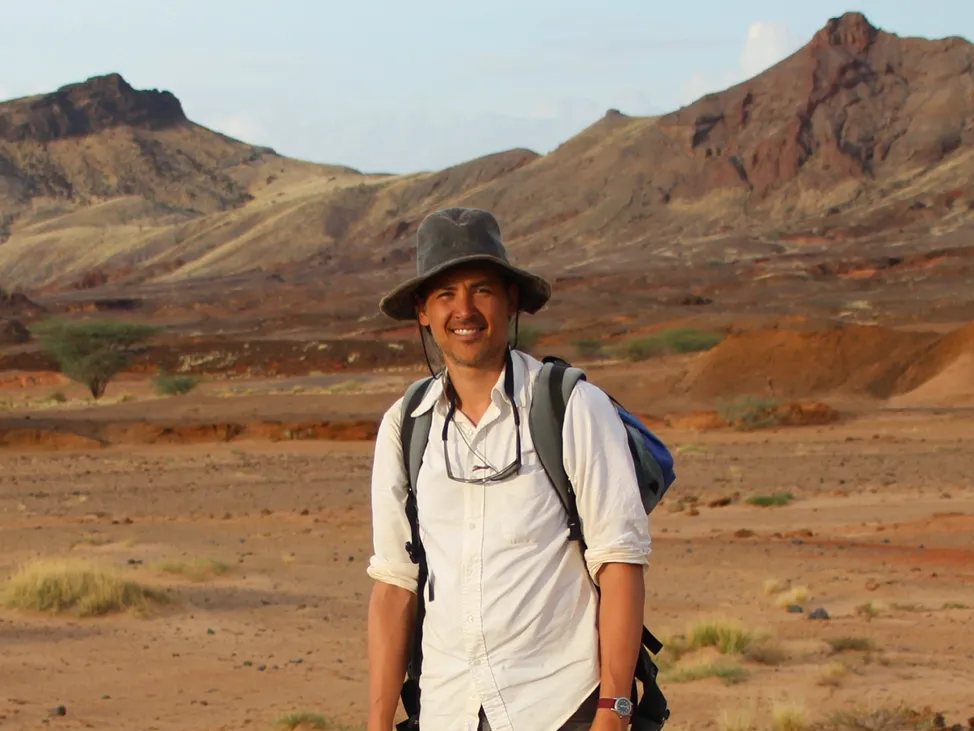
Paleoecologist Kevin Uno explains how humans have been adapting to changes in climate for thousands of years, and how we need to adapt now to protect our species’ future.
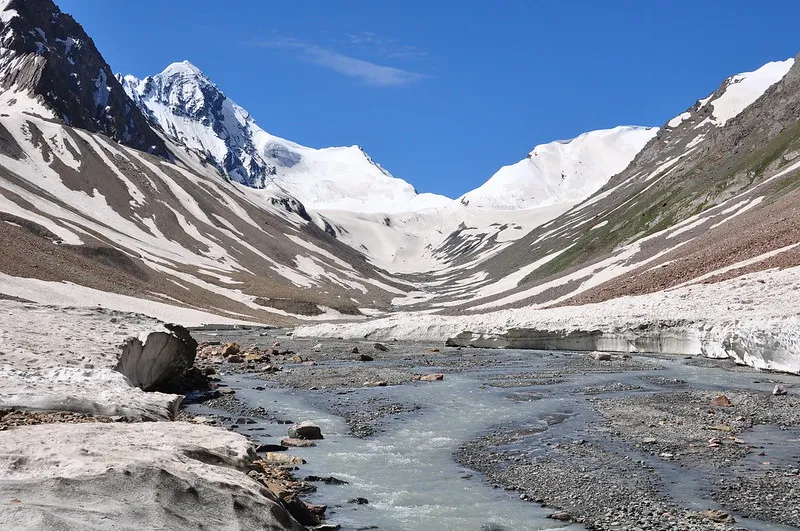
We’ve lost 28 trillion tons of ice globally in 24 years, from 1994 to 2017, and the implications for sea level rise could be significant.
Climate scientist Radley Horton tackles questions about climate tipping points, and how we can tip the scales in a safer direction.