
Photo Essay: Sculpting Tropical Peaks
Max Cunningham, a graduate student at Lamont-Doherty, traveled to Costa Rica’s Mount Chirripó this past summer to test the idea that mountain glaciers carved the summit we see today. He and his colleagues hope to eventually pin down when Chirripó’s high-elevation valleys eroded into their current form. Check out a recap of their 2014 field season.
Image Carousel with 10 slides
A carousel is a rotating set of images. Use the previous and next buttons to change the displayed slide
-
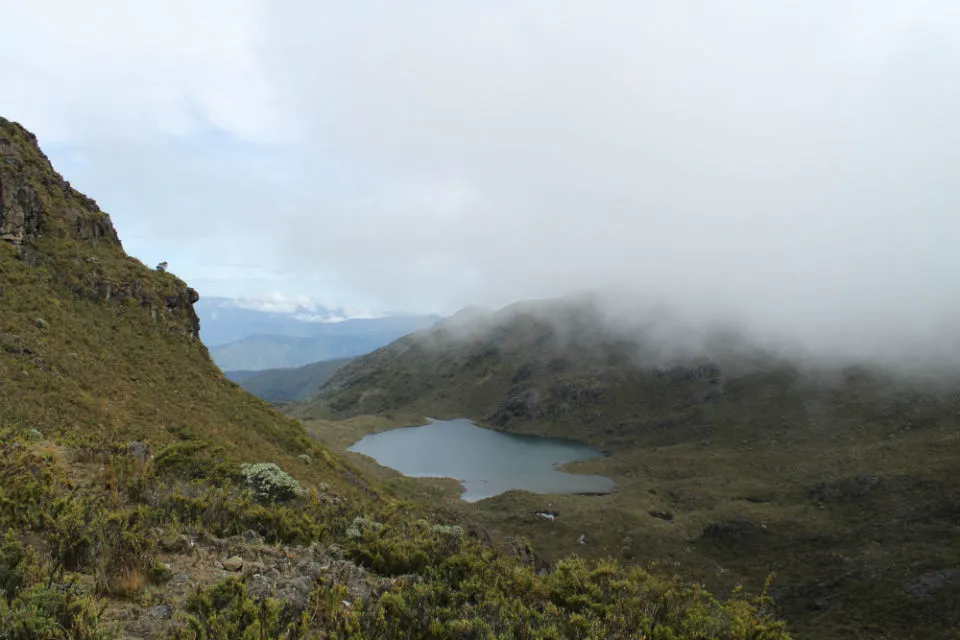
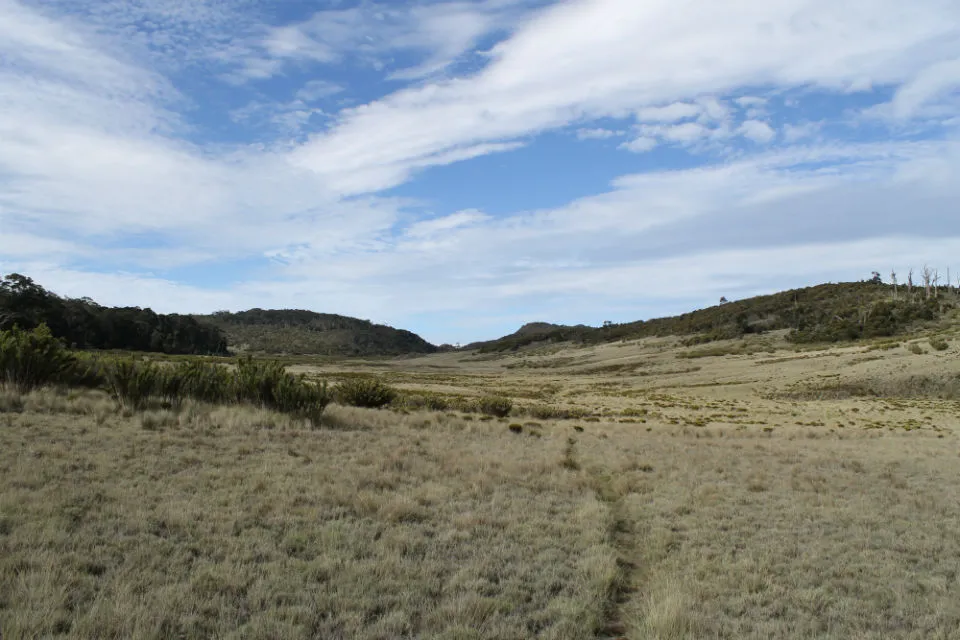
Slide 1: When glaciers retreated from Mount Chirripó at the end of the last ice age some 12,000 years ago, they left behind rocks and debris that formed a natural dam, allowing meltwater to collect and form a lake. This glacial lake at Valle de los Lagos s
-
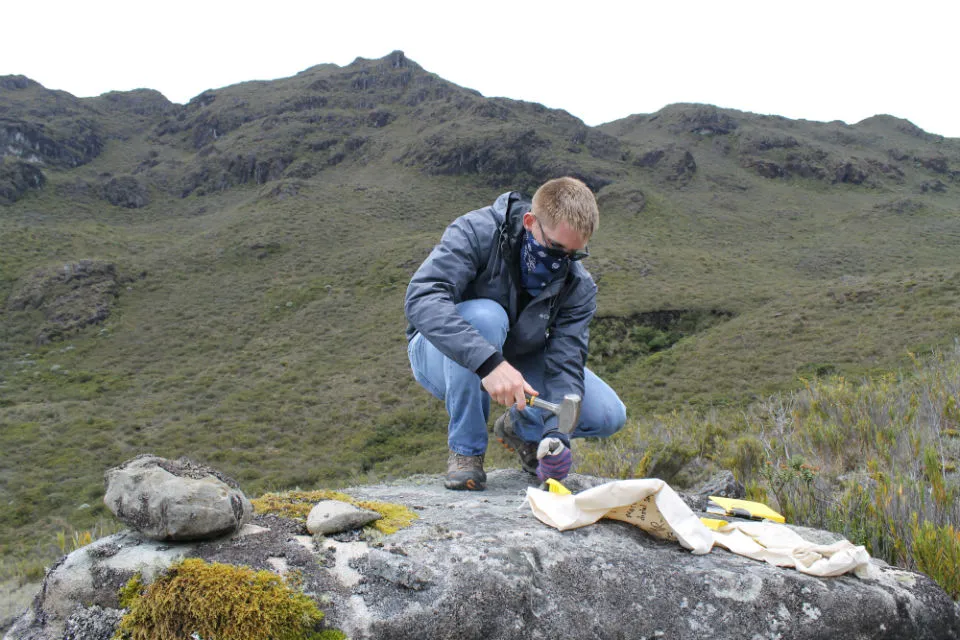
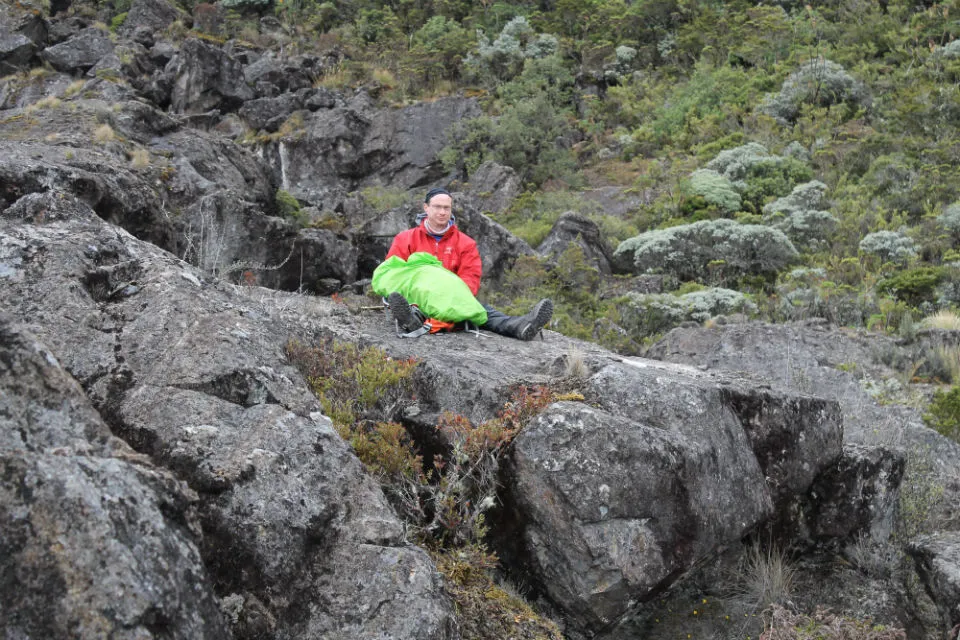
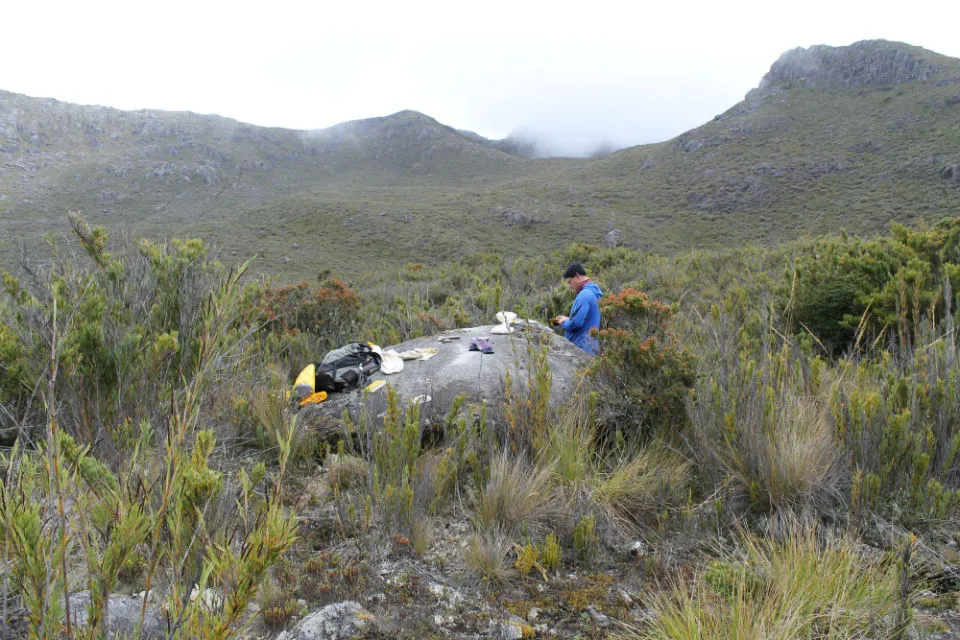
Slide 2: With a hammer, chisel and bandanna to protect his face from shattering rock, Cunningham chipped away at a boulder left by a receding glacier. Beryllium isotopes in the rock can reveal when the ice withdrew, exposing the rockâs surface to cosmoge
-
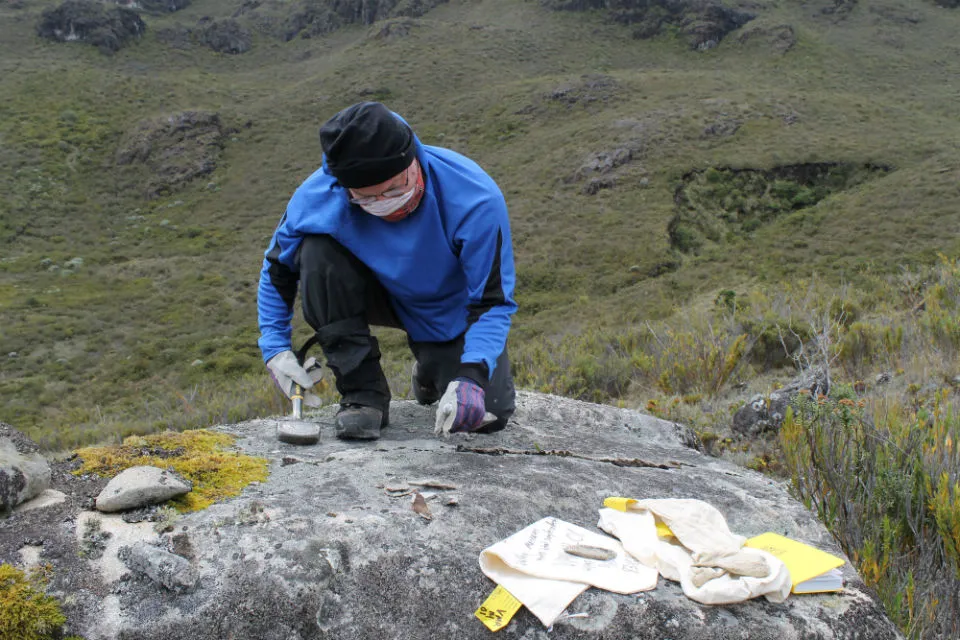
Slide 3: Two pounds of rock fragments chiseled from the surface of each boulder yields 30 grams of quartz in the lab from which millions of beryllium-10 atoms will be extracted.
-
Slide 4: Knowing when glaciers last retreated from Chirripó can help scientists pinpoint when the low-sloping âcirqueâ valleys just below Chirripóâs summit formed, and ultimately, how glacial landscapes erode generally. Cunningham and Kap
-
Slide 5: They stumbled on some landslides by chance. Others were identified earlier with the help of their Lamont colleague Colin Stark, an expert in using earthquake data and satellite images to discover landslides in remote places. Picking through dense sh
-
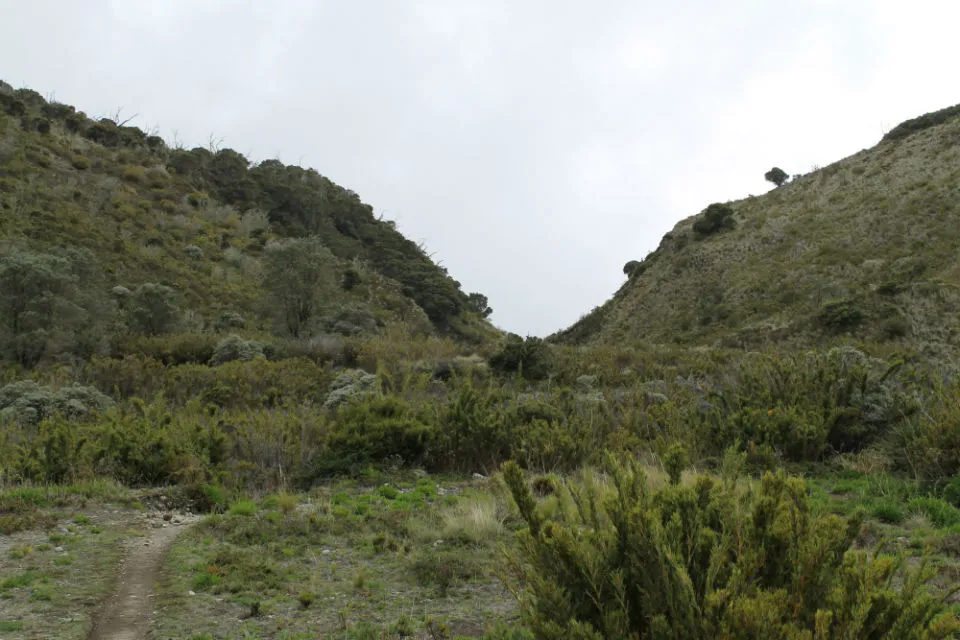
Slide 6: Glaciers carve out the landscape as they grow and shrink leaving a classic âUâ shape on the landscape as seen here in Talari Valley.
-
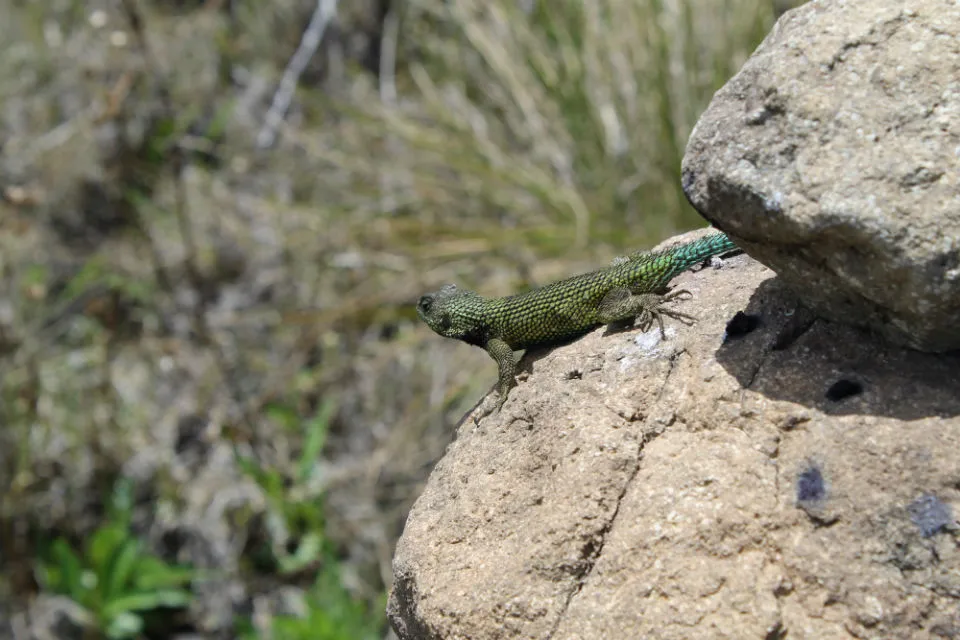
Slide 7: Most of the animals on Chirripó are nocturnal, but when the sun comes out after the daily burst of rain, lizards like this one join the geologists on the rocks.
-
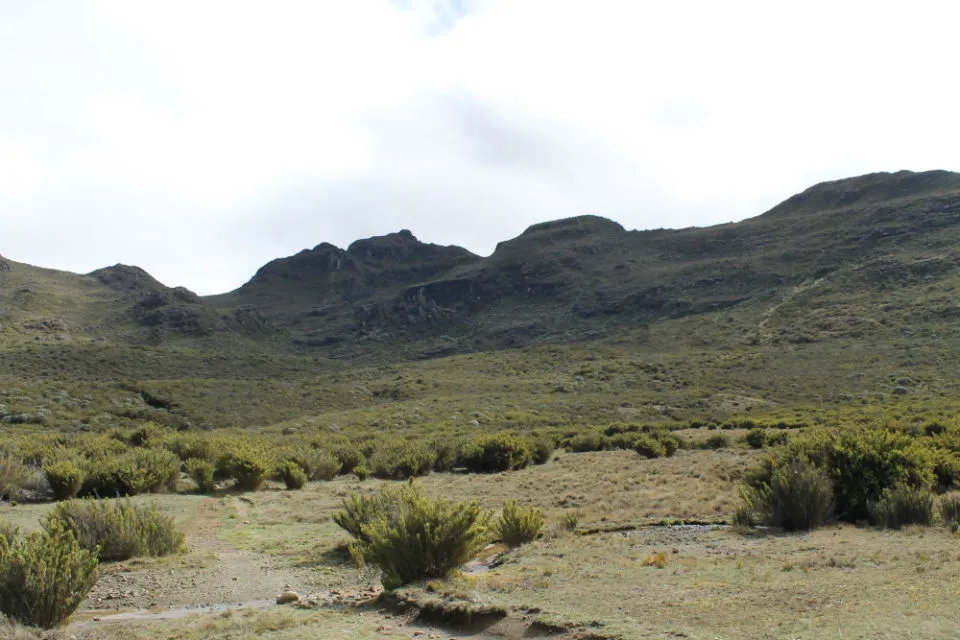
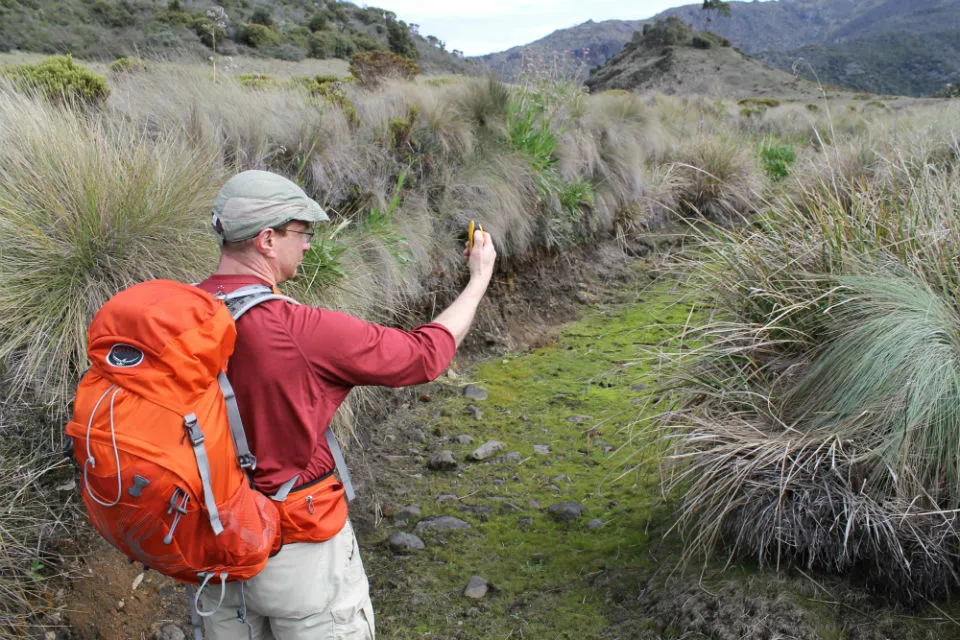
Slide 8: In one low-sloping valley they discovered a winding streambed paved in sharp cobble stones. The stonesâ angular edges suggest they experienced minimal erosion after a landslide or eroding glacier dropped them here.
-
Slide 9: In another spectacular landscape translating to âValley of the Lions,â they discovered a stone marker where a man, according to the inscription, had been killed by a mountain lion in 1956. They looked for material to date this ancient valle
-
Slide 10: As they analyze their rocks in the lab, Kaplan and Cunningham will look for evidence that the ice grew and retreated multiple times. They also hope to understand the processes that created the low-angle summit valleys they visited. Were the valleys e
Tropical mountain ranges erode quickly, as heavy year-round rains feed raging rivers and trigger huge, fast-moving landslides. Rapid erosion produces rugged terrain, with steep rivers running through deep valleys. However, in a number of tropical mountain ranges, landscapes with deep, steep valleys transition quickly into landscapes with low-sloping streams and gentle slopes at high elevations. This topographic contrast between high and low elevations poses a problem for geologists. Though heavy rains fall throughout the mountain range, erosion seems to sculpt parts of the mountain differently from others.
Mount Chirripó, Costa Rica's highest peak, bears exactly this type of terrain, with flat valleys at high elevation capping rugged valleys below. The beveled summit of Mount Chirripó bears striking resemblance to summits as far away as Taiwan, Papua New Guinea and Uganda. Some geologists think that tectonic forces deep below earth's surface pushed Chirripó into its flat-topped form about 2.5 million years ago. Others think glaciers did the work, sculpting the peak in over hundreds of thousands of years.
Max Cunningham, a graduate student at Columbia University's Lamont-Doherty Earth Observatory, traveled to Chirripó this past summer to test the idea that mountain glaciers carved the summit we see today. Working with his adviser Colin Stark, a geomorphologist, and Michael Kaplan, a geochemist, both at Lamont-Doherty, Cunningham chiseled away samples of glacial debris to take home for analysis. The researchers hope to eventually pin down when the high-elevation valleys capping Mount Chirripó's summit eroded into their current form. Read more about their work in the above slideshow.
Photos by Max Cunningham unless otherwise credited.