
Plankton Monitoring
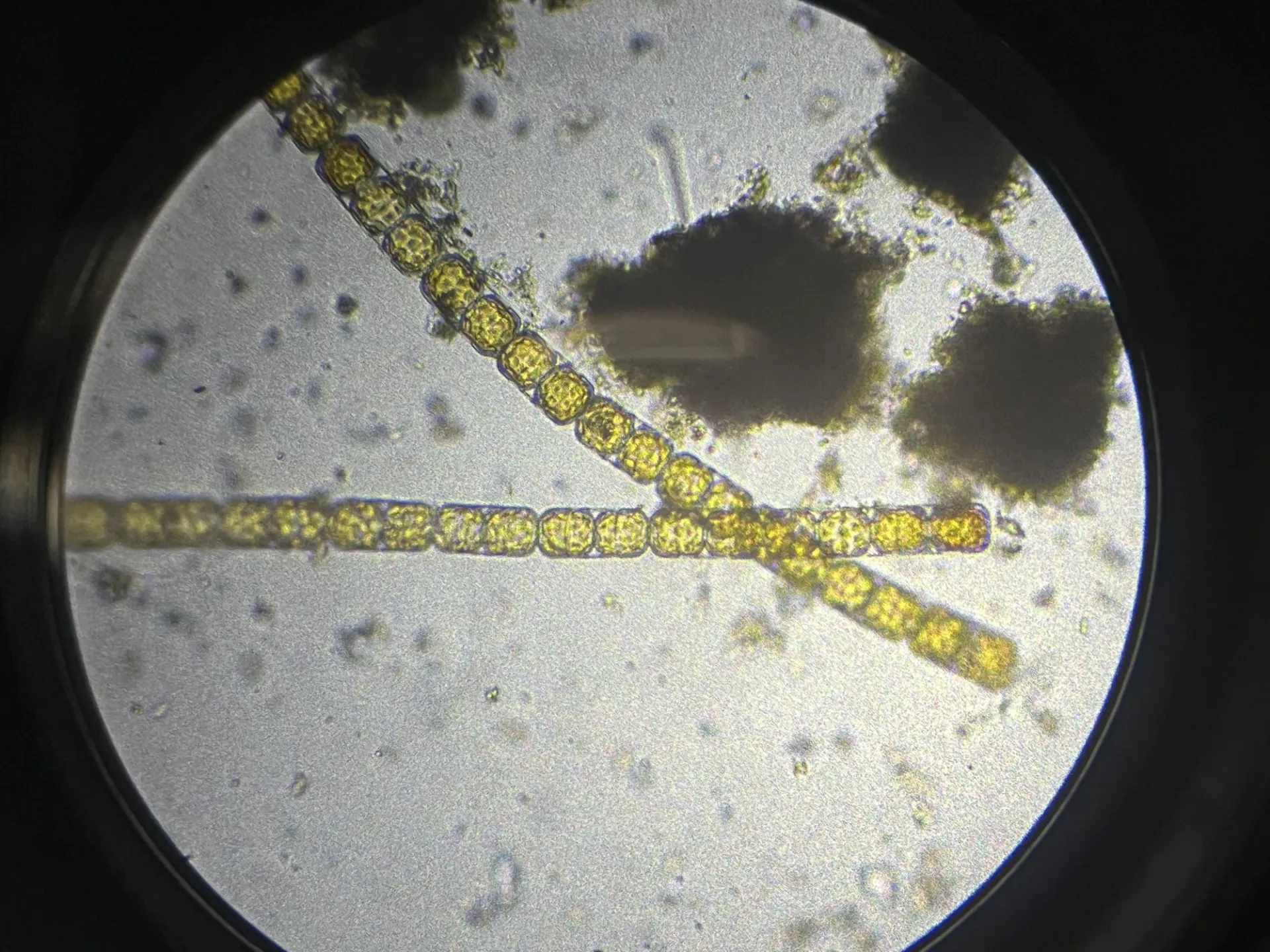
Plankton are microscopic organisms that can be found in the world's oceans, lakes, estuaries, and rivers. Though small, they play a massive role in the Earth's ecosystem. There are two categories of plankton: phytoplankton and zooplankton. Phytoplankton are primary producers in an estuary. They are the aquatic meadows for small consumers and herbivorous fishes, such as menhaden, herring, and bay anchovy. Phytoplankton, through photosynthesis, convert light energy into chemical energy. During photosynthesis they take up carbon dioxide and release oxygen. Zooplankton are microscopic animals found in all aquatic habitats, but they are most numerous in coastal and estuarine environments. The zooplankton community of the Hudson estuary is diverse and includes copepods, water fleas, young snails, young barnacles, etc. These organisms play an important role in estuarine food webs by forming a link between the primary food sources and secondary consumers.
Despite their small size, phytoplankton and zooplankton play a vital role in the Hudson Estuary ecosystem as a source of nutrients and food for small fish, crustaceans, and the broader food web. The plankton community in the Hudson is dynamic, with certain species dominating at different times of the year. The plankton community in the brackish zone of the Hudson Estuary has not been well studied and there is still much to learn about the trends and seasonality of zooplankton and phytoplankton in the brackish environments. Community scientists will help to increase understanding of the plankton community and how it changes throughout the year and investigate how environmental conditions such as water temperature and salinity impact which species are present.
Learn more about the plankton of the Hudson Below!
Image Carousel with 19 slides
A carousel is a rotating set of images. Use the previous and next buttons to change the displayed slide
-
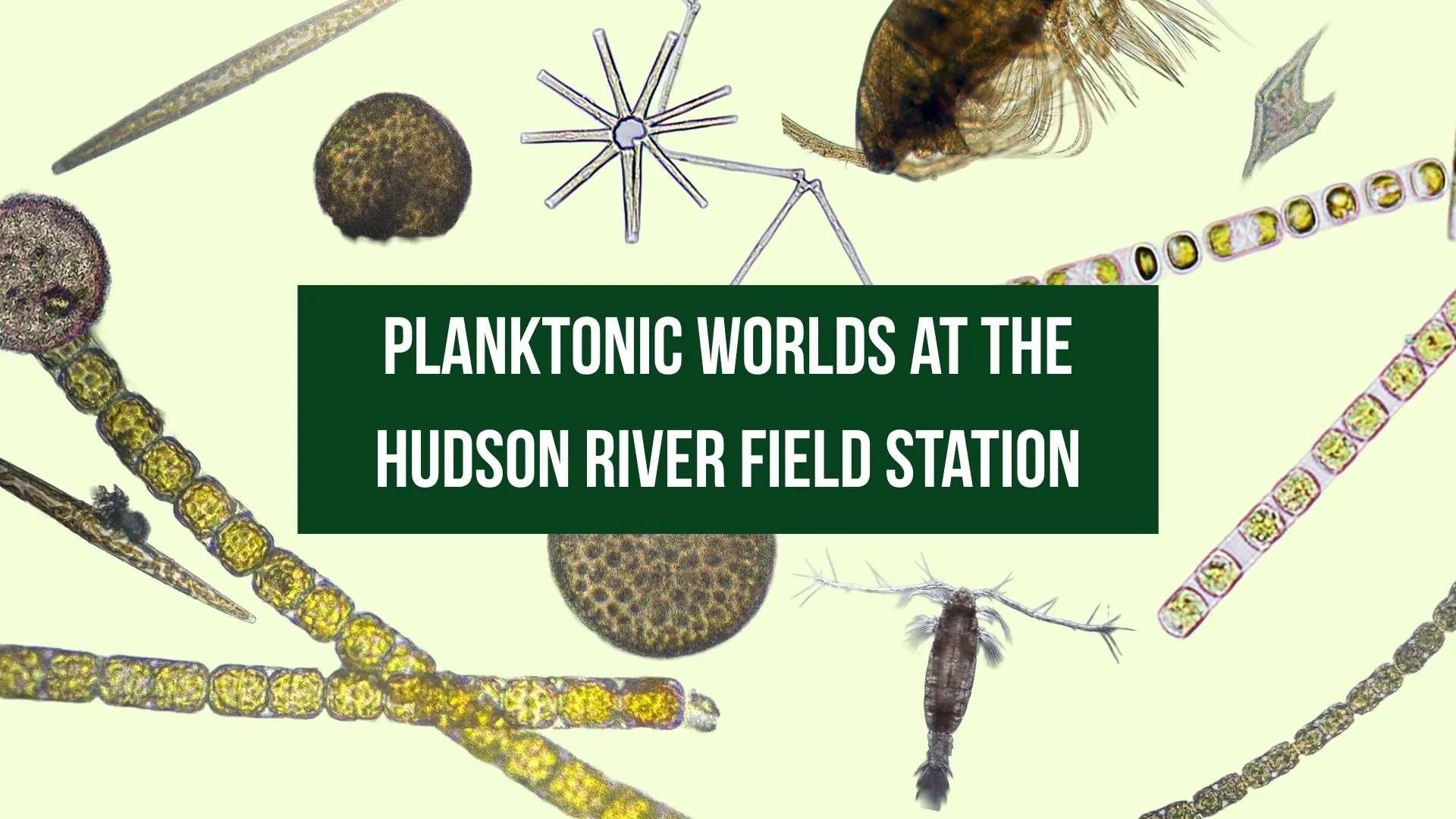
Slide 1: Introduction to Planktonic Worlds at the Hudson River Field Station
-
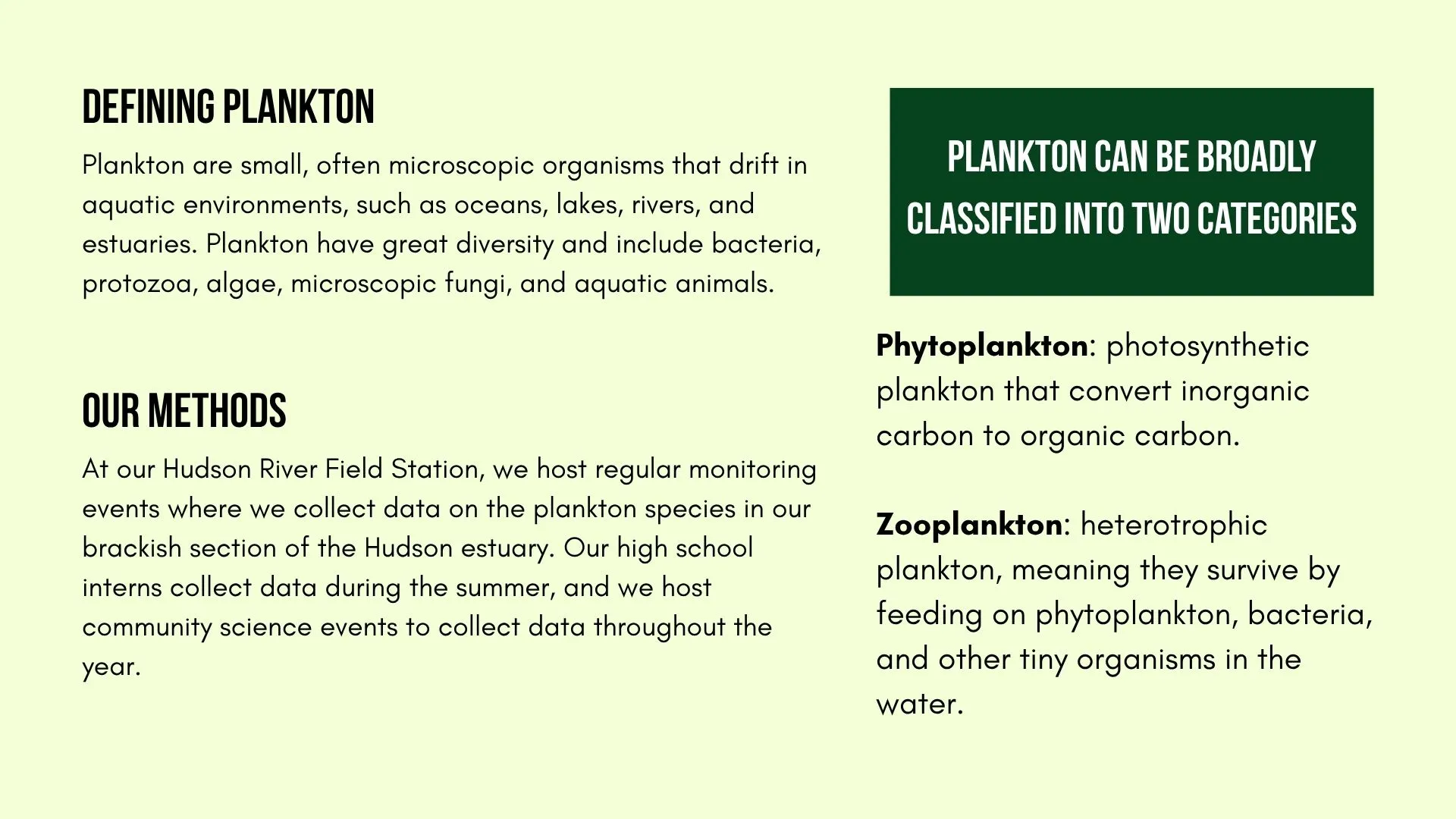
Slide 2: How to Define Plankton
-
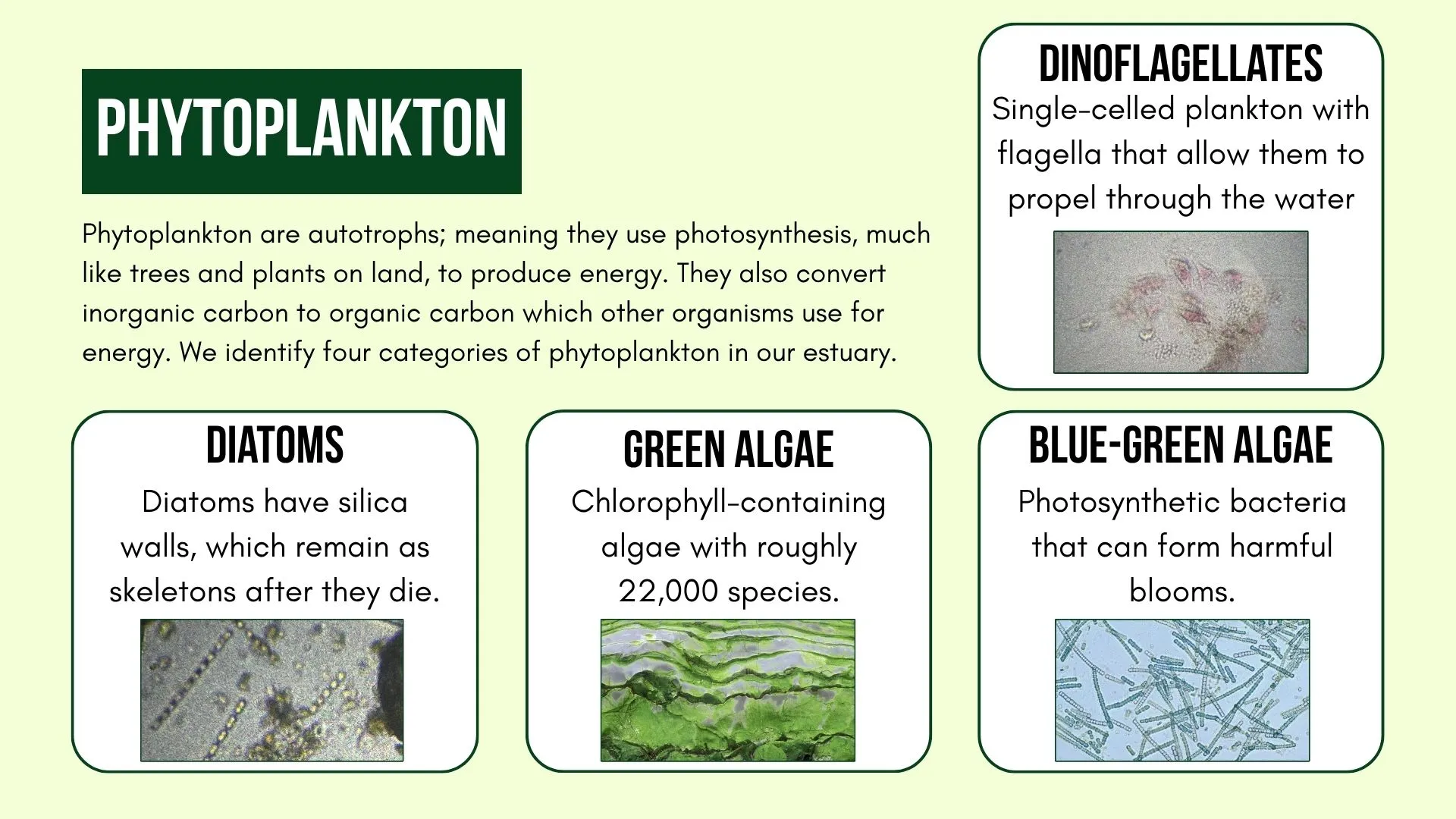
Slide 3: Types of Phytoplankton
-
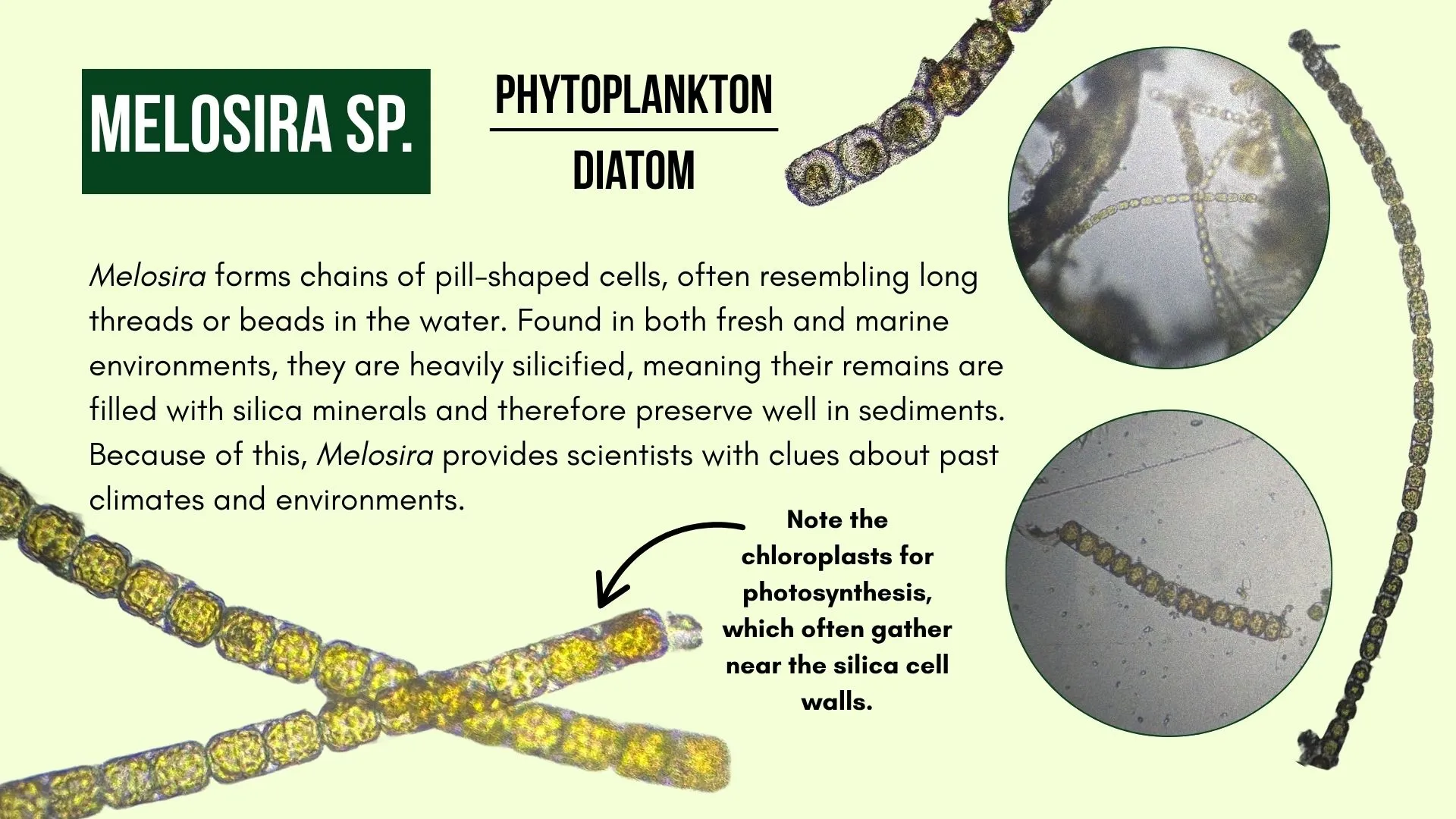
Slide 4: Phytoplankton: Melosira sp.
-
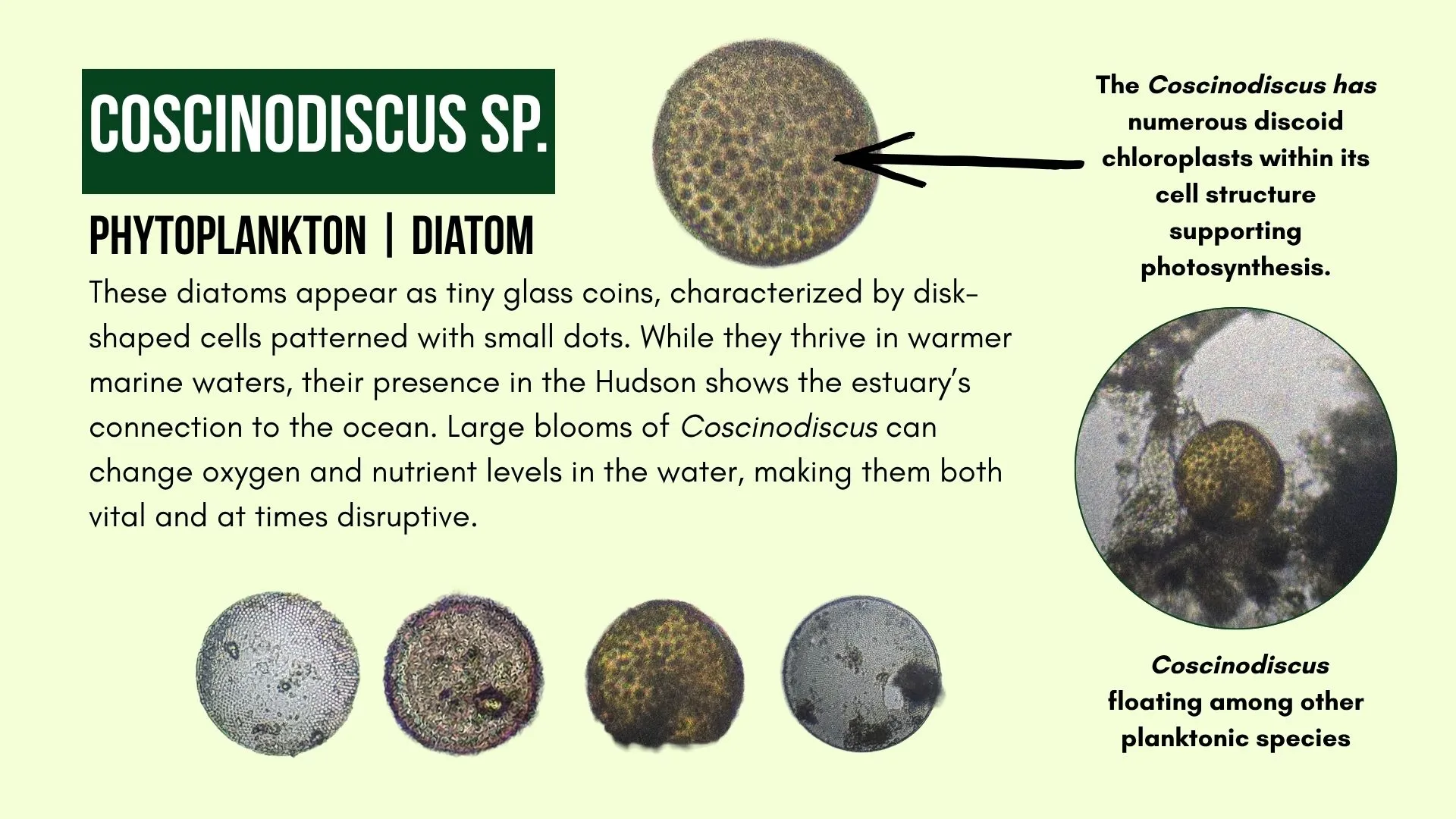
Slide 5: Phytoplankton: Coscinodiscus sp.
-
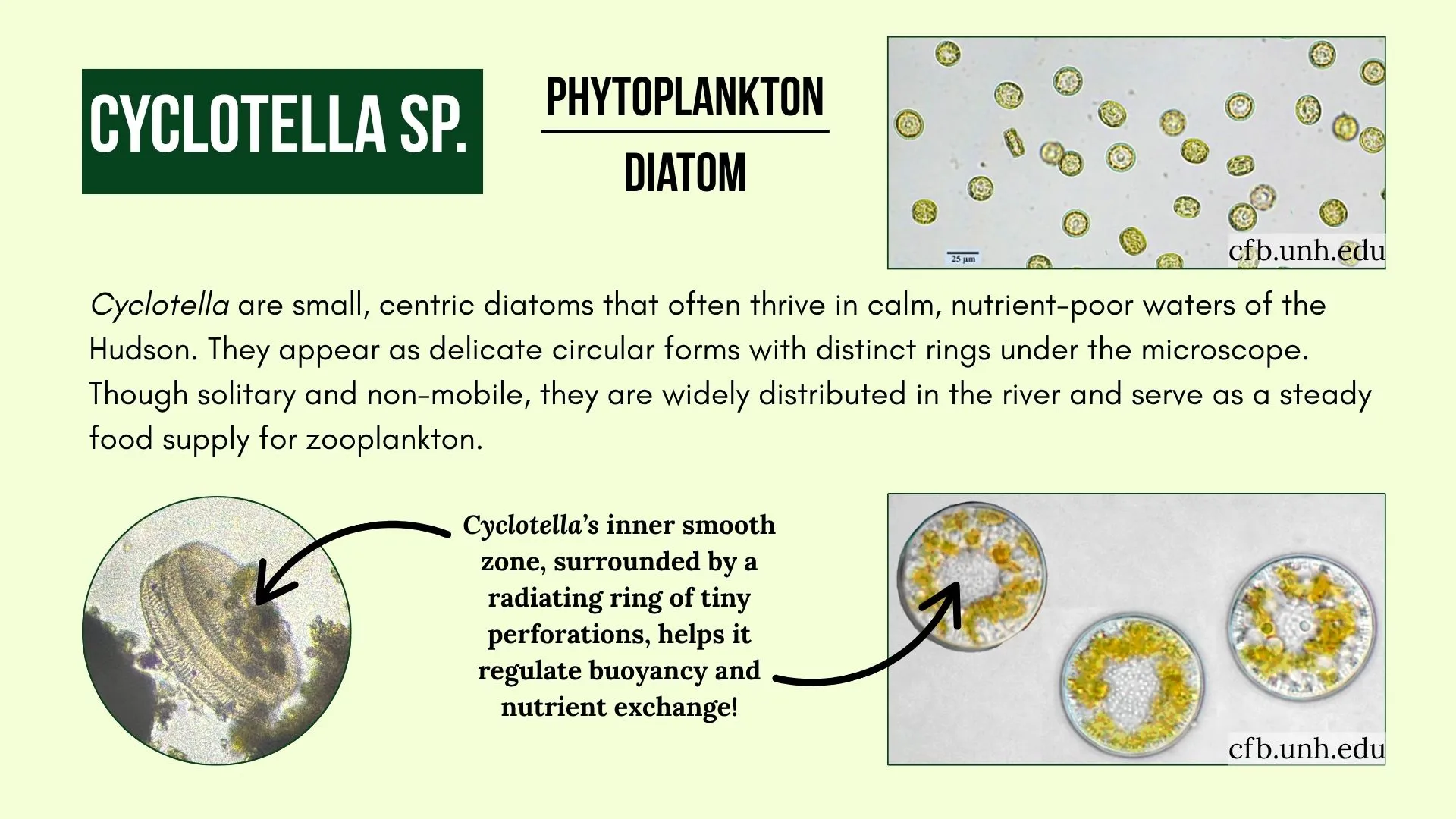
Slide 6: Phytoplankton: Cyclotella sp.
-
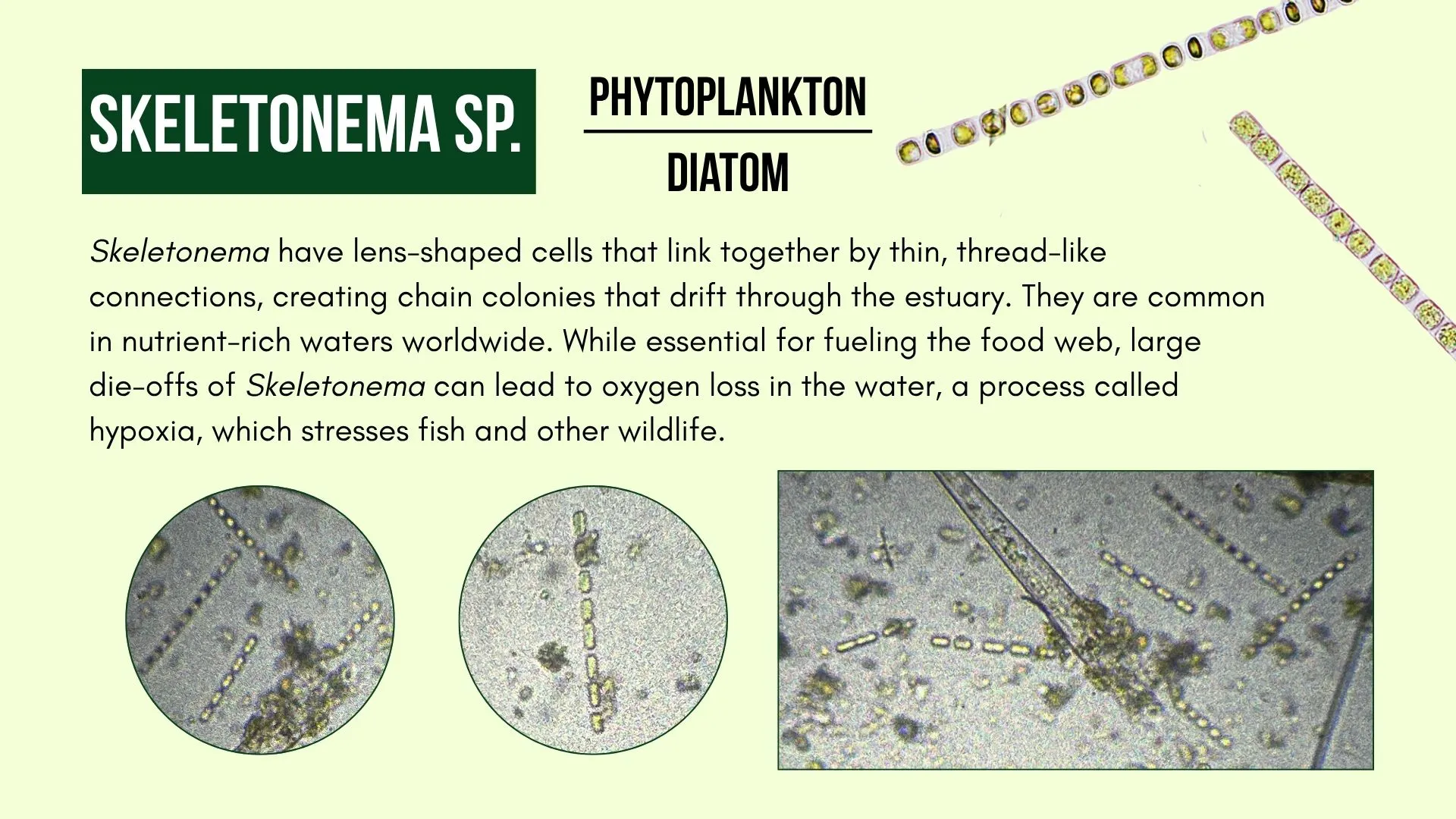
Slide 7: Phytoplankton: Skeletonema sp.
-
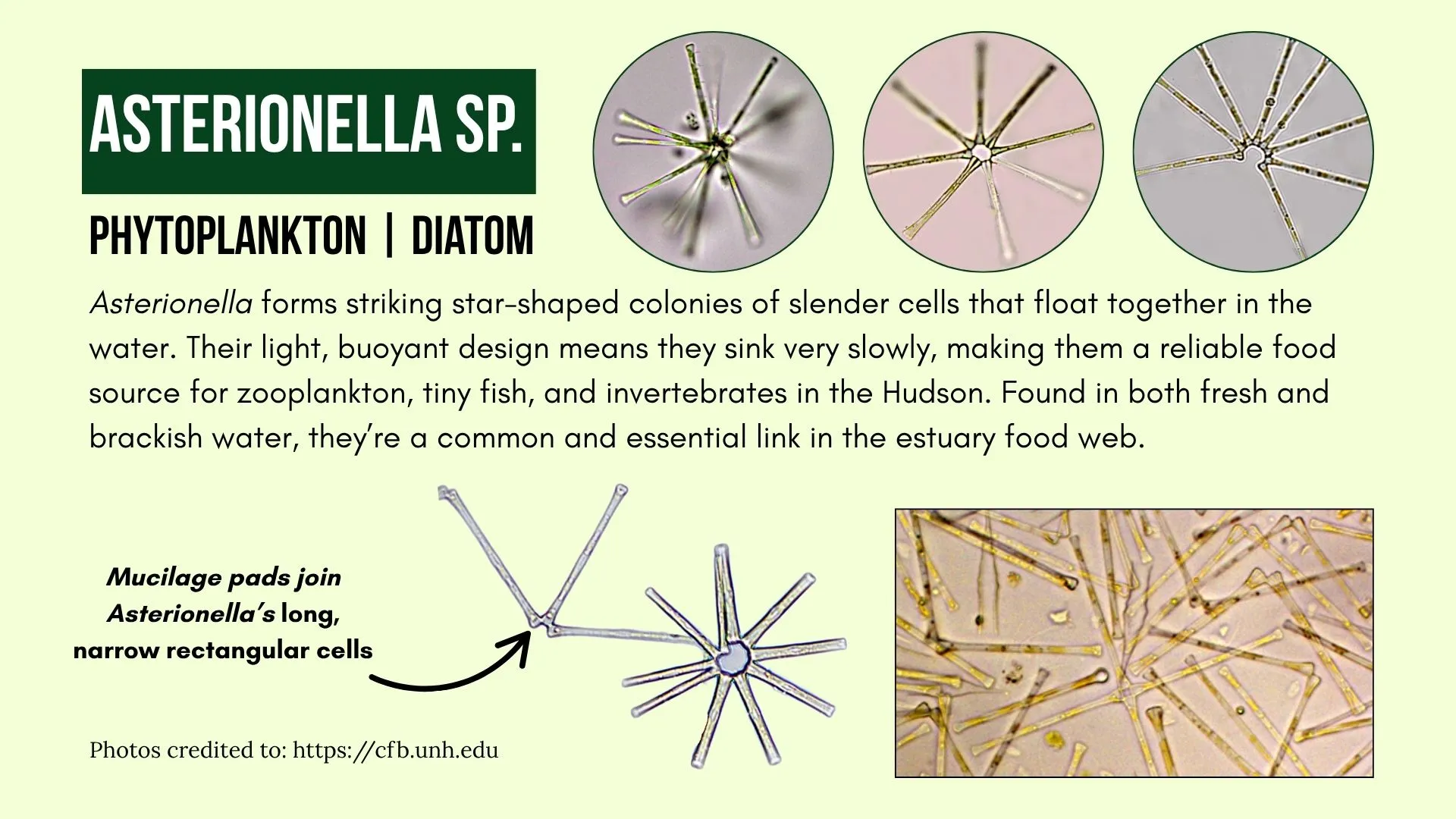
Slide 8: Phytoplankton: Asterionella sp.
-
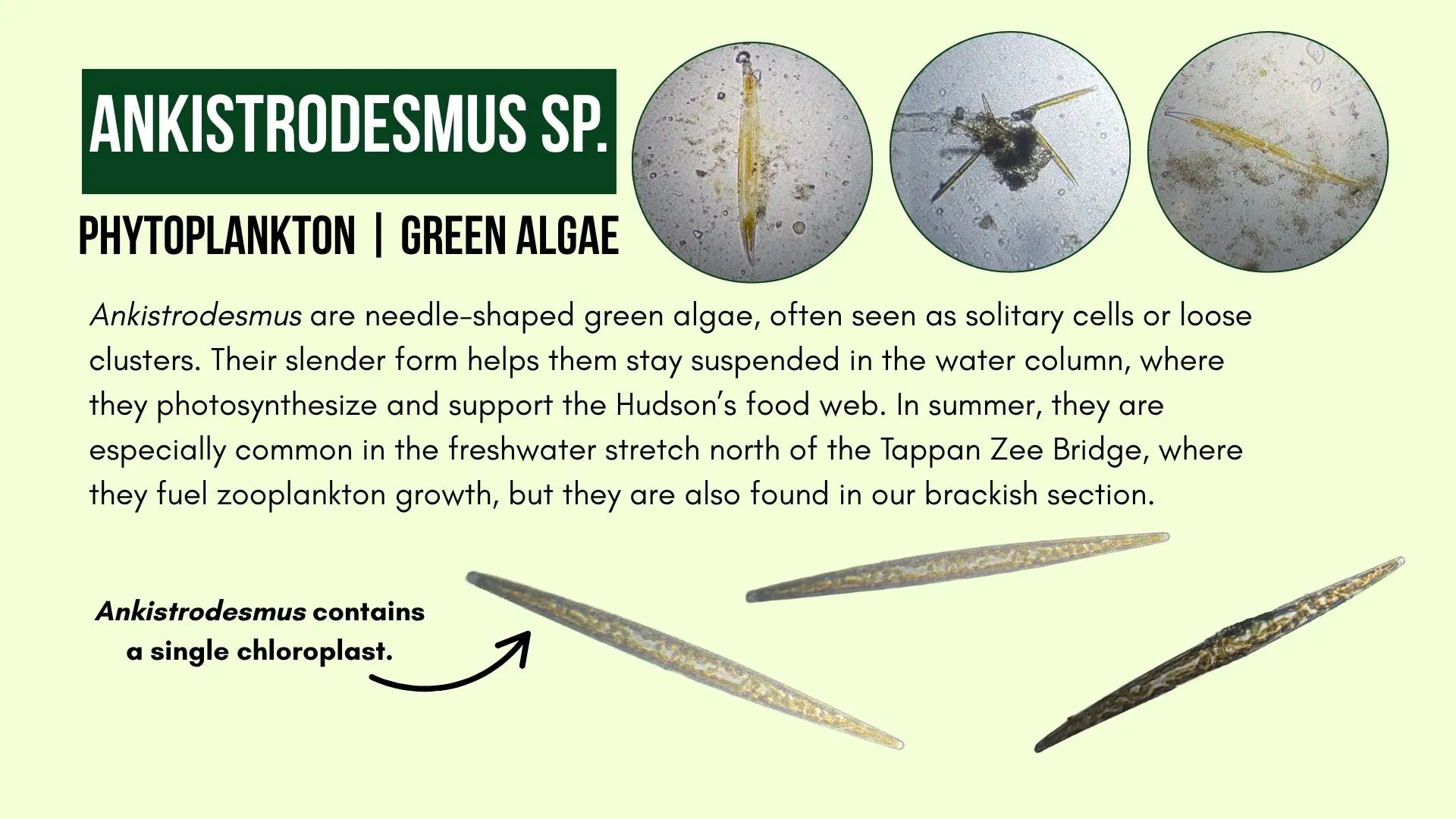
Slide 9: Phytoplankton: Ankistrodesmus sp.
-
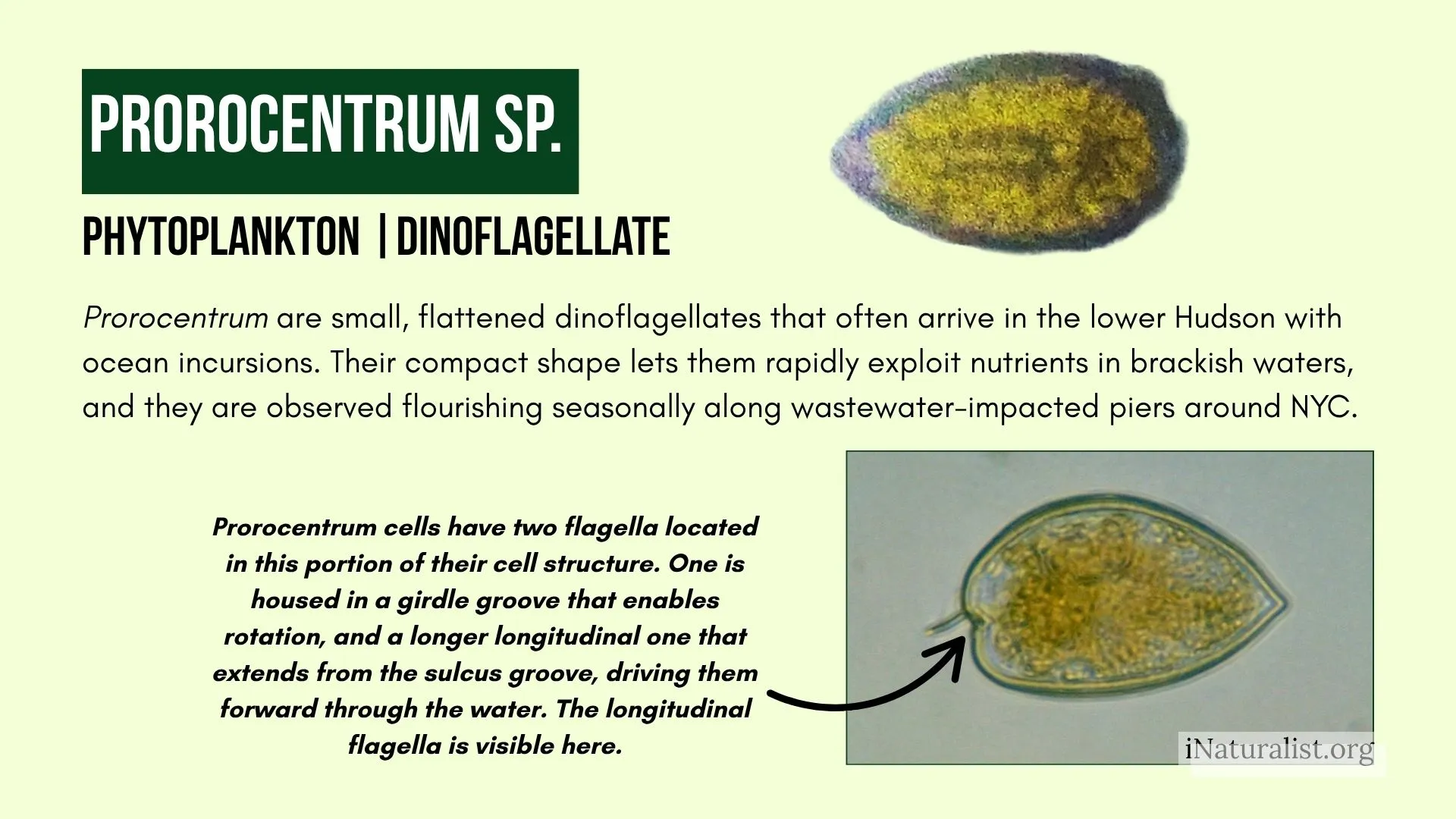
Slide 10: Phytoplankton: Prorocentrum sp.
-
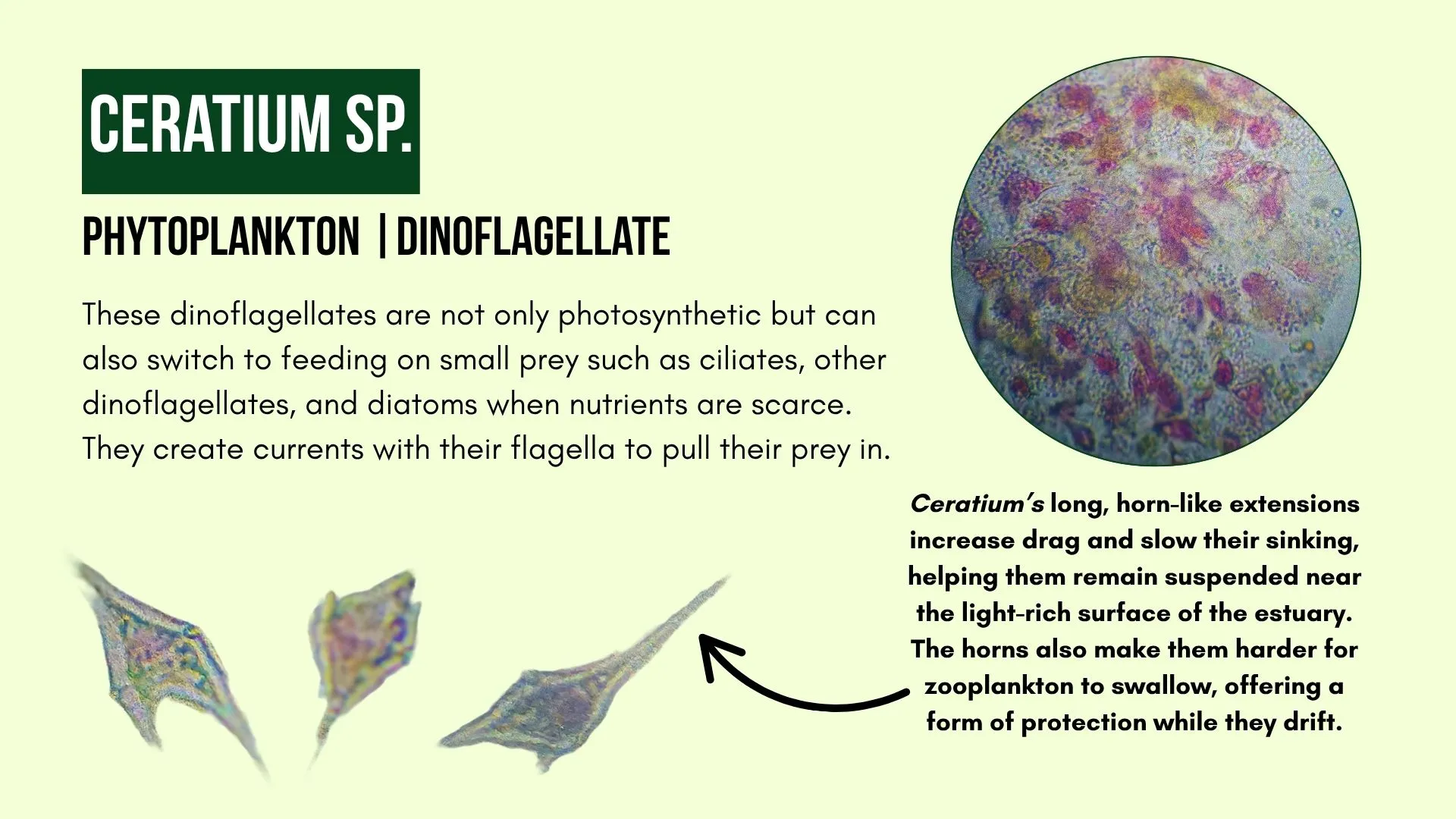
Slide 11: Phytoplankton: Ceratium sp.
-
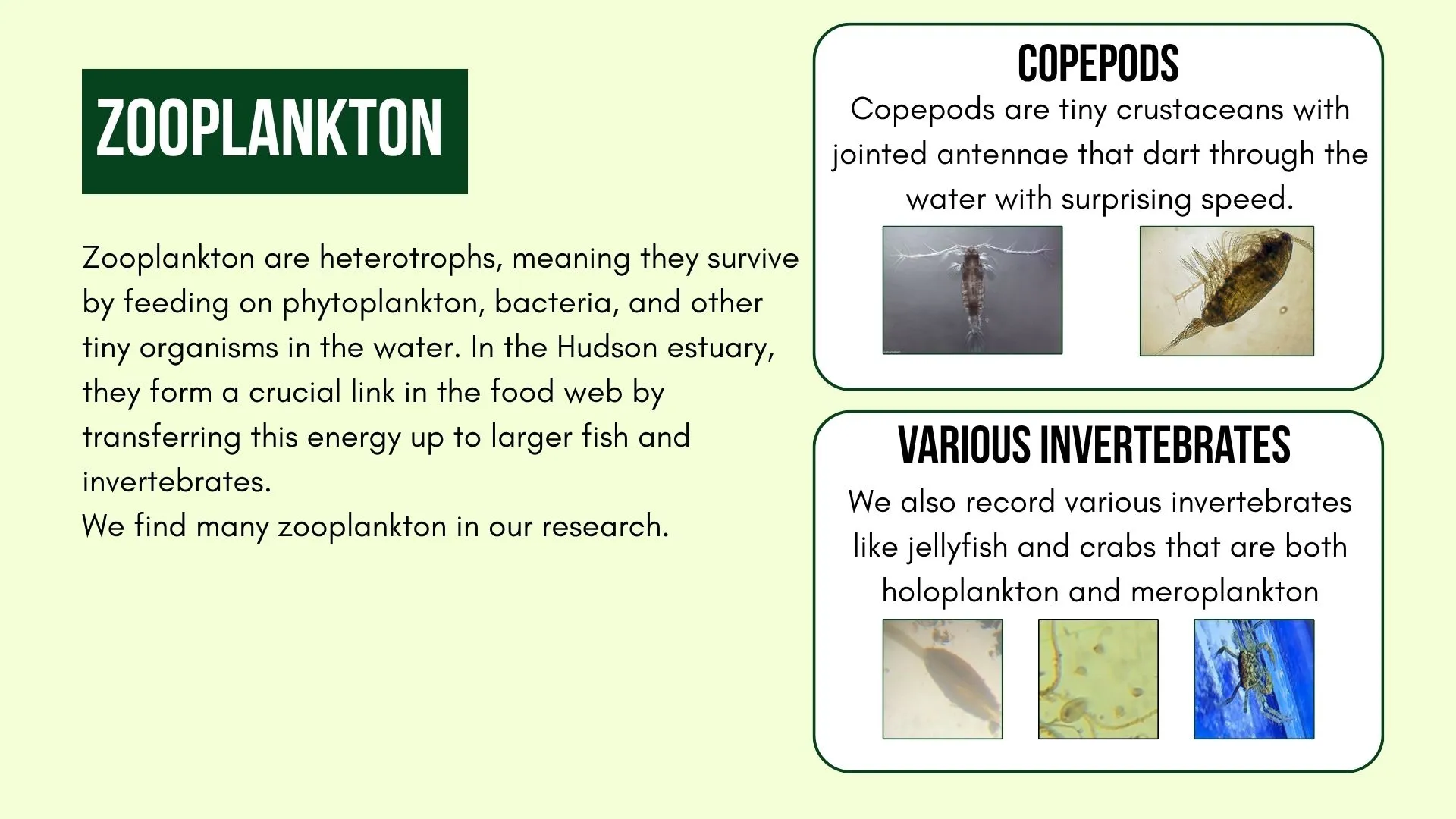
Slide 12: Introduction to Zooplankton
-
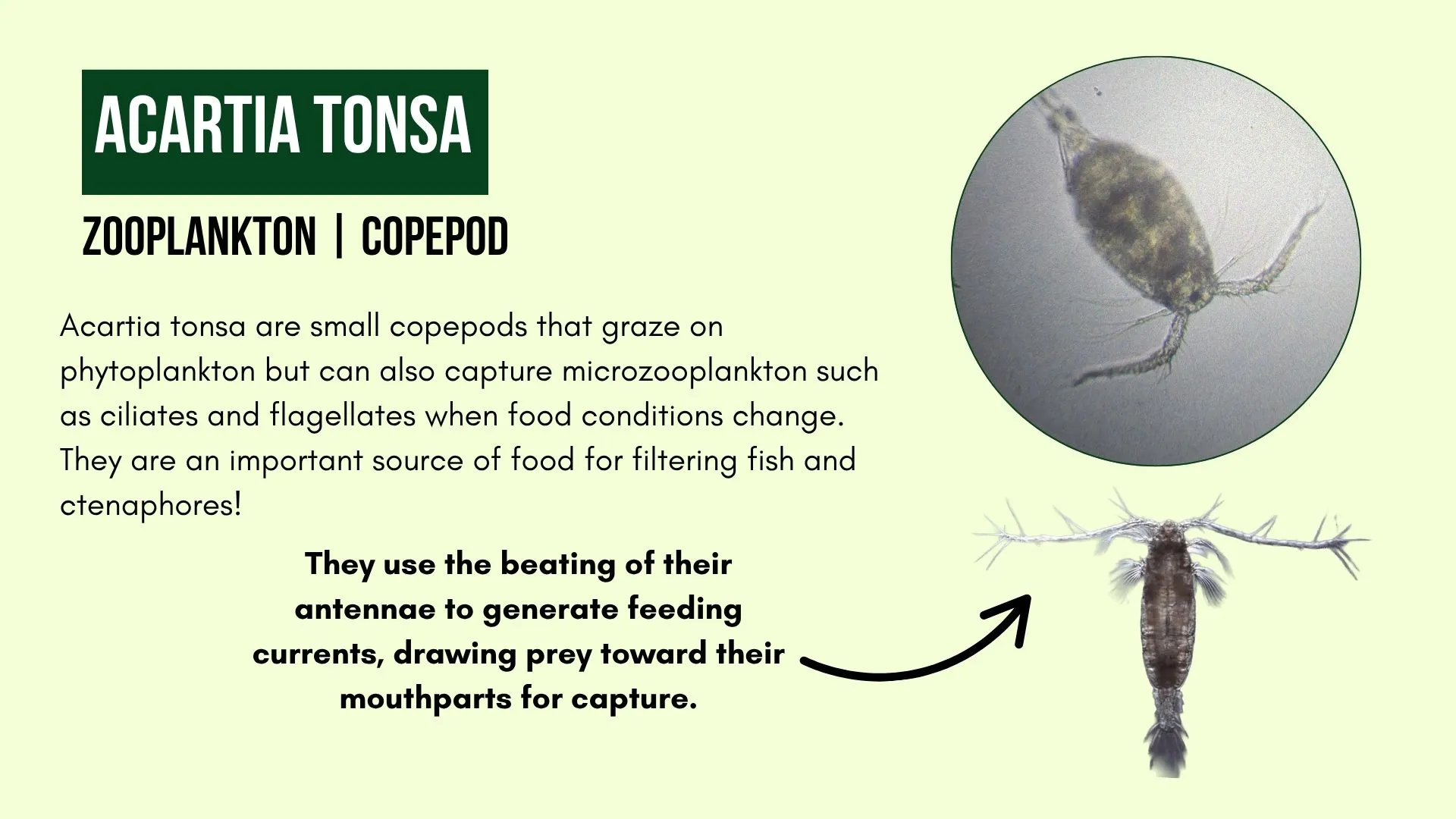
Slide 13: Zooplankton: Acartia Tonsa
-
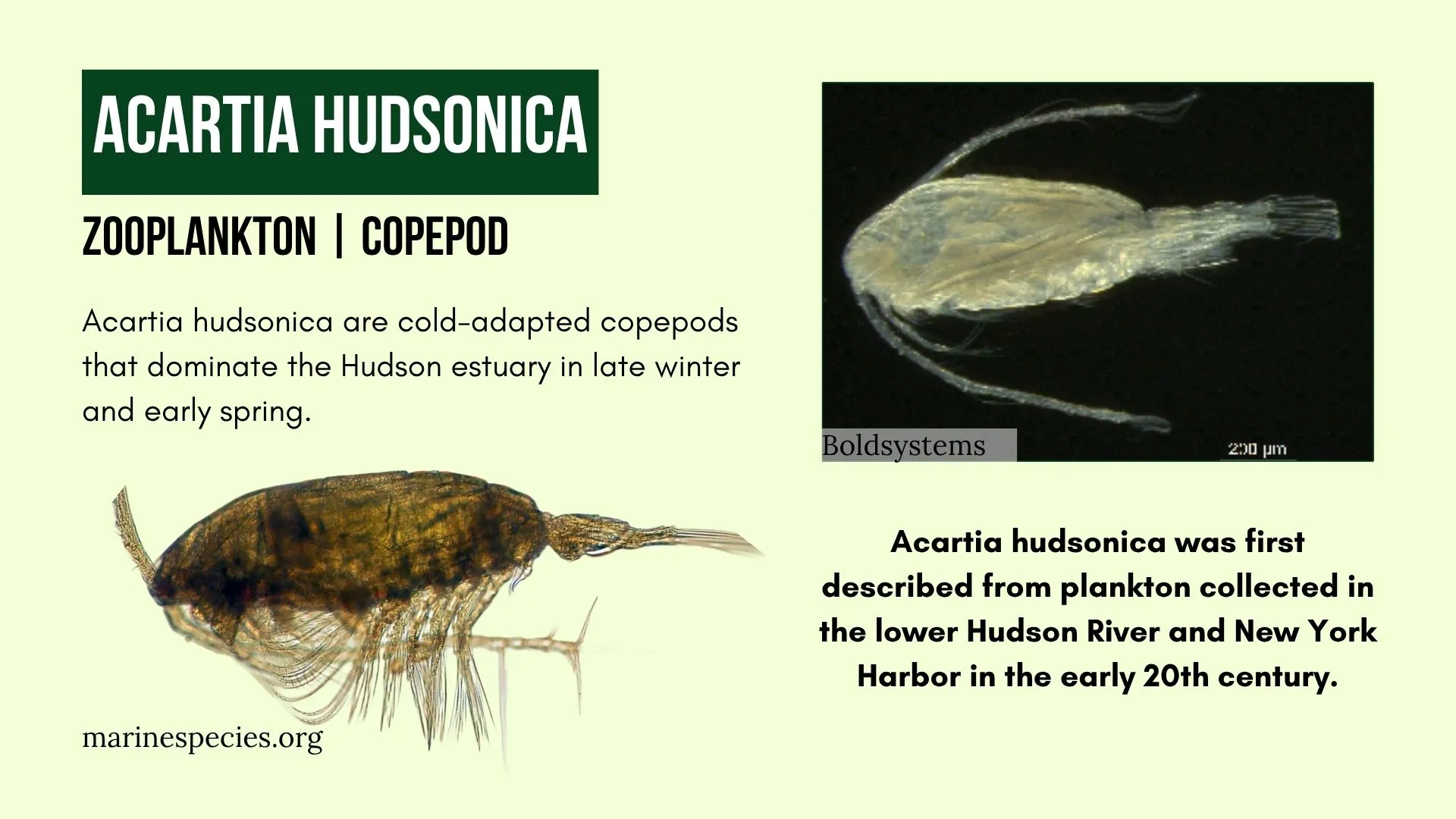
Slide 14: Zooplankton: Acartia Hudsonica
-
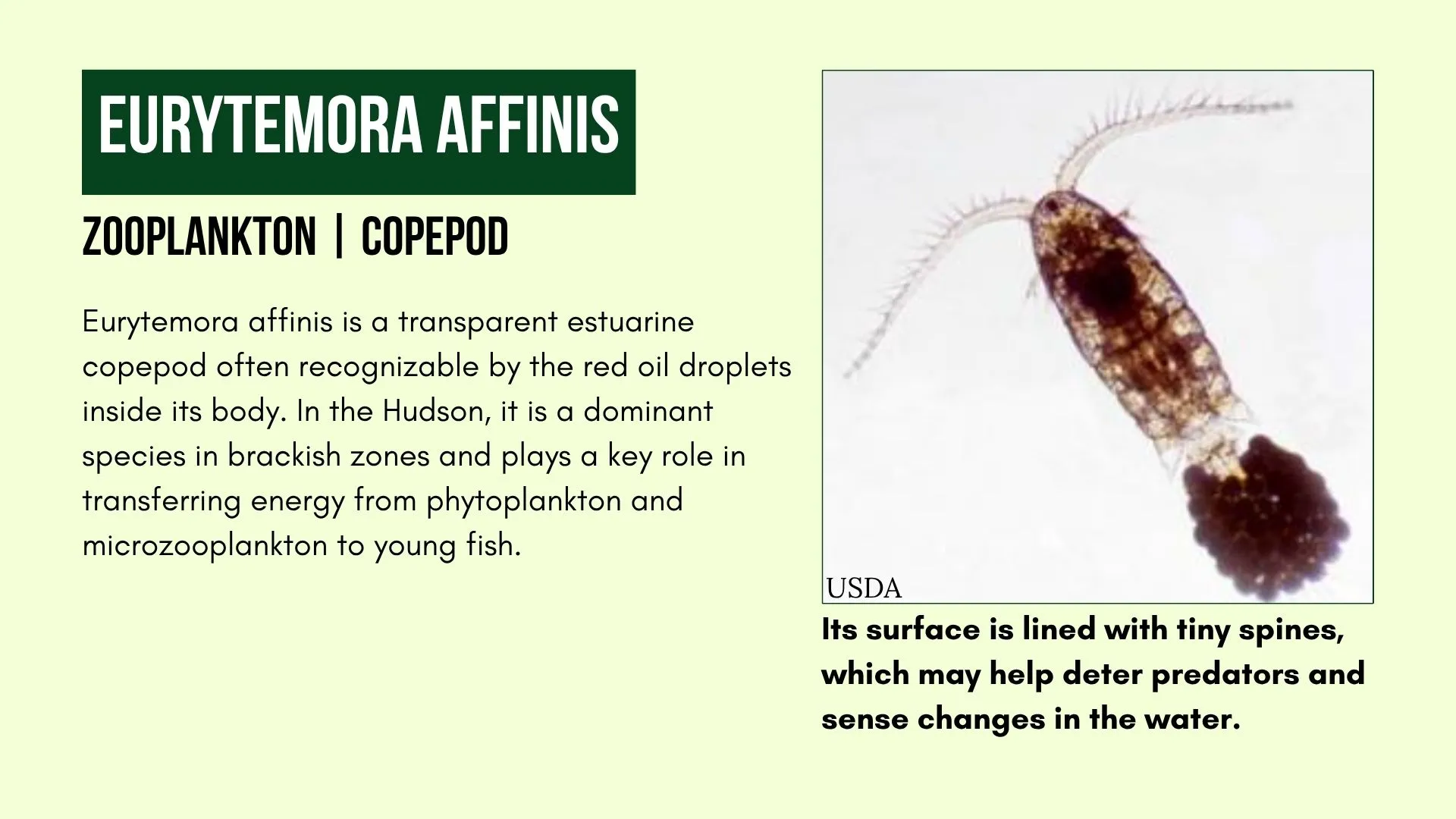
Slide 15: Zooplankton: Eurytemora Affinis
-
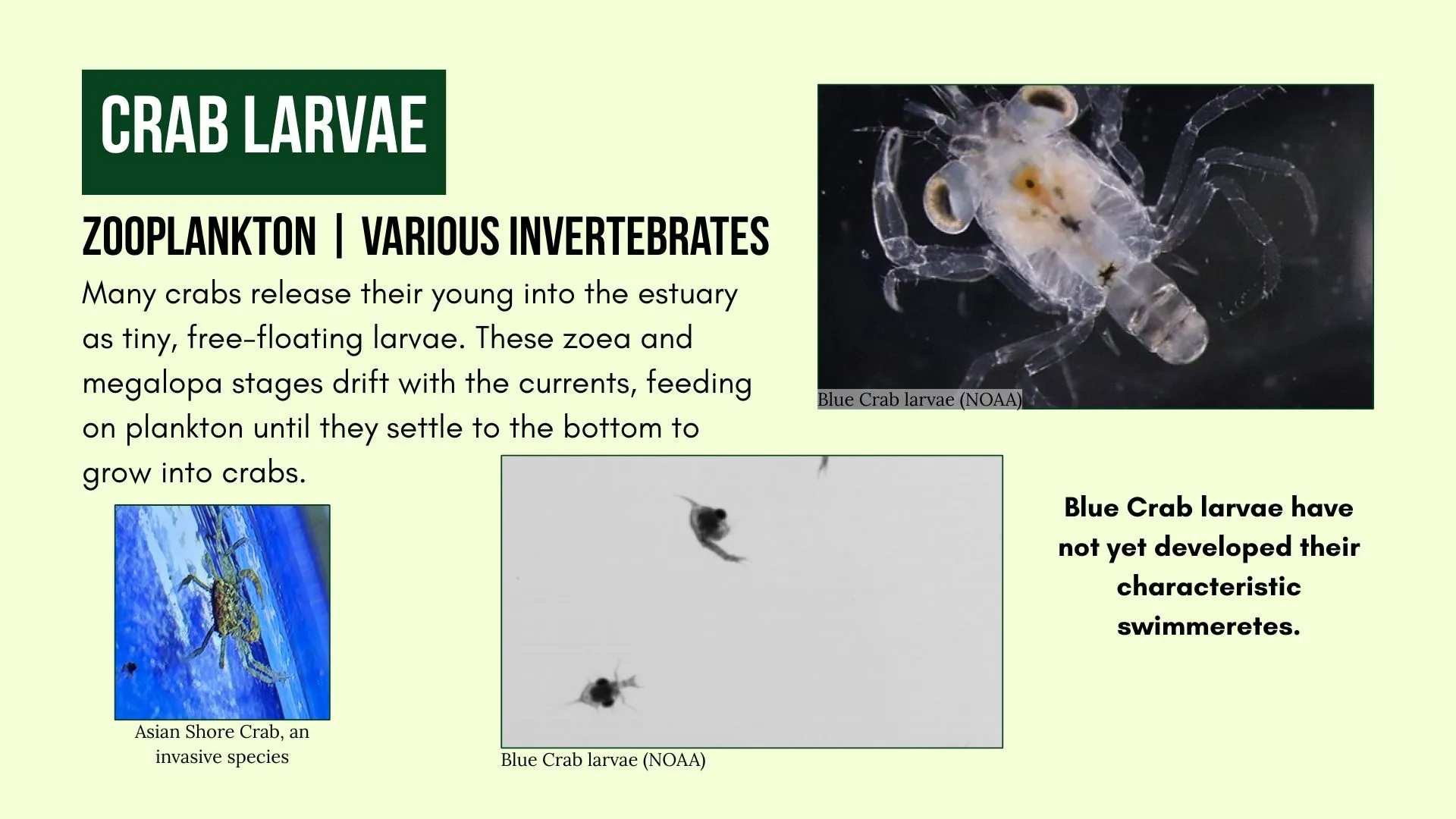
Slide 16: Zooplankton: Crab Larvae
-
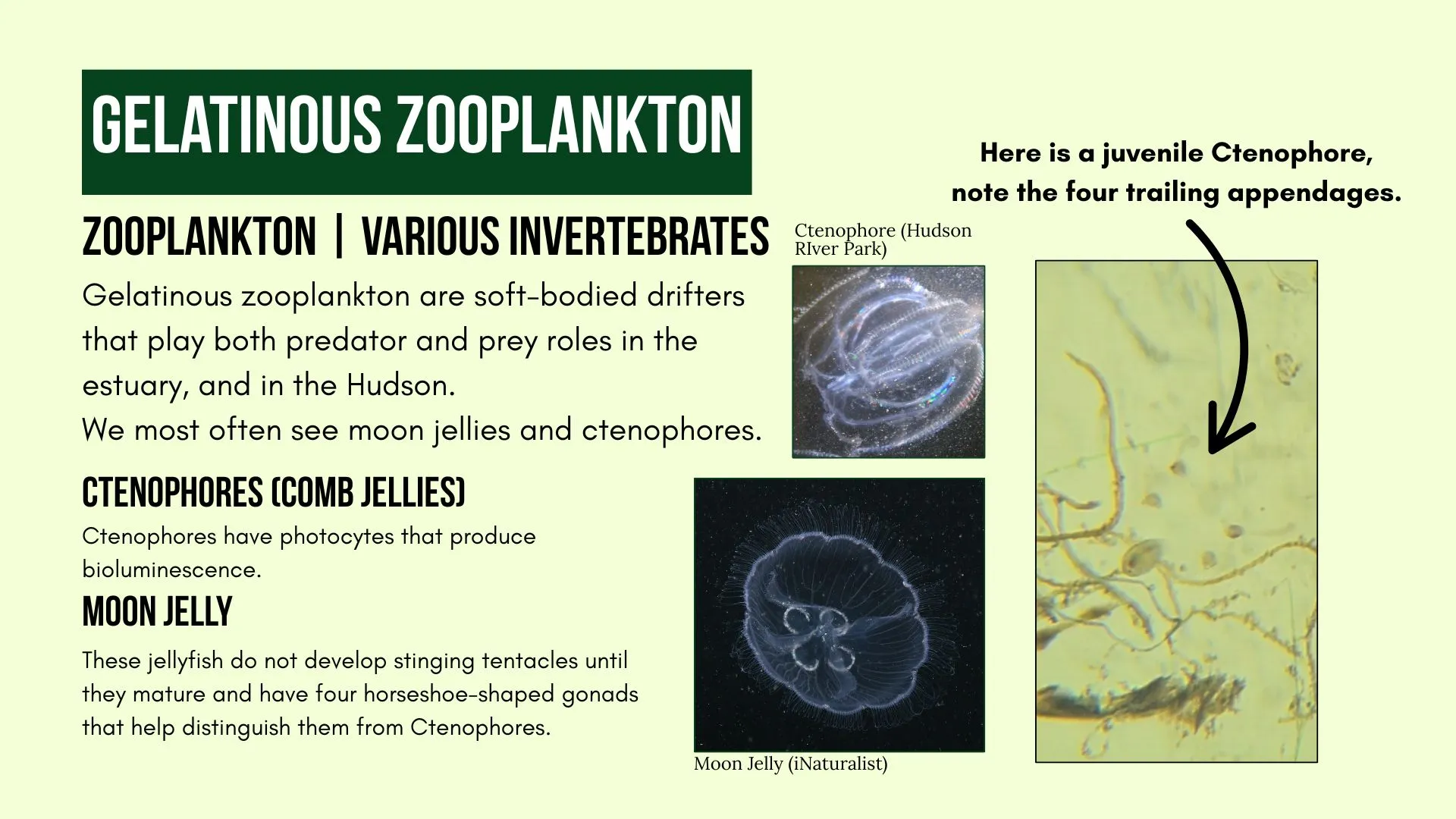
Slide 17: Zooplankton: Gelatinous Zooplankton
-
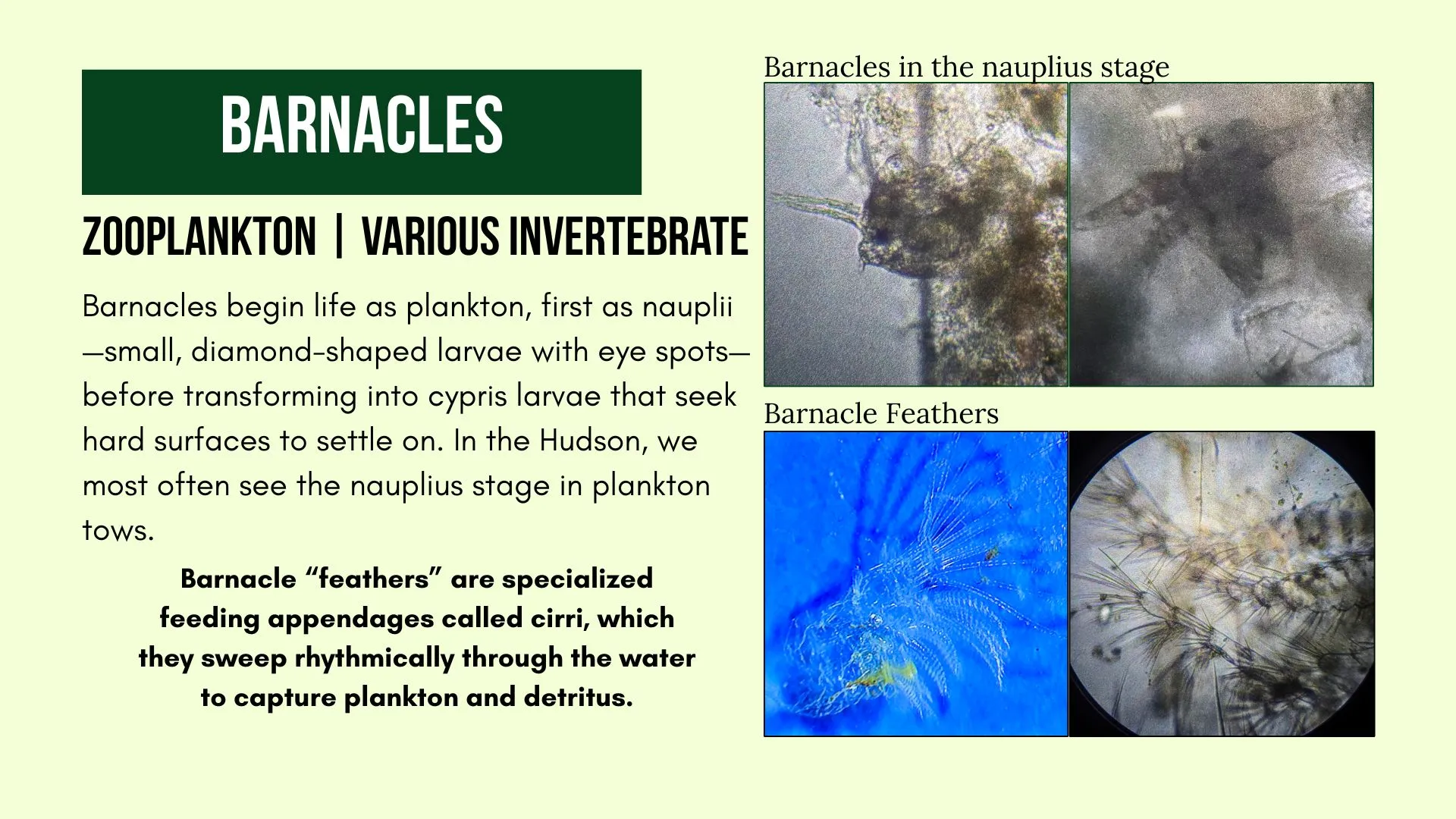
Slide 18: Zooplankton: Barnacles
-
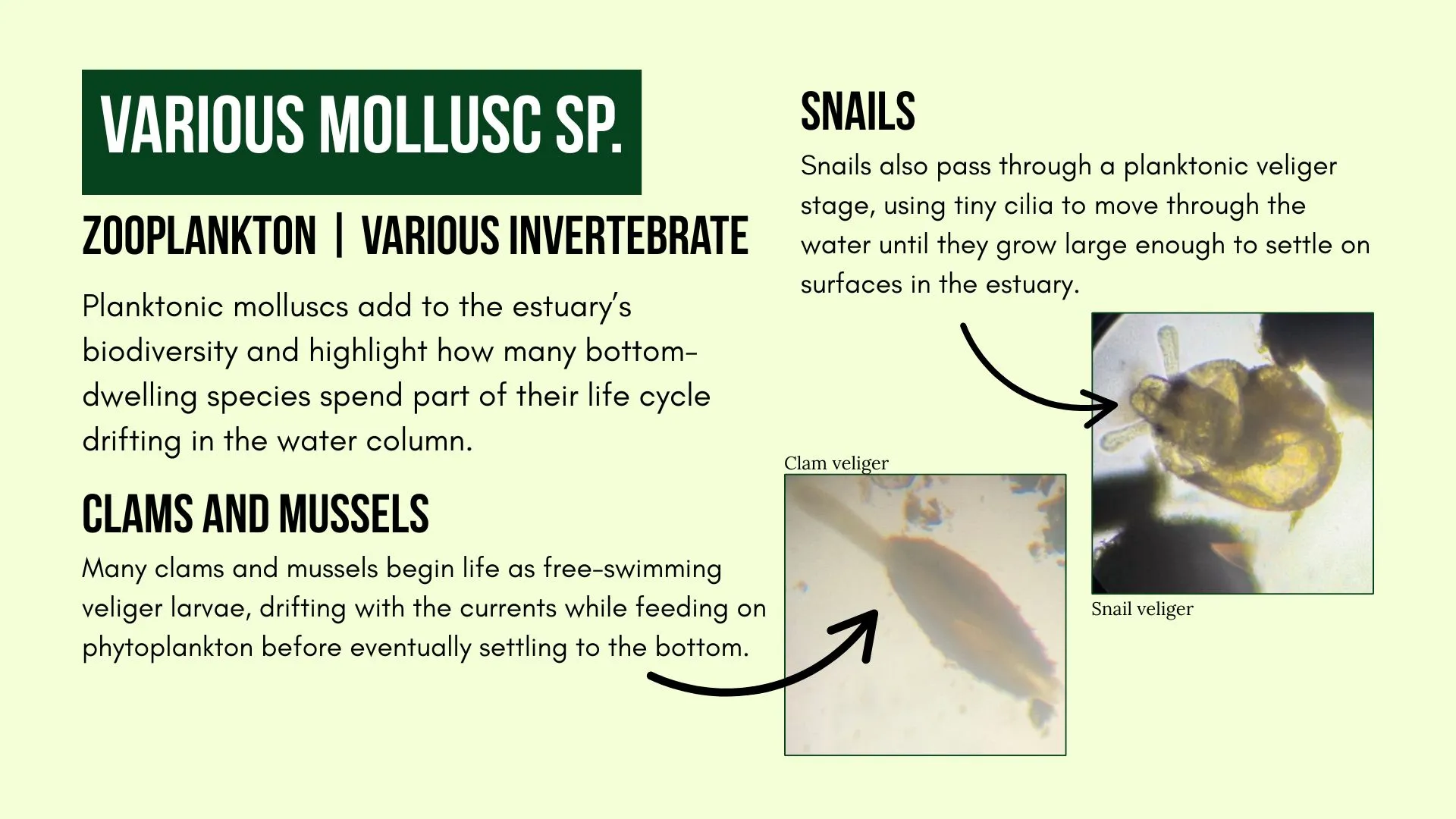
Slide 19: Zooplankton: Various Mollusc sp.
Explore the Data!